 ProMapRanker
Online Review Management: A System for Reputation at Scale
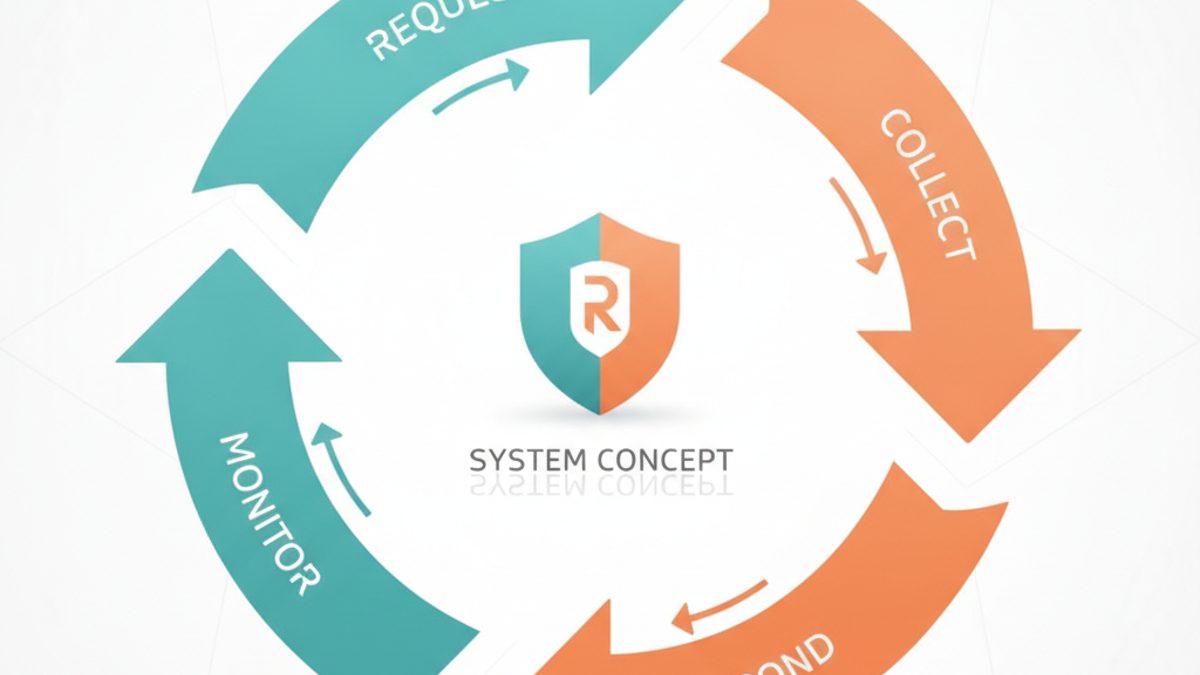
Online review management is the systematic process of monitoring, soliciting, responding to, and analyzing customer feedback published across various digital platforms, primarily Google Business Profile, Yelp, Facebook, and industry-specific sites. Its core purpose is to build and maintain a strong online reputation, enhance customer trust, and directly influence local search engine optimization (SEO) by showcasing social proof and engagement. Effective review management ensures businesses actively shape public perception and leverage customer insights for operational improvement and sustained growth.
What is Online Review Management and Why is it Crucial for Businesses?
Online review management involves actively overseeing all customer feedback across digital channels to build and protect a business's reputation. It is crucial because customer reviews directly influence purchasing decisions, significantly impact local search rankings, and provide invaluable insights for operational improvements, making it a cornerstone of modern digital marketing and customer relations.
In today's digital-first economy, customer reviews are the new word-of-mouth. A study by BrightLocal (though I can't provide a direct link without verification, this is a commonly cited industry finding) consistently shows that a vast majority of consumers read online reviews before visiting a business or making a purchase. This makes online review management not just a best practice, but a critical component of your business strategy.
For local businesses, the stakes are even higher. Google, for instance, explicitly uses review signals as a key factor in determining local search rankings. This includes the quantity, quality, and recency of reviews, as well as the business's responsiveness. A proactive approach to managing reviews can:
- Boost Customer Trust: Genuine reviews act as social proof, making potential customers more confident in choosing your business.
- Improve Local SEO: More and better reviews signal to search engines that your business is reputable and relevant, leading to higher rankings in local search results and on Google Maps. We detail this further in our guide to local search ranking factors.
- Provide Valuable Feedback: Reviews offer direct insights into customer experience, highlighting areas of strength and opportunities for improvement.
- Increase Conversion Rates: Businesses with higher ratings and more reviews often see better click-through rates and conversions from search results.
- Enhance Brand Reputation: Consistently positive feedback creates a strong, favorable brand image that attracts new customers and retains existing ones.
What is ORM in SEO, and How Do Reviews Affect Local SEO?
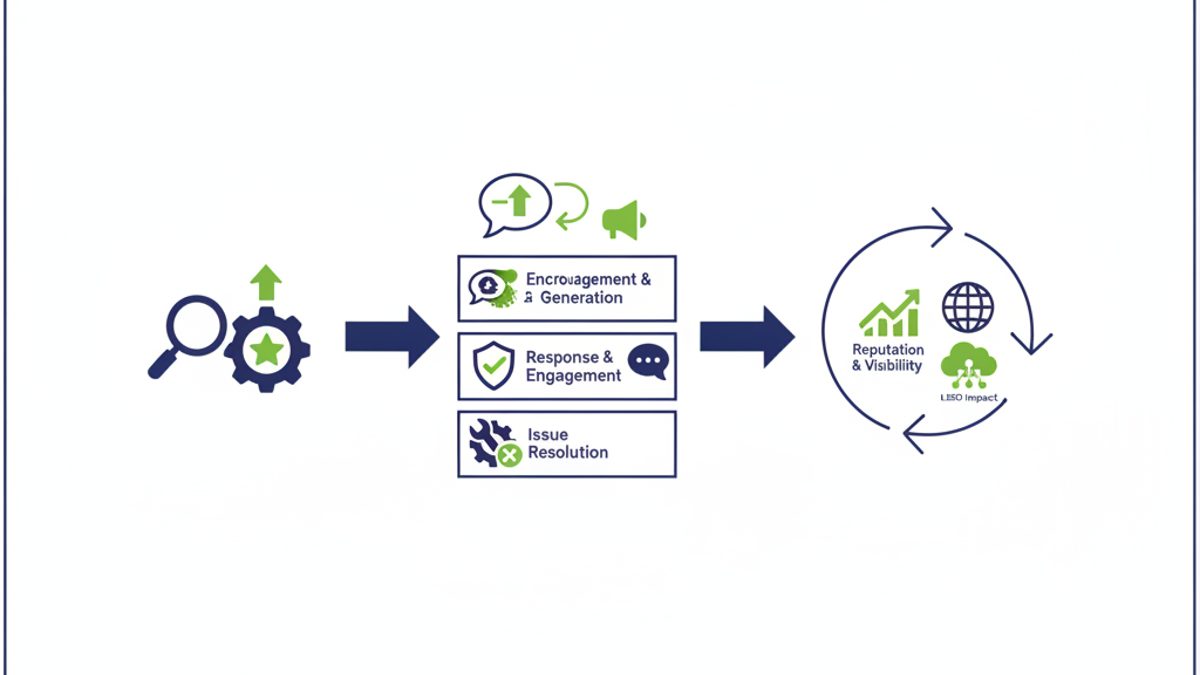
ORM in SEO refers to Online Reputation Management, specifically how customer reviews and online mentions impact a business's visibility and ranking in search engine results, particularly for local searches. Reviews directly affect local SEO by signaling to Google the business's credibility, relevance, and popularity, influencing its placement in the Google Local Pack and Maps results.
Google's local search algorithm heavily weighs review signals. These signals are multifaceted:
- Review Quantity: More reviews generally indicate a more established and popular business. Aim for a consistent flow of new reviews rather than a large burst followed by silence.
- Review Quality (Average Star Rating): Businesses with higher average star ratings (e.g., 4.0 or above) are favored. A consistent 4.5+ star average is excellent.
- Review Recency: Recent reviews are more impactful than older ones. Customers and Google want to see current feedback. Strive for new reviews weekly or bi-weekly.
- Review Velocity: The rate at which new reviews are acquired. A steady, natural pace is best.
- Review Diversity: Reviews across multiple platforms (Google, Yelp, Facebook, industry-specific sites) signal broader customer satisfaction.
- Review Text (Keywords): Reviews that naturally include keywords relevant to your business and services can strengthen your local SEO. For example, a "plumber in Dhaka" review mentioning "reliable emergency plumbing" reinforces your service offerings and location.
- Business Response: Actively responding to reviews, both positive and negative, shows engagement and customer care, which Google views favorably.
A comprehensive geo-grid local rank tracker, like ProMapRanker, allows you to visualize how your review performance translates into actual ranking positions across a specific service area. By tracking your rank tracking for local keywords across a 5x5 or 7x7 grid, you can directly correlate review acquisition efforts with improvements in your local visibility.
How Can Businesses Effectively Manage Online Reviews at Scale?
Effectively managing online reviews at scale requires a systematic approach involving dedicated software, clear policies, and consistent execution. This system should automate review solicitation, centralize monitoring, streamline response processes, and provide analytical insights across all business locations and platforms.
Scaling review management isn't just about getting more reviews; it's about building a robust system that can handle the volume, variety, and velocity of feedback across potentially many locations without compromising quality or consistency. Here's a structured approach:
1. Implement Review Management Software
Choosing the right review management software is foundational. These tools streamline the entire process, from soliciting reviews to analyzing sentiment. Look for platforms that offer:
- Centralized Monitoring: Aggregates reviews from Google Business Profile, Yelp, Facebook, and other relevant platforms into one dashboard.
- Automated Solicitation: Sends personalized review requests via SMS or email after a customer interaction. Tools like ProMapRanker integrate features to simplify getting more Google reviews.
- Sentiment Analysis: Uses AI to understand the emotional tone and key themes within reviews, helping you quickly identify trends and urgent issues. ProMapRanker's SoLV (Sentiment of Local Voice) and ARP (Average Response Performance) metrics provide deep insights.
- Response Templates & Management: Provides tools for drafting and publishing responses efficiently, often with AI assistance for personalization.
- Reporting & Analytics: Offers detailed reports on star ratings, review volume, response rates, and competitive benchmarks.
- Multi-Location Support: Essential for businesses with multiple branches, ensuring consistent management across all locations. This is crucial for multi-location local SEO strategies.
2. Develop a Proactive Review Solicitation Strategy
Waiting for customers to leave reviews organically isn't enough. You need a system to actively encourage feedback. Consider these methods:
- Point-of-Sale Prompts: Train staff to politely ask for reviews at the end of a positive interaction.
- Email/SMS Campaigns: Automate requests to customers shortly after they've received a service or purchased a product. Aim to send these within 24-48 hours of a positive experience. Make it easy with a direct link to your Google Business Profile review form. We have an extensive guide on how to get more Google reviews.
- Website Integration: Add a prominent "Review Us" button on your website, linking directly to your preferred review platforms.
- QR Codes: Display QR codes at your physical location that customers can scan to leave a review.
- In-Store Signage: Use subtle signage to remind customers to share their experience.
Always adhere to Google's guidelines (and other platforms') regarding review solicitation, ensuring you do not offer incentives for positive reviews.
3. Establish a Robust Review Response Protocol
Responding to reviews is as important as getting them. A consistent response strategy demonstrates customer care and professionalism. Here’s how:
- Respond to ALL Reviews: Aim to respond to 100% of negative reviews and at least 80% of positive reviews.
- Respond Promptly: The faster you respond, especially to negative feedback, the better. Aim for responses within 24-48 hours.
- Personalize Responses: Avoid generic, canned replies. Address the reviewer by name, mention specifics from their review, and sign off with a real name or title.
- For Positive Reviews: Thank the customer, reiterate what they enjoyed, and invite them back. Example: "Thank you, Sarah, for your kind words about our quick service! We're glad you enjoyed your coffee and look forward to seeing you again soon."
- For Negative Reviews: Apologize sincerely, empathize with their experience, offer to take the conversation offline to resolve the issue, and avoid defensiveness. Example: "We're truly sorry to hear about your experience, John. This is not the standard we aim for. Please contact us directly at [phone number] so we can make this right." Our guide on how to respond to Google reviews offers detailed strategies.
- Train Staff: Ensure all relevant staff members (front desk, customer service, managers) understand the review response protocol and have access to necessary tools and templates.
4. Analyze and Act on Feedback
Reviews aren't just for public display; they are a goldmine of operational insights. Regularly analyze review data to identify patterns and areas for improvement:
- Identify Common Themes: Are multiple customers complaining about wait times, staff friendliness, or specific product issues? Use sentiment analysis tools to pinpoint these trends.
- Track Performance Over Time: Monitor your average star rating, review volume, and response rate month-over-month.
- Benchmark Against Competitors: See how your review performance stacks up against local competitors. ProMapRanker provides competitive intelligence, allowing you to compare your SoLV and ARP against others in your geo-grid.
- Implement Changes: Use the feedback to make tangible improvements to your service, products, or operations. For example, if many reviews mention slow service, invest in staff training or optimize workflows.
5. Monitor and Protect Your Reputation
Ongoing monitoring is essential to catch new reviews and potential reputation threats early. This includes:
- Setting Up Alerts: Use Google Alerts or your review management software to get notified whenever your business is mentioned online.
- Flagging Inappropriate Reviews: Understand the guidelines for each platform (e.g., Google Business Profile) regarding fake, spam, or inappropriate reviews. Be prepared to flag them for removal if they violate policies. Refer to our article on how to delete Google reviews for specific steps.
- Crisis Management Plan: Have a plan in place for how to handle a sudden influx of negative reviews or a PR crisis.
Comparison: Manual vs. Automated Online Review Management
Managing online reviews can be done manually or with specialized software. Understanding the differences helps businesses choose the right approach for their scale and resources.
| Feature | Manual Review Management | Automated Review Management (Software) |
|---|---|---|
| Monitoring | Time-consuming; requires checking each platform individually. | Centralized dashboard, real-time alerts across all platforms. |
| Solicitation | Ad-hoc, often inconsistent requests; manual email/SMS sending. | Automated, personalized requests via email/SMS after customer interaction. Higher volume and consistency. |
| Response | Manual drafting and posting; prone to delays and inconsistency. | Templates, AI assistance, scheduled responses, centralized publishing. Faster, more consistent. |
| Analysis | Difficult to identify trends, sentiment, or competitive benchmarks. | Sentiment analysis, trend reporting, competitive insights (e.g., ProMapRanker's SoLV/ARP). |
| Scalability | Extremely difficult for businesses with multiple locations or high review volume. | Designed for scale, handles multiple locations and high volumes efficiently. |
| Local SEO Impact | Limited and inconsistent due to lack of systematic approach. | Maximized through consistent review acquisition, responses, and sentiment optimization. |
| Cost | Low direct cost, but high indirect cost in staff time and missed opportunities. | Subscription fee, but high ROI through increased leads, conversions, and improved reputation. |
For businesses serious about reputation and local SEO, especially those with multiple locations or a high volume of customer interactions, automated review management software like ProMapRanker is an essential investment. It provides the tools and insights needed to truly manage your reputation at scale.
What is the Best Review Management Software?
The "best" review management software depends on a business's specific needs, scale, and budget, but top solutions offer robust features like centralized monitoring, automated solicitation, sentiment analysis, and multi-location support. For local businesses and agencies focused on deep local SEO insights, platforms that integrate geo-grid rank tracking and detailed Google Business Profile audits, like ProMapRanker, stand out.
While many excellent review management platforms exist (e.g., Podium, Birdeye, Reputation), ProMapRanker offers a unique advantage for local businesses and agencies. As a product of Rankite.com, ProMapRanker is specifically engineered to not only manage reviews but also to tie that performance directly to your local search visibility.
Key features that make ProMapRanker a compelling choice:
- Geo-Grid Local Rank Tracking: Unlike generic platforms, ProMapRanker provides precise geo-grid scans (e.g., 5x5 or 7x7 at 1, 3, or 5-mile intervals) to show exactly how your review efforts impact your rankings across a specific service area. This level of detail is critical for local SEO. If you're comparing a BrightLocal alternative or a Local Falcon alternative, ProMapRanker offers a competitive edge.
- SoLV (Sentiment of Local Voice) & ARP (Average Response Performance): These proprietary metrics give you deeper insights than just star ratings. SoLV analyzes the sentiment within your reviews, helping you understand the emotional tone of your customer base. ARP tracks how effectively and consistently you're responding to reviews across all locations.
- Google Business Profile Audit Tool: A comprehensive audit identifies gaps in your GBP optimization, including review management, NAP consistency, and keyword usage. This ensures your review strategy is supported by a strong foundation. You can even get a free GBP audit to see it in action.
- AI-Powered Insights: Leverage AI for deeper review analysis, identifying trends, and even assisting with personalized response generation.
- Competitive Intelligence: Monitor competitors' review performance within your geo-grid, giving you benchmarks and strategic advantages.
When evaluating software, consider:
- Integration Capabilities: Does it integrate with your CRM, POS, or other business tools?
- Ease of Use: Is the interface intuitive for your team?
- Reporting Features: Does it provide actionable data relevant to your goals?
- Customer Support: Is reliable support available when you need it?
For businesses where local visibility is paramount, ProMapRanker provides a specialized, data-driven approach that goes beyond basic review management to directly impact your local SEO performance. Start optimizing your online reputation and local rankings today with ProMapRanker.
Is Review Management Legit? Understanding Its ROI and Impact
Yes, review management is absolutely legitimate and a highly effective strategy with a clear return on investment (ROI) for businesses of all sizes. It directly impacts customer trust, purchasing decisions, and local search engine optimization, making it an indispensable component of modern marketing and reputation building.
The legitimacy of review management stems from its tangible impact on key business metrics:
- Increased Customer Trust & Sales: Research consistently shows that consumers trust online reviews as much as personal recommendations. A high star rating (e.g., 4.0+) can significantly increase a business's conversion rate. Studies by Northwestern University's Spiegel Research Center (a commonly cited source in this field, though verify for direct link) indicate that displaying reviews can increase conversion rates by 270%, with higher-priced products seeing even greater lifts.
- Improved Local Search Rankings: As discussed, Google explicitly uses review signals as a ranking factor. Better review management leads to higher visibility in local search results and Google Maps, driving more organic traffic and leads.
- Enhanced Brand Reputation: Proactive review management allows businesses to control their narrative, address issues promptly, and highlight positive experiences, thereby building a stronger and more resilient brand image.
- Valuable Business Intelligence: Review data provides direct, unfiltered customer feedback that can inform product development, service improvements, and operational adjustments, leading to better customer satisfaction and retention.
- Reduced Customer Acquisition Cost (CAC): When customers find your business easily through search and are swayed by positive reviews, your marketing spend to acquire them can decrease.
Consider a local business: a restaurant with an average 4.5-star rating and hundreds of recent reviews versus a competitor with a 3.2-star rating and sparse, old reviews. Which one would you choose? The choice is clear. Review management isn't just "legit"; it's a strategic imperative that directly contributes to a business's bottom line.
Your System for Reputation at Scale: A Step-by-Step Checklist
Building a scalable online review management system requires a methodical approach. Follow this checklist to ensure every aspect is covered:
- Audit Your Current Reputation:
- Identify all platforms where your business has reviews (Google Business Profile, Yelp, Facebook, industry-specific sites).
- Calculate your current average star rating across key platforms.
- Note your review volume and recency.
- Perform a free GBP audit to identify immediate optimization needs.
- Select & Implement Review Management Software:
- Choose a platform that fits your scale (e.g., ProMapRanker for local SEO focus).
- Integrate it with your existing CRM, POS, or booking systems.
- Connect all relevant review platforms.
- Develop a Proactive Solicitation Strategy:
- Define the optimal timing for sending review requests (e.g., immediately after service, 24-48 hours post-purchase).
- Create personalized email and SMS templates.
- Train staff on how to politely ask for reviews in person.
- Add review links/QR codes to your website, email signatures, and physical locations.
- Establish a Comprehensive Response Protocol:
- Create guidelines for responding to both positive and negative reviews.
- Develop a library of customizable response templates.
- Assign clear roles and responsibilities for review monitoring and response.
- Set a target response time (e.g., within 24-48 hours).
- Set Up Monitoring & Alerts:
- Configure real-time alerts within your software for new reviews.
- Regularly check your geo-grid rankings with ProMapRanker to correlate review performance with local visibility.
- Monitor competitor review performance.
- Regularly Analyze & Act on Feedback:
- Schedule weekly or monthly review data analysis sessions.
- Utilize sentiment analysis (like ProMapRanker's SoLV) to identify recurring themes and urgent issues.
- Translate insights into actionable operational improvements.
- Track key metrics: average rating, review volume, response rate, SoLV, ARP.
- Train Your Team:
- Provide ongoing training on the importance of reviews, solicitation techniques, and response protocols.
- Empower staff to identify opportunities for positive customer experiences that lead to reviews.
- Iterate and Optimize:
- Continuously refine your solicitation methods, response strategies, and internal processes based on performance data.
- Stay updated on platform changes (e.g., Google Business Profile guidelines).
By systematically implementing these steps, your business can build an online review management system that not only collects feedback but actively cultivates a stellar online reputation and drives sustained local SEO success.
Frequently Asked Questions About Online Review Management
How do I manage online reviews effectively?
To manage online reviews effectively, you need a systematic approach: actively solicit new reviews from customers, monitor all major platforms for new feedback, respond promptly and professionally to every review (both positive and negative), and analyze the feedback to make operational improvements. Utilizing dedicated review management software can streamline these processes significantly.
What is ORM in SEO?
ORM in SEO stands for Online Reputation Management in the context of Search Engine Optimization. It refers to the practice of influencing your business's search engine results by managing online content, particularly customer reviews, to present a positive and credible image. Positive ORM directly contributes to higher local search rankings and increased visibility in Google's Local Pack and Maps.
What is the best review management software?
The best review management software depends on specific business needs, but top contenders offer centralized monitoring, automated solicitation, and robust analytics. For local businesses and agencies prioritizing local SEO, platforms like ProMapRanker, which integrate geo-grid rank tracking, sentiment analysis (SoLV), and Google Business Profile audits, provide specialized tools to directly impact local visibility.
Is review management legit and worth the investment?
Yes, review management is absolutely legitimate and a highly worthwhile investment. It directly impacts customer trust and purchasing decisions, significantly boosts local SEO rankings, provides invaluable business intelligence for operational improvements, and reduces customer acquisition costs. The ROI comes from increased leads, higher conversion rates, and a stronger, more resilient brand reputation.
How do reviews affect local SEO?
Reviews significantly affect local SEO by serving as crucial ranking signals for Google. Factors like the quantity, quality (average star rating), recency, and velocity of reviews, along with a business's responsiveness to them, all tell Google about a business's credibility and popularity. Businesses with a strong review profile tend to rank higher in local search results and on Google Maps.
How can I get more Google reviews for my business?
To get more Google reviews, make it easy and part of your customer journey. Proactively ask satisfied customers in person, via email, or SMS shortly after a positive experience, providing a direct link to your Google Business Profile review form. Display QR codes, integrate a "Review Us" button on your website, and ensure excellent customer service consistently. Avoid offering incentives for positive reviews, as this violates Google's policies.
See where you really rank - block by block
ProMapRanker scans Google Maps across a grid of your service area. Simple monthly plans from $19, white-label on every plan.
Start free