 ProMapRanker
Best Call Tracking Software for Blinds Installers in 2026

Tying calls to quotes and jobs · Pricing starts at: See website
Direct answer
WhatConverts is my top pick for blinds installers because it ties each phone call to the page, ad or keyword that produced it and lets you mark whether the caller became a quote or a booked fitting. Pricing is quote-based, so check its pricing page. CallTrackingMetrics suits firms that want deeper routing and IVR, and SE Ranking fits installers who mainly want call data next to local rank tracking.
I compared these tools from vendor documentation and public sources, not from hands-on tests. I looked at how each one handles the way a blinds business actually works: a phone enquiry, a measuring visit, a quote, then a fitting date. The order below reflects how well each tool fits that flow for a small installer.
Key takeaways
- Blinds installers get most enquiries by phone, so a call tracking tool that records the source of each call is more useful than a general analytics suite.
- Dynamic number insertion shows a tracking number to visitors while your real Google Business Profile number stays live for maps and directory listings.
- Call tagging matters: a call that ends in a measuring appointment is worth more than a call asking about a single offcut.
- Look for tools that connect calls to Google Ads and Google Analytics so you can see which campaigns produce booked jobs, not just rings.
- Check consent and recording rules in your area before you record calls, and tell callers when a call is recorded.
Quick comparison
| Pick | Great for | Pricing starts at | Free tier | |
|---|---|---|---|---|
| WhatConverts | Tying calls to quotes and jobs | See website | Free trial | Visit |
 CallTrackingMetrics | Call routing and IVR for fitting teams | See website | Free trial | Visit |
 SE Ranking | Call data beside local rank tracking | See website | Free trial | Visit |
 CallRail | Simple call tracking for small installers | See website | Free trial | Visit |
 Invoca | Larger firms with sales teams | See website | Not stated | Visit |
 Marchex | Call analytics for multi-location firms | See website | Not stated | Visit |
 Ringba | Pay-per-call and lead buyers | See website | Not stated | Visit |
The best call tracking software for blinds installers compared
WhatConverts is a lead tracking tool that treats a phone call as a lead record. For a blinds installer, that means each call can carry the landing page, the ad, the keyword and the caller's number in one place, and you can add a note saying whether it turned into a measuring appointment or just a price question. It suits small firms that want to know which marketing produces real jobs.
In daily use, you would give each campaign a tracking number, then tag calls as they come in. A call from a Google Ads landing page about "made to measure blinds fitting" can be marked as a quote, while a call asking about a single roller blind can be marked as low value. Over a month you can see which pages and ads produce the appointments that fill your fitting diary.
The limits are practical. It is priced by quote, so you need to ask about call volume and number of tracking numbers before you commit. It also asks you to keep tagging leads, and if nobody does that, the reports lose their value. Skip it if you only want a basic call log.
- Links calls to lead sources
- lets you mark a lead as qualified
- connects to Google Ads and Analytics
- Pricing is quote-based
- lead tagging takes discipline
CallTrackingMetrics is a contact centre style platform with call tracking at its core. It fits a blinds business that has more than one person answering the phone, such as an office admin and a fitter who takes calls between jobs. You can route calls by area, time of day or campaign, and record calls for training.
For blinds installers, the routing is the useful part. Calls from a postcode you cover heavily can go to the person who knows that area, and after-hours calls can go to voicemail with a prompt asking for room sizes and window counts. That cuts the back-and-forth before a measuring visit and helps you quote faster.
The trade-off is setup time. IVR menus and routing rules need planning, and the platform has more features than a two-person firm will use. Skip it if you want something you can switch on in an afternoon.
- Call routing and IVR
- call recording
- integrations with ad platforms
- More setup work
- feature depth can overwhelm a small team
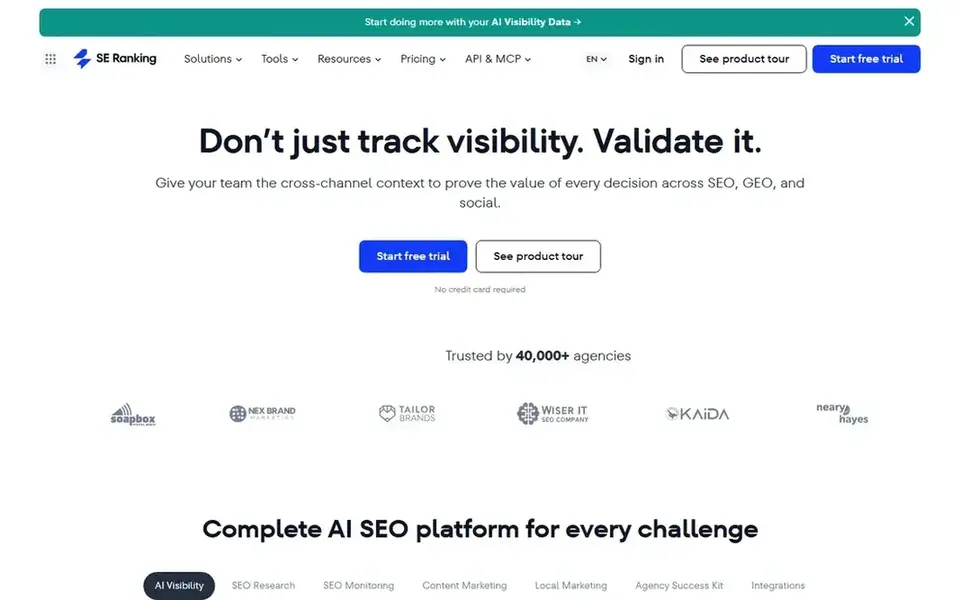
SE Ranking is a local SEO and rank tracking platform that also offers call tracking. It suits a blinds installer who already watches map rankings for terms like "blinds fitting near me" and wants call data in the same dashboard instead of a separate tool. You can see whether a rise in map position lines up with more calls.
The workflow is straightforward: set up tracking numbers for your main pages and ads, then review calls next to your local rankings. If a page moves up the map pack and calls rise in the same week, that is a useful signal. It is less deep on call routing than the dedicated platforms.
The limit is depth. If you need IVR, call scoring or complex routing, this is not the right tool. It fits installers who want call data as part of a broader local marketing view.
- Local rank tracking
- call tracking add-on
- reporting in one place
- Call tracking is one module
- not a dedicated call platform
CallRail is one of the best known call tracking tools for small businesses, and it fits a blinds installer who wants a clean, simple setup. You add a snippet to your site, tracking numbers swap in for visitors, and calls land in a dashboard with source data. It is a common first step for firms moving away from guessing.
For blinds work, the useful habit is to tag calls by job type: measuring visit, quote follow-up, repair, or fitting date change. That lets you see which ads produce the appointments you want rather than calls about a single replacement slat. Call recording helps you check how staff handle quote questions.
Watch the add-ons. Some features sit on higher plans, so check what you need before choosing a tier. Skip it if you need heavy IVR or a full contact centre.
- Easy setup
- dynamic number insertion
- call recording and tagging
- Some features cost extra
- less suited to complex routing
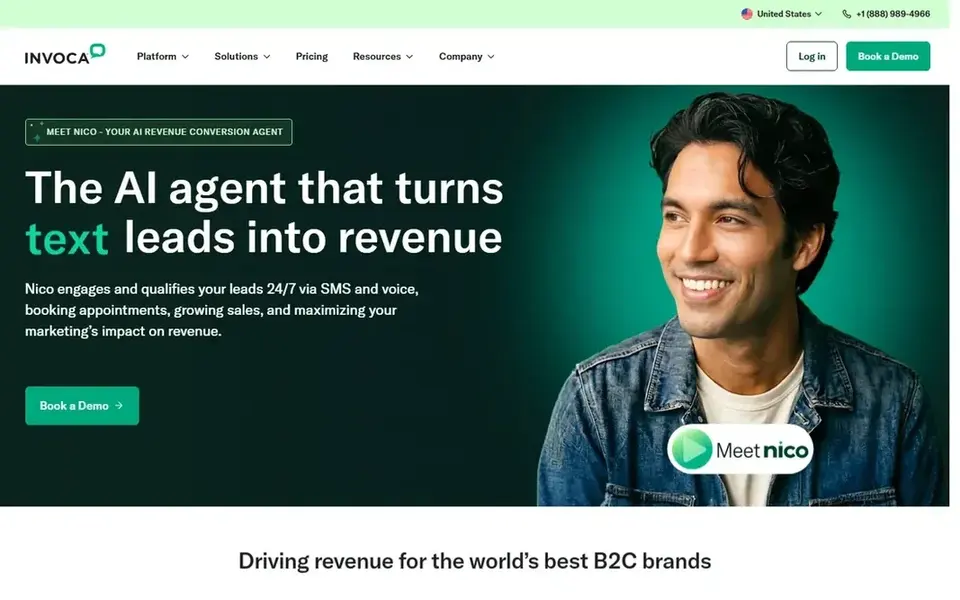
Invoca is a conversation intelligence platform built around phone calls. It fits a larger blinds company with a sales team that handles quotes and follow-ups, where managers want to review call outcomes at scale. It uses call data to show which campaigns produce sales conversations rather than quick price checks.
For a blinds business with several branches, this can show which area produces the best quote-to-order rate from phone leads. It connects to CRM and ad platforms so call outcomes feed back into bidding. That is valuable when you spend on ads across several towns.
The limit is fit. It is aimed at bigger operations, and a two-van installer will not use most of it. Skip it unless you have a sales team and a CRM to connect.
- Conversation analytics
- integration with CRM and ad platforms
- suited to sales teams
- Enterprise focus
- overkill for a small installer
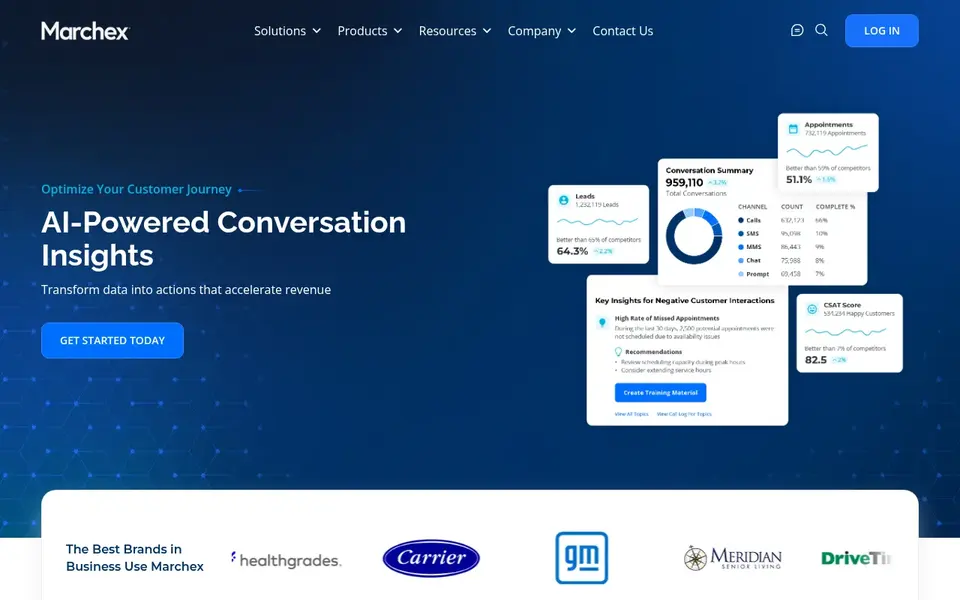
Marchex is a call analytics company that works with larger advertisers and multi-location brands. A blinds retailer with several showrooms could use it to see how calls differ by location and which local campaigns produce the best conversations. It is built around marketing attribution from phone calls.
For an installer with one base, the value is limited. The reporting is designed for teams that manage budgets across regions and need a consistent view. A small firm would pay for depth it does not need.
Skip it unless you run multiple locations and want call analytics at brand level. For a single-town installer, a smaller tool is a better fit.
- Call analytics
- multi-location reporting
- marketing attribution
- Enterprise sales process
- not aimed at small firms
Ringba is a pay-per-call platform used by lead generators and call marketplaces. It fits a blinds installer only in one scenario: you buy calls from a network and want to track which sources produce real jobs. It handles routing, bidding and call outcomes for buyers and sellers of calls.
If you buy shared leads for blinds fitting, Ringba-style tracking can show which sources produce answered calls and booked appointments. That helps you drop sources that send tyre-kickers. But it is not a tool for tracking calls from your own website in a simple way.
Most blinds installers should skip it. It is built for the call marketplace side of the industry, not for a firm that wants to know which page produced a phone call.
- Built for call marketplaces
- real-time routing
- publisher and buyer tools
- Niche focus
- not a standard installer tool
How I chose
I chose these tools by reading vendor documentation and public sources, then matching each one to how a blinds installer gets work. The key question was whether a tool can show the path from a phone call to a measuring visit and a booked fitting, because that is where the money is in this trade. I did not run hands-on tests, so treat the notes as a starting point for your own trial.
I also weighed limits. A tool that needs a full contact centre setup is a poor fit for a two-person firm, and a tool that only logs calls without tagging is only half useful. I looked for clear documentation on dynamic number insertion, call recording, ad platform connections and reporting, and I noted where pricing is quote-based or where a feature sits on a higher tier. Where a tool is aimed at larger firms, I said so.
What to check before you buy
- Confirm dynamic number insertion works with your site and that your real number stays on your Google Business Profile and directory listings.
- Check how many tracking numbers you get, because blinds installers often want separate numbers for Google Ads, organic pages and van signage.
- Ask whether call recording is included and check the consent rules in your area before you record.
- Make sure calls can be tagged by job type, such as measuring visit, quote, repair or fitting change.
- Check the connection to Google Ads and Google Analytics so you can see which campaigns produce booked jobs.
- Ask about call volume limits and overage charges, since a busy spring season can push call numbers up.
Frequently asked questions
Do blinds installers really need call tracking?
Yes, if a good share of your enquiries arrive by phone. Call tracking shows which page, ad or keyword produced the call, so you can put budget behind the sources that lead to measuring visits and fittings. Without it, you are guessing which marketing works and which just produces price questions.
Will a tracking number hurt my Google Business Profile ranking?
No, as long as you keep your real business number as the primary number on your Google Business Profile and use tracking numbers on your website and ads. Google's guidelines ask for a consistent primary number, so do not swap the profile number for a tracking number. Use dynamic number insertion so visitors see a tracking number while the profile stays correct.
Can call tracking show which calls became booked jobs?
It can if you tag calls or connect the tool to your CRM. Mark each call as a quote, a measuring visit or a fitting, and the reports show which sources produce real work. Tools like WhatConverts and CallRail are built around this kind of lead tagging.
Is call recording allowed?
Rules vary by country and region, and many places require you to tell callers that a call is recorded. Check the rules where you operate before you switch recording on, and add a short spoken notice at the start of calls. Do not record calls without the consent your local law requires.
What is the cheapest way to start?
Start with a free trial from a tool that fits your size, such as CallRail or WhatConverts, and track one campaign before adding more. Keep the setup simple: one tracking number for your main ads and one for organic pages. Add routing and recording only when you need them.
Sources
See where you really rank - block by block
ProMapRanker scans Google Maps across a grid of your service area. Simple monthly plans from $19, white-label on every plan.
Start freeBrowse all guides
← Best Review Request Software for Kitchen Remodelers in 2026Best Call Tracking Software for Drywall Contractors in 2026 →
 best review management software for siding contractors
Best Review Management Software for Siding Contractors in 2026
A siding contractor's guide to review management software in 2026: how each tool handles review requests, replies and Google Business Profile, compared.
Read → best review management software for crossfit gyms
Best Review Management Software for CrossFit Gyms in 2026
A practical guide to the best review management software for CrossFit gyms in 2026, covering request workflows, replies, and multi-location options.
Read → best review management software for cabinet makers
Best Review Management Software for Cabinet Makers in 2026
A cabinet maker's guide to review management software in 2026: how each tool handles review requests, replies and Google Business Profile work.
Read → local pack rank tracking
Local Pack Rank Tracking: Monitoring Your 3-Pack Position
How to track whether you are in or out of the local 3-pack across your service area over time.
Read → why is my google maps ranking dropping
Why Is My Google Maps Ranking Dropping? Diagnosing Sudden Drops
Lost Maps rankings overnight? Learn the most common reasons rankings drop and a step-by-step diagnostic checklist to recover.
Read → google map pack ranking factors
Google Map Pack Ranking Factors: What Actually Moves the Needle
The real Google Map Pack ranking factors and how to prioritize them for faster local wins.
Read →More in Local SEO & Google Maps · All guides A to Z by date · Latest guides