 ProMapRanker
Best AI Workflow Tools for Healthcare Automation in 2026

Monitoring, imaging and informatics workflows · Pricing starts at: See website
Direct answer
If you need monitoring, imaging and informatics workflows, Philips Healthcare is the first tool to look at here. Listed starting prices: UiPath from $25 a month. Epic Systems fits clinical workflows around the patient record; ServiceNow fits enterprise service and request workflows. The remaining 2 options are covered below with prices and limits.
ProMapRanker compared 5 tools for AI workflow tools for healthcare automation. The goal is a practical shortlist: published prices, free plan facts, best-fit use cases and honest limits for every entry.
Key takeaways
- Philips Healthcare takes the first slot, best suited to monitoring, imaging and informatics workflows.
- UiPath is the lowest-priced starter here at $25 per month.
- Nuance Communications is the one to check for speech and documentation workflow automation.
- Only UiPath offers a free plan among these 5 tools.
Quick comparison
| Pick | Great for | Pricing starts at | Free tier | |
|---|---|---|---|---|
| Philips Healthcare | Monitoring, imaging and informatics workflows | See website | Not stated | Visit |
 Epic Systems | Clinical workflows around the patient record | See website | Not stated | Visit |
 ServiceNow | Enterprise service and request workflows | See website | Not stated | Visit |
 UiPath | Orchestrating agents, robots and people | $25 a month | Yes | Visit |
 Nuance Communications | Speech and documentation workflow automation | See website | Not stated | Visit |
Every option for AI workflow tools for healthcare automation explained
Philips Healthcare is aimed squarely at monitoring, imaging and informatics workflows. Automation in this context tends to be embedded in clinical operations, for example data flow from monitoring and imaging into broader informatics systems.
In practice, if your goal is back-office process automation instead of clinical data flow, look to orchestration products first. Outcomes depend heavily on device integration and IT infrastructure. Pricing for Philips Healthcare is not stated here, so ask the vendor for current figures. Free plan details: Not stated.
Trade-offs to know: Automation is embedded, not standalone.
- Innovation-oriented healthcare portfolio
- Patient monitoring and diagnostic imaging
- Device and IT dependencies matter
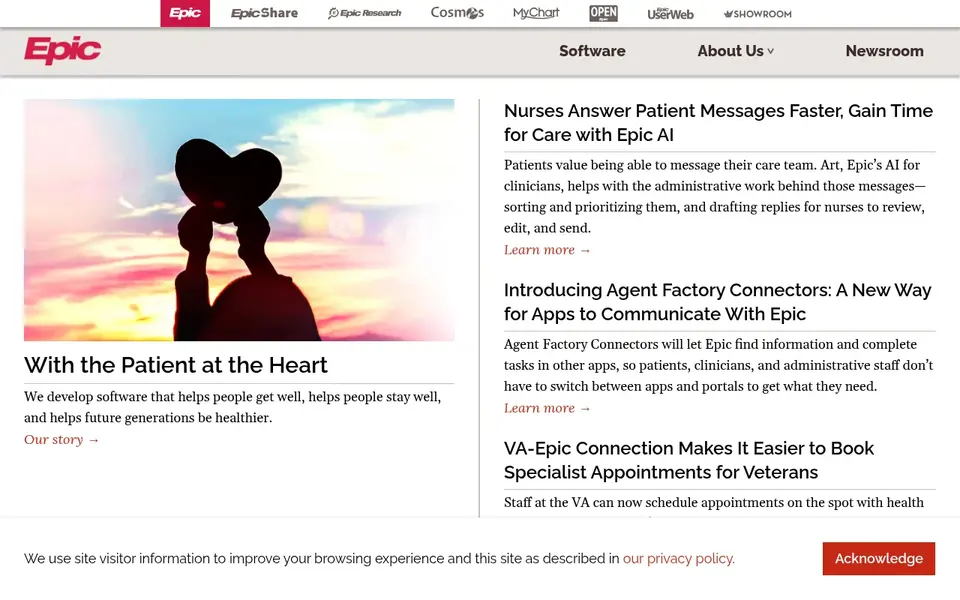
Epic Systems serves clinical workflows around the patient record. Epic develops software pitched at helping people get well and stay well, with the patient at the heart of its work.
Worth adding: organizations seeking light, standalone workflow automation may prefer a general product. Automation outside the Epic ecosystem can need separate tools and integration effort, and adopting the system is a significant organizational project. Epic Systems does not show a starting price in this comparison, so check the vendor site for current pricing. On free options: Not stated.
Drawbacks to consider: Automation choices tied to its ecosystem.
- Patient-centered clinical software
- Deep health system footprint
- Implementation is a major undertaking
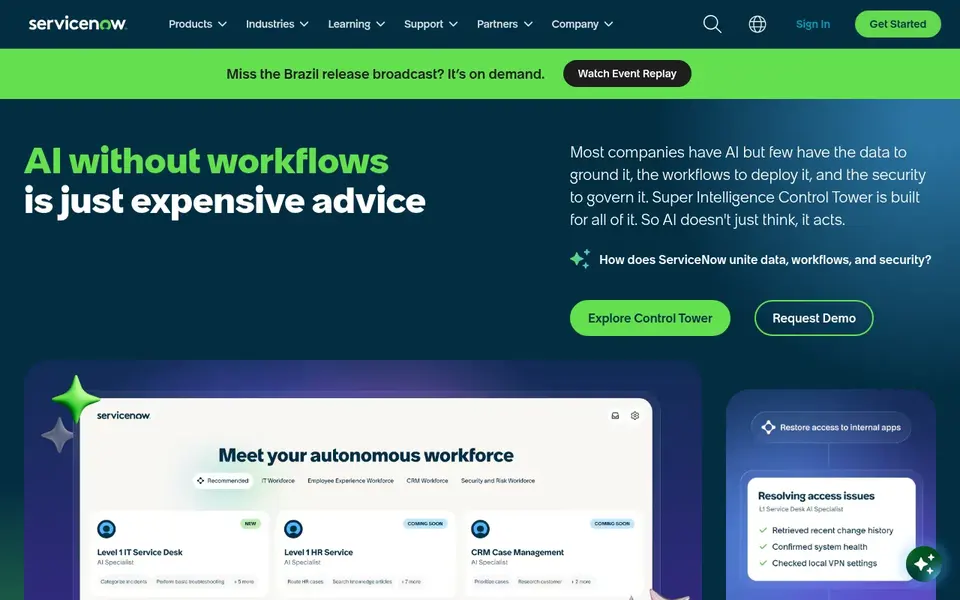
For enterprise service and request workflows, ServiceNow is a natural candidate. ServiceNow is not a clinical documentation or imaging system, so patient-facing automation still needs integration with health IT platforms.
It suits organizations that already treat service delivery as a core operational function. No starting price is listed for ServiceNow here; confirm pricing on the vendor site. On free options: Not stated.
Where it falls short: Configuration effort can be substantial.
- Simplifies workflows for employees and customers
- AI product spans the business
- Not a clinical record system
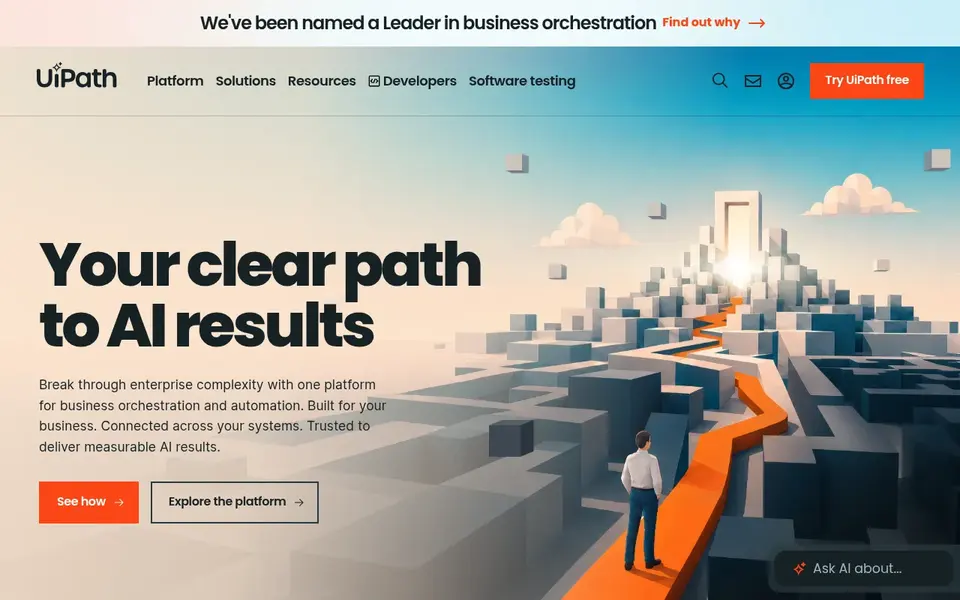
UiPath serves orchestrating agents, robots and people. UiPath presents its system for business orchestration and automation, where AI agents, robots and people work together. If your priority is a single electronic health record workflow instead of cross-enterprise orchestration, a clinical vendor may fit better.
Drawbacks to consider: Clinical depth relies on integrations.
More specifically, for healthcare organizations, that mix suits administrative back-office work for example claims handling, scheduling support and records routing. It can extend into clinical support processes where systems allow. In practice, smaller clinics may find the scope heavier than needed. On cost, UiPath starts like this: $25 per month. You can start on UiPath without paying.
- Emphasizes secure
- Merges AI agents with software robots
- Wide product needs governance planning
Nuance Communications is aimed squarely at speech and documentation workflow automation. Since Nuance is now within Microsoft, roadmap and packaging questions should be confirmed with the vendor.
Also, if you need wide robotic process automation across departments, a system for example UiPath or ServiceNow is the better starting point. No starting price is listed for Nuance Communications here; confirm pricing on the vendor site. Free options: Not stated.
Where it is weaker: Product direction tied to Microsoft.
- Security and infrastructure focus
- AI
- Scope narrower than orchestration suites
How we chose
For each of the 5 tools we noted price, free plan or trial, fit for AI workflow tools for healthcare automation and the main limit, using vendor pages and documentation. Where a price is missing, the vendor does not list one publicly or ties it to a quote. Always confirm before budgeting. We ordered the tools by general fit, then by how clearly pricing is shown, then by free access. A buyer with unusual needs may reorder them.
A buyer's checklist
- Confirm the entry price on the vendor page. For Philips Healthcare, Epic Systems, ServiceNow and Nuance Communications that means a quote rather than a fixed price.
- Test the free plan from UiPath against your real workload before relying on it.
- Before choosing Philips Healthcare, weigh its main limit: automation is embedded, not standalone.
- Ask the daily users to test ServiceNow on a live task before you roll it out to everyone.
- Check the integration list for UiPath against the tools you run today, and note which ones need a higher plan.
Frequently asked questions
Is Philips Healthcare the right pick for everyone comparing AI workflow tools for healthcare automation?
No single tool suits every team. Philips Healthcare comes first because it fits monitoring, imaging and informatics workflows, while Epic Systems suits clinical workflows around the patient record and ServiceNow suits enterprise service and request workflows. Match the tool to your own size, budget and workflow before deciding.
Which tool should a hospital start with for AI workflow automation?
UiPath fits cross-enterprise orchestration of agents and robots, whereas ServiceNow suits service and request processes. If the work lives inside the clinical record, evaluate the record vendor first.
What is the cheapest option for AI workflow tools for healthcare automation in this list?
On published monthly entry prices, UiPath is the lowest here at $25 per month. Entry price is only part of the cost, because seats, add-ons and billing terms can change the total. All 5 picks in this AI workflow tools for healthcare automation comparison list a starting price, free plan details and the main limits on their cards above.
Can I try these tools before paying?
Often, yes. UiPath has a free plan. Use your own data and a real task during the test, and check what the free tier or trial limits before you rely on it. For the full picture, the cards above cover all 5 entries of this AI workflow tools for healthcare automation list, including price, free plan and limits.
Do these tools publish their prices?
Not all of them. Philips Healthcare, Epic Systems, ServiceNow and Nuance Communications publish no starting price, so expect a quote request for those. The rest, UiPath included, show a starting price, though seats and billing terms still change the final cost.
Sources
See where you really rank - block by block
ProMapRanker scans Google Maps across a grid of your service area. Simple monthly plans from $19, white-label on every plan.
Start freeBrowse all guides
← Best AI Security Platforms for Workflows (2026)Best Open House Scheduling Software for Agents in 2026 →
 best platform for automated meeting summaries
Platform for Automated Meeting Summaries: Best Picks of 2026
6 products for the best platform for automated meeting summaries, ranked by fit, with starting costs and free tiers. Read the caveats before you buy. No filler.
Read → best order routing software for fulfillment teams
6 Best Order Routing Software for Fulfillment Teams in 2026
Weighing the best order routing software for fulfillment teams? We lined up 6 products by cost, free access and fit. Each pick lists its main limit. Facts only.
Read → best enterprise agentic workflow platform
2026 Guide to the Best Enterprise Agentic Workflow platform
Compare 5 picks for the best enterprise agentic workflow platform, with prices, free plans and who each fits. The catches are listed up front. Decide faster.
Read → best project management scheduling software
6 Best Project Management Scheduling Software Options for 2026
Need the best project management scheduling software? We compare 6 tools on cost, free access and who each suits. Real limits included. Decide faster.
Read → best law firm time tracking software
Law Firm Time Tracking Software in 2026
Weighing the best law firm time tracking software? We lined up 6 products by cost, free access and fit. Each pick comes with its main catch. Prices included.
Read → prtg alternatives
Best PRTG Alternatives in 2026
Looking for PRTG alternatives? We compare 9 network monitoring tools on price, deployment, and fit for small teams, MSPs, and large networks today. in 2026.
Read →More in Project Management & Productivity · All guides A to Z by date · Latest guides