 ProMapRanker
The Best Tool for Keyword Analysis in 2026

Key takeaways
- Ahrefs is our pick for depth, with a large keyword database plus backlink data that supports difficulty judgments.
- Semrush is the best all in one choice when keyword analysis must sit beside content, PPC and competitor work.
- Mangools and Ubersuggest are the best value starting points for small sites and solo creators.
- Google Keyword Planner remains the best free source of search volume data, but it needs a Google Ads account.
- Difficulty scores are estimates, so always check the actual search results page before targeting a keyword.
Quick comparison
| Pick | Great for | Pricing starts at | Free tier | |
|---|---|---|---|---|
 Ahrefs | Keyword depth plus backlink data | $129 per month | Yes | Visit |
 Semrush | All in one SEO and competitor research | $139 per month | Free trial | Visit |
 SE Ranking | Mid market all in one value | $129 per month | Free trial | Visit |
 Moz Pro | Beginners and authority benchmarking | $99 per month | Free trial | Visit |
 Mangools | Simple, clean keyword research | $29.90 per month | Free trial | Visit |
 Ubersuggest | Cheapest usable keyword research | $12 per month | Yes | Visit |
 Serpstat | Research, tracking and audit in one tier | $69 per month | Free trial | Visit |
 SpyFu | Competitor keyword and PPC history | $39 per month | Yes | Visit |
 Keywordtool.io | Long tail ideas from autocomplete | See website | Yes | Visit |
 LowFruits | Low competition long tail keywords | See website | Yes | Visit |
The best tools for keyword analysis
Keyword analysis software should answer three questions: what people search, how hard a keyword is to rank for, and what competitors already win. The tools below differ on database size, difficulty method and price, so the right pick depends on budget and how deep your research needs to go.
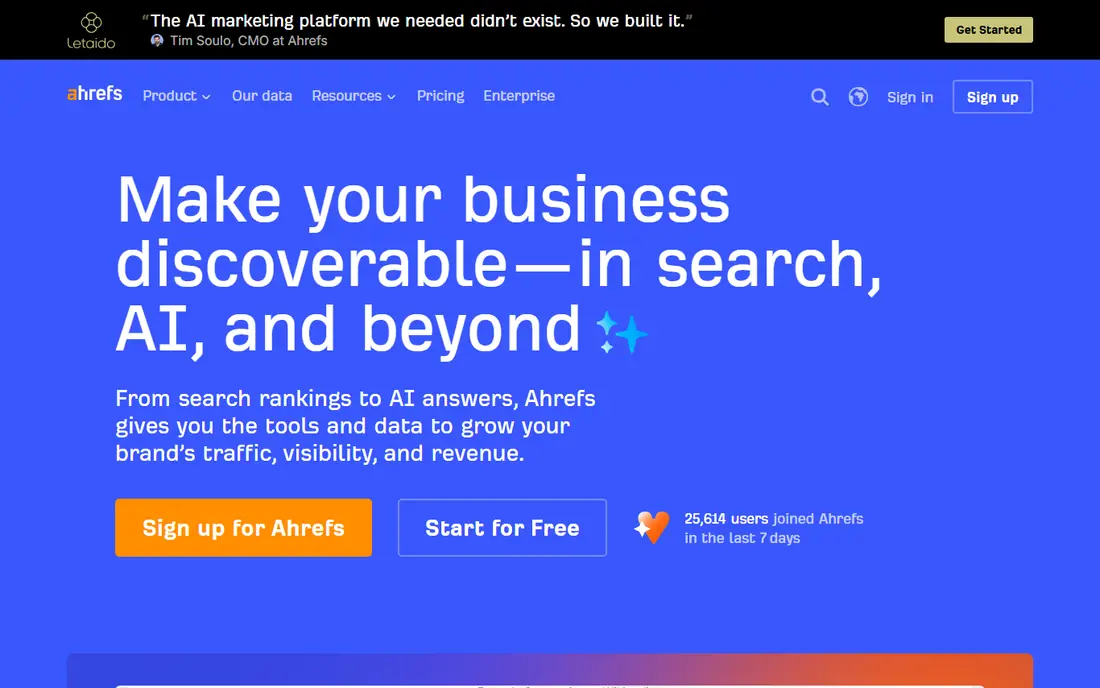
Ahrefs is the tool most SEO professionals open first for keyword analysis. Keywords Explorer gives search volume, difficulty, parent topic clustering and SERP details, while the backlink index shows what ranking pages have earned. That combination helps you judge whether a keyword is winnable, not just whether it has volume.
The free option is Ahrefs Webmaster Tools, which gives Site Explorer and site audits for your own verified sites. That is useful, but full competitor keyword research needs a paid plan. Lite starts at $129 per month, and serious agencies often move to higher tiers. For professional depth, Ahrefs remains the benchmark.
- Very large keyword database
- Trusted difficulty scores
- Strong backlink data behind SERP analysis
- Lite plan at $129 per month is steep for small sites
- Rank tracking updates weekly unless you pay extra
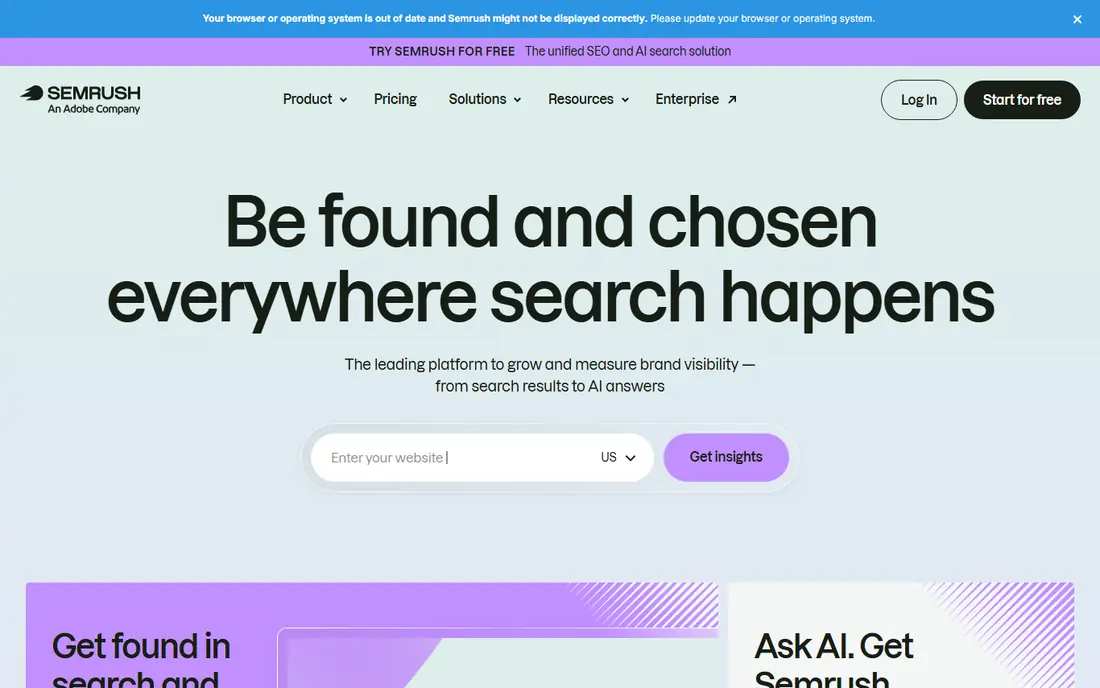
Semrush suits teams that want keyword analysis inside a complete marketing suite. Keyword Magic Tool, Keyword Overview, Keyword Gap and position tracking sit beside site audit, backlink audit and advertising research. That breadth helps when one keyword decision touches content, paid search and competitor strategy at once.
The cost and learning curve are the trade offs. Starting at $139 per month, Semrush is a professional investment, and new users need time to learn which reports matter. A free trial helps you test the workflow before paying. For agencies and growing content teams, the all in one value is hard to beat.
- Huge all in one toolkit
- Strong competitor and PPC data
- Keyword gap and intent tools
- $139 per month starting price
- Breadth can overwhelm beginners
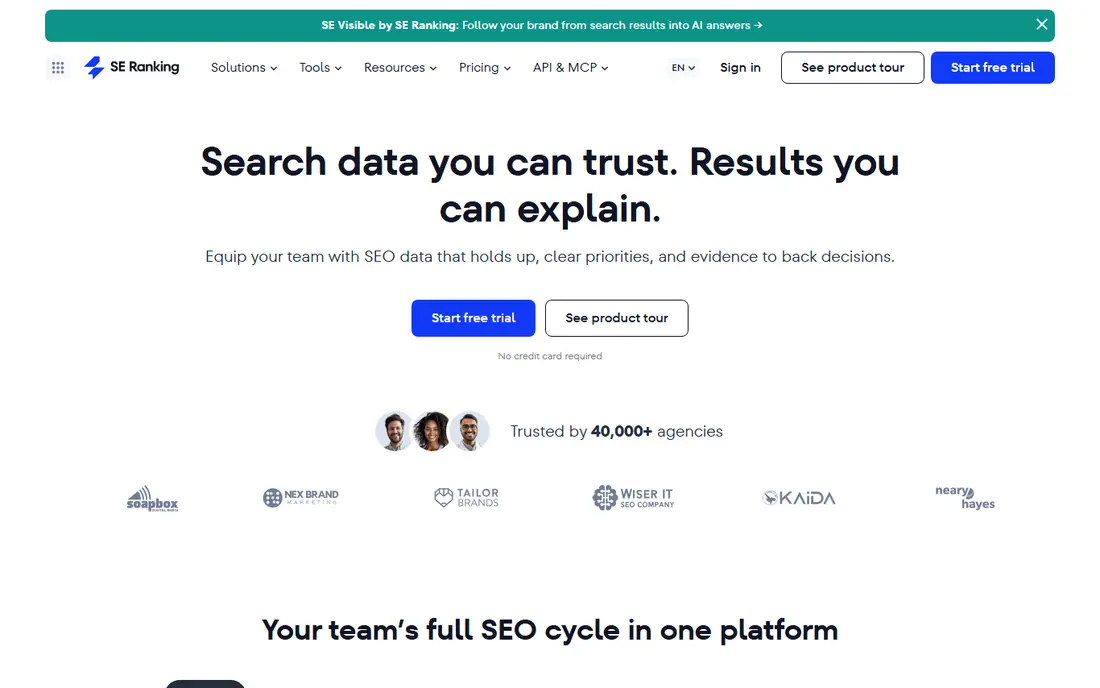
SE Ranking is a practical middle ground between budget tools and the top tier suites. It covers keyword research, rank tracking, site audit and competitor research in one platform, with reporting that agencies can share with clients. For small and mid sized teams, that bundle often covers daily SEO work without paying for two tools.
It does not match Ahrefs on backlink depth or Semrush on breadth, and power users may notice gaps in niche markets. A free trial lets you test database coverage for your own topics, which matters more than any headline keyword count. If the coverage fits your niche, SE Ranking is strong value.
- Keyword research plus tracking and audit
- Clear project pricing
- Agency friendly reporting
- Database smaller than Ahrefs or Semrush
- Advanced features sit on higher tiers
Moz Pro is a good first professional tool for teams that want clear guidance rather than raw data dumps. Keyword Explorer gives volume, difficulty, opportunity and SERP analysis in plain language, and Domain Authority gives a familiar benchmark for comparing sites. Moz learning resources also help beginners understand why a keyword is hard.
The limits are database depth and price. For large scale competitor research, Ahrefs and Semrush offer more. At $99 per month for Standard, Moz Pro suits small businesses and local teams that want a guided tool and will use tracking and audit features too, not just occasional keyword lookups.
- Clear interface for beginners
- Domain Authority benchmarking
- Helpful learning resources
- Keyword database smaller than leaders
- $99 per month is high for casual use
Mangools, built around KWFinder, is our value pick for bloggers and small site owners. The interface is clean, results load fast, and keyword difficulty, volume trends and SERP previews are easy to read. You can find long tail ideas without learning a large suite, which keeps research sessions short.
The trade off is scale. Mangools is not an agency platform with deep backlink or PPC history, and plan limits matter if you research hundreds of keywords a week. At $29.90 per month, it is one of the cheapest serious paid options, and the free trial shows whether its database covers your niche.
- Clean and fast interface
- KWFinder is easy for beginners
- Good value for solo creators
- Fewer enterprise features
- Limits on lookups per plan
Ubersuggest is the cheapest way to get usable keyword data with a paid plan. The Individual plan starts at $12 per month, and a free tier covers limited searches for casual use. Keyword ideas, volume, difficulty and top pages are presented simply, which suits beginners and small business owners.
It will not replace Ahrefs for deep competitor work, and free tier limits mean heavy users will hit caps quickly. For a first paid tool, though, Ubersuggest gives you real volume and difficulty data at a price that small sites can justify. Pair it with Google Search Console for your own site data to get more value.
- Low starting price
- Free tier for basic lookups
- Simple keyword ideas and content suggestions
- Data depth below top tier tools
- Free tier has daily limits
Serpstat bundles keyword research, rank tracking, site audit and backlink analysis from $69 per month, which makes it a strong all in one value for teams that need more than a keyword finder. Competitor domain reports show which keywords a rival ranks for, and clustering tools help turn lists into content plans.
The interface is denser than Mangools or Ubersuggest, so allow time to learn it. Data coverage also varies by country and niche, so test your own keywords during the free trial. For teams that want suite features without top tier pricing, Serpstat deserves a trial.
- Keyword research plus rank tracking and audit
- Competitor domain analysis
- Lower tier than top suites
- Interface takes learning
- Some markets have thinner data
SpyFu stands out for competitor history. It shows which keywords a competitor has ranked for and bought ads on, going back years in many cases, which helps you spot durable keywords rather than one month spikes. The Basic plan starts at $39 per month, and limited free searches let you test a domain before paying.
As a general keyword research tool, SpyFu is narrower than Semrush or Ahrefs, with less emphasis on content planning and clustering. Use it as a competitor lens beside a main research tool, or as a primary tool if competitor PPC and SEO history is your main job. The history alone often justifies the price for agencies.
- Long competitor keyword and ad history
- Limited free searches
- Clear competitor comparisons
- Less strong as a standalone content tool
- Interface feels older than rivals
Keywordtool.io is built for idea generation. It pulls autocomplete suggestions from Google and other platforms and turns one seed keyword into hundreds of long tail variations, questions and prepositions. That is useful when you have a topic but need the exact phrases people type.
The free version gives ideas without full volume, cost per click or competition data, so serious analysis needs a paid plan. Check the pricing page for current plan limits, since they change by tier. Use Keywordtool.io at the start of research to expand a list, then check volume and difficulty in Ahrefs, Semrush or another metrics tool.
- Hundreds of long tail ideas from autocomplete data
- Supports Google, YouTube and other sources
- Simple to use
- Free version lacks volume and competition data
- Paid plans needed for full metrics
LowFruits takes a different angle: it looks for keywords where top results are weak, such as forums, thin pages or sites with low authority, and flags them as winnable for smaller sites. That focus helps new blogs find topics where a good article can rank without a huge backlink profile. Plans include pay as you go credits as well as subscriptions, so check the current pricing page.
The limit is scope. LowFruits is a keyword finder, not a complete SEO suite, so you will still need tracking and audit tools elsewhere. For small sites that need early wins, though, its weak spot analysis is more actionable than a raw volume list. Start with its suggestions, then verify intent and SERP quality yourself.
- Focus on weak spots in search results
- Highlights keywords smaller sites can win
- Pay as you go options
- Narrower than all in one suites
- Not a full rank tracking platform
How we picked these
We compared official pricing pages, feature pages and public documentation for keyword research tools, and we checked which tools are actively offered in October 2026. We favored tools that give volume, difficulty and SERP context, not just idea lists, and we mixed top tier suites with budget options so small sites and agencies both have a fit. Where a price depends on billing period or tier, we used the monthly list price from recent vendor and review sources and advise checking the vendor pricing page before purchase.
How to run keyword analysis that leads to traffic
Start with intent, not volume. A keyword with high volume but the wrong intent will bring visitors who leave, while a lower volume keyword with clear buying or learning intent can bring readers who stay. Check the top results for each keyword and ask whether your page could honestly serve the same need better.
Use difficulty as a filter, not a verdict. Scores differ by vendor because they weigh backlinks, authority and content differently, so compare two tools when a keyword matters and always read the SERP yourself. Look at the strength of ranking domains, the depth of ranking content, and whether fresh or niche pages appear. Then build a short list, group related keywords into one page each, and track rankings after publishing.
Frequently asked questions
What is the best keyword analysis software?
Ahrefs is our overall pick for depth, Semrush for all in one work, and Mangools for value. The best tool depends on budget, niche and whether you need backlink, PPC or content features beside keyword data. Try a free trial with your own keywords before committing to a yearly plan.
Is there a free keyword analysis tool?
Yes. Google Keyword Planner is free with a Google Ads account, Ubersuggest and Keywordtool.io offer limited free use, and Ahrefs Webmaster Tools gives free data for your own verified sites. Free tools have limits on volume precision and competitor data, so paid tools help once research becomes regular work.
What does keyword difficulty mean?
Keyword difficulty is an estimate of how hard it is to rank on page one, usually based on the backlink strength and authority of ranking pages. Different vendors calculate it differently, so scores are not directly comparable across tools. Treat difficulty as a starting filter and confirm with a manual SERP check.
How is keyword analysis different from keyword research?
Keyword research finds what people search, while keyword analysis judges those keywords on volume, difficulty, intent and competitor strength to pick targets. Good software covers both steps: idea generation first, then analysis to choose which keywords deserve a page.
Should beginners use Ahrefs or Mangools?
Beginners on a budget should start with Mangools or Ubersuggest, because they are cheaper and easier to learn. Move to Ahrefs or Semrush when you need deeper competitor data, larger databases or agency reporting. Starting simple also helps you learn which metrics you actually use.
How often should keyword analysis be updated?
Review core keywords monthly and full topic lists each quarter, or sooner after a major site change or algorithm update. Search demand, competition and SERP features change, so a keyword that was winnable six months ago may need a stronger page today.
Sources
See where you really rank - block by block
ProMapRanker scans Google Maps across a grid of your service area. Simple monthly plans from $19, white-label on every plan.
Start freeKeep reading
 which software is best for pdf page removal
Which Software Is Best for PDF Page Removal in 2026
Find which software is best for pdf page removal, from free online tools to desktop editors, with page controls, privacy, safety, and pricing compared.
Read → when i work alternatives
Best When I Work Alternatives in 2026
Looking for when i work alternatives? We compare 8 scheduling apps for hourly teams, covering pricing, free plans, time clocks and the best fit for business.
Read → best streaming services for kids
Best Streaming Services for Kids in 2026
Find the best streaming service for kids in 2026. We compare 9 services for age ranges, parental controls, ads, downloads, and family value for US families.
Read →