 ProMapRanker
Pylon Alternatives in 2026

Key takeaways
- Pylon here means the customer support platform at pylon.com, built for B2B teams that support customers in Slack and Microsoft Teams.
- Plain and Front are the closest matches if shared channels and team collaboration matter most, while Zendesk and Freshdesk suit larger ticket volumes.
- Intercom suits chat-first teams that want AI answers inside the product, while Help Scout suits smaller teams that want a calmer inbox.
- Zoho Desk and HubSpot Service Hub make sense when you already use those ecosystems for sales or CRM work.
- Price comparisons need care, since many tools now add AI resolution fees on top of seat prices.
Quick comparison
| Pick | Great for | Pricing starts at | Free tier | |
|---|---|---|---|---|
 Zendesk | Large support teams and tickets | See website | Free trial | Visit |
 Intercom | Chat-first AI support | See website | Free trial | Visit |
 Freshdesk | Budget-friendly help desk | See website | Free trial | Visit |
 Help Scout | Simple email and chat support | See website | Free trial | Visit |
 Plain | API-first B2B support | See website | Free trial | Visit |
 Front | Collaborative shared inbox | See website | Free trial | Visit |
 Zoho Desk | Low-cost multi-channel support | See website | Yes | Visit |
 HubSpot Service Hub | CRM-linked service teams | See website | Yes | Visit |
 Salesforce Service Cloud | Enterprise CRM support | See website | Free trial | Visit |
 Hiver | Gmail-based support teams | See website | Free trial | Visit |
The best pylon alternatives
Pylon is a support platform for B2B software teams, with a focus on shared Slack and Teams channels, account context and AI triage. The alternatives below cover the same ground in different ways, from full help desks to shared inboxes built for small teams.
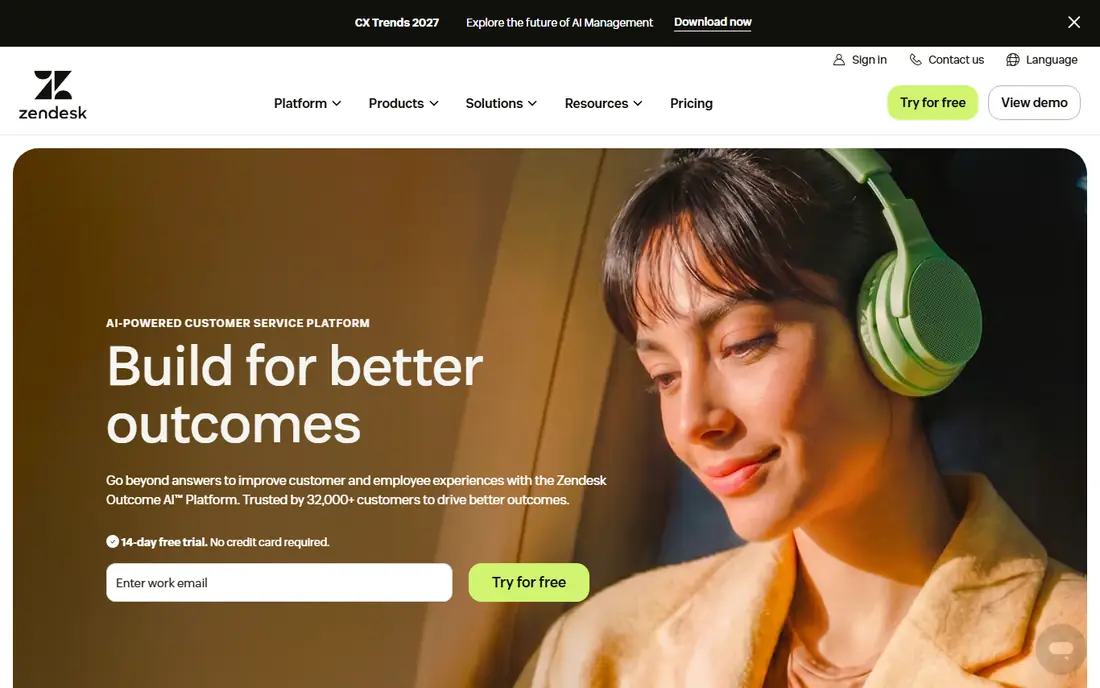
Zendesk is the default full help desk for many growing software firms. It handles email, chat, voice and social tickets in one queue, with automation rules, macros, service level agreements and reporting. If your support volume is high and your team needs structure, it gives you room to grow without switching tools soon.
The drawback is cost and complexity. Entry seats are only part of the bill once AI copilot and AI resolution charges are added, so price the whole stack for your ticket volume. Small B2B teams that mainly work in Slack may find it more formal than they need.
- Wide channel and app ecosystem
- Strong ticketing, automation and reporting
- Scales to large teams
- Costs rise fast with AI add-ons
- Setup can feel heavy for a small team
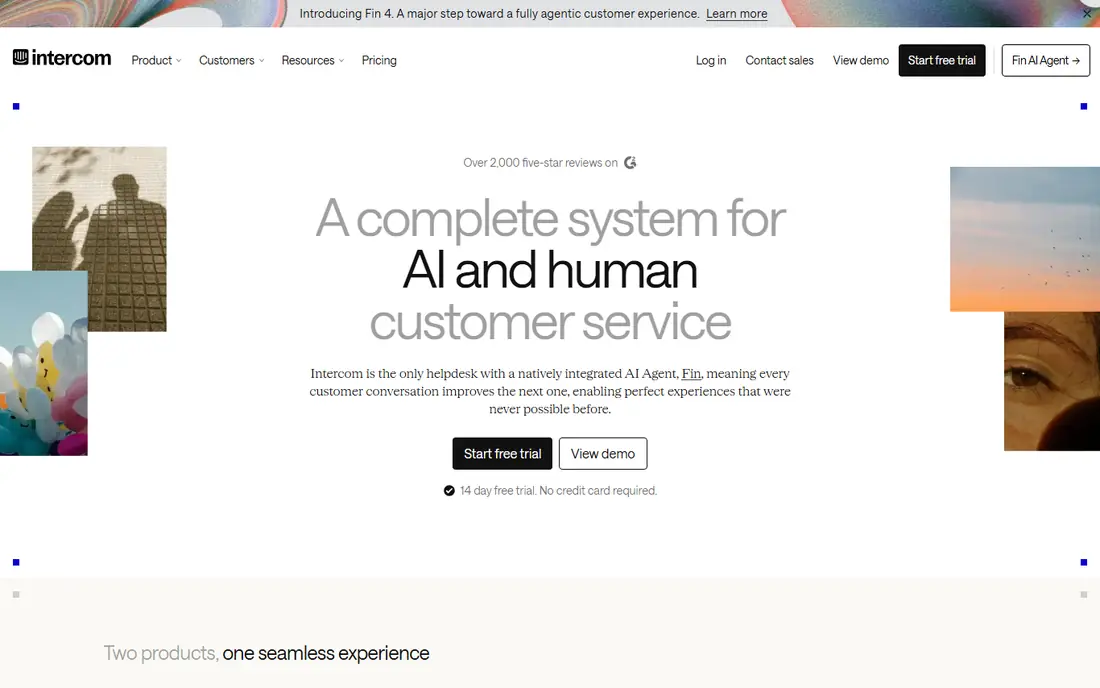
Intercom suits teams that support customers inside their own product. Its Fin AI agent can answer common questions, hand over to a human with context, and work across chat, email and messaging channels. Product teams also use it for onboarding messages and announcements, which keeps support and product contact in one place.
The catch is the pricing model. Seats plus per-resolution AI charges mean a busy month costs more than a quiet one, so model your expected AI resolutions before you commit. For chat-led SaaS support, though, it remains one of the strongest Pylon alternatives.
- Strong in-product chat and AI answers
- Good onboarding and product messaging
- Wide integrations
- AI resolution fees add up
- Seat plus usage pricing needs careful forecasting
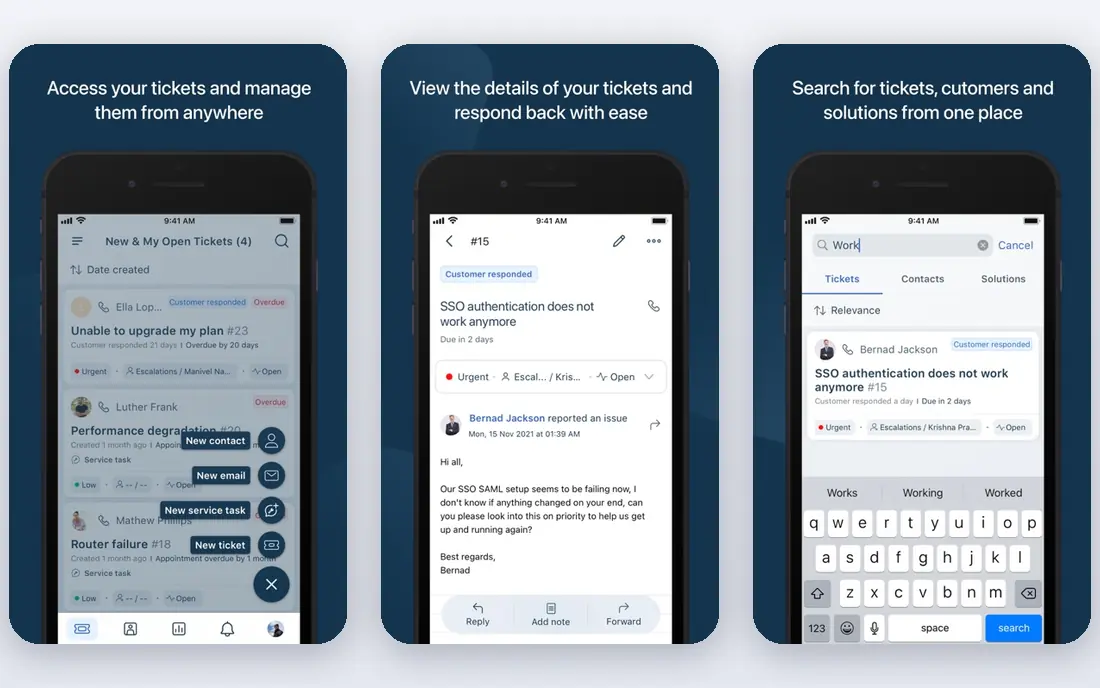
Freshdesk, from Freshworks, gives small and mid-size teams a familiar help desk at a lower starting point than Zendesk. Tickets, email, chat, phone and social channels feed one queue, with automations, canned replies and a customer portal. It is a sensible pick when you need structure without an enterprise budget.
Its limits show as you scale. AI assistance and deeper analytics cost more, and teams that live in Slack channels may miss Pylon style shared-channel depth. Still, for ticket-based support with a clear budget, Freshdesk is hard to beat on value.
- Lower entry cost than many rivals
- Clear ticketing and automation
- Freddy AI tools on higher plans
- AI copilot costs extra
- Some advanced reporting sits in higher tiers
Help Scout is built around a shared inbox that feels like email, not a complex ticket system. Support staff can collaborate on replies, use saved replies, and keep customer history in view. That simplicity helps small teams reply fast without training everyone on a large platform.
Larger B2B teams may find its workflow and reporting limits sooner than with Zendesk or Salesforce. It also charges separately for some AI answer use, so check that cost if deflection is a main goal. For personal, human support at modest scale, it is a strong choice.
- Clean, calm inbox design
- Good for small teams
- AI drafts and summaries on higher plans
- Less depth for complex enterprise workflows
- AI answer pricing is separate
Plain is one of the closest modern matches to Pylon. It is designed for B2B support, with customer tiers, Slack channels, threads and a developer-friendly API. Support teams can see account context, link issues to product work, and keep conversations organized without a maze of ticket fields.
The trade-off is ecosystem size. You will find fewer ready-made marketplace apps than with Zendesk or Freshdesk, and you may need API work for unusual workflows. If your team is technical and B2B focused, Plain feels made for that job.
- Built for B2B software teams
- Strong API and Slack support
- Modern, fast interface
- Smaller app ecosystem than Zendesk
- Pricing can rise with AI use
Front turns email and messaging into a shared workspace where teammates can assign, comment on and track conversations. That suits support teams that also handle sales, success and operations mail in the same place. Internal comments keep context with the message, so customers do not get asked the same question twice.
Front is less of a classic ticket system than Zendesk, so teams that need strict service level reporting may need to build it with rules and integrations. For B2B teams that value collaboration over ticket rigidity, it is a practical Pylon alternative.
- Strong shared inbox collaboration
- Email, chat and social in one place
- Good assignment and rules
- AI features are add-ons on some plans
- Can cost more as team size grows
Zoho Desk covers email, chat, phone and social tickets at a price that suits budget-conscious teams. A free plan for up to three agents helps very small teams start, and paid plans add automation, multi-brand support and AI help. If you already use Zoho CRM or other Zoho apps, the shared customer data is a real plus.
The interface and some workflows feel more traditional than Plain or Intercom, and Slack-native B2B support is not its main strength. For cost control and solid ticketing, though, Zoho Desk remains a reliable option.
- Low entry cost
- Free plan for small teams
- Zia AI assistance on higher plans
- Interface feels less modern than some rivals
- Best value inside the Zoho ecosystem
HubSpot Service Hub suits teams that already run sales and marketing in HubSpot. Tickets sit next to contact and company records, so support staff can see deals, history and past conversations without switching systems. Free tools cover basic ticketing and live chat, which helps small teams test the fit.
Paid plans add automation, service level tools, customer feedback and AI features, and costs rise with seats and onboarding. If you do not use HubSpot CRM, much of the value fades, and a standalone help desk may be simpler. Inside HubSpot, it is a natural Pylon alternative.
- Free tools to start
- Tickets linked to CRM records
- Good knowledge base and feedback tools
- Full features need paid tiers
- Onboarding fees can apply on higher plans
Salesforce Service Cloud is the enterprise choice for support inside Salesforce. Cases, knowledge, chat, voice and field service can run from the same CRM data, with automation and AI tools for routing and replies. Large firms with complex service processes and strict reporting needs will find depth here that smaller tools lack.
That depth comes with cost and setup time. Small B2B teams may find it heavy, and pricing depends on edition and add-ons. Choose it when CRM integration and enterprise scale matter more than a quick, light setup.
- Deep CRM and case automation
- Strong enterprise scale and reporting
- Large partner ecosystem
- Higher cost and longer setup
- Needs admin skill to get the best from it
Hiver is a shared inbox built on Gmail, so teams that already live in Google Workspace can start fast. Staff share inboxes, assign mail, add notes, set service levels and track replies without learning a separate help desk. It also adds chat and AI tools on higher plans.
The limit is clear: it is tied to Gmail, so teams on Outlook or other mail systems should look elsewhere. For Gmail-based B2B support, especially for smaller teams moving from shared mailboxes, Hiver is a low-friction Pylon alternative.
- Works inside Gmail
- Easy shared inbox setup
- Automation and analytics for email teams
- Gmail dependent
- Less suited to teams that do not use Google Workspace
How we picked these
We compared official pricing pages, product documentation and public feature lists for support tools that serve B2B software teams in October 2026. We focused on shared channels, ticketing, chat, AI assistance and CRM links, since those are the areas where Pylon buyers compare tools. We excluded tools that only offer a single channel, and we mixed full help desks with shared inboxes so teams of different sizes can compare like with like.
What to check before you choose
Start by mapping where your customers actually reach you. If most support happens in Slack or Teams channels, favor Plain, Front or a tool with strong shared-channel support, and test that flow with a real customer channel. If most contact comes by email and chat tickets, a full help desk such as Zendesk or Freshdesk may fit better.
Price the full month, not just the seat. Ask each vendor how AI answers, AI copilot seats and extra channels are charged, and estimate those costs from your last three months of ticket volume. Also test migration: ticket history, customer fields and macros rarely move cleanly, so ask about import tools and cutover help before you sign.
Trials that tell the truth
Run a trial with real tickets, not demo data. Give two agents a week of live work, check reply speed, search quality and reporting, and ask customers if replies felt clear. A tool that looks tidy in a demo can still slow a team down if routing, search or Slack handling does not match your daily work.
Frequently asked questions
What is Pylon?
Pylon is a customer support platform for B2B software teams, known for support in shared Slack and Microsoft Teams channels, account context and AI triage. This article compares alternatives to that Pylon platform.
Which Pylon alternative is best for Slack support?
Plain is a strong match for B2B Slack support, with shared channels and account context built in. Front also handles shared inboxes well, while Zendesk and Intercom offer Slack options through integrations and add-ons.
Is there a free Pylon alternative?
Zoho Desk offers a free plan for small teams, and HubSpot Service Hub offers free service tools. Most other tools here offer a free trial rather than a free plan, so check trial length and limits before you start.
How much does a Pylon alternative cost?
Seat prices vary widely, and AI charges can add a large share to the bill. Use the vendor pricing page and your ticket volume to model the total, including AI resolution fees, rather than comparing seat prices alone.
Can I migrate tickets from Pylon to a new tool?
Most major help desks offer import tools or partner help for ticket history, but field mapping and Slack thread history need care. Ask the new vendor for a migration plan and test it with a sample before full cutover.
Do I need a full help desk or just a shared inbox?
Choose a full help desk when ticket volume, service levels and reporting matter most. Choose a shared inbox such as Front or Hiver when team collaboration on email and chat is the main job and strict ticket workflows are less important.
Sources
See where you really rank - block by block
ProMapRanker scans Google Maps across a grid of your service area. Simple monthly plans from $19, white-label on every plan.
Start freeKeep reading
 wpforms alternatives
Best WPForms Alternatives in 2026
We compare 9 wpforms alternatives for WordPress forms, with free and paid options, current pricing notes, and honest limits for small business sites in 2026.
Read → windows task scheduler alternatives
Best Windows Task Scheduler Alternatives in 2026
Looking for Windows Task Scheduler alternatives? We compare 9 schedulers for Windows and cross-platform work, from free tools to enterprise automation.
Read → which ai video service is best
Which AI Video Service Is Best in 2026
which ai video service is best? We compare 10 legitimate AI video services on price, avatars, editing and output quality to help you pick the right tool.
Read →