 ProMapRanker
Best Product Hunt Alternatives in 2026

Key takeaways
- BetaList suits pre-launch products that need early adopters, while Hacker News Show HN suits technical products with a strong story.
- Indie Hackers suits long-term community building, not just a single launch day, and rewards founders who share progress often.
- Uneed, TinyLaunch, Fazier, and Launching Next offer lower competition daily or weekly boards with paid fast-track options.
- Peerlist Launchpad suits makers with a developer or design audience, while AlternativeTo suits long-term discovery after launch.
- Launch on one main platform with full effort, and use the others for staggered follow-up, rather than splitting launch day across many boards.
Quick comparison
| Pick | Great for | Pricing starts at | Free tier | |
|---|---|---|---|---|
 BetaList | Pre-launch early adopters | See website | No | Visit |
 Hacker News | Technical product launches | Free | Yes | Visit |
 Indie Hackers | Community building | Free | Yes | Visit |
 Uneed | Daily indie launches | Free | Yes | Visit |
 Peerlist Launchpad | Developer and design makers | Free | Yes | Visit |
 Launching Next | Pre-launch startups | Free | Yes | Visit |
 TinyLaunch | Weekly low competition launches | Free | Yes | Visit |
 Fazier | Daily discovery launches | Free | Yes | Visit |
 AlternativeTo | Long-term product discovery | Free | Yes | Visit |
The best product hunt alternatives
We compared launch platforms on audience, launch rhythm, free access, paid options, and how long a listing keeps bringing traffic. Product Hunt has the largest mainstream audience, but also the highest competition, so the tools below suit founders who want earlier feedback, a technical audience, or a calmer launch day. We do not list Product Hunt itself in its own alternatives article.
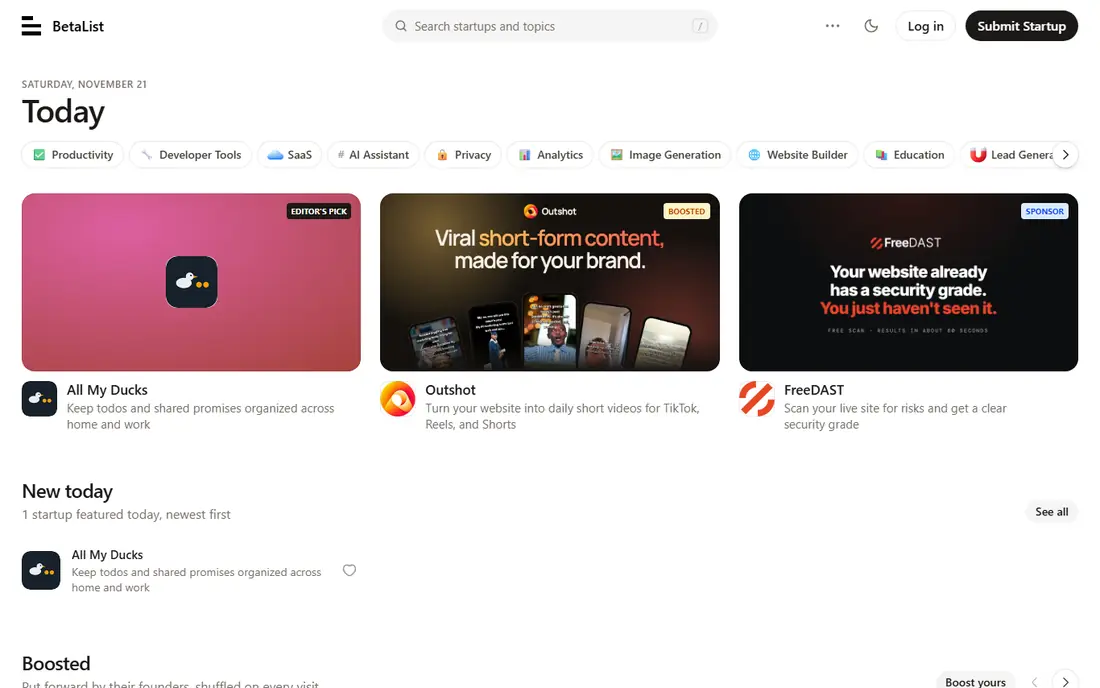
BetaList is the classic pre-launch platform. Founders submit a landing page before launch, and selected startups appear to an audience of early adopters who are used to trying unfinished products. That fit makes it useful for collecting email signups, finding beta testers, and testing messaging before a public launch. A clear landing page with a single signup action works best here.
The trade-off is cost and timing. Submissions are paid, with a refund if the product is not selected, and editorial review means you cannot pick an exact launch day for free. BetaList fits best for pre-launch products with a working landing page and a clear beta offer, rather than for finished products that need a launch-day spike.
- Curated pre-launch audience
- Early adopters who expect unfinished products
- Email signup focus for beta lists
- Submissions are paid and refunded only if not selected
- Launched products can look out of place
- Editorial review takes time
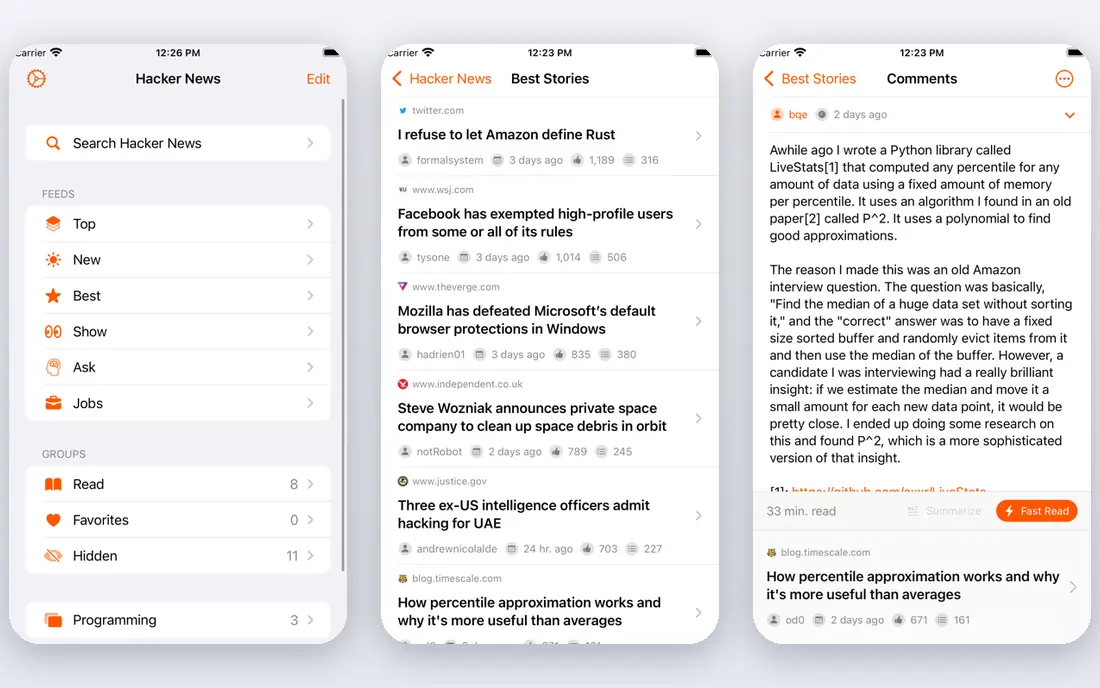
Hacker News, through Show HN, is the highest variance launch option on this list. A good technical post can reach thousands of developers, founders, and early users in a few hours, with comments that point out real flaws fast. A weak or overly promotional post can sink just as fast, with little traffic to show for it. The audience values technical depth, a clear problem, and an honest write-up over polished marketing.
It fits best for developer tools, open source projects, and technical products with a story worth reading. Prepare a short, plain post, answer comments promptly, and do not treat Hacker News as a place to drop a link and leave. That engagement is what turns a post into useful feedback.
- Free to post
- Large technical audience
- Show HN posts can bring strong, honest feedback
- Very high variance
- Blunt comments
- No paid boost to rescue a weak post
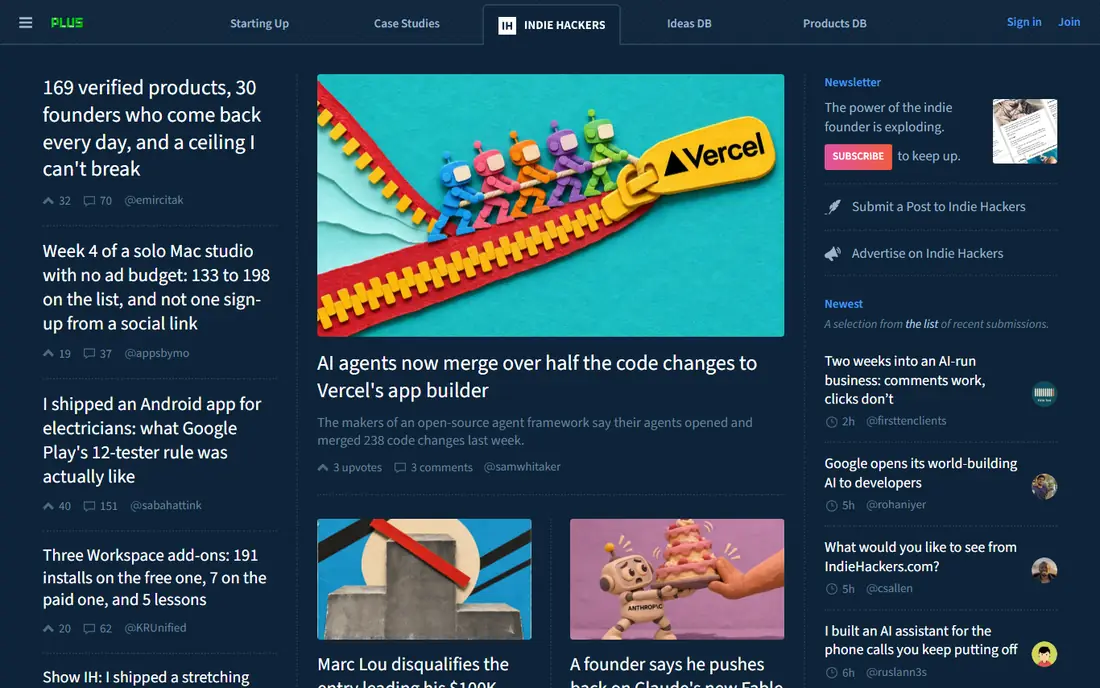
Indie Hackers works differently from a daily leaderboard. Founders share progress, revenue, setbacks, and lessons in posts and milestones, and the community responds with questions and advice. A product page and regular updates can bring steady traffic over months, especially for bootstrapped SaaS and indie tools. The best results come from founders who help others, not only from those who post a launch link once.
It fits best as a long-term channel alongside a launch board. Start posting while you build, share real numbers where you can, and link to your product in context. A single drive-by launch post will do little, while a steady build story can bring users for a long time.
- Free community for founders
- Build-in-public posts and milestones
- Long-term traffic from useful posts
- No single launch-day spike like a daily board
- Value comes from regular posting
- Paid membership is not a launch product
Uneed is a daily launch board for indie makers and design-led products. Free listings join a queue, while paid options speed up the date or let you pick a launch day. That structure suits founders who want a planned launch date without competing against dozens of large, well-funded products on the same day. A clean product page, screenshots, and a short description matter more here than a large social following.
The free queue is the main drawback, since it can stretch for months at busy times. Paid fast-track options solve that, but they add cost. Uneed fits best for indie products that are ready to launch, have a clear value statement, and want a calmer daily board with a real chance to rank.
- Daily board for indie products
- Free listing with a queue
- Paid fast-track and skip-the-line options
- Free queue can run for months
- Link benefits depend on upvote score
- Smaller audience than large boards
Peerlist Launchpad runs weekly launches for makers with a Peerlist profile. That audience leans toward developers, designers, and product builders, which makes it a good fit for dev tools, design tools, and portfolio-style products. A verified profile, a clear project page, and real work samples help a launch stand out more than marketing copy alone.
General consumer products may find the audience too narrow, and the weekly rhythm means a missed week costs seven days. Peerlist fits best for makers who already share work on Peerlist, or who build for a technical and design audience and want feedback from peers.
- Free weekly launches
- Audience of developers and designers
- Profile and project pages support discovery
- Audience is narrower than general boards
- Top weekly spots are competitive
- Less suited to non-technical products
Launching Next suits startups that are still pre-launch or newly launched and want a permanent listing plus early visibility. Founders can submit a product, describe the problem it solves, and collect interest before a full launch. The paid fast-track option moves a listing earlier, which helps teams with a fixed launch window.
It does not offer the same one-day spike as a daily leaderboard, so treat it as a discovery and signup channel rather than a launch-day engine. Launching Next fits best as an early step: list the product, gather signups, then launch on a larger board when you have testimonials and a polished page.
- Free listings for startups
- Permanent directory presence
- Paid fast-track option for earlier visibility
- Smaller launch-day spike than daily boards
- Directory traffic builds slowly
- Listing quality varies
TinyLaunch is a weekly board aimed at indie makers and first-time launchers. The lower competition makes it easier for a small product to rank, get feedback, and gain a first set of users without a large audience behind it. A premium launch option adds visibility and link benefits for founders who want a stronger result.
The audience is smaller than Hacker News or a large daily board, so total traffic will be lower even for a top product. TinyLaunch fits best for a first launch, a side project, or a micro-SaaS product that needs friendly feedback and a manageable launch week.
- Free weekly launches
- Low competition for first-time founders
- Paid premium launch for extra visibility
- Smaller audience than large boards
- Free queue can delay the launch week
- Backlink benefits favor top products
Fazier is a daily discovery board that positions itself as a less crowded place to launch. Free listings go through review, while paid tiers offer stronger visibility and link benefits, including guaranteed placement for top tiers. That mix suits design-led and indie products that want a daily ranking without facing the largest launch-day competition.
Free listings need patience and must meet the site's requirements, such as linking back to Fazier in some cases. Fazier fits best for founders who want a daily board, are willing to follow the listing rules, and want a realistic chance to rank on launch day.
- Daily board with less crowding
- Free listing with review
- Paid tiers for guaranteed visibility and links
- Free listing has extra requirements
- Smaller audience than the largest boards
- Paid tiers add cost for a small launch
AlternativeTo is not a launch board, and that is why it belongs here. People visit it when they already know a product and want a replacement, so a listing there can bring steady, intent-driven traffic for months after launch. It works best once your product has a clear set of competitors, a good description, and a few user reviews or likes to support the listing.
It will not replace a launch day, since visitors arrive one search at a time rather than in a spike. AlternativeTo fits best as a post-launch step: after your main launch, claim the listing, describe the product plainly, and keep it updated as features change.
- Free listings
- Long-term traffic from people searching for alternatives
- Useful once competitors are known
- Not a launch-day spike channel
- Needs a clear competitor set to rank
- Listing alone brings little traffic without reviews
How we picked these
We compared official platform pages and launch guides in October 2026, and we favored platforms that are live, accept new products, and offer a free listing or a clear paid option. We left out closed boards, boards with no recent launches, and directories that only list products without a launch or discovery function. Where a platform does not publish a clear entry price, we wrote See website rather than guessing.
How to plan a launch across several platforms
Pick one main platform for launch week and give it your full effort: polished screenshots, a short demo video if the platform supports it, a clear first sentence, and time to answer comments all day. Use the other platforms in a staggered order, not all on the same day, so each launch gets its own feedback and traffic.
Match the platform to the product stage
Pre-launch products belong on BetaList and Launching Next, where early adopters expect unfinished work. Live technical products belong on Hacker News and Peerlist, where the audience can judge the build. Finished indie products belong on Uneed, TinyLaunch, and Fazier, where a daily or weekly ranking is realistic. After launch, add AlternativeTo and Indie Hackers for steady discovery.
Prepare assets before you submit
Write a one-sentence problem statement, a three-sentence product description, and a list of three concrete benefits. Prepare screenshots that show the product in use, not only a landing page hero image. Check each platform's rules on links, badges, and launch timing before you submit, since a rejected listing can cost you a week.
Frequently asked questions
What are the best product hunt alternatives?
BetaList, Hacker News Show HN, Indie Hackers, Uneed, Peerlist Launchpad, Launching Next, TinyLaunch, Fazier, and AlternativeTo are the strongest options. BetaList suits pre-launch products, Hacker News suits technical products, and Uneed, TinyLaunch, and Fazier suit calmer daily or weekly launches.
Is there a free alternative to Product Hunt?
Yes. Hacker News, Indie Hackers, Peerlist Launchpad, Launching Next, TinyLaunch, Fazier, and AlternativeTo all offer free listings, and Uneed offers a free queue. Free listings may take longer to appear, and some platforms offer paid fast-track options if you need a fixed date.
Which platform is best for a pre-launch product?
BetaList is the strongest pre-launch platform, since its audience expects unfinished products and signs up for beta access. Launching Next is a good free complement for a permanent pre-launch listing. Save a large daily board for the live launch, when you have testimonials and a polished product page.
Should I launch on many platforms at once?
No, not on the same day. Pick one main platform, focus your effort and audience there, and stagger the others over following weeks. A split launch gives each platform less attention, weaker comments, and less useful feedback than a focused launch.
Do launch platforms help with long-term traffic?
Some do. AlternativeTo and Indie Hackers can bring steady traffic for months, while daily boards mainly bring a launch-day spike. After launch, keep listings updated, answer comments, and add your product to relevant directories for lasting discovery.
Sources
See where you really rank - block by block
ProMapRanker scans Google Maps across a grid of your service area. Simple monthly plans from $19, white-label on every plan.
Start freeKeep reading
 wpforms alternatives
Best WPForms Alternatives in 2026
We compare 9 wpforms alternatives for WordPress forms, with free and paid options, current pricing notes, and honest limits for small business sites in 2026.
Read → windows task scheduler alternatives
Best Windows Task Scheduler Alternatives in 2026
Looking for Windows Task Scheduler alternatives? We compare 9 schedulers for Windows and cross-platform work, from free tools to enterprise automation.
Read → which ai video service is best
Which AI Video Service Is Best in 2026
which ai video service is best? We compare 10 legitimate AI video services on price, avatars, editing and output quality to help you pick the right tool.
Read →