 ProMapRanker
Best Craigslist Alternatives in 2026


Local furniture and bulky items · Pricing starts at: Free
Key takeaways
- Local pickup on Facebook Marketplace and OfferUp is free, while shipped sales usually carry a percentage fee, so the cheapest option depends on how the item moves.
- Specialised marketplaces often sell a narrow category faster than a general classifieds site, even when the fee is higher.
- For clothing, Poshmark and Depop take very different cuts, so check the fee on your exact sale price before you list.
- Safety habits matter more than the platform badge: meet in public, inspect before paying, and keep payment inside the app for shipped orders.
- If you want the widest buyer pool for an unusual item, eBay is still hard to beat, despite its higher final value fee.
Quick comparison
| Pick | Great for | Pricing starts at | Free tier | |
|---|---|---|---|---|
| Facebook Marketplace | Local furniture and bulky items | Free | Yes | Visit |
 OfferUp | Fast local sales | Free | Yes | Visit |
 Nextdoor | Selling to neighbours | Free | Yes | Visit |
 eBay | Almost anything, shipped nationwide | Free | Yes | Visit |
 Mercari | Small household items by post | Free | Yes | Visit |
 Poshmark | Brand-name clothing | Free | Yes | Visit |
 Depop | Vintage and streetwear fashion | Free | Yes | Visit |
 Swappa | Used phones and laptops | Free | Yes | Visit |
 Reverb | Guitars and music gear | Free | Yes | Visit |
 Etsy | Handmade and vintage goods | Free | Yes | Visit |
The best craigslist alternatives
These picks cover local sales, shipped sales, fashion, tech and handmade goods. We compared official fee pages, listing rules, app store listings and public reviews, and we kept the focus on platforms that are active in the United States in October 2026.
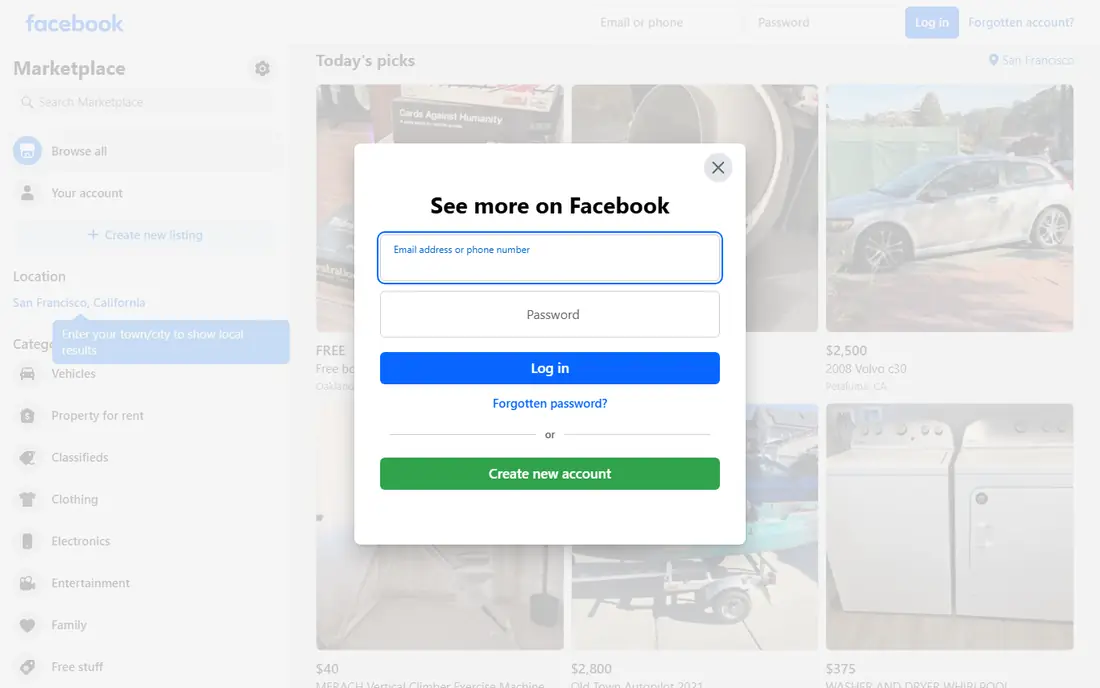
Facebook Marketplace works best when the item is too large or too awkward to post. Sofas, appliances, bikes and garden tools find local buyers quickly, and a seller who prices fairly and answers messages promptly will usually get interest within a day. The audience is the main draw, since many buyers check the app out of habit rather than searching for one item.
The catch is that local cash sales sit outside any protection scheme. Meet in a public place, preferably in daylight, bring someone with you for larger items, and inspect the item before money changes hands. For shipped orders, use the built-in checkout instead of an outside payment link, since that is what triggers the published 10 percent selling fee and the related purchase protection.
- Huge local audience
- Free local pickup sales
- Built-in checkout for shipped items
- Scam messages are common
- No buyer protection on local cash deals
- Requires a Facebook account
OfferUp feels more like a shop than a social feed, and that focus suits sellers who want a clean listing and a quick local handoff. Categories cover general household goods, electronics, furniture and vehicles, and the app includes messaging, offers and a profile system that helps buyers judge a seller. TruYou verification, which pairs identity checks with a selfie, gives cautious buyers one more reason to trust a listing.
Since shipping ended in October 2025, OfferUp is now a local-only choice, so it will not suit a seller who wants to reach buyers nationwide. That limit is also its strength for furniture and other heavy items, because there is no postage to eat into the price. Meet in public, confirm the price in the app before you travel, and do not share verification codes with anyone.
- Dedicated buying and selling app
- Identity verification options
- Free in-person sales
- Smaller audience than Facebook in many areas
- Shipping ended in October 2025
- Promoted listings cost extra
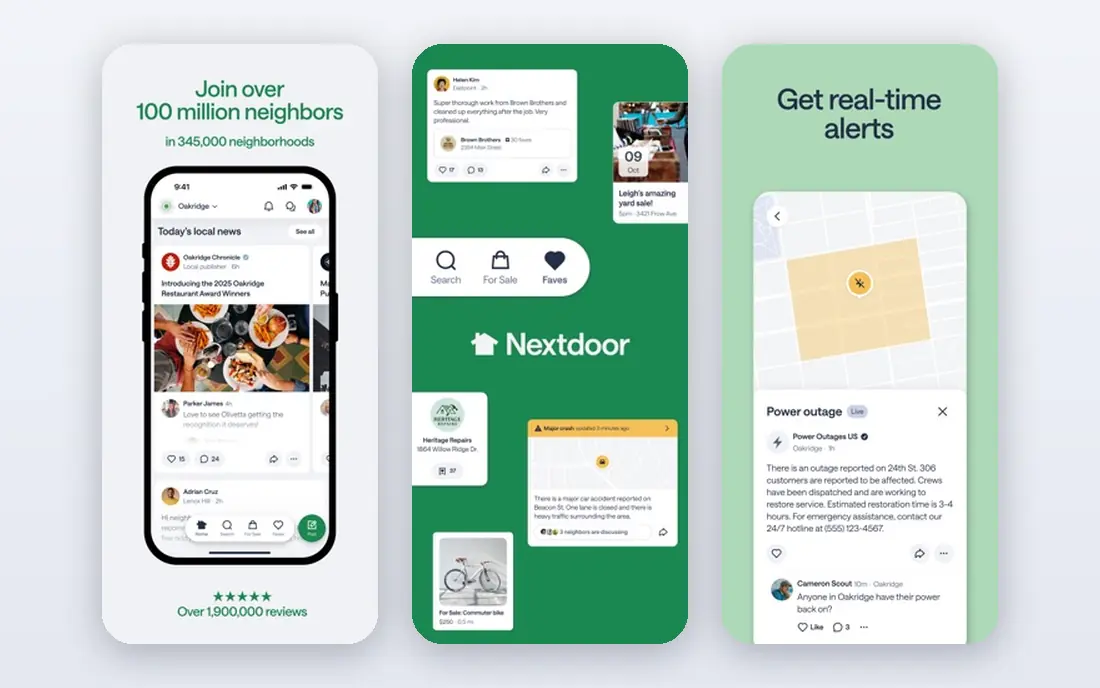
Nextdoor suits the seller who would rather hand an item to someone two streets away than pack it for post. The For Sale section sits inside a neighbourhood network, so buyers often recognise street names and local landmarks, and that familiarity can make a first sale feel less risky. It works well for garden tools, baby gear, small furniture and anything a neighbour might collect the same day.
The trade-off is reach. A niche item may sit unsold for weeks if no one nearby wants it, and there is no shipped checkout to widen the pool. Payment is normally arranged between buyer and seller, so use cash or a payment method you trust, meet in a visible place, and keep the conversation inside the app until the handoff is agreed.
- Very local audience
- Free listings
- Neighbours can vouch for sellers through profiles
- Small buyer pool per area
- No built-in payment protection
- Limited to local pickup in practice
eBay remains the default when an item is unusual, collectible or valuable enough to justify postage. A rare camera lens, a discontinued part or a signed item can reach buyers across the country, and sold listings give a realistic sense of what similar items actually fetched. Fixed-price listings suit everyday goods, while auctions suit items where demand is uncertain.
Fees are the honest downside. In most categories the final value fee is 13.6 percent of the total sale amount, plus 0.30 dollars on orders of 10 dollars or less and 0.40 dollars above that, and category rates vary. Photograph flaws clearly, state the condition in plain words, and weigh the item before you set postage, since undercharging for shipping is a common beginner loss.
- Very large buyer pool
- Auction and fixed-price formats
- Managed payments and seller protections
- Final value fee of 13.6 percent in most categories plus a per-order fee
- Returns can be costly
- Listing well takes time
Mercari is a good middle ground for sellers who want to post small items without learning a complex seller dashboard. Listing takes a few photos and a short description, and prepaid labels remove the trip to the post office with a scale. Clothes, small electronics, books, toys and home goods all move steadily when priced near recent sold prices.
The 10 percent seller fee is simple to understand, but it applies to the item price plus any shipping the buyer paid, so the total cut grows on heavier parcels. Price with that in mind, and choose the prepaid label option when you are unsure of postage. Buyers rate sellers after delivery, so pack carefully and describe wear honestly to protect that rating.
- Simple listing flow
- Prepaid shipping labels
- 10 percent seller fee with no separate processing fee
- Fee applies to item price plus buyer-paid shipping
- Buyer pool is smaller than eBay
- Returns follow platform rules
Poshmark rewards sellers who treat a closet clear-out like a small shop. Sharing listings, joining themed parties and following other sellers all push items in front of fashion buyers, and brand-name pieces tend to sell faster here than on a general site. The buyer pays for the standard prepaid label, which removes one variable from the maths.
The fee is steep compared with general marketplaces. Sales of 15 dollars or more carry a 20 percent commission, while sales below 15 dollars carry a flat 2.95 dollar fee, so low-priced items leave little profit. That structure suits mid-priced and higher brand pieces, and it punishes bulk listings of very cheap clothing. Measure items, note flaws, and price to leave room for offers.
- Fashion-focused buyers
- Buyer pays for the standard shipping label
- Social sharing boosts visibility
- 20 percent fee on sales of 15 dollars or more
- Flat 2.95 dollar fee below 15 dollars
- Fashion only
Depop has become the cheaper fashion option for many United States sellers, since it charges no selling fee and only payment processing of 3.3 percent plus 0.45 dollars on the item, shipping and tax. On a 50 dollar sale that leaves far more in the seller's pocket than Poshmark's 20 percent cut. The audience leans young and trend-driven, so vintage denim, band tees, streetwear and one-off pieces do well.
That audience is also picky about photos and style. Listings with flat, dim photos tend to sit, while styled shots and clear measurements move faster. Boosted listings cost an extra 12 percent of the item price, so use boosts sparingly and only on items with enough margin to absorb the charge. As with any shipped sale, keep payment inside the platform.
- No selling fee for United States sellers
- Strong vintage and streetwear audience
- Simple mobile listings
- Payment processing of 3.3 percent plus 0.45 dollars per order
- Boosted listings add 12 percent
- Fashion only
Swappa is built for one job, and that focus shows in its rules. Phones and laptops must be fully functional, not blacklisted and accurately described, and listings that fall short are held back. For buyers that discipline is reassuring, and for sellers it means fewer disputes about a device that was listed as working. The seller fee is around 3 percent plus processing, which is far lower than general marketplace rates.
The narrow scope is the limit. If you want to sell a phone, a tablet, a laptop or a camera, Swappa is a strong pick. If you want to clear a whole house, it is the wrong tool. Reset the device, remove accounts, photograph the screen on, and include the charger and any accessories in the description to avoid a return.
- Low seller fee structure
- Listings must meet condition rules
- PayPal or Stripe payouts
- Tech only
- Strict listing standards can slow new sellers
- Buyer pool is smaller than eBay
Reverb is where a guitar, pedal, synth or studio item finds buyers who can tell a 2012 model from a 2020 reissue. That knowledge matters, because a buyer who understands the gear is less likely to return it over a minor cosmetic mark that was clearly photographed. Price history tools help sellers set a fair asking price instead of guessing.
Fees run to a 5 percent selling fee plus payment processing, which is moderate for a specialist site. The real cost for many sellers is packing: a guitar or amp needs a proper box and padding, and a damaged arrival can wipe out the profit on the sale. Use the platform checkout, insure higher-value parcels, and photograph serial numbers and any wear before shipping.
- Musician buyers who know gear
- Price guides from past sales
- Secure checkout and shipping tools
- 5 percent selling fee plus payment processing
- Music gear only
- High-value items need careful packing
Etsy suits makers and vintage sellers far better than a general classifieds site, because buyers arrive already looking for something made by hand or at least 20 years old. A shop page, reviews and repeat customers can turn a hobby into steady side income, and the search tools reward clear titles, good photos and honest materials lists. Vintage clothing, furniture, jewellery and craft supplies all have established audiences here.
Costs stack up in a way that surprises new sellers. Each listing costs 0.20 dollars, sales carry a 6.5 percent transaction fee plus payment processing, and offsite ads can add a further 12 to 15 percent on some sales. Read the fee pages before you price a low-margin item, and factor postage and packaging into the total. Etsy is not a place to dump ordinary used goods, since listings must meet its handmade or vintage rules.
- Buyers actively seek handmade and vintage items
- Shop pages build repeat trade
- Global reach
- 0.20 dollar listing fee plus 6.5 percent transaction fee and payment processing
- Offsite ads can add 12 to 15 percent
- Handmade or vintage only
How we picked these
We compared official fee and help pages, listing rules, app store listings and public reviews for platforms active in the United States in October 2026. We favoured platforms with a clear fee structure, a real buyer audience and a checkout or messaging system that keeps most of the deal inside the platform. We left out general classifieds sites that merely copy the same model, and we left out any platform whose main draw is adult or dating listings, since safer general options cover buying and selling better.
What to check before you list
Start with the item, not the app
A sofa wants a local buyer. A rare pedal wants a specialist buyer. A box of brand clothing wants a fashion buyer. Match the item to the audience first, then compare fees, because a lower fee on a site where the item never sells is not a saving.
Work out what you keep
Fees differ in what they cover. Some apply to the item price only, some to item plus shipping and tax, and some add a per-order charge. Run your expected sale price through the platform fee page before you list, and decide whether postage, packing and your time still leave a worthwhile return.
Stay safe on meetups and messages
Meet in public during daylight, tell someone where you are going, and inspect the item before paying. Never share a verification code, never accept an overpayment with a request to refund the difference, and be wary of buyers who push the conversation to an outside app straight away. For shipped sales, keep payment inside the platform checkout, since outside payment links remove most protection.
Photograph and describe honestly
Clear daylight photos, a note on flaws, and measurements for clothing and furniture prevent most disputes. A buyer who knows exactly what is coming is less likely to return it, and a seller with honest listings builds ratings that make the next sale easier.
Frequently asked questions
What are the best craigslist alternatives for selling locally?
Facebook Marketplace, OfferUp and Nextdoor are the strongest local options, since all three are free for local pickup sales. Facebook has the largest audience in most areas, OfferUp offers a dedicated selling app with verification options, and Nextdoor reaches people very close to home.
Which alternative is cheapest for shipped sales?
Depop is cheapest for United States fashion sellers, since it charges no selling fee and only payment processing. For general goods, Mercari at 10 percent is cheaper than eBay at 13.6 percent in most categories, but eBay may still win if its larger audience produces a higher sale price.
Are alternatives to craigslist safe?
No platform is fully safe, and scams appear on every marketplace. Meet in public, inspect before paying, keep shipped payments inside the platform, and treat overpayment requests and verification code requests as red flags. Verified profiles help, but they do not replace basic caution.
Can I sell without a Facebook account?
Yes, through OfferUp, Nextdoor, eBay, Mercari, Poshmark, Depop, Swappa, Reverb or Etsy, each of which has its own account system. Facebook Marketplace is the only pick here that requires a Facebook account, so skip it if you prefer not to use that service.
What is the best craigslist alternative for furniture?
Facebook Marketplace and Nextdoor suit furniture best, because local pickup avoids heavy postage and buyers can inspect a sofa or table before paying. OfferUp is a close third for local furniture, especially in areas where its app has a strong user base.
Sources
- https://www.mymillennialguide.com/selling-apps/
- https://www.underpriced.app/blog/facebook-marketplace-fees-2026
- https://www.underpriced.app/blog/platform-fees-comparison-2026
- https://www.underpriced.app/blog/where-to-sell-online-2026-comparison
- https://seedingserendipity.com/mercari-vs-poshmark-vs-ebay-fees/
- https://www.facebook.com/marketplace
- https://www.offerup.com
- https://www.nextdoor.com
- https://www.ebay.com
- https://www.mercari.com
- https://www.poshmark.com
- https://www.depop.com
- https://www.swappa.com
- https://www.reverb.com
- https://www.etsy.com
See where you really rank - block by block
ProMapRanker scans Google Maps across a grid of your service area. Simple monthly plans from $19, white-label on every plan.
Start freeKeep reading
 free alternatives to grok imagine
Free Alternatives to Grok Imagine in 2026
We compared the best free alternatives to grok imagine for image generation, from fast daily credits to design tools, so you can create without paying.
Read → best tools for instagram content creation
Best Tools for Instagram Content Creation in 2026
Compare the best tools for Instagram content creation, from Canva and CapCut to Later and Buffer, on design, video, planning, scheduling, and price in 2026.
Read → best tool to split pdf files
Best Tool to Split PDF Files in 2026
We compared the best tool to split pdf files on split modes, file limits, privacy and price, so you can split a PDF cleanly and keep every page in one go.
Read →