 ProMapRanker
Citations for Local SEO: How They Fit Into Your Ranking Strategy
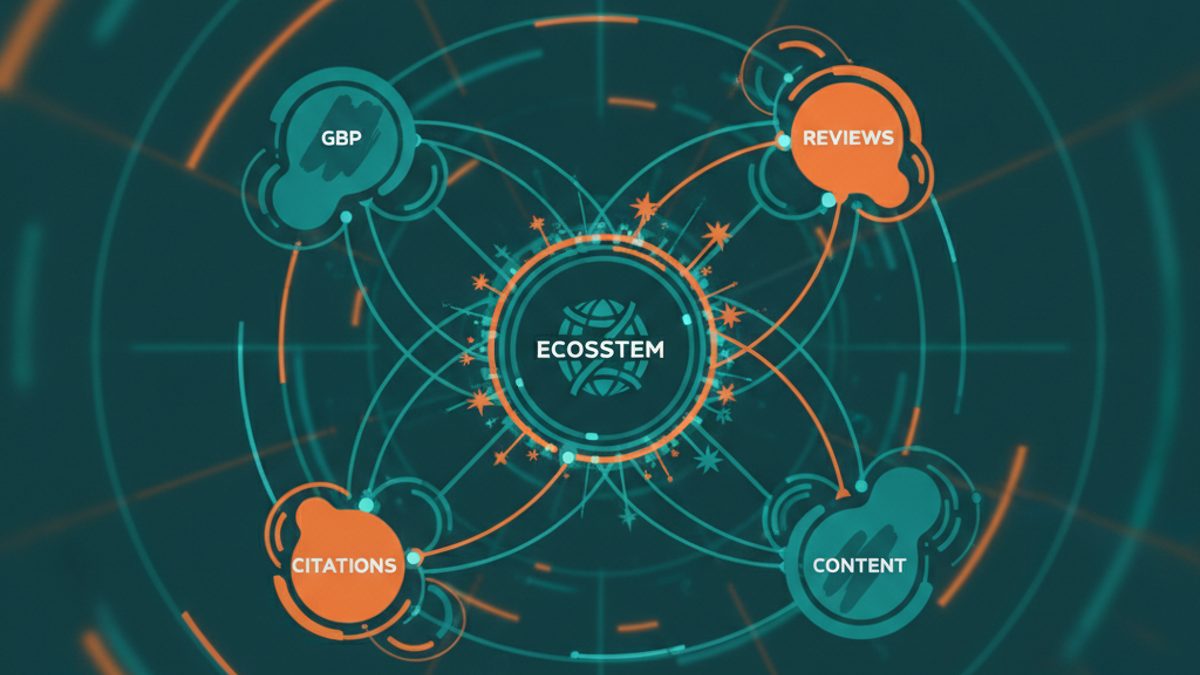
As Md Shihab Mia, founder of ProMapRanker, I'm often asked if local citations still matter in today's dynamic local SEO landscape. The answer is an unequivocal yes. Local citations, which are online mentions of your business's Name, Address, and Phone number (NAP), continue to be a foundational element for establishing trust, verifying business information, and improving local search visibility across various platforms, not just Google. While their direct ranking influence has evolved, their indirect impact on authority, consistency, and discoverability remains critical for any business aiming to rank prominently in local search results and the Google Map Pack.
What Exactly Are Local Citations in Local SEO?
Local citations are any online mentions of your business's Name, Address, and Phone number (NAP), either partially or in full. These mentions help search engines like Google confirm your business's existence and legitimacy, acting as a digital footprint that reinforces your Google Business Profile information.
Think of local citations as digital references for your business. They come in two primary forms: structured and unstructured. Structured citations are listings on business directories, social media profiles, and industry-specific websites that provide dedicated fields for your NAP. Unstructured citations are mentions of your business on blogs, news articles, forums, or other web pages where your NAP information might appear within the content without a formal listing structure. Both types contribute to your online presence and are essential for a robust local SEO strategy.
Why Do Citations Still Matter for Local SEO in 2024 and Beyond?
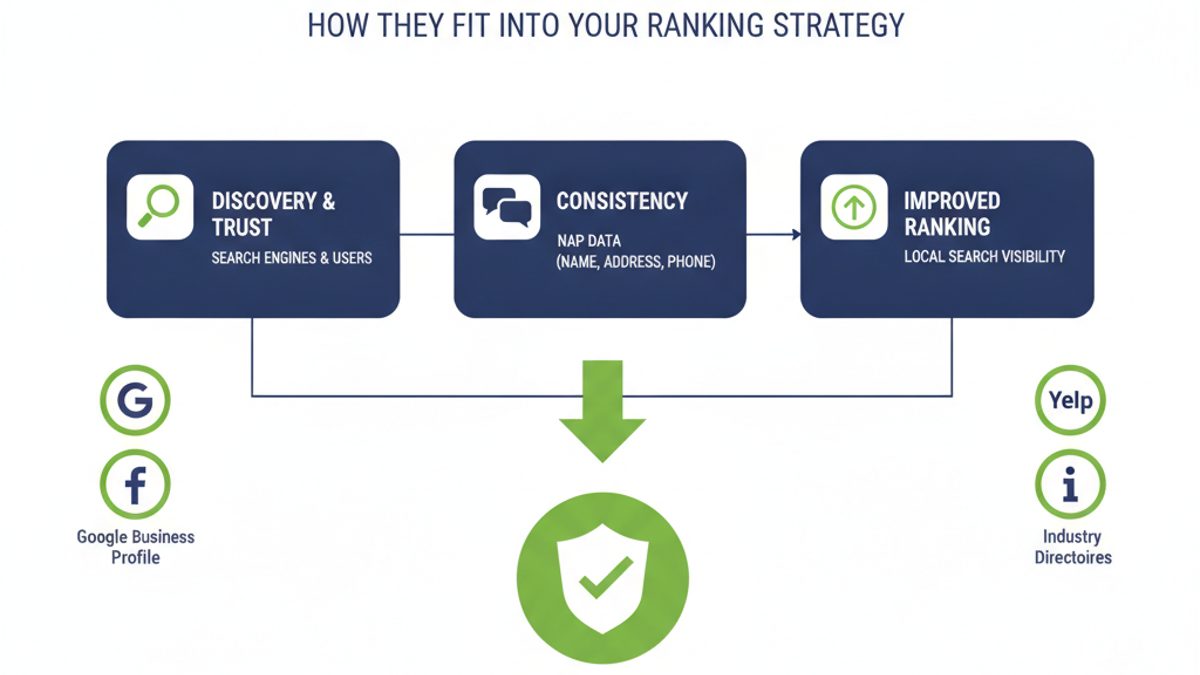
Citations remain vital for local SEO because they build trust, enhance visibility, and ensure data consistency across the web, which collectively signals to search engines that your business is legitimate and reliable. While Google's algorithms are sophisticated, consistent NAP data helps confirm your physical location and operational details.
While the direct "ranking factor" weight of simply having many citations has likely diminished compared to factors like Google Business Profile optimization or review signals, their foundational role persists. Citations contribute to what Google calls "prominence" in its local ranking factors by demonstrating your business's presence across the web. They also help users discover your business on platforms other than Google, acting as additional entry points for potential customers. Without a solid citation profile, even the most optimized Google Business Profile might struggle to achieve its full ranking potential, especially in competitive local markets. Google Business Profile Help emphasizes the importance of accurate information across the web.
Citations vs. Backlinks: A Quick Comparison
It's important to differentiate citations from backlinks, though both are crucial for SEO.
| Feature | Local Citations | Backlinks |
|---|---|---|
| Primary Goal | Verify business NAP, build trust, enhance local visibility. | Pass "link equity" (PageRank), improve domain authority, drive referral traffic. |
| Core Data | Name, Address, Phone (NAP). | Hyperlink from one website to another. |
| Ranking Impact | Indirectly supports local ranking via consistency, trust, and prominence. | Directly influences organic search rankings and domain authority. |
| Typical Source | Business directories, social media profiles, local listings. | Blogs, news sites, industry resources, partner websites. |
| User Action | Find business contact info, location, hours. | Click link to visit the linked page, read more content. |
How Does NAP Consistency Impact Local Rankings?
NAP consistency is paramount for local SEO because it builds trust and authority with search engines, ensuring they confidently display accurate information about your business. Inconsistent NAP data across various online platforms can confuse search engine algorithms, leading to lower visibility and reduced rankings.
When Google encounters conflicting information for a business's Name, Address, or Phone number across different online sources, it creates ambiguity. This uncertainty can cause Google to hesitate in confidently displaying your business in the Map Pack or local search results, as it prioritizes providing accurate information to users. Maintaining identical NAP details, down to abbreviations, suite numbers, and phone number formats, across your Google Business Profile, website, and all citation sources is crucial. This consistency acts as a strong verification signal, telling Google: "This business is real, this is where it is, and this is how to contact it." It also helps avoid duplicate listings, which can further fragment your online presence. For optimal results, ensure your NAP is also correctly implemented using Schema.org LocalBusiness markup on your website.
What Are the Different Types of Local Citations?
Local citations primarily fall into two categories: structured and unstructured, with structured citations being formal directory listings and unstructured citations being mentions within content on various web pages. Understanding both types is key to a comprehensive citation building strategy.
-
Structured Citations: These are consistent listings of your business's NAP on dedicated business directories and platforms. They are typically submitted through a form and appear in a standardized format.
- Major Data Aggregators: Companies like Infogroup, Acxiom, Factual, and Neustar Localeze distribute your business data to hundreds of other directories and platforms. Getting listed here is a foundational step.
- Major Business Directories: Google Business Profile, Yelp, Facebook, Apple Maps, Yellow Pages, and Bing Places are essential. These are high-authority sites that Google often trusts.
- Industry-Specific Directories: Directories relevant to your niche (e.g., Healthgrades for doctors, Avvo for lawyers, HomeAdvisor for contractors). These often carry significant weight within specific industries.
- Geo-Specific Directories: Local chamber of commerce sites, city guides, or regional business associations.
-
Unstructured Citations: These are mentions of your business's NAP that appear in less formal contexts, such as within the text of an article, blog post, or forum discussion. They don't follow a rigid structure but still provide valuable signals to search engines.
- Local Blogs and News Sites: Mentions in local media coverage, interviews, or community event listings.
- Review Sites: Mentions on platforms like TripAdvisor, Zomato, or industry-specific review sites, even if not formal listings.
- Social Media Mentions: Mentions on platforms like X (formerly Twitter), Instagram, or Pinterest, especially in local groups or discussions.
- Partnerships and Sponsorships: Your business mentioned on a partner's website or as a sponsor of a local event.
How Can You Effectively Build High-Quality Local Citations?
Building high-quality local citations involves a strategic, multi-step process that starts with auditing your existing presence and then systematically creating new, consistent listings across relevant directories and platforms. The goal is to maximize accurate NAP data across the web.
Here's a step-by-step guide to building a robust citation profile:
-
Audit Your Existing Citations:
Before building new citations, you need to know where your business already appears and identify any inconsistencies or errors. Use tools like ProMapRanker's free GBP audit tool to quickly scan major directories for your NAP information. This initial audit helps you identify:
- Existing listings (correct and incorrect).
- Duplicate listings that need to be merged or removed.
- Inconsistencies in your NAP data.
Pro-Tip: Pay close attention to minor variations like "St." vs. "Street" or "Suite B" vs. "#B". Even small discrepancies can confuse search engines.
-
Ensure NAP Consistency on Your Website and Google Business Profile:
Your website and Google Business Profile (GBP) are the authoritative sources for your business information. Ensure the NAP on your contact page, footer, and GBP listing is identical and perfectly accurate. This information should serve as the "gold standard" for all other citations. Implement Schema.org LocalBusiness markup on your website's contact page to explicitly tell search engines your business details.
For more on optimizing your GBP, check out our guide on Google Business Profile Optimization Checklist.
-
Prioritize Core Directories:
Start with the most influential and widely used directories. These typically have the highest impact on your local SEO:
- Google Business Profile (claim and optimize fully).
- Yelp
- Apple Maps
- Bing Places for Business
- Yellow Pages
- FourSquare
Ensure these foundational listings are perfect before moving on.
-
Leverage Data Aggregators:
Submitting your business information to major data aggregators (Infogroup, Acxiom, Factual, Neustar Localeze) can propagate your NAP data to hundreds of other smaller directories and platforms automatically. While this often involves a fee, it's an efficient way to build a broad base of structured citations.
-
Target Niche and Industry-Specific Directories:
Beyond general directories, seek out platforms highly relevant to your industry. For example:
- Healthcare: Healthgrades, Vitals, Zocdoc
- Legal: Avvo, FindLaw, Lawyers.com
- Home Services: HomeAdvisor, Angi, Thumbtack
- Restaurants: OpenTable, TripAdvisor, Zomato
These specialized directories often carry significant authority within their respective niches and can send highly qualified leads. Explore our specific advice for industries like Local SEO for HVAC Companies.
-
Pursue Unstructured Citations:
Actively seek mentions on local blogs, news sites, and community event calendars. This might involve:
- Sponsoring local events.
- Issuing press releases about company news.
- Guest blogging on local industry sites.
- Engaging with local influencers or community groups.
These mentions, even without a direct link, contribute to your overall online presence and brand visibility.
-
Monitor and Maintain Your Citations:
Citation building isn't a one-time task. Businesses change addresses, phone numbers, or even names. New directories emerge, and old ones might update their policies. Regularly monitor your citation profile for new inconsistencies, duplicate listings, or outdated information. ProMapRanker's tools can help you keep track of your local rankings and identify when your GBP or underlying citations might need attention. Aim for a check-up at least quarterly, or immediately after any business information changes.
What Are Common Mistakes to Avoid When Building Citations?
To maximize the positive impact of your citation efforts, it's crucial to steer clear of common pitfalls that can undermine your local SEO strategy. Avoiding these mistakes ensures your citations work for you, not against you.
- Inconsistent NAP Data: This is the cardinal sin of local citations. Even minor discrepancies (e.g., "Street" vs. "St.", "Suite 100" vs. "Ste. 100", different phone number formats) can confuse search engines and dilute your authority signals.
- Ignoring Duplicate Listings: Duplicate listings occur when your business appears multiple times on the same directory or across different directories with slightly varied information. These fragment your online presence and can lead to lower local rankings. Always merge or remove duplicates.
- Submitting to Low-Quality or Spammy Directories: Not all directories are created equal. Listing your business on irrelevant, low-authority, or spammy sites can harm your SEO by associating your business with a poor online neighborhood. Focus on quality over quantity.
- Neglecting Your Google Business Profile: Your GBP is the single most important local citation. Failing to claim, verify, and fully optimize it is a significant missed opportunity. All other citations should reinforce the data presented on your GBP. Learn more about How to Optimize Google Business Profile.
- One-Time Effort Mentality: Citation building is an ongoing process, not a set-it-and-forget-it task. Businesses evolve, directories update, and new opportunities arise. Regular auditing and maintenance are essential to keep your citation profile healthy.
- Not Tracking Impact: Without tracking your local rankings, you can't truly understand the impact of your citation efforts. Use a geo-grid local rank tracker like ProMapRanker to monitor your business's visibility across a 5x5 grid at 5 miles and see how your efforts translate into improved local search performance. Get a free GBP geo-grid audit to see where you stand.
How Do Citations Complement Your Overall Local SEO Strategy?
Citations act as a foundational layer that strengthens your entire local SEO strategy, working in concert with other elements like Google Business Profile optimization, on-page SEO, and reputation management. They solidify your business's digital identity, making other ranking efforts more effective.
Think of citations as the verification system for your local presence. While a perfectly optimized Google Business Profile (GBP) is crucial, citations provide the external corroboration that Google seeks. When Google sees consistent NAP data across 20+ authoritative directories, it gains more confidence in the accuracy of your GBP listing, which can indirectly boost your local rankings. This consistency also enhances your "prominence," a key local ranking factor. Combined with a strong review profile, optimized website content for local keywords, and a robust backlink strategy, a solid citation profile ensures your business presents a cohesive, trustworthy image to both search engines and potential customers. Tools like ProMapRanker help you track the direct impact of these combined efforts on your geo-grid rankings, showing how your business performs across specific geographic areas.
Frequently Asked Questions
Are local citations considered a direct ranking factor for local SEO?
While citations are no longer considered a standalone, direct ranking factor with the same weight as they once were, they remain a critical foundational element. They indirectly influence rankings by building trust, confirming NAP consistency, and enhancing your business's overall prominence and authority in the eyes of search engines like Google.
How many local citations do I need for my business?
There isn't a magic number, but aiming for a strong core set of 20-30 high-quality, consistent citations on major directories and industry-specific platforms is a good starting point. Beyond that, focus on quality over quantity, ensuring accuracy and relevance, rather than just accumulating a large number of low-quality listings.
Should I pay for citation building services?
Paid citation services can be efficient for building a foundational set of high-quality citations, especially through data aggregators. However, it's crucial to choose reputable services that prioritize accuracy and manual submissions over automated, low-quality practices. Always verify the quality of directories and the consistency of the NAP data provided.
What is the difference between citations and backlinks in SEO?
Citations primarily refer to mentions of your business's NAP (Name, Address, Phone) across the web, regardless of whether there's a hyperlink. Backlinks, on the other hand, are hyperlinks from one website to another. While citations help verify your business and improve local visibility, backlinks primarily pass "link equity" or authority, directly impacting organic search rankings and domain authority.
How often should I check and update my local citations?
It's advisable to conduct a thorough audit of your local citations at least once a quarter, or immediately after any changes to your business's Name, Address, or Phone number. Regular monitoring helps catch inconsistencies, address duplicate listings, and ensure your online presence remains accurate and optimized.
Can incorrect or inconsistent citations actually hurt my local SEO?
Yes, absolutely. Incorrect or inconsistent NAP data across citations can confuse search engines, leading to a lack of trust and reduced visibility. This can result in lower rankings in the Map Pack and local search results, as Google struggles to confidently present accurate information about your business to users.
See where you really rank - block by block
ProMapRanker scans Google Maps across a grid of your service area. Simple monthly plans from $19, white-label on every plan.
Start free