 ProMapRanker
Best Work From Home Companies in 2026


Fully remote software and product roles · Pricing starts at: See website
Key takeaways
- GitLab, Automattic, Zapier and Buffer run fully remote teams, so home working is the default rather than a special arrangement.
- Amazon, Shopify, HubSpot and Atlassian offer many remote and hybrid roles, but availability still depends on the team and the job.
- Fully remote companies tend to document their processes in writing, which suits people who work well on their own schedule.
- Pay, benefits and equipment support vary a lot by employer, role and location, so read the individual job listing before you apply.
- Beware of job posts that ask for payment or personal banking details; real employers post openings on their own careers pages.
Quick comparison
| Pick | Great for | Pricing starts at | Free tier | |
|---|---|---|---|---|
| GitLab | Fully remote software and product roles | See website | No | Visit |
 Automattic | Fully remote publishing and commerce roles | See website | No | Visit |
 Zapier | Fully remote automation and support roles | See website | No | Visit |
 Buffer | Small fully remote social media teams | See website | No | Visit |
 Amazon | Remote customer service and corporate roles | See website | No | Visit |
 Shopify | Remote-first commerce and engineering roles | See website | No | Visit |
 HubSpot | Remote-eligible sales and support roles | See website | No | Visit |
 Atlassian | Distributed software and product teams | See website | No | Visit |
The best work from home companies
These are employers, not products to buy, so there is no price or free plan in the usual sense. We compared how each company handles remote work, which roles are commonly home-based, and what job seekers should watch for.

GitLab builds a DevSecOps platform and has run as an all-remote company for years, with team members in many countries and no central office model. Its public handbook spells out how meetings, decisions and onboarding work, which gives applicants a clear picture before they apply. Roles cover engineering, product, security, sales and support, and much of the daily work happens in written form rather than in live meetings.
The catch is that this style of working is not for everyone. If you prefer quick hallway chats or learning by watching colleagues in person, a written-first culture can feel slow at first. Time zones also matter, since colleagues may be many hours apart, so self-management and clear writing carry real weight here.
- Fully remote from the start
- Public handbook documents how work gets done
- Hires across many countries
- Written communication is central, which suits some people less
- Hiring process can be long
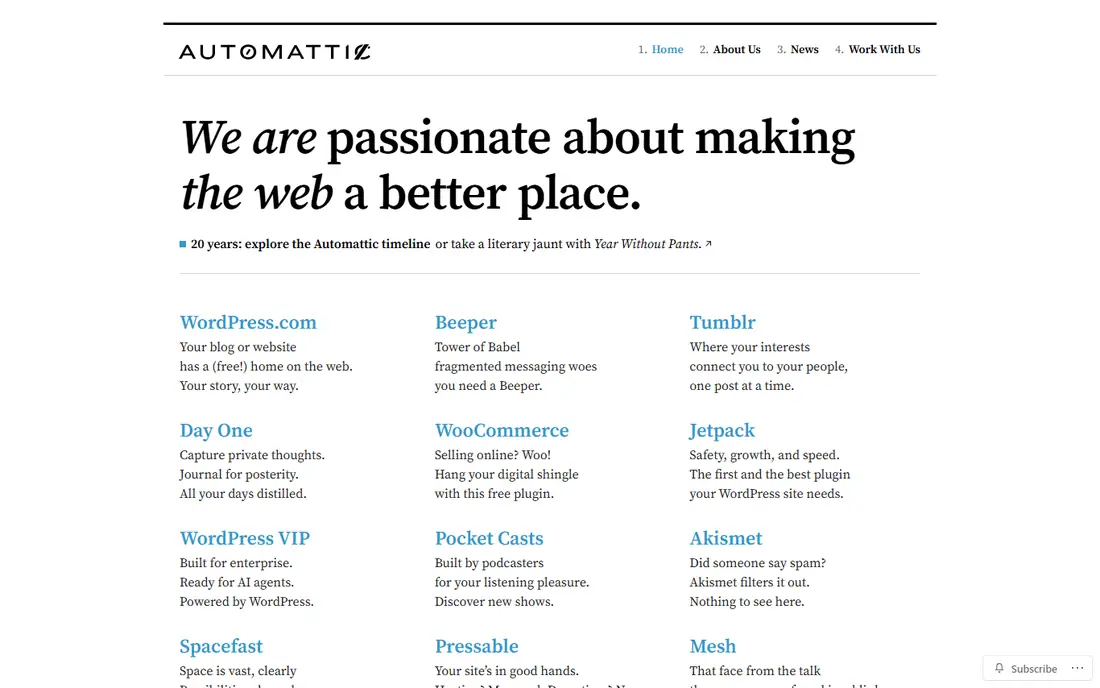
Automattic is the company behind WordPress.com, WooCommerce and Tumblr, and it has worked in a distributed way since 2005, long before remote work became common. Its teams cover engineering, design, support and marketing, and staff work from many countries. The company is known for written communication, regular team meetups and a hiring process that often includes a paid trial project.
That trial step is both a strength and a drawback. It lets you test the culture before committing, but it also stretches the hiring timeline compared with a standard interview round. Applicants who like writing, independence and long-term product work tend to fit well here.
- Fully distributed since 2005
- Behind WordPress.com and WooCommerce
- Open vacation policy reported in hiring guides
- Hiring often includes a trial project, which takes time
- Roles can be competitive
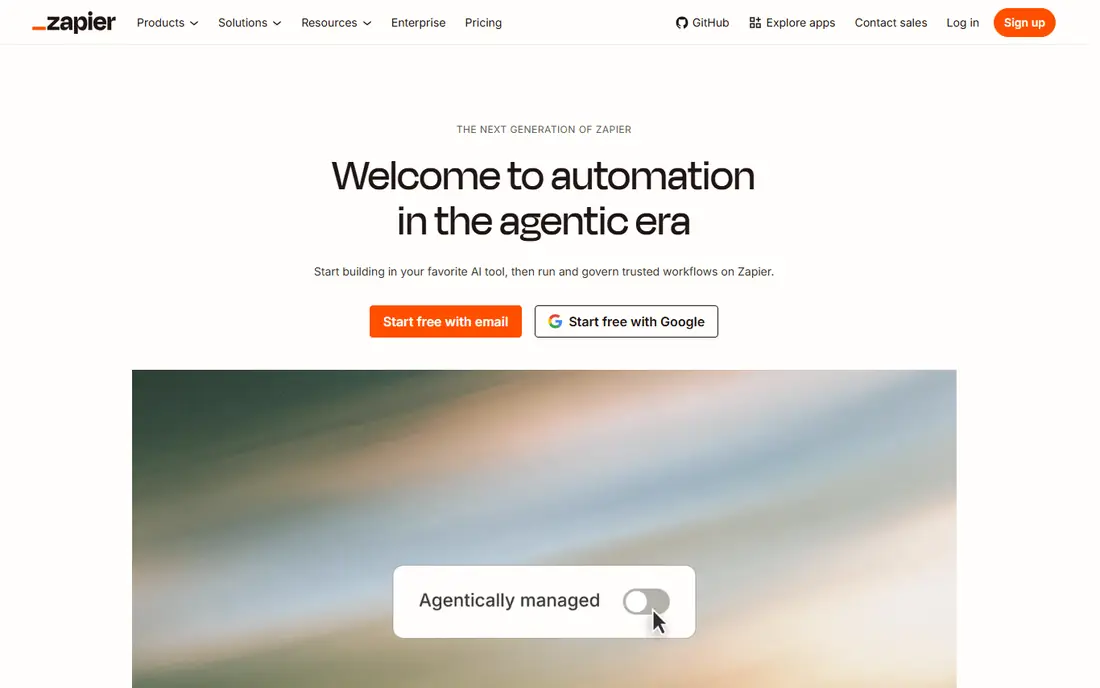
Zapier makes automation software that connects apps, and it has been remote since it was founded, with staff spread across many countries. Engineering, product, support and marketing roles appear regularly, and the company puts a lot of weight on written updates and asynchronous work rather than constant live meetings. That setup suits people who plan their own day and like deep, uninterrupted work.
The limits are practical rather than cultural. Some roles are open only in certain locations for legal and tax reasons, and the company is smaller than the large employers on this list, so the number of live openings at any moment is modest. Check the location line on each listing before spending time on an application.
- Remote since founding
- Automation product used by small teams and large firms alike
- Async-first habits
- Some roles are limited to certain countries
- Smaller headcount means fewer openings at any one time
Buffer builds social media publishing and analytics tools and has run as a fully remote company for years. It is known for openness about its culture and pay practices, and its small team means people often cover a wider range of tasks than they would at a larger firm. Roles tend to sit in engineering, support, marketing and product.
The trade-off is scale. A small team hires less often, and a role may stay open only briefly or appear once a year. Buffer suits applicants who want a close-knit team and a product they already know, rather than someone looking for the largest possible pool of openings.
- Fully remote and transparent about pay and culture
- Small team with broad roles
- Social media product focus
- Small company, so openings are rare
- Pay bands reflect a smaller firm, not a large tech salary
Amazon is the largest employer on this list, and its remote openings span customer service, technical support, operations and corporate functions. Customer service associate roles are among the most accessible entry points, and many are fully home-based, though shift patterns, equipment rules and eligible states vary by posting. Corporate remote roles in areas such as engineering and project management also appear, but they are fewer and more competitive.
The main caution is to read each listing closely. A role described as remote may still require you to live in a specific state, work set shifts, or attend occasional in-person training. Amazon posts real openings on its own careers site, and any post that asks you to message an individual or pay a fee is not a genuine Amazon listing.
- Large number of remote roles
- Customer service roles open to newer applicants
- Many locations across the US
- Remote availability varies sharply by team
- Some roles are seasonal or shift-based
Shopify runs a commerce platform used by merchants of many sizes, and it describes its working model as digital by design, meaning most roles are remote by default. Openings cover engineering, data, product, design, marketing, finance and commercial work, with teams across the Americas, Asia Pacific and the UK. That breadth makes it a good fit for people who want remote work without joining a tiny startup.
Remote-first does not mean location-free. Some roles carry hub, region or travel expectations, and engineering openings draw a large applicant pool. Applicants should filter by location on the careers page and check the fine print on each role rather than assuming every Shopify job is open from anywhere.
- Remote-first model across many functions
- Large commerce platform
- Early-career programs reported
- Some roles still tied to hubs or regions
- Competition for engineering roles is strong
HubSpot sells marketing, sales and customer service software, and it hires across customer success, product, engineering, sales and marketing, with many roles marked remote-eligible. Its model is hybrid rather than fully remote, so some teams work from offices while others work from home, and the listing itself is the reliable guide. US, Ireland and Colombia are among the locations where remote roles commonly appear.
That hybrid mix is the key point for applicants. Two roles with similar titles can carry different location rules, so treat the listing as the source of truth and confirm the arrangement during the interview. People who like a mix of home work and occasional office time may find this model a better fit than a fully remote one.
- Many remote-eligible roles
- Marketing and sales software with broad hiring
- Offices plus remote options
- Hybrid model means some roles are office-based
- Remote eligibility varies by country and team
Atlassian makes software team tools such as Jira and Confluence, and it has committed publicly to distributed work since 2020. Its openings cover engineering, design, product, sales and marketing, and many are structured so that teams work across locations rather than around a single office. For software professionals, it is one of the larger employers where remote work is a stated company policy rather than a perk for a few teams.
The limits are the usual ones for a large distributed firm. Some roles still need a particular timezone overlap or occasional travel, and hiring loops at this scale can take weeks. Still, for applicants who want remote work inside a large, established company, Atlassian belongs on the shortlist.
- Distributed-first since 2020
- Tools used by software teams worldwide
- Roles across engineering and design
- Some roles carry location or timezone needs
- Large-company hiring can move slowly
How we picked these
We compared official careers pages, company statements about remote work, and current hiring guides that track remote-first employers in 2026. We kept only companies with a clear record of remote or remote-eligible hiring, and we mixed fully remote firms with larger employers that offer many home-based roles. We did not count a company as remote-friendly based on a single job post, since one listing can be an exception rather than a policy.
We also weighed fit for ordinary job seekers, not only for engineers. Customer service, support, sales and operations roles matter here, because those are the jobs most readers can actually apply for. Conditions vary by employer, role and location, and openings change often, so treat this list as a starting point and verify each role on the employer's own careers page.
What to check before you apply
Start with the location line, not the headline. A job titled remote may still require residence in a specific state or country, and tax and employment rules are often the reason. Check the schedule too, since some home-based roles run on fixed shifts, including evenings or weekends, while others let you set your own hours within reason.
Next, look at equipment and workspace rules. Some employers ship a laptop and headset, while others expect you to supply your own computer and a reliable internet connection. Ask about this early if the listing is silent, since buying equipment out of pocket changes the real value of a role.
Finally, protect yourself from scams. Real employers never ask you to pay for training, equipment or background checks through gift cards or personal transfers, and they post openings on their own careers sites. If a recruiter contacts you only through social media and pushes you to move fast, pause and verify the posting through the company site directly.
Frequently asked questions
Which companies are fully remote?
GitLab, Automattic, Zapier and Buffer are fully remote on this list, meaning home working is the default for their teams. Amazon, Shopify, HubSpot and Atlassian offer many remote roles, but some of their teams are hybrid or office-based, so the individual listing matters.
Do work from home companies pay less than office employers?
Pay usually follows the role, level and location rather than the fact of working from home. Some fully remote firms adjust pay by region, while others pay the same rate regardless of where you live, so compare the range on the listing and ask about the pay policy during hiring.
What are the best work from home companies for beginners?
Amazon customer service roles are among the most accessible, since some do not require prior experience and training is provided. Support roles at smaller remote firms can also suit beginners, but they often ask for strong written communication and comfort with online tools.
Are there remote jobs outside tech?
Yes, though tech firms dominate remote hiring. Customer service, operations, marketing, sales and support roles appear at many of the companies here, and some hire for finance, legal and people operations roles that are fully home-based.
How do I spot a fake work from home job?
Check that the opening appears on the employer's own careers page, and be wary of posts that ask for payment, banking details or personal documents before an interview. Genuine recruiters use company email domains and a structured interview process, not rushed messages on social apps.
Sources
See where you really rank - block by block
ProMapRanker scans Google Maps across a grid of your service area. Simple monthly plans from $19, white-label on every plan.
Start freeKeep reading
 free alternatives to grok imagine
Free Alternatives to Grok Imagine in 2026
We compared the best free alternatives to grok imagine for image generation, from fast daily credits to design tools, so you can create without paying.
Read → best tools for instagram content creation
Best Tools for Instagram Content Creation in 2026
Compare the best tools for Instagram content creation, from Canva and CapCut to Later and Buffer, on design, video, planning, scheduling, and price in 2026.
Read → best tool to split pdf files
Best Tool to Split PDF Files in 2026
We compared the best tool to split pdf files on split modes, file limits, privacy and price, so you can split a PDF cleanly and keep every page in one go.
Read →