 ProMapRanker
Best Work at Home Companies in 2026

Key takeaways
- The strongest remote employers on this list run remote work as their normal model, not as a temporary perk.
- All-remote companies tend to suit written, self-managed workers, while hybrid employers suit people who want some office time.
- Job availability changes often, so check the official careers page for current openings and location limits before you apply.
- No company on this list can promise you a job, a salary, or a start date, and any listing that does should be treated with care.
Quick comparison
| Pick | Great for | Pricing starts at | Free tier | |
|---|---|---|---|---|
 GitLab | All-remote tech and product roles | See website | No | Visit |
 Automattic | Remote publishing and support roles | See website | No | Visit |
 Zapier | Remote automation and support roles | See website | No | Visit |
 Buffer | Small remote social media teams | See website | No | Visit |
 Doist | Small remote productivity teams | See website | No | Visit |
 HubSpot | Hybrid and remote sales and service roles | See website | No | Visit |
 Shopify | Remote and hybrid commerce roles | See website | No | Visit |
 Toptal | Remote freelance-style expert work | See website | No | Visit |
 37signals | Small remote product teams | See website | No | Visit |
The best work at home companies
We compared companies known for remote hiring on their work model, the kinds of roles they post, and how much of the job can really be done from home. Apply through the official careers page for each company, and read the location and time zone notes on each posting.
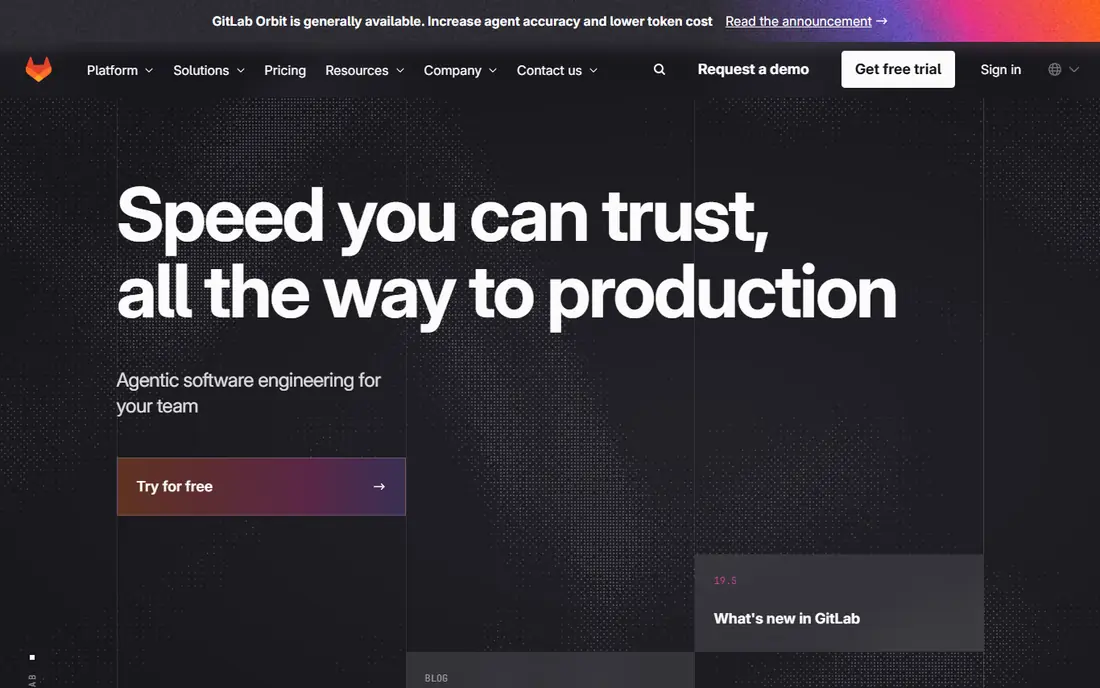
GitLab is known for running as an all-remote company, with teams spread across many countries and work organised through written documentation and async updates. That model fits people who like clear written plans, focused work time, and fewer live meetings. Roles commonly posted include software engineering, product management, design, security, customer success, and sales.
The honest catch is that all-remote does not mean location-free. Many postings list eligible countries or regions, and some work still needs overlap with a team in another time zone. If you prefer learning by sitting beside a colleague or by frequent video calls, this style can feel quiet at first. Read the handbook pages linked from a posting before you apply, since they give a fair picture of the pace.
- All-remote model across departments
- Public handbook explains how work is done
- Roles span engineering, product, sales, and support
- Some roles are tied to specific regions or time zones
- Written communication is a large part of daily work
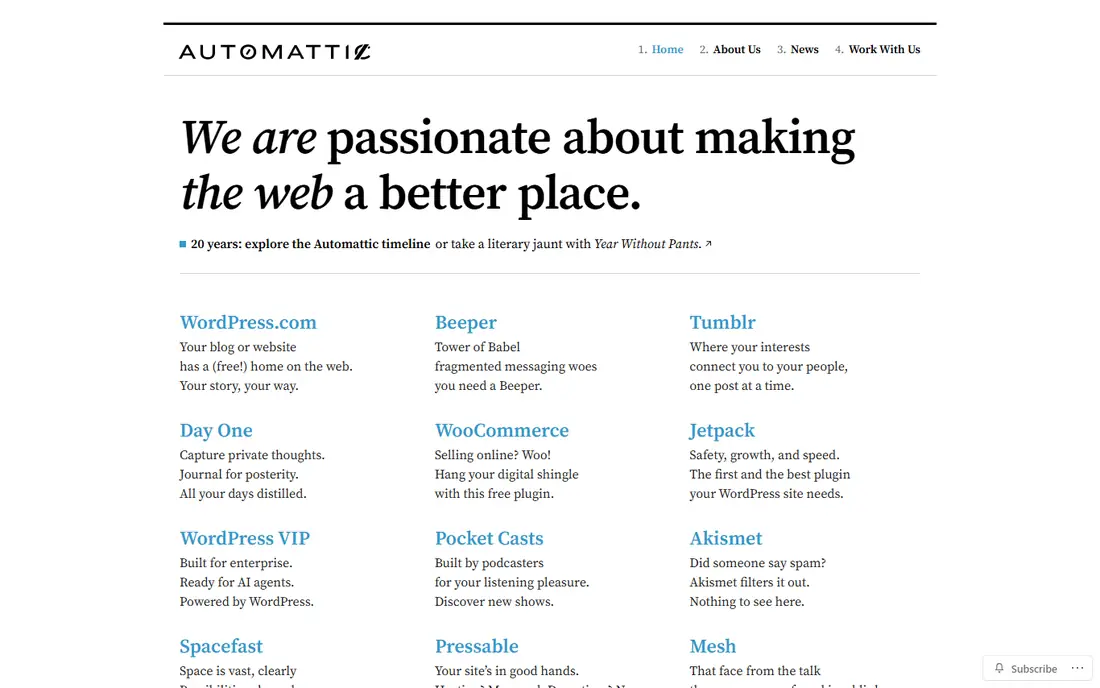
Automattic is the company behind WordPress.com, WooCommerce, Jetpack, and Tumblr, and it has worked in a distributed way for many years. Its postings often cover engineering, design, customer support, marketing, and product roles. Support work in particular can be a good entry point for people who know WordPress or who enjoy helping users in writing.
The work still follows a normal job structure, with set responsibilities, team goals, and regular check-ins. It is not a flexible gig arrangement where you pick hours at will. Applicants should expect written applications and, for some roles, a trial project. That process suits people who can show their work clearly in writing and who are comfortable working without a shared office.
- Long history of distributed work
- Products include WordPress.com and WooCommerce
- Support and engineering roles are common
- Hiring can be slow and selective
- Time zone coverage can shape which roles are open
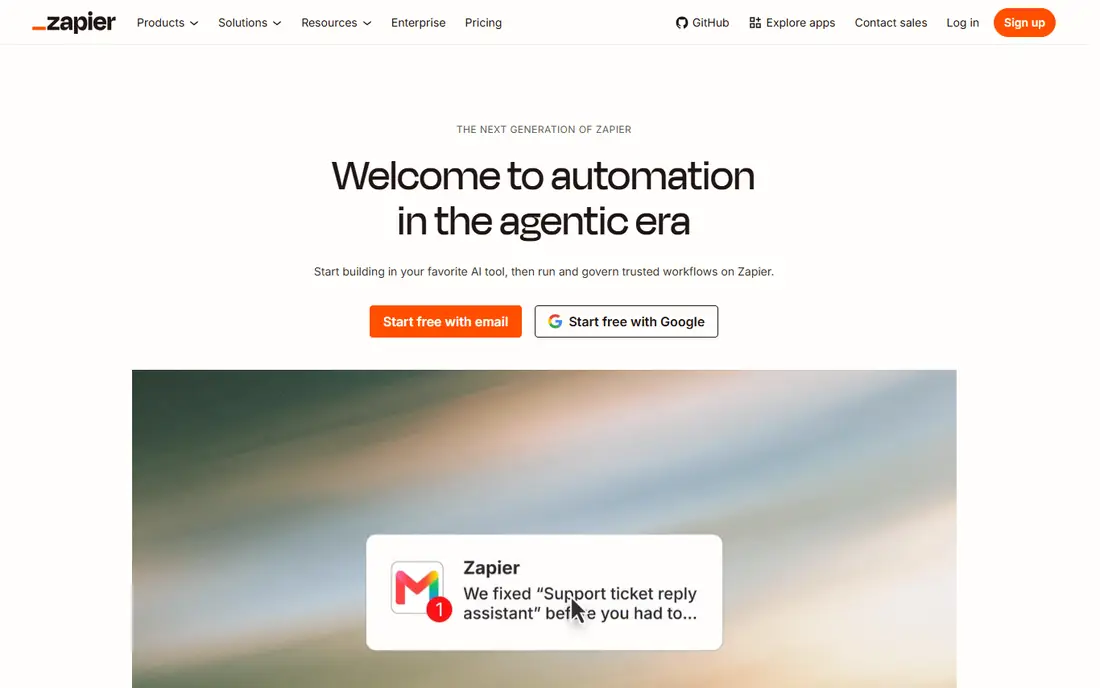
Zapier builds automation tools that connect apps, and the company itself works remotely. Its careers pages have listed engineering, customer support, marketing, operations, and product roles. Support and operations roles can suit people who are organised, patient with customers, and comfortable troubleshooting in writing.
Because Zapier works async by design, much of the day is spent in documents, tickets, and recorded updates rather than in back-to-back meetings. That is a strength for focused workers and a drawback for people who get energy from live conversation. Check each posting for location rules, since some roles are limited to certain countries even when the work itself is remote.
- Fully remote company
- Roles across engineering, support, marketing, and operations
- Clear focus on async work
- Competition for roles is strong
- Some roles need overlap with US time zones
Buffer makes social media planning and publishing tools, and it runs as a fully remote company with a comparatively small team. Openings tend to appear in engineering, product, marketing, and customer support, but not in large numbers at once. When a role does open, the company publishes a good deal about its values and work style, which helps applicants judge fit early.
The trade-off is scale. A small team cannot hire for every skill at once, and it may favour candidates who can work across more than one area. If you want a large employer with many parallel openings, Buffer may not be the fastest route. If you want a small team where your work is visible, it is worth watching its careers page over time.
- Small, fully remote team
- Open approach to salaries and culture
- Social media and support roles
- Small team means fewer openings
- Roles are often senior or specialised
Doist is the remote company behind Todoist and Twist, two productivity tools built for individuals and teams. Its culture is async-first, which means written updates and recorded decisions carry much of the work. Roles tend to centre on engineering, design, product, and marketing, with support roles appearing less often.
This is a good match for people who like calm, written workflows and a small team where everyone knows the product well. It is a poor match for job seekers who need many openings to choose from, since hiring is infrequent. Follow the company blog and careers page if the product area interests you, and apply only when a role fits your skills closely.
- Fully remote maker of Todoist and Twist
- Async-first culture
- Small, focused team
- Very few openings at a time
- Most roles are technical or product-focused
HubSpot sells marketing, sales, and service software, and it posts a large number of roles each year. Many are tagged remote, but others are hybrid, with some days in an office or a hub city. That distinction matters, so read the work location line on each posting rather than assuming every HubSpot job can be done from anywhere.
For applicants, the size is the advantage. Sales, customer success, support, marketing, and engineering roles appear regularly, and the company has structured training for new hires. The drawback is that a big company hiring process can feel formal, with several interview stages. Filter by remote location first, then check whether the team expects regular office attendance.
- Large employer with many remote-tagged roles
- Sales, service, marketing, and engineering openings
- Structured onboarding
- Many roles are hybrid rather than fully remote
- Office expectations vary by team and location
Shopify builds commerce tools used by online stores, and it hires across engineering, design, support, product, and operations. Many roles are described as remote-friendly, while others are linked to a hub city or a region. As with other large employers, the exact arrangement depends on the team and the posting, not on the company name alone.
Shopify suits people who want to work on commerce problems at scale, from checkout and storefronts to merchant support. Support roles can be a realistic entry point for people with strong written communication and patience for troubleshooting. Check the posting for time zone and location limits, and be ready for a structured interview process.
- Large commerce company with remote-friendly roles
- Engineering, support, and product openings
- Global hiring
- Some roles are tied to hubs or regions
- Hiring volume rises and falls with business needs
Toptal is different from the employers above because it is mainly a network that matches vetted freelancers and experts with client projects. Designers, software developers, project managers, and finance experts apply, pass screening, and then take on client work remotely. That model fits experienced professionals who want project variety and control over which engagements they accept.
It is not a promise of steady employment. Projects start and end, and income depends on the work you win and complete. New applicants should also expect a screening process that tests real skills, not just a resume review. If you want a salaried role with fixed hours, look at the employer entries above instead. If you already freelance, Toptal is a structured way to find larger client work.
- Remote network for designers, developers, and finance experts
- Project-based work with clients
- Global talent pool
- Screening is selective
- Work is project-based, not a salaried job for most members
- Income varies by project
37signals makes Basecamp and HEY, and it has long worked remotely with a small team. Openings are rare and tend to be for programmers, designers, and operations staff who can work independently. The company is known for a calm, written, async approach, with an emphasis on shipping useful product work rather than growing headcount quickly.
That focus is the appeal and the limit. You will not find a long list of open roles here, and a single posting may draw many strong applicants. It is best treated as a company to watch if you already like its products and work style, rather than as a place to expect a quick application result. When a role does open, the posting itself usually explains the work in plain terms.
- Small remote company behind Basecamp and HEY
- Clear product focus
- Async work style
- Rare openings
- Small team means each hire must cover a broad range of work
How we picked these
We compared official careers pages, company handbooks and about pages, and public descriptions of each work model. We kept only companies with a clear record of remote hiring and a live careers presence in October 2026, and we favoured a mix of all-remote employers, large hybrid employers, and one project-based network. We did not promise earnings or placement for any entry, and we left out companies whose remote roles were unclear or tied only to a single office.
What to check before you apply
Start with the location line on the posting, not the headline. A role can be remote and still require residence in a specific country, state, or time zone, and tax and benefits rules follow that location. Next, look at the work pattern: async teams rely on writing, hybrid teams expect some office days, and project networks expect you to manage your own schedule between clients.
Prepare evidence that fits remote hiring. Written work samples, clear descriptions of past remote projects, and examples of async collaboration carry more weight than a general claim that you like working from home. Ask in the interview about meeting load, on-call expectations, equipment, and how performance is reviewed. A good remote employer will answer those questions plainly. Finally, apply only through the official careers page or a posting linked from it, and be wary of anyone asking for payment to secure a remote job.
Frequently asked questions
What is the best company to work from home for?
There is no single best employer, because the right fit depends on your skills and the work pattern you want. All-remote companies such as GitLab, Automattic, and Zapier suit self-managed, written-first workers, while HubSpot and Shopify suit people who want a larger employer with more openings.
Are these companies fully remote?
Some are, and some are not. GitLab, Automattic, Zapier, Buffer, Doist, and 37signals are known for fully remote work, while HubSpot and Shopify mix remote and hybrid roles by team. Toptal is a project network rather than a traditional employer. Always check the individual posting.
Do work from home companies pay for equipment?
Policies differ by company and role, and they can change. Some employers provide a laptop and a home office allowance, while others expect you to use your own setup. Ask about equipment, internet costs, and software during the interview, and get the answer in writing where possible.
How do I find remote jobs at these companies?
Use the careers page linked for each company and filter by remote location. Set up alerts where the site offers them, and check back regularly, since small remote teams post roles infrequently. Avoid third-party listings that ask for payment or personal banking details.
Can I work from any country for these companies?
Not always. Many postings limit hiring to specific countries or regions for legal, tax, and time zone reasons. If your country is not listed, the role is usually not open there, even if the work itself could be done online.
Sources
See where you really rank - block by block
ProMapRanker scans Google Maps across a grid of your service area. Simple monthly plans from $19, white-label on every plan.
Start freeKeep reading
 which software is best for pdf page removal
Which Software Is Best for PDF Page Removal in 2026
Find which software is best for pdf page removal, from free online tools to desktop editors, with page controls, privacy, safety, and pricing compared.
Read → when i work alternatives
Best When I Work Alternatives in 2026
Looking for when i work alternatives? We compare 8 scheduling apps for hourly teams, covering pricing, free plans, time clocks and the best fit for business.
Read → the best tool for keyword analysis
The Best Tool for Keyword Analysis in 2026
Find the best tool for keyword analysis with our 2026 comparison of 10 keyword analysis software tools on data depth, difficulty scores and price today.
Read →