 ProMapRanker
Best Weight Loss App for Women Over 50 in 2026

Key takeaways
- Noom leads for habit coaching, while MyFitnessPal leads for plain food tracking at no cost.
- Points, colour coding and fasting timers suit different habits, so the best app depends on what trips you up.
- Free tiers are useful for tracking, but coaching, meal plans and full analysis usually need a paid plan.
- Women over 50 should weigh protein, bone health and joint friendly movement, not just calories.
- Check renewal prices and cancellation terms before any subscription, since introductory offers differ from the ongoing rate.
Quick comparison
| Pick | Great for | Pricing starts at | Free tier | |
|---|---|---|---|---|
 Noom | Behaviour and habit coaching | See website | Free trial | Visit |
 WeightWatchers | Community support and points | See website | No | Visit |
 MyFitnessPal | Detailed food tracking | Free | Yes | Visit |
 Lose It | Simple calorie tracking | Free | Yes | Visit |
 Cronometer | Nutrient detail and accuracy | Free | Yes | Visit |
 Yazio | Meal plans plus fasting | Free | Yes | Visit |
 BetterMe | Workouts plus meal plans | See website | Free trial | Visit |
 Simple | Intermittent fasting guidance | See website | Free trial | Visit |
The best weight loss apps for women over 50
These eight apps cover coaching, points, detailed tracking and fasting, so you can match the tool to your habits rather than forcing a single diet on every reader. We compared official feature pages, pricing pages and app store listings, and we favour tools that stay usable after the first enthusiastic week.
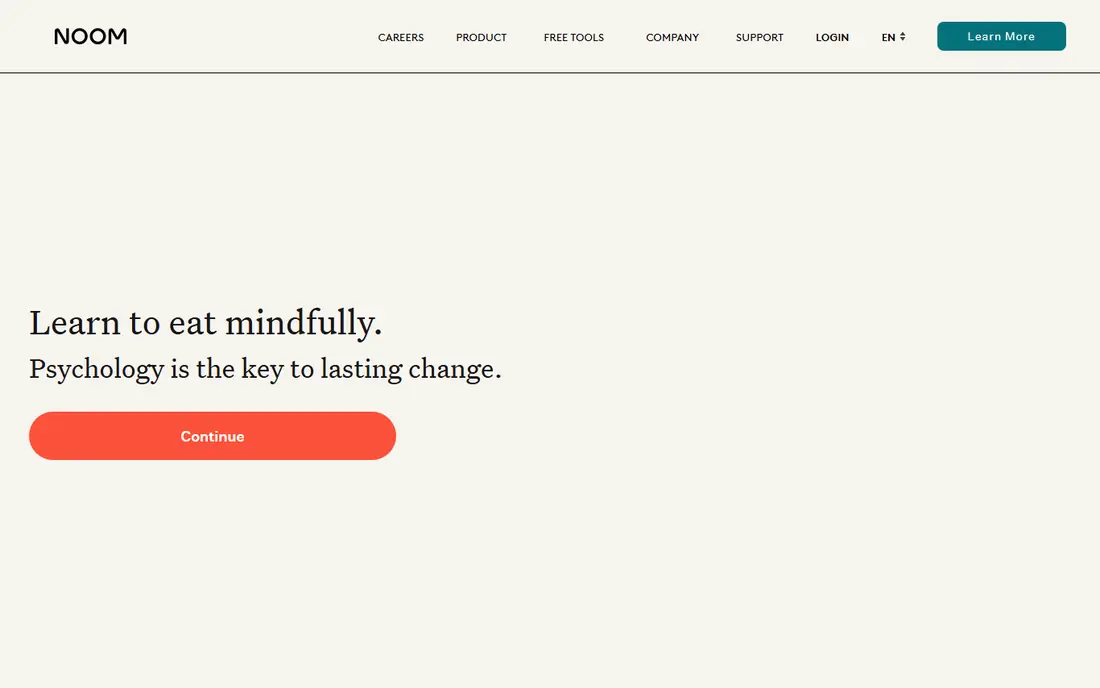
Noom suits women over 50 who want help with habits, not just a calorie counter. Its daily lessons cover emotional eating, portion sizes, stress and sleep, which matter a great deal at this stage of life. Food is grouped by colour density, so the focus stays on filling, lower calorie choices rather than on banning whole food groups. That framing can feel kinder than a strict diet, and it gives a clear reason behind each suggestion.
The catch is cost and time. Lessons take a few minutes each day, and group coaching is not the same as private coaching. We think Noom is a strong pick if you know that mindset and routine are your main obstacles, and you are willing to pay for structure. If you only want to log food, a simpler tracker will do the same job for less.
- Daily lessons and coaching
- Food logging with colour coding
- GLP-1 companion options in some plans
- Subscription cost is high
- Daily lessons can feel repetitive
- Coaching is group based, not one to one
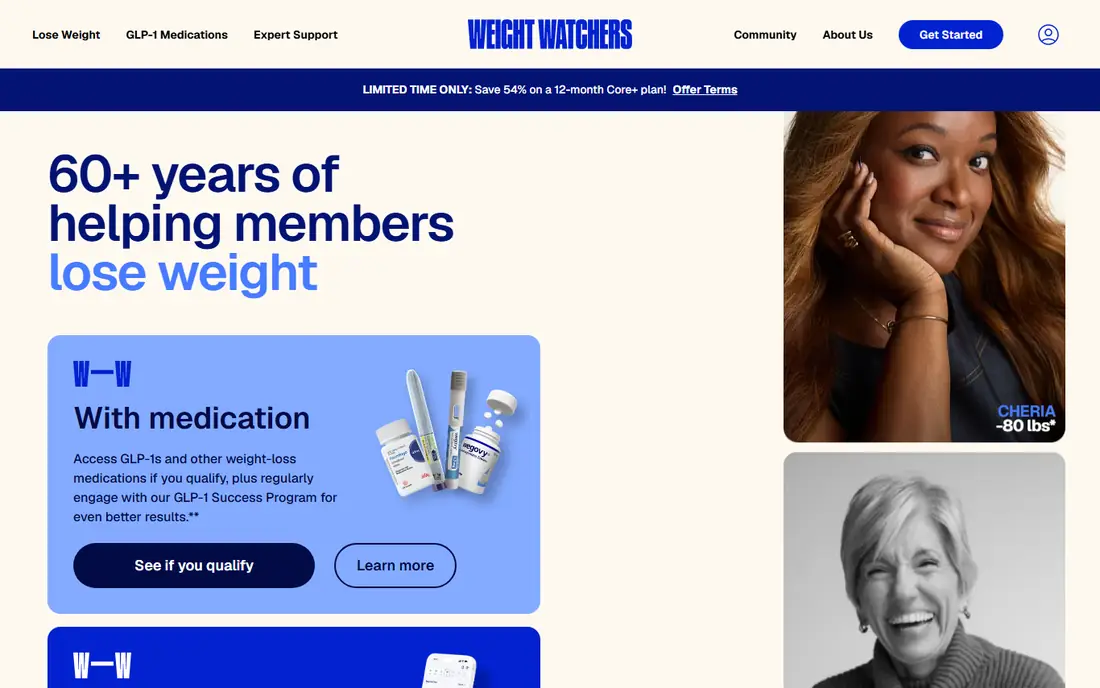
WeightWatchers has been around for decades, and that history shows in its community and food database. Points replace raw calorie counting, which many readers find easier to live with day to day. Zero point foods such as vegetables, fruit and lean protein give room to eat without tracking every bite, while workshops and app groups add accountability. For women over 50 who like company on the journey, that support can matter more than any single feature.
The trade off is price and the points system itself. A monthly subscription adds up over a year, and some people find points restrictive after the novelty fades. WW is our pick for readers who want structure plus people, rather than a lone tracking tool. Check the current plan terms before you join, since offers and included features change.
- Large food database and points system
- Workshops and community
- Flexible eating with zero point foods
- Monthly cost adds up
- Points tracking can feel restrictive
- App changes have frustrated some long term members
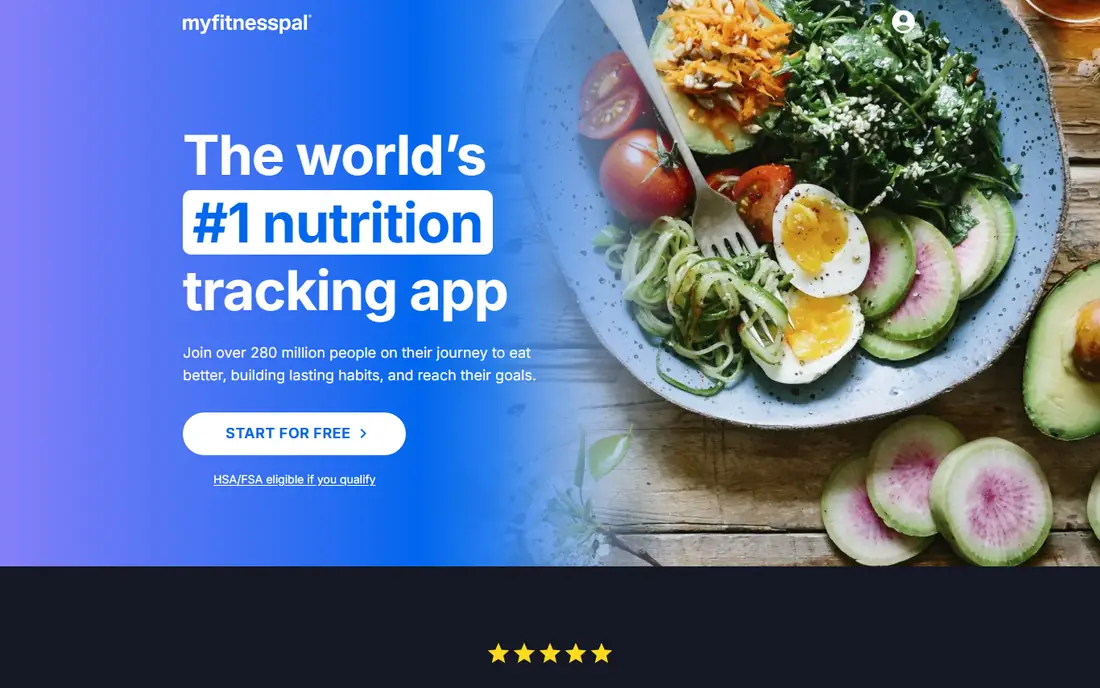
MyFitnessPal remains the most practical food diary for most people. Its database covers packaged foods, restaurant items and home cooking, and barcode scanning makes logging a supermarket shop quick. It pairs with watches and scales, so steps and weight can sit next to food in one view. For women over 50 who want awareness first, seeing a week of real eating patterns is often more useful than a new diet rule.
The free version now holds back some features that used to be free, and ads can interrupt the flow. Premium adds meal plans and deeper analysis, but it is not essential to start. We suggest trying the free tier for two weeks and judging it on whether logging feels easy. If logging feels like a chore, a simpler app may keep you going longer.
- Very large food database
- Barcode scanning
- Links to many wearables and fitness apps
- Some useful features sit behind Premium
- Free version shows ads
- Portion estimates still need care
Lose It is a good middle ground between a bare calorie counter and a full coaching programme. Logging is fast, the calorie budget is clear, and weight charts show trends rather than daily noise. Photo logging on paid plans helps when you eat out and do not want to search a database. It suits readers who want a tidy daily routine without lessons, groups or meal plans.
The free tier covers the basics well, but patterns, meal planning and some integrations need Premium. Its food database is solid, though not as deep as MyFitnessPal in every category. Choose Lose It if you like a clean interface and you already know what healthy eating looks like, but need steady tracking to stay on course.
- Clean and fast logging
- Photo logging on paid plans
- Clear calorie budget and weight trend charts
- Free version is limited
- Some features need Premium
- Database is smaller than the largest rivals
Cronometer is the pick for readers who care about nutrient quality, not just calories. It tracks vitamins, minerals, fibre and protein in detail, and it marks verified entries so you can trust the numbers more than in crowd sourced databases. That detail helps women over 50 who are watching calcium, vitamin D, iron or protein, and who want to discuss real intake with a clinician. It also tracks weight and activity, so the picture stays in one place.
The detail comes with a learning curve. Logging takes longer, and the interface feels more like a health tool than a friendly diet app. Gold adds fasting, custom charts and more, but the free tier is already useful. Pick Cronometer if accuracy matters to you and you do not mind spending an extra minute per meal.
- Detailed vitamin and mineral tracking
- Verified food entries
- Weight, activity and biometric tracking in one place
- Interface feels clinical at first
- Best features need Gold
- Food logging takes longer than simpler apps
Yazio combines calorie tracking, meal plans and a fasting timer, which makes it handy if you want one app for several jobs. Meal plans are built by nutritionists and tied to your calorie target, so dinner decisions get easier. The fasting timer covers common patterns, and activity and water tracking round out the day. For women over 40 and 50 who like a plan handed to them, that structure can remove a lot of daily friction.
Free Yazio is useful, but full meal plans and unlimited scanning need Pro. Coaching is lighter here than in Noom, so motivation has to come mainly from you. We see Yazio as a strong value choice for readers who want meal ideas plus tracking, without paying for a coaching programme.
- Calorie and macro tracking with meal plans
- Fasting timer included
- Recipe ideas tied to a calorie budget
- Pro is needed for full meal plans
- Scan limits apply on free
- Coaching is lighter than Noom or WW
BetterMe aims at a broad routine: workouts, walking, fasting and meal ideas in one subscription. Its plans are marketed to women over 40 and 50, with short sessions that fit around work, family and joints that prefer low impact movement. That all in one approach can help if you want exercise and food guidance together, rather than juggling two apps. Guided sessions also give a clear starting point on days when motivation is low.
Pricing offers vary, so read the checkout terms carefully and note the renewal price, not just an introductory offer. Workout depth is less than a specialist fitness app, and some users report frequent upsells. BetterMe fits readers who want gentle, guided activity plus meal ideas, and who will check the subscription terms before they commit.
- Combines workouts, walking plans and meal ideas
- Plans aimed at women over 40 and 50
- Short guided sessions suit busy days
- Subscription pricing varies by offer
- Upsells are common
- Workout depth is less than a dedicated fitness app
Simple is built around intermittent fasting, with a timer, reminders and nutrition tracking alongside it. It asks about your schedule and goals, then suggests a fasting window and daily check ins. That guidance can help if fasting appeals to you but you are unsure where to start. It also keeps food logging in the same place, so you can see how eating windows relate to weight over time.
Fasting is not suitable for everyone, and it is not a shortcut on its own. People with diabetes, a history of disordered eating, or other medical conditions should talk to a clinician first. Simple suits readers who already like the idea of time restricted eating and want a timer plus light coaching. If fasting does not appeal, a general tracker is a better fit.
- Fasting timer with guidance and reminders
- Nutrition tracking alongside fasting
- Gentle daily check ins
- Fasting focus is not for everyone
- Full features need a subscription
- Meal advice is general, not personal medical advice
How we picked these
We compared official feature pages, pricing pages and app store listings for apps that are live in October 2026 and that serve US readers. We looked for food logging quality, coaching or community support, movement and sleep features, and clear pricing. We left out apps that were discontinued, that focused only on medication, or that made claims we could not verify from the vendor. Our picks favour tools that help with steady habits, since that is what keeps weight off over time.
We did not claim hands-on testing that did not happen. Our judgement rests on what each vendor publishes, how its free tier actually works, and what public reviews say about daily use. That approach keeps the comparison honest about costs and limits, and it lets you check any claim on the vendor site before you pay.
How to choose a weight loss app after 50
Start with your sticking point
If you eat well but slip in the evening, coaching or a points system may help more than another tracker. If you have no idea where calories come from, a simple food diary for two weeks will teach you more than a programme. If protein or nutrients worry you, a detailed tracker such as Cronometer gives you numbers to take to a clinician. Name the problem first, then pick the app built for it.
Check the cost over a year, not a week
Introductory prices, free trials and annual billing can hide the real cost. Add up twelve months, check whether coaching or meal plans cost extra, and set a reminder before any trial ends. A free tracker used daily beats a costly coaching app abandoned after a month. Cancel easily, too: if cancelling takes a phone call or a maze of screens, treat that as a warning sign.
Make movement joint friendly
Weight loss after 50 works best with walking, strength work and sleep, not punishing workouts. Look for apps that track steps, allow low impact activity and do not push extreme calorie cuts. Talk to a clinician before a large calorie deficit, a fasting plan or a new exercise routine, especially if you take medication or manage a long term condition.
Frequently asked questions
What is the best weight loss app for women over 50?
There is no single winner for every reader. Noom suits habit coaching, WeightWatchers suits community support, and MyFitnessPal suits free tracking. Pick the one that matches your main obstacle, then give it at least four weeks before you judge it.
What is the best weight loss app for women over 40?
The same apps work well in your forties, with Yazio and BetterMe also worth a look for meal plans and guided workouts. The key difference is often time: a fast tracker may suit a busy schedule better than a lesson based programme.
Are free weight loss apps good enough?
Yes, for tracking. MyFitnessPal, Lose It, Cronometer and Yazio all offer useful free tiers. Paid plans add coaching, meal plans and deeper analysis, but they do not guarantee better results if you stop logging.
Do weight loss apps replace medical advice?
No. These apps offer general information only and are not medical advice. Talk to your clinician about safe calorie targets, medication, fasting and exercise, especially if you have diabetes, heart disease or another condition.
How fast should weight loss be after 50?
Slow and steady is safer and easier to keep. Rapid loss often brings muscle loss and regain. Focus on protein, strength work, sleep and a modest calorie gap, and discuss targets with a clinician rather than chasing a weekly number.
Sources
See where you really rank - block by block
ProMapRanker scans Google Maps across a grid of your service area. Simple monthly plans from $19, white-label on every plan.
Start freeKeep reading
 wpforms alternatives
Best WPForms Alternatives in 2026
We compare 9 wpforms alternatives for WordPress forms, with free and paid options, current pricing notes, and honest limits for small business sites in 2026.
Read → windows task scheduler alternatives
Best Windows Task Scheduler Alternatives in 2026
Looking for Windows Task Scheduler alternatives? We compare 9 schedulers for Windows and cross-platform work, from free tools to enterprise automation.
Read → which ai video service is best
Which AI Video Service Is Best in 2026
which ai video service is best? We compare 10 legitimate AI video services on price, avatars, editing and output quality to help you pick the right tool.
Read →