 ProMapRanker
Best Supplier Management Software in 2026

Key takeaways
- Precoro and Procurify are the most approachable picks for smaller teams, with faster setup than enterprise suites.
- SAP Ariba, Coupa, Oracle, JAGGAER, Ivalua, and Zycus suit larger buying teams that need sourcing, contracts, and supplier risk in one system.
- Most enterprise prices are quote-based, so total cost depends on modules, supplier count, and implementation scope.
- Supplier onboarding and risk data matter as much as purchase orders, since a weak supplier record causes problems long after signing.
Quick comparison
| Pick | Great for | Pricing starts at | Free tier | |
|---|---|---|---|---|
 SAP Ariba | Global enterprises already running SAP | See website | No | Visit |
 Coupa | Enterprises wanting spend visibility across suppliers | See website | No | Visit |
 Oracle Fusion Procurement | Companies running Oracle Cloud ERP | See website | No | Visit |
 JAGGAER | Regulated buyers and strategic sourcing teams | See website | No | Visit |
 Ivalua | Sourcing-intensive teams managing direct spend | See website | No | Visit |
 Zycus | Mid-to-large teams wanting suite breadth at lower cost | See website | No | Visit |
 Precoro | Smaller teams needing procure-to-pay without suite overhead | See website | Free trial | Visit |
 Procurify | Growing companies wanting simple spend control | See website | No | Visit |
The best supplier management software
We compared software that helps a company manage suppliers, not just place orders. That work includes onboarding, qualification, risk checks, contracts, performance tracking, and spend visibility. The list spans mid-market tools a small buying team can run, and enterprise suites built for global procurement teams.
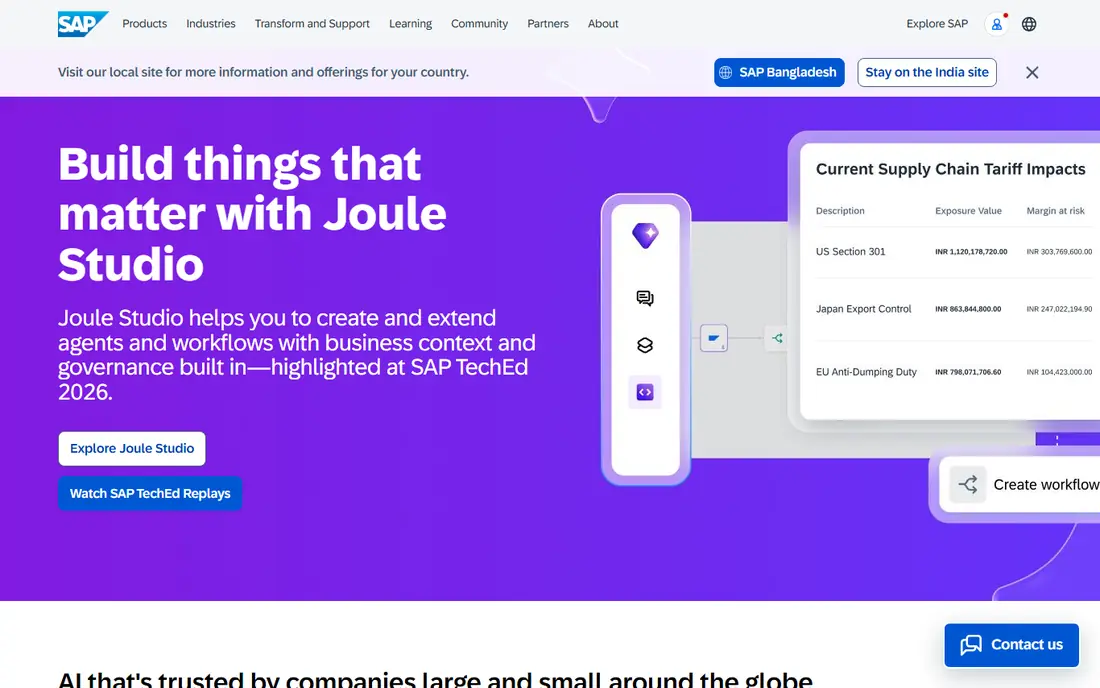
SAP Ariba is the natural supplier management choice for organisations already running SAP systems, because supplier data, sourcing, and procurement can sit in one connected environment. Its supplier network helps buyers discover and transact with suppliers, while onboarding and qualification tools keep supplier records consistent across the business. For a global team, that consistency is a real advantage.
The cost is complexity and time. Pricing is quote-based, implementation often takes months, and a small team may find the suite heavier than it needs. Where SAP Ariba earns its place is scale: many suppliers, many countries, and a need for standard processes that hold up across divisions and auditors.
- Large supplier network
- Sourcing, contracts, and supplier management in one suite
- Strong fit with SAP ERP
- Quote-based pricing
- Implementation can be long
- More than small teams usually need
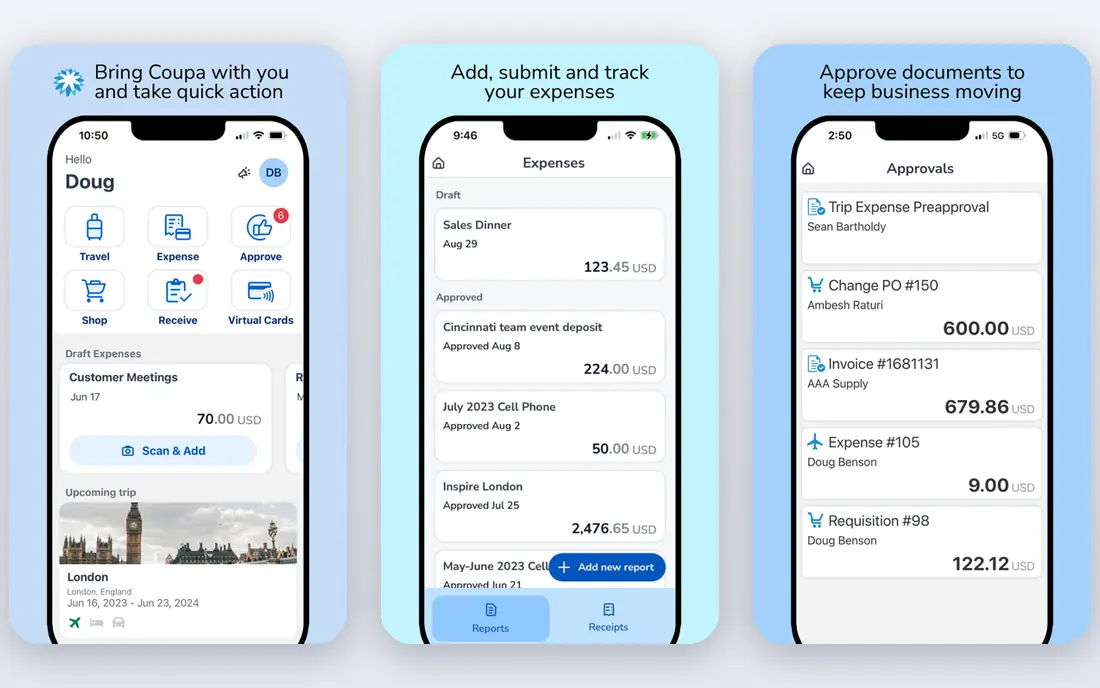
Coupa covers supplier management as part of a wider spend management platform, which suits finance-led teams that want one view of where money goes. Supplier onboarding, procurement, invoicing, and expenses sit together, so a supplier record is not isolated from the spending tied to it. Its analytics help teams spot concentration risk and off-contract buying.
That breadth needs configuration to match a company buying process, and pricing is quote-based rather than published. Teams should scope modules carefully and ask what is included in the first year, including implementation support. For mid-sized to large companies that want spend control first and supplier management inside it, Coupa is a strong contender.
- Broad spend management across procurement, invoicing, and expenses
- Clear supplier collaboration tools
- Strong analytics
- Quote-based pricing
- Broad scope needs careful configuration
- Enterprise setup effort
Oracle Fusion Procurement is the supplier management route for companies already on Oracle Cloud ERP, since supplier, sourcing, and purchasing data share the same system as finance. That shared data reduces duplicate supplier records and makes it easier to link a supplier to contracts, orders, and payments. Automated workflows help standardise approvals across teams.
Outside an Oracle environment, the case is weaker, since much of the value comes from that shared platform. Implementation also needs care for complex approval chains and multi-country buying. For Oracle customers, though, adding Fusion Procurement is often simpler than running a separate supplier system alongside the ERP.
- Tight fit with Oracle Cloud ERP
- Covers suppliers, sourcing, purchasing, and contracts
- Automated procurement workflows
- Best fit depends on an Oracle environment
- Configuration effort for complex processes
- Quote-based pricing
JAGGAER is known for strategic sourcing and supplier management in regulated settings, where an award may be challenged and the record must stand up. Its tools cover supplier onboarding, qualification, sourcing events, and contract management, with controls that help buyers document decisions. Manufacturing and public sector teams are common users.
That strength comes with enterprise weight. Pricing is quote-based, setup takes time, and occasional buyers may find the interface denser than a mid-market tool. For teams where sourcing discipline and audit trails matter more than speed of setup, JAGGAER is worth a serious evaluation.
- Strong sourcing and supplier qualification tools
- Suited to regulated and public sector buying
- Supplier risk features
- Quote-based pricing
- Enterprise implementation effort
- Interface can feel dense for casual users
Ivalua covers the full source-to-pay process, from supplier management and sourcing through contracts and procurement. It is a strong fit for teams that manage direct spend, such as materials for production, alongside indirect buying, because both can follow consistent supplier and contract processes. Its configurability lets teams shape workflows around their own approval rules.
Configurability is also the catch: a flexible platform needs skilled administration and a well-planned rollout, or it can become hard to maintain. Pricing is quote-based and implementation is an enterprise project. For large teams with complex sourcing needs, Ivalua offers depth that smaller tools cannot match.
- Broad source-to-pay coverage
- Strong for direct materials and sourcing
- Configurable workflows
- Quote-based pricing
- Long enterprise implementation
- Needs skilled administration
Zycus offers a broad source-to-pay suite with supplier management at its core, aimed at mid-to-large teams that want suite breadth without the largest enterprise price tag. Supplier onboarding, risk information, sourcing, and contracts sit together, and its automation features aim to cut manual work in supplier data and invoice handling.
Buyers should still treat it as an enterprise purchase, with quote-based pricing and a real implementation phase. The module set is wide, so scoping which modules the team will actually use in year one matters. For teams that want one supplier platform across sourcing and procurement, Zycus is a credible alternative to the biggest suites.
- AI-led source-to-pay suite
- Supplier management, sourcing, and contracts in one platform
- Broad module coverage
- Quote-based pricing
- Implementation still a project
- Some modules need tuning to fit a team
Precoro is the practical pick for a smaller buying team that needs order and control, not a year-long enterprise rollout. Requests, approvals, purchase orders, and supplier records follow a clear workflow, so managers can see who asked for what and whether it was approved before money was spent. Setup is measured in weeks rather than months, which matters for a growing company.
Its limits appear with complex strategic sourcing or direct materials planning, where enterprise suites offer deeper tools. For indirect buying, office supplies, services, and software, Precoro covers the daily work well. Teams that outgrow it can move up later, but many small and mid-sized companies will find it is enough.
- Faster setup than enterprise suites
- Clear request, approval, and purchase order workflow
- Supplier records tied to spending
- Less depth for complex strategic sourcing
- Some advanced features need higher plans
- Best for indirect buying
Procurify focuses on making company spending visible and controlled without a heavy procurement department. Employees submit requests, managers approve them, and finance can track purchases against budgets in real time. Supplier records sit alongside that spending, so a team can see which suppliers it relies on and where costs are rising.
It is not built for complex direct sourcing or large strategic sourcing events, and pricing is quote-based, so a demo and quote are needed for a firm number. For a growing company whose main problem is uncontrolled requests and unclear spending, Procurify offers a clear, usable fix without enterprise complexity.
- Simple request and approval workflow
- Real-time spend visibility
- Supplier and purchase tracking in one place
- Quote-based pricing
- Less suited to complex direct sourcing
- Reporting depth varies by plan
How we picked these
We compared official product pages, pricing pages, and procurement documentation, and we checked that each platform currently offers supplier onboarding, records, or risk features, not just purchase orders. We favoured tools with a clear supplier management job, a current product offering, and a fit for a distinct team size. We left out tools that only handle invoicing or only handle contracts.
Buying supplier software for your team size
Start by counting suppliers and spend types, not by picking the biggest brand. A team with under a hundred suppliers and mostly indirect buying will move faster with Precoro or Procurify, while a team with thousands of suppliers, direct materials, and regulated sourcing needs an enterprise suite such as SAP Ariba, Coupa, or Ivalua. List the must-have jobs first: onboarding, risk checks, contract storage, performance tracking, or spend reporting, and score each vendor on those jobs only.
Ask for total cost, not just licence cost. Enterprise quotes often exclude implementation, data migration, and training, and those can rival the first year licence. Run a trial with real supplier records, including a messy one, and check how onboarding, approvals, and reporting actually work. Also confirm how supplier data moves to your ERP and finance system, since a supplier tool that cannot share data cleanly will create duplicate records and extra work.
Frequently asked questions
What is the best supplier management software for a small business?
Precoro and Procurify are the most approachable picks, since both focus on clear requests, approvals, and spend visibility with faster setup than enterprise suites. Pick Precoro for a straightforward procure-to-pay workflow, and Procurify if real-time budget tracking is the main need.
What is the best supplier management platform for a large enterprise?
SAP Ariba suits SAP customers, Coupa suits finance-led spend control, and Ivalua suits sourcing-intensive teams with direct spend. JAGGAER is a strong pick where regulated sourcing and audit trails matter. All four use quote-based pricing, so compare modules and implementation scope, not just the headline quote.
Does supplier management software replace an ERP?
No. Supplier tools manage supplier records, sourcing, and contracts, while the ERP remains the system for finance, inventory, and payments. The best setups share supplier data between the two, so a supplier is created once and used consistently across buying and finance.
How long does implementation take?
Mid-market tools such as Precoro and Procurify can be live in weeks, while enterprise suites often take many months, depending on supplier count, data migration, and approval complexity. Ask each vendor for a timeline based on your supplier numbers, not a generic estimate.
What supplier risk features should buyers check?
Check onboarding checks, qualification questionnaires, document expiry tracking, and ongoing risk signals such as financial or compliance flags. Also check who owns supplier data quality after go-live, since a system is only as useful as the records inside it.
Sources
See where you really rank - block by block
ProMapRanker scans Google Maps across a grid of your service area. Simple monthly plans from $19, white-label on every plan.
Start freeKeep reading
 wpforms alternatives
Best WPForms Alternatives in 2026
We compare 9 wpforms alternatives for WordPress forms, with free and paid options, current pricing notes, and honest limits for small business sites in 2026.
Read → windows task scheduler alternatives
Best Windows Task Scheduler Alternatives in 2026
Looking for Windows Task Scheduler alternatives? We compare 9 schedulers for Windows and cross-platform work, from free tools to enterprise automation.
Read → which ai video service is best
Which AI Video Service Is Best in 2026
which ai video service is best? We compare 10 legitimate AI video services on price, avatars, editing and output quality to help you pick the right tool.
Read →