 ProMapRanker
Best Solana Staking Platforms in 2026

Key takeaways
- Exchanges are simplest but charge the highest commissions, often 25 to 40 percent of rewards
- Wallets give control and validator choice, but you manage your own keys
- Liquid tokens add liquidity and smart contract risk
- No staking rate here is a promised return, since rates move with network conditions
Quick comparison
| Pick | Great for | Pricing starts at | Free tier | |
|---|---|---|---|---|
 Coinbase | Simplest exchange staking for US beginners | Free | Yes | Visit |
 Kraken | Exchange staking with flexible and bonded options | Free | Yes | Visit |
 Binance | Exchange staking with a liquid staking token | Free | Yes | Visit |
 Marinade Finance | Liquid staking across many validators | Free | Yes | Visit |
 Jito | Liquid staking with MEV-boosted rewards | Free | Yes | Visit |
 Phantom | Self-custody wallet staking for everyday users | Free | Yes | Visit |
 Solflare | Wallet staking with strong validator tools | Free | Yes | Visit |
 Ledger | Hardware wallet staking for larger holdings | Free | Yes | Visit |
 Everstake | Validator staking with a long track record | Free | Yes | Visit |
The best Solana staking platforms
We compared custody, fees, liquidity, validator choice and ease of use, and we kept the focus on SOL staking rather than general crypto earn products. Wallets lead for control, Marinade and Jito lead for liquidity, and exchanges lead for simplicity. This article is general information only, not financial advice. Staking carries risk, including price falls, validator problems, smart contract bugs and exchange failure, and past rates do not predict future returns. Never stake funds you may need at short notice, and check current fees and terms on the provider page before staking.
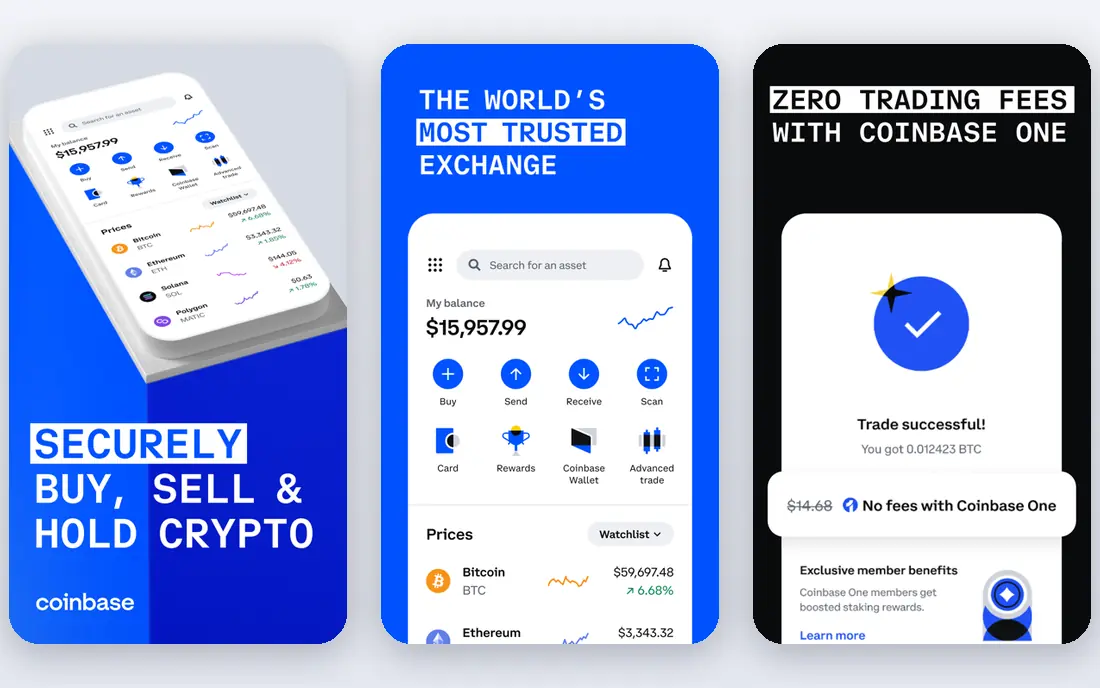
For readers who want simplest exchange staking for US beginners, Coinbase is a strong place to start. Coinbase lets you stake SOL from your exchange balance without running a wallet or picking a validator.
Its standard commission on staking rewards is reported at 35 percent, which lowers the net return compared with self-custody options, and unstaking can be instant for a fee or free after a wait. The catch is that commission, because convenience costs a large share of rewards, so compare the net figure before staking a large amount. That trade-off is worth weighing against what you will actually use each week, rather than paying for a long feature list you may never open.
- Simple staking from an exchange balance
- Regular payouts
- Large regulated exchange
- 35 percent standard commission on rewards reported
- Custody stays with the exchange
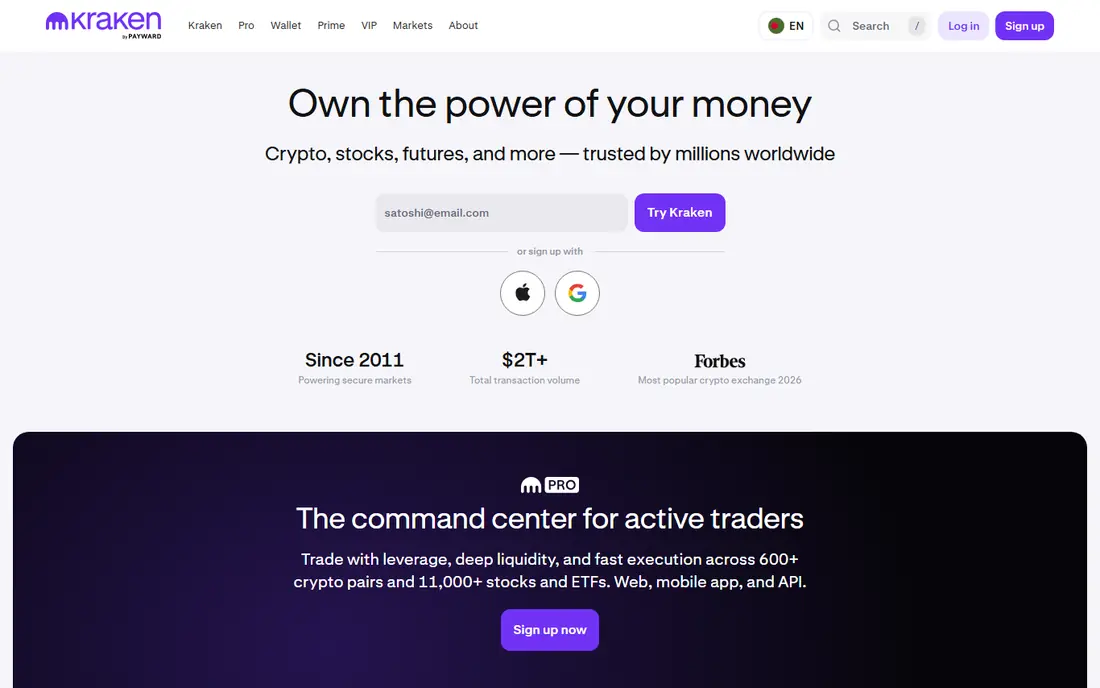
If exchange staking with flexible and bonded options is your main need, Kraken deserves a close look. Kraken offers flexible staking with a higher commission and bonded staking with a lower commission, so you can trade speed of exit against net return.
Recent October 2026 comparisons list flexible staking around 3.38 percent and bonded staking up to about 6.88 percent, with commissions from 25 percent on bonded tiers. The catch is bonding, because bonded stakes have withdrawal limits, so keep funds you may need soon in a flexible option. That trade-off is worth weighing against what you will actually use each week, rather than paying for a long feature list you may never open.
- Flexible and bonded choices
- Long exchange history
- Clear staking pages
- Bonded commission varies
- Exchange custody applies
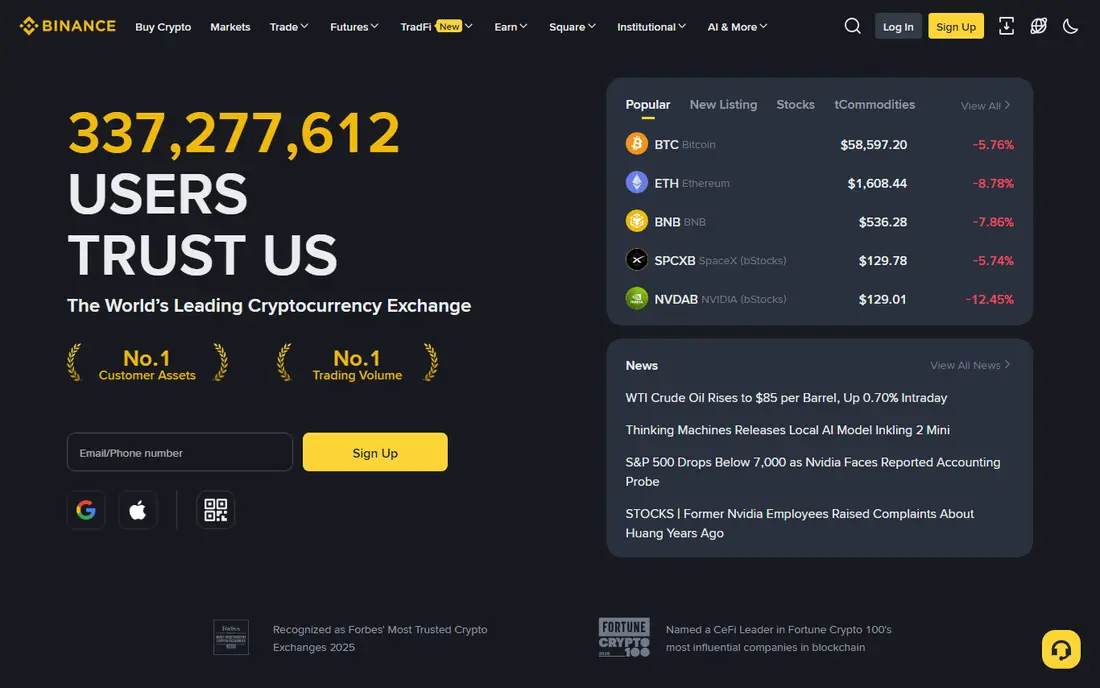
Binance stands out for exchange staking with a liquid staking token, and it keeps the core job simple. Binance offers SOL staking through its earn pages, plus a liquid staking token that can be traded or used elsewhere while the underlying SOL is staked.
That token keeps some liquidity, but the exchange commission is high compared with wallet staking, so the net return is lower. The catch is custody and commission together, because you give up both control and a large share of rewards for simplicity. That trade-off is worth weighing against what you will actually use each week, rather than paying for a long feature list you may never open.
- Large liquidity
- Liquid staking token option
- Simple earn pages
- Commission on rewards reported near 40 percent
- Custody stays with the exchange
A good fit for liquid staking across many validators, Marinade Finance covers the basics without piling on extras. Marinade Finance issues mSOL when you stake SOL, and that token can be traded or used in decentralised apps while rewards build into its value.
It spreads stake across many validators, which reduces reliance on any single validator, and it reports no deposit fee on its staking options. The catch is smart contract risk, because a protocol bug or market shock can affect a liquid token in ways native staking does not. That trade-off is worth weighing against what you will actually use each week, rather than paying for a long feature list you may never open.
- Liquid mSOL token
- Broad validator spread
- No deposit fee reported
- Smart contract risk
- Unstaking choices affect cost and timing
Jito is worth shortlisting when liquid staking with MEV-boosted rewards matters most to you. Jito issues jitoSOL and adds MEV revenue from validators running its client on top of base staking rewards.
That extra revenue can raise returns in busy markets, but it can also shrink in quiet markets, so the rate is less steady than plain native staking. The catch is variation, because MEV income is not a fixed rate, so treat any quoted figure as a snapshot, not a promise. That trade-off is worth weighing against what you will actually use each week, rather than paying for a long feature list you may never open.
- JitoSOL liquid token
- MEV revenue on top of base rewards
- Large liquid staking presence
- MEV income varies, so returns move
- Validator set is narrower than Marinade
When self-custody wallet staking for everyday users is the priority, Phantom makes a clear case for itself. Phantom lets you stake SOL inside the wallet you already use for Solana, with a choice of validators and a liquid staking option beside native staking.
Self-custody means you keep control of your keys, but it also means you are responsible for backups and security. The catch is key management, because losing seed words can mean losing access, so store backups offline and never share them. That trade-off is worth weighing against what you will actually use each week, rather than paying for a long feature list you may never open.
- Easy native staking inside a popular wallet
- Validator choice
- Liquid staking option
- You manage your own keys
- Unstaking has a network wait
For wallet staking with strong validator tools, Solflare offers a focused set of tools that are easy to follow. Solflare is a Solana wallet with native staking, liquid staking and validator information that helps you compare commission and performance.
It suits readers who want validator choice and do not mind managing their own wallet security. The catch is confidence, because the extra validator detail helps only if you are willing to read it before delegating. That trade-off is worth weighing against what you will actually use each week, rather than paying for a long feature list you may never open.
- Native and liquid staking
- Validator details
- Web and mobile wallets
- Self-custody responsibility
- Interface suits confident users
If you care most about hardware wallet staking for larger holdings, Ledger is one of the steadier choices here. Ledger keeps private keys on a hardware device, and you can stake SOL through its companion app while keys stay offline.
That setup suits larger holdings where security matters more than speed, and it still lets you pick validators. The catch is friction, because buying the device, setting it up and confirming transactions takes more effort than exchange staking. That trade-off is worth weighing against what you will actually use each week, rather than paying for a long feature list you may never open.
- Private keys kept offline
- Staking through Ledger Live
- Wide coin support
- Hardware cost is separate
- Setup takes longer than an exchange
Readers focused on validator staking with a long track record will find Everstake easy to settle into. Everstake runs validators across several networks and lets you delegate SOL without giving up custody of your coins.
Delegation keeps your SOL in your wallet while rewards flow from validator performance, minus validator commission. The catch is validator choice, because commission and uptime differ, so check the current figures before delegating. That trade-off is worth weighing against what you will actually use each week, rather than paying for a long feature list you may never open.
- Established validator operator
- Staking guides
- Non-custodial delegation
- Validator commission varies
- You still face network and price risk
How we picked these
We reviewed official staking pages, help pages and recent October 2026 comparisons, and compared commissions, unstaking waits and custody models. We did not claim hands-on staking, and we avoided promised returns, because staking rates move with network conditions. Where figures differed across sources, we described the range or the commission rather than fixing a single rate.
How to choose a staking route without taking needless risk
Start with custody. Exchanges are simplest but hold your coins, while wallets keep control with you and demand careful key backups. Next, compare net return after commission, not the headline rate, since commissions from roughly 25 to 40 percent on exchanges change the result a lot. Finally, decide on liquidity: native staking has an unstaking wait, while liquid tokens trade freely but carry smart contract and price risk.
Frequently asked questions
What is the best solana staking platform?
For most beginners, Coinbase or Kraken is the simplest start, while Phantom or Solflare is better for control. Marinade and Jito suit readers who want a liquid token they can trade or use elsewhere.
What is the best platform for staking Solana with a wallet?
Phantom and Solflare are strong wallet choices, because they offer native staking and validator choice inside a self-custody wallet. Ledger adds hardware security for larger holdings.
Is Solana staking safe?
Staking carries risks, including price falls, validator downtime, smart contract bugs for liquid tokens, and exchange failure for custodial staking. It does not protect your SOL value, and rewards are paid in SOL, so their dollar value can fall.
Can I unstake SOL at any time?
Native unstaking has a network wait of a few days, while liquid tokens can be traded at once but may trade below their unstaked value. Exchanges may offer instant unstaking for a fee.
Do I pay tax on staking rewards?
In the US, staking rewards are generally treated as income when received, but tax rules depend on your situation. Keep records of rewards and speak to a tax professional for advice on your own position.
Sources
See where you really rank - block by block
ProMapRanker scans Google Maps across a grid of your service area. Simple monthly plans from $19, white-label on every plan.
Start freeKeep reading
 wpforms alternatives
Best WPForms Alternatives in 2026
We compare 9 wpforms alternatives for WordPress forms, with free and paid options, current pricing notes, and honest limits for small business sites in 2026.
Read → windows task scheduler alternatives
Best Windows Task Scheduler Alternatives in 2026
Looking for Windows Task Scheduler alternatives? We compare 9 schedulers for Windows and cross-platform work, from free tools to enterprise automation.
Read → which ai video service is best
Which AI Video Service Is Best in 2026
which ai video service is best? We compare 10 legitimate AI video services on price, avatars, editing and output quality to help you pick the right tool.
Read →