 ProMapRanker
Best Software Engineering Schools in 2026


Research depth and theory · Pricing starts at: See website
Key takeaways
- Most strong programs sit inside computer science departments, so check the degree name and course list, not just the school name.
- Large public schools often give wider course choice and lower in-state tuition, while small private schools give smaller classes and closer faculty contact.
- A dedicated software engineering degree is rarer than a computer science degree, and both can lead to the same software jobs.
- We list no rankings, tuition figures or acceptance rates here, because those numbers change often. Check each official site for current figures.
- Location matters for internships, since schools near tech employers tend to offer more nearby placement options.
Quick comparison
| Pick | Great for | Pricing starts at | Free tier | |
|---|---|---|---|---|
| Massachusetts Institute of Technology | Research depth and theory | See website | No | Visit |
 Stanford University | Silicon Valley connections | See website | No | Visit |
 Carnegie Mellon University | A dedicated software engineering degree | See website | No | Visit |
 University of California, Berkeley | Large public program strength | See website | No | Visit |
 Georgia Institute of Technology | Value at a large public school | See website | No | Visit |
 University of Illinois Urbana-Champaign | Broad computer science choice | See website | No | Visit |
 Purdue University | Practical engineering focus | See website | No | Visit |
 University of Texas at Austin | Big program with industry links | See website | No | Visit |
 Cornell University | Ivy League breadth | See website | No | Visit |
The best software engineering schools
We compared well known US programs for software engineering and computer science, looking at degree options, course breadth and links to employers. Use this list as a shortlist, then check each school's own pages for current costs and admission rules.
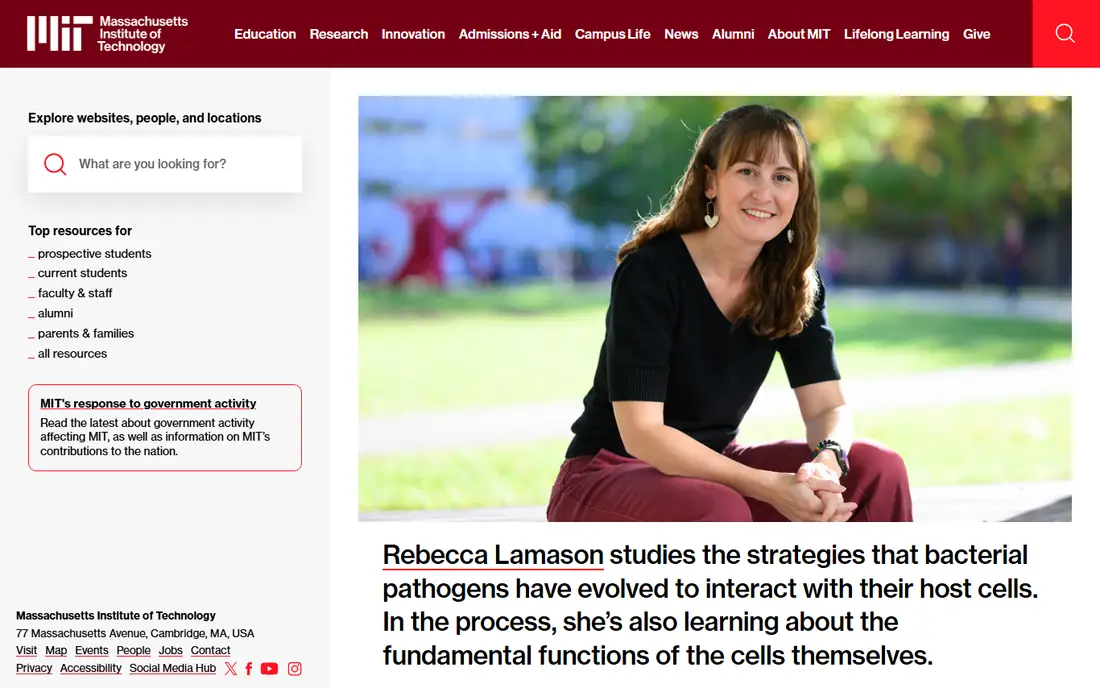
MIT teaches computer science and engineering with a heavy emphasis on fundamentals, from algorithms to systems design. Students who want to understand how software works at a deep level, rather than only how to build an app, tend to fit well here. Research groups cover areas such as artificial intelligence, systems and security, and undergraduates can often join lab work.
The catch is selectivity and pressure. Classes move fast, and the peer group is unusually strong, which can feel demanding. Financial aid can change the picture a lot, so check the official aid pages before ruling MIT out on price alone.
- Deep computer science and engineering teaching
- Strong research labs
- Large alumni network in tech
- Admission is highly selective
- Costs are high without aid
- The workload is intense

Stanford sits in the middle of Silicon Valley, and that location shapes the program. Internships, guest lectures and part time work with nearby companies are easier to arrange than at most schools. The computer science curriculum covers software design, systems and artificial intelligence, with room to specialise.
Students who want a mix of technical depth and company exposure will find plenty of it. The downside is cost of living in the area, plus competition for the most popular courses and research spots. Aid and housing details on the official site deserve a close read.
- Close ties to Silicon Valley employers
- Strong computer science faculty
- Startup culture nearby
- Admission is highly selective
- Housing and living costs are high
- Large classes in popular courses
Carnegie Mellon stands out because it offers a dedicated Bachelor of Science in software engineering, not only a general computer science degree. That program puts weight on team projects, requirements, testing and large system design, which mirrors real industry work. Its School of Computer Science is also known for research in software engineering methods.
This is a good pick for students who already know they want to build large systems and manage software projects. Expect a heavy workload and a technical peer group. Check the degree requirements on the official site, since the software engineering track differs from the computer science track.
- Dedicated software engineering degree option
- Strong software engineering institute
- Project based learning
- Admission is highly selective
- Tuition is high
- The program is demanding
Berkeley offers electrical engineering and computer sciences with a software focus, and the course catalogue is unusually wide. Students can move from operating systems to machine learning to human computer interaction without changing schools. Proximity to Bay Area employers also helps with internships.
Size is the trade off. Introductory courses can hold hundreds of students, so motivated students need to seek out office hours, clubs and research roles. In state students get a much lower price than out of state students, so residency status changes the value calculation.
- Strong electrical engineering and computer sciences program
- Wide course range
- Bay Area employer links
- Very large classes in core courses
- Housing costs are high
- Out of state tuition is steep
Georgia Tech combines a large computing college with a practical outlook. Students can specialise in areas such as software development, systems and media, and the co-op tradition gives many students paid work experience before graduation. Atlanta adds employers in tech, logistics and finance.
The program works well for students who want solid technical training without a private school price tag, at least for in state students. Popular threads and courses fill fast, so planning ahead matters. Check the official threads and degree plans to see which specialisation fits your goals.
- Strong College of Computing
- Practical, career focused teaching
- Atlanta employer links
- Large program with competition for popular classes
- Out of state costs are higher
- Campus life suits tech focused students best
Illinois offers a computer science program with a software engineering concentration, covering design, testing and project management alongside core theory. The department has long standing links with large tech employers, and career fairs draw a wide range of companies. Research options are plentiful for students who want them.
The main drawback is scale. Core courses are large, and students need to be proactive about finding mentors and project teams. The campus town setting suits students who prefer a focused college environment over a big city.
- Wide computer science curriculum
- Software engineering concentration
- Strong industry recruiting
- Large classes
- Cold winters
- Out of state tuition is high
Purdue brings an engineering mindset to software study, with attention to building, testing and maintaining systems that work in the real world. The computer science program covers software engineering topics, and the co-op program lets students alternate study with paid work terms. Employers recruit heavily on campus.
Students who like structured, hands on engineering training tend to do well here. Purdue is not in a coastal tech hub, so students may need to travel for some internships. That trade off is balanced by a large alumni network and a clear career focus.
- Strong engineering tradition
- Practical software coursework
- Co-op and internship culture
- Large program
- Less central to coastal tech hubs
- Winters are cold
UT Austin offers a strong computer science program in a city with a growing tech presence. Students can take electives across software engineering, systems, artificial intelligence and data science, and local employers offer internships close to campus. The department is well known to recruiters across the US.
Getting into the major is competitive, even after admission to the university, so applicants should check the internal transfer rules. Large class sizes in core courses are common. For Texas residents, the price is a major plus.
- Strong computer science department
- Austin tech scene
- Wide range of electives
- Admission to the major is competitive
- Large classes
- Out of state tuition is high
Cornell pairs a respected computer science program with the breadth of a large Ivy League university. Students can combine computing with business, design or science courses, which suits those who are not yet sure which direction to take. Research groups and project teams give hands on experience beyond lectures.
The setting is the main trade off. Ithaca is a college town, not a tech hub, so some internships require travel. Costs are also high without aid. Students who value breadth, research and a traditional campus experience will find Cornell a strong fit.
- Broad university with strong computer science
- Research opportunities
- Large alumni network
- Tuition is high
- Ithaca winters are harsh
- The campus is remote from major tech hubs
How we picked these
We compared official program pages, degree structures and public course information for US schools with strong software engineering and computer science teaching. We favoured schools that offer a software engineering degree or concentration, or a computer science program with clear software design, testing and project courses. We did not rank the schools, because the best fit depends on price, location, class size and career goals, and we did not invent tuition or acceptance figures that change each year.
What to check before you apply
Start with the degree plan, not the brand name. Look for courses in software design, testing, databases, operating systems and team projects, and check whether a capstone project is required. A program with a real team project gives you work to show employers, which matters more than a single exam grade.
Next, check total cost, not just tuition. Housing, fees and travel add up, and aid rules differ sharply between public and private schools. Ask each admissions office about merit aid, need based aid and net price calculators, and compare the four year total, not one year alone.
Finally, look at internship and career support. Check which companies recruit on campus, whether co-op terms are available, and how the career centre helps with resumes and interviews. Visit if you can, talk to current students, and ask what graduates actually do in their first year after graduation.
Frequently asked questions
What are the best schools for software engineering?
There is no single best school, because fit depends on cost, location and learning style. The schools in this list all offer strong software engineering or computer science teaching, and the right choice is the one whose degree plan, price and internship options match your goals. Shortlist three or four, then compare their official course lists side by side.
What is the difference between software engineering and computer science degrees?
Computer science covers theory, algorithms and computing broadly, while software engineering focuses more on building, testing and maintaining large software systems in teams. Many employers hire graduates from both degrees for the same roles. Check the required courses for each degree at a given school, since the labels vary.
Which are the best universities for software engineering in the USA?
The schools most often cited for strength in this field include MIT, Stanford, Carnegie Mellon, Berkeley and Georgia Tech, along with large public programs such as Illinois, Purdue and UT Austin. Use those names as a starting point, not a final verdict, and weigh cost and location alongside reputation.
Do I need a software engineering degree to become a software engineer?
No, many software engineers hold computer science degrees, other engineering degrees, or no degree at all, with skills built through projects and work experience. A degree helps with structured learning, internships and early career recruiting. Portfolios, internships and problem solving skill matter a great deal to employers.
Are top software engineering schools worth the cost?
That depends on aid, residency and career plans. A public school with in state tuition can offer similar teaching to a private school at a much lower total cost. Compare net price after aid, expected debt and internship earnings, rather than sticker price alone, before deciding.
How do I choose between a large public school and a small private school?
Large public schools usually offer more courses, more research labs and lower in state prices, but larger classes. Small private schools usually offer smaller classes and closer faculty contact, but higher tuition. Visit both types if possible, and ask current students about class size, advising and access to research.
Sources
See where you really rank - block by block
ProMapRanker scans Google Maps across a grid of your service area. Simple monthly plans from $19, white-label on every plan.
Start freeKeep reading
 free alternatives to grok imagine
Free Alternatives to Grok Imagine in 2026
We compared the best free alternatives to grok imagine for image generation, from fast daily credits to design tools, so you can create without paying.
Read → best tools for instagram content creation
Best Tools for Instagram Content Creation in 2026
Compare the best tools for Instagram content creation, from Canva and CapCut to Later and Buffer, on design, video, planning, scheduling, and price in 2026.
Read → best tool to split pdf files
Best Tool to Split PDF Files in 2026
We compared the best tool to split pdf files on split modes, file limits, privacy and price, so you can split a PDF cleanly and keep every page in one go.
Read →