 ProMapRanker
Best Social Media Platforms for Business in 2026

Key takeaways
- Facebook and Instagram remain the safest starting pair for most consumer and local businesses, with the most mature advertising tools.
- LinkedIn owns business-to-business marketing, while YouTube owns long-form trust building through tutorials and reviews.
- TikTok offers fast organic reach for short video, but it demands frequent, native-feeling content that not every business can sustain.
- Picking one or two platforms and doing them well beats a thin presence on six, so start where your customers already spend time.
Quick comparison
| Pick | Great for | Pricing starts at | Free tier | |
|---|---|---|---|---|
 Facebook | Local businesses and community building | Free | Yes | Visit |
 Instagram | Visual brands and product discovery | Free | Yes | Visit |
 LinkedIn | Business-to-business marketing and credibility | Free | Yes | Visit |
 YouTube | Tutorials, reviews and long-form trust | Free | Yes | Visit |
 TikTok | Short video reach with younger audiences | Free | Yes | Visit |
 X | Real-time conversation and news | Free | Yes | Visit |
 Pinterest | Discovery for home, fashion and planning niches | Free | Yes | Visit |
 Reddit | Honest community discussion and feedback | Free | Yes | Visit |
The best social media platforms for business
We compared eight platforms on audience, advertising tools, content formats and fit for small businesses. The best social media platforms for business below are free to join, with paid advertising as an optional extra, so the real cost is the time it takes to post well and answer customers.
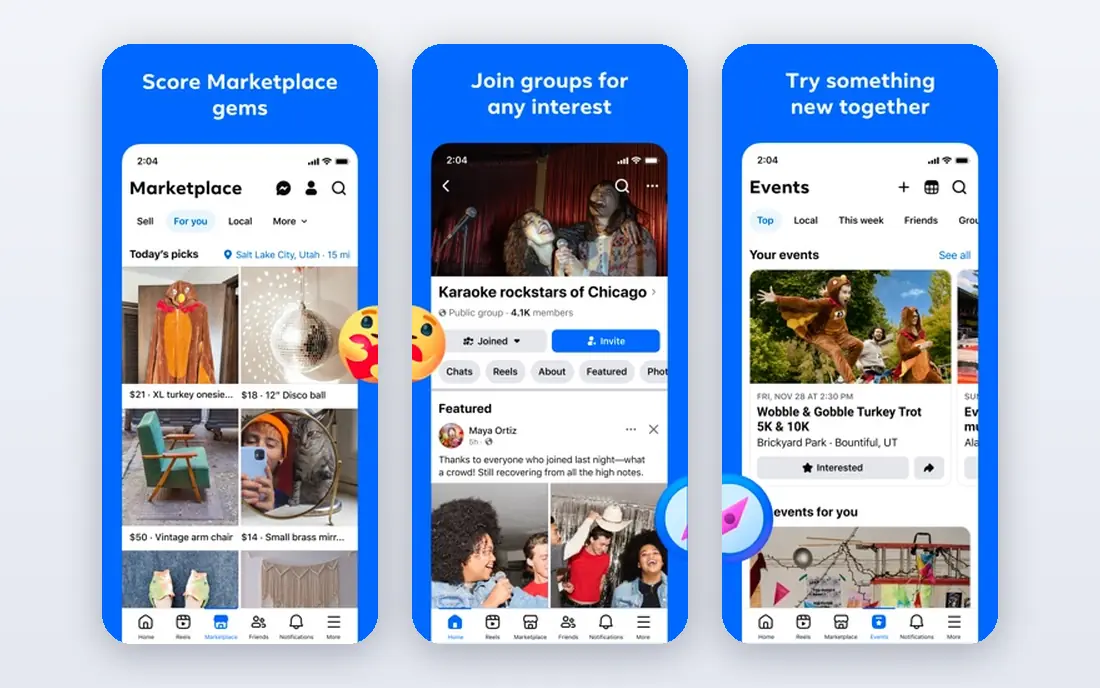
Facebook remains the default for local and community-focused businesses. A page, a Group and a steady stream of local updates can carry a service business a long way, and reviews on the page help new customers judge trust before they call. Events work well for openings, classes and seasonal offers, while Messenger gives customers a direct way to ask questions.
Advertising is where Facebook earns its place in most budgets. Targeting by location, interests and past website visits is mature, and the same ad tools cover Instagram, which makes testing cheaper. The catch is organic reach: a business page post alone now reaches a small share of followers, so a plan that relies only on free posts will stall. Treat Facebook as a community and advertising base, not as a free noticeboard.
- Very large audience
- Groups, Events and reviews suit local businesses
- Mature advertising and targeting tools
- Organic reach for business pages is low
- Older audience skew means it misses some younger buyers
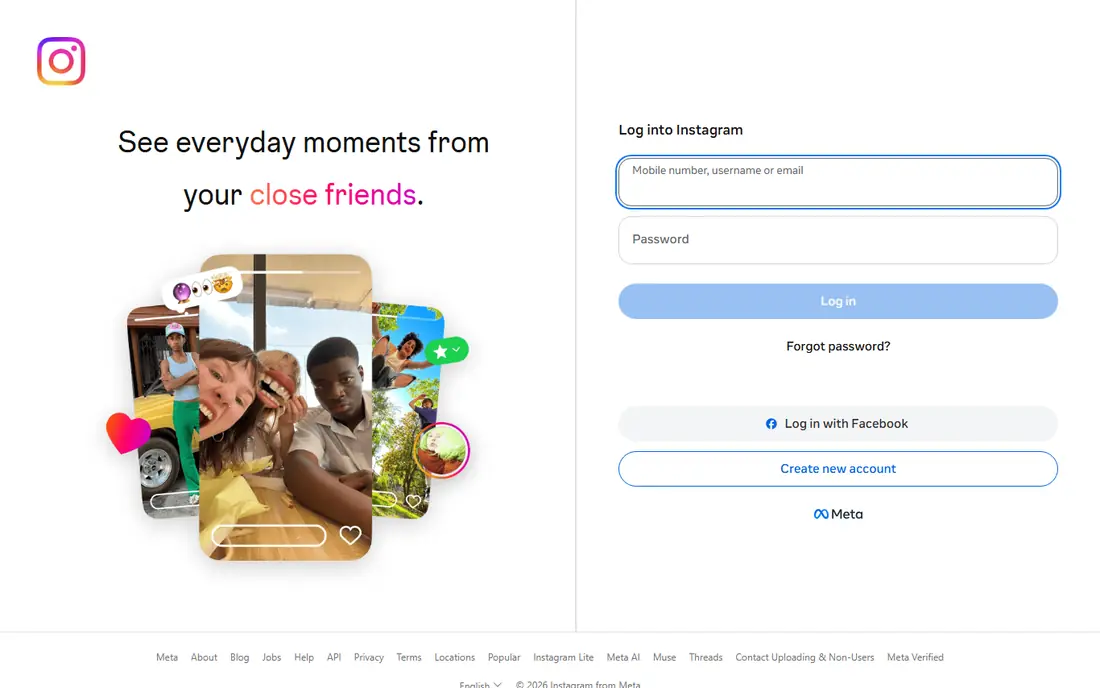
Instagram is the natural home for businesses that can show their work: restaurants, salons, shops, makers, fitness studios and property firms. Photos and Reels carry the story, Stories handle daily updates and polls, and shopping features let a viewer move from a post toward a product without a long detour. Discovery through Reels still gives smaller accounts a chance to be found by people who do not follow them yet.
The cost is content. Instagram rewards accounts that post consistently and look polished, which takes photography, editing and planning time. A business with nothing visual to show will struggle here, and should lean on Facebook or LinkedIn instead. If your product looks good in a photo or a short clip, Instagram is usually the first platform to master.
- Strong for visual products and brand building
- Reels offer broad discovery
- Shopping features link posts to products
- Demands regular visual content
- Link options outside the bio are limited
- Competition for attention is intense
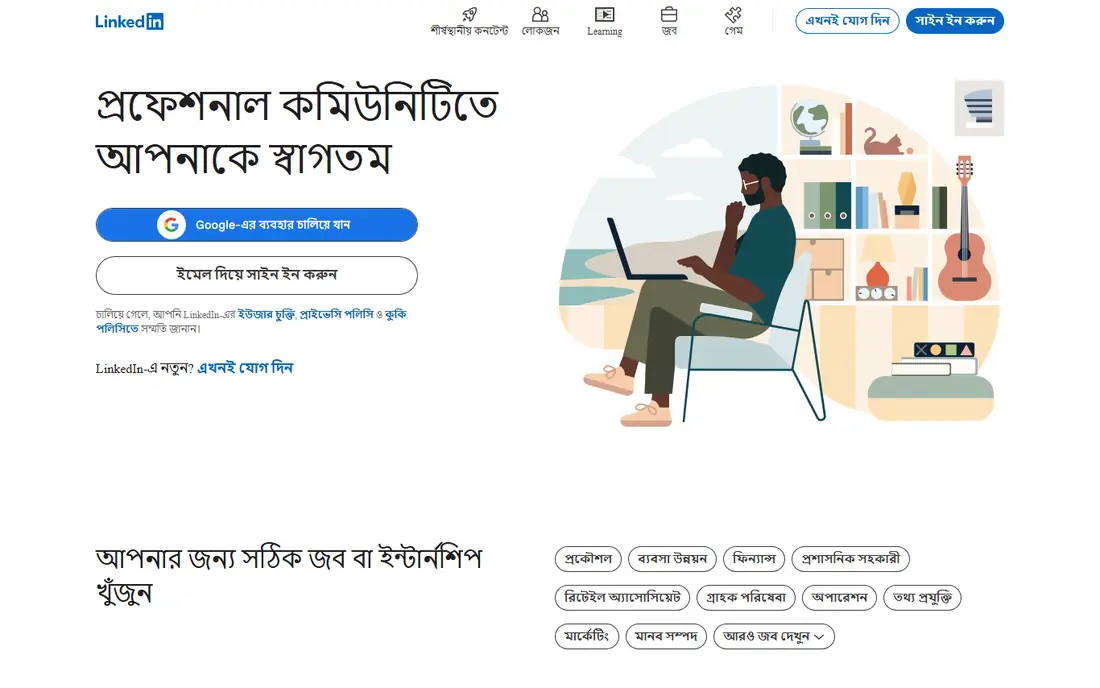
LinkedIn is the clear pick for businesses that sell to other businesses. Decision makers, founders and hiring managers spend time here in a work mindset, which makes it the right place for case studies, industry views and service explanations. A personal profile that posts useful insight often outperforms a company page alone, since people connect with people first.
Advertising on LinkedIn is expensive compared with Meta platforms, so small budgets should start with organic posts and direct outreach rather than paid campaigns. Content also needs a professional tone: a post that works on TikTok will usually fall flat here. For consultants, agencies, software firms and professional services, LinkedIn is not optional, it is the main channel.
- Reaches decision makers directly
- Strong for thought leadership and recruiting
- Company pages build professional trust
- Advertising costs are high
- Consumer and impulse products usually perform poorly here
YouTube suits businesses that need to explain something before a customer buys. A tutorial, a product walkthrough, a customer story or a comparison video answers questions that a short post cannot, and it keeps appearing in search long after publication. That long life makes YouTube the best platform for evergreen content, even if early views are modest.
Production is the barrier. Filming, editing and scripting a useful video takes hours, and a channel with three videos will not transform a business overnight. Start with the questions customers already ask, answer one per video, and keep the format simple. Businesses that sell complex, expensive or technical products get the most from YouTube, because trust is the real product being sold.
- Videos keep working in search for years
- Ideal for tutorials and product explanations
- Builds deep trust
- Production takes far more time than a social post
- Growth is slow at first for most channels
TikTok offers the fastest organic reach left on social media for businesses that can make short, native-feeling video. A useful tip, a behind-the-scenes clip or a genuine product demo can reach far beyond an account's followers, which is rare on other platforms now. The audience skews younger, but it has broadened every year, and local businesses from cafes to trades firms have found customers here.
The format is unforgiving. TikTok rewards frequent posting and a casual style, and polished ad-style videos often flop. Businesses that cannot film regularly, or whose customers rarely use the app, should not force it. Test TikTok with a few honest, simple videos before committing, and judge it on enquiries and sales, not just views.
- Fast organic reach for engaging short video
- Discovery is not limited to followers
- Suits authentic, informal content
- Demands frequent posting
- Trends move fast
- Not every business or audience fits the format
X works best for businesses that have something timely to say. News, live updates, industry commentary and quick customer replies fit the format, and a well-timed post can travel fast among journalists, tech buyers and engaged fans. For media, software, events and public-facing brands, it remains a useful distribution layer.
Most local and consumer businesses will get less from X than from Facebook or Instagram, because the audience is narrower and posts disappear quickly. Advertising also varies by industry, so test with a small budget before committing. Use X as a conversation and news channel when your customers actually follow topics there, not as a default presence.
- Fast for news, commentary and customer conversation
- Useful for tech, media and public-facing brands
- Short posts limit depth
- Audience and advertising value vary widely by industry
- Moderation can be unpredictable
Pinterest suits businesses whose customers plan ahead: home decor, fashion, weddings, food, travel and do-it-yourself projects. Users save ideas for later, which means a pin can keep sending traffic months after publication, unlike a feed post that fades in a day. That long life, plus a planning mindset, makes Pinterest traffic unusually valuable for product businesses.
The fit is narrow. A service business with no visual product will struggle to make Pinterest pay, and success needs a steady supply of good images linked to useful pages. If your customers already use Pinterest to plan purchases in your niche, it can be a quiet but steady source of sales. If they do not, spend that time on Instagram or search instead.
- Acts like a visual search engine
- Pins keep driving traffic for months
- High-intent audience planning purchases
- Narrower fit than Facebook or Instagram
- Needs strong images and consistent pinning
- Weak for services with nothing visual
Reddit is different from every other platform here, because its communities set the rules and reject open selling. That strictness is also its value: people ask honest questions, share real experiences and call out weak claims, so a business that listens learns what customers actually think. Niche subreddits cover almost every hobby, trade and buying decision.
Marketing on Reddit means participating, not broadcasting. Answer questions helpfully, share genuinely useful material, and respect each community's rules about self-promotion. Paid ads can work for awareness, but they need careful targeting and honest creative. Use Reddit for research, feedback and credibility first, and treat any sales that follow as a bonus.
- Direct access to niche communities
- Honest feedback and questions
- Useful for research and reputation
- Open advertising is often rejected
- Community rules are strict
- Brand accounts must earn trust slowly
How we picked these
We compared official platform pages, advertising documentation and public business guidance for the major social platforms, and we kept only platforms that are live in the United States in October 2026 and offer a real business presence, whether a page, profile or channel. We favoured a mix of broad consumer platforms, business-to-business channels and niche discovery communities, rather than listing every small app. We did not claim hands-on testing of advertising results, since those vary by industry, budget and creative.
How to choose the right platforms for your business
Start with your customer, not the platform. Ask where your buyers already spend time, what they are doing there, and what content you can actually make every week. A business-to-business consultancy belongs on LinkedIn, a visual shop belongs on Instagram, and a local service firm usually starts with Facebook. One platform done well, with regular posts and prompt replies, beats five neglected profiles.
Next, test advertising separately from organic posting. A platform can be great for free community building and poor for paid ads, or the reverse, and only a small test with a clear goal will show which is true for you. Track enquiries, bookings or sales per platform, not just followers or likes, and give a new channel at least two months of consistent effort before you judge it. Drop the weakest channel and double down on the one that brings real customers.
Frequently asked questions
Which social media platform is best for advertising?
For most consumer and local businesses, Facebook and Instagram offer the most mature advertising tools and the broadest targeting, since they share Meta's ad system. LinkedIn is usually best for business-to-business advertising, despite higher costs, because it targets by job title and company. Test with a small budget and judge on qualified leads or sales, not clicks alone.
What is the best social media platform for small business?
Facebook and Instagram are the safest starting pair for most small businesses, because they cover local customers, visual products and advertising in one system. Add LinkedIn if you sell to other businesses, TikTok if you can make short video regularly, and Pinterest if your products suit planning and discovery.
Which social media platform is best for business-to-business marketing?
LinkedIn is the strongest business-to-business platform, since decision makers use it in a work context and company pages build professional credibility. YouTube supports it well for longer explanations and case studies, while X can help with industry conversation and news.
Do I need to be on every social media platform?
No. A thin presence on many platforms usually performs worse than a strong presence on one or two. Pick the platforms where your customers already are, post consistently, reply promptly, and only add another channel once the first ones are running well.
Is TikTok good for business?
TikTok can be very good for businesses that make authentic short video and target younger or discovery-driven buyers, since organic reach can be fast. It is less useful for businesses that cannot film regularly, sell complex services that need long explanations, or target audiences who rarely use the app.
What is the best social media tool for business?
This guide covers platforms, not scheduling tools, but most businesses pair their chosen platforms with a scheduling tool to plan posts in advance. Meta Business Suite covers Facebook and Instagram for free, while other tools add LinkedIn, TikTok and Pinterest scheduling. Choose the tool after you choose the platforms, not before.
Sources
- https://www.facebook.com
- https://www.instagram.com
- https://www.linkedin.com
- https://www.youtube.com
- https://www.tiktok.com
- https://www.x.com
- https://www.pinterest.com
- https://www.reddit.com
- https://later.com/blog/best-social-media-platforms-for-business/
- https://www.peakboundmedia.com/best-social-media-platforms-small-business
See where you really rank - block by block
ProMapRanker scans Google Maps across a grid of your service area. Simple monthly plans from $19, white-label on every plan.
Start freeKeep reading
 best virtual meeting platform
Best Virtual Meeting Platforms in 2026
Searching for the best virtual meeting platform? We compare 9 video meeting tools on price, free plans, capacity, and features for teams of all sizes.
Read → best social media reporting tools
Best Social Media Reporting Tools in 2026
Compare the best social media reporting tools in 2026, with pricing and free plans, and the right pick for creators, agencies, and large marketing teams.
Read → best server monitoring software
Best Server Monitoring Software in 2026
We compared the best server monitoring software, from Datadog and Zabbix to PRTG and Nagios XI, with pricing, deployment options and who each tool suits best.
Read →