 ProMapRanker
Best Reputation Management Software for Gyms in 2026
Direct answer
Birdeye is my top pick for gyms because it combines review requests, review monitoring and messaging in one place, which suits a business that lives on member renewals and front-desk follow-up. Pricing is quote-based, so you need to request a quote from its sales team. If you want simple, affordable review requests, NiceJob fits smaller studios; if you need listings accuracy across many club locations, Yext fits multi-site operators.
I compared these tools from vendor documentation and public sources, and I did not run hands-on tests of each one. My focus was on how each product handles review requests, review replies, listings and messaging for a business like a gym, where members join, pause, cancel and refer friends in a steady cycle. I also noted where each tool is likely to be more than a small studio needs.
Key takeaways
- Gyms get most new members from local search and word of mouth, so steady review flow matters more than a one-time burst of reviews.
- A good tool should send review requests automatically after a member joins or hits a milestone, not only after a sale.
- Review monitoring matters because complaints about equipment, cleanliness or class bookings can spread if nobody replies.
- Multi-location gyms need listings management so each club shows the right address, hours and phone number on Google.
- None of these tools replace front-desk habits; software only helps if staff actually ask members and answer reviews.
Quick comparison
| Pick | Great for | Pricing starts at | Free tier | |
|---|---|---|---|---|
 Birdeye | All-in-one reviews and messaging | See website | Not stated | Visit |
 Podium | Text-first member communication | See website | Not stated | Visit |
 NiceJob | Small gyms and studios | See website | No free plan | Visit |
 Grade.us | Agencies managing gym clients | See website | Free trial | Visit |
 ReviewTrackers | Tracking reviews across many sites | See website | Not stated | Visit |
 Yext | Multi-location listings and reviews | See website | Not stated | Visit |
 Broadly | Reviews plus web chat for local businesses | See website | Not stated | Visit |
The best reputation management software for gyms compared
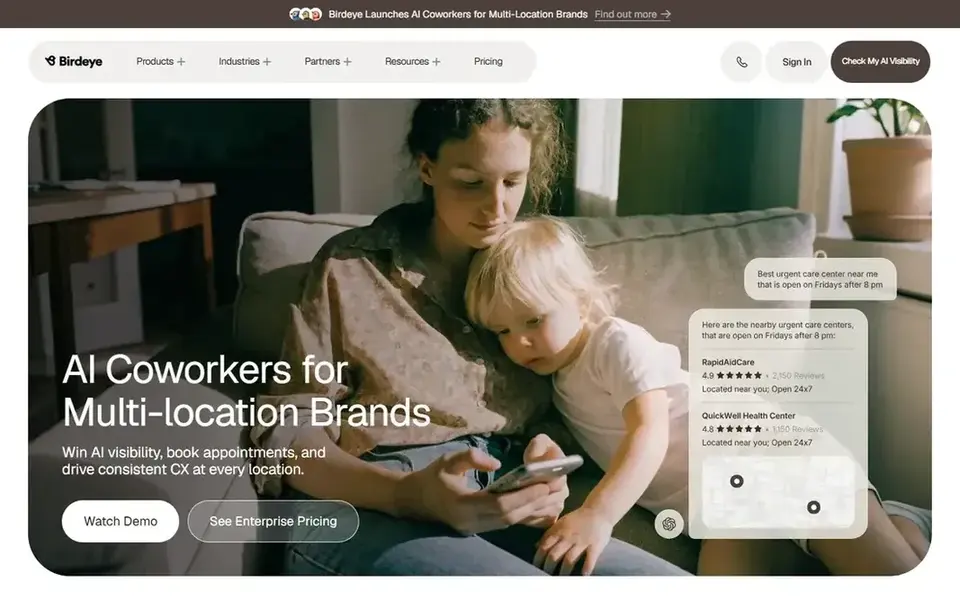
Birdeye is a reputation and customer experience platform used by local businesses and multi-location brands. For a gym, its value is that review requests, review monitoring, listings and messaging sit in one dashboard. A club with a front desk, a sales team and a manager who handles complaints can keep member communication and public reviews in one place instead of juggling separate tools.
For gyms specifically, Birdeye can send review requests after a member joins or after a check-in milestone, depending on how you set up triggers. The monitoring side lets a manager see new Google reviews and reply from the dashboard. Listings management keeps each location's address, hours and phone number consistent, which matters when a gym has several clubs in one city.
The limits are practical: pricing is quote-based, so a small studio should ask for a quote before assuming it fits the budget. A single-location gym with no messaging needs may find the platform broader than required and should compare it with a simpler review tool first.
- Review requests across email and text
- review monitoring with reply tools
- listings and messaging in one platform
- Quote-based pricing
- more features than a single studio may use
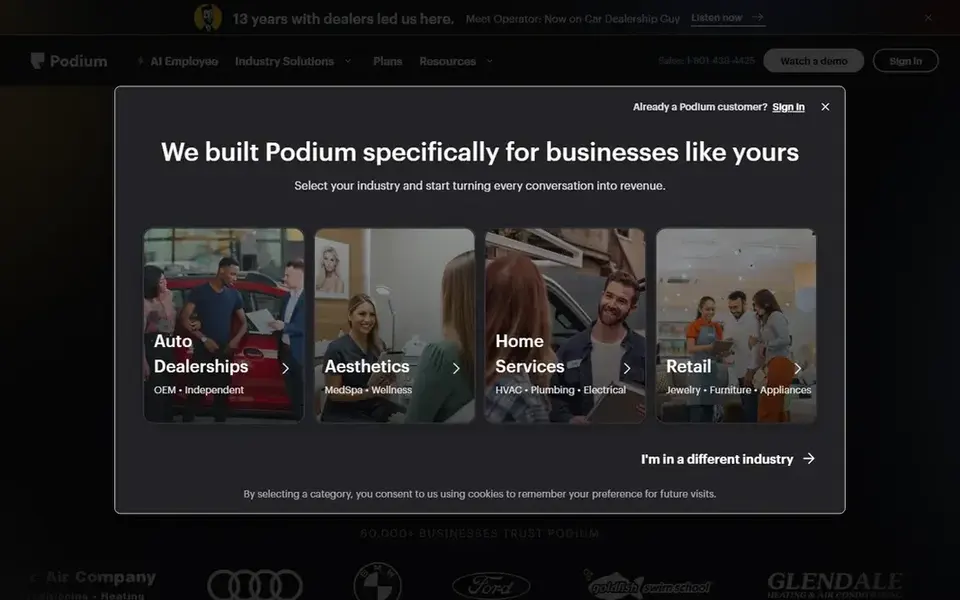
Podium is built around text messaging between a local business and its customers. Gyms use it to answer questions about class times, memberships and trial passes, then invite a review after a positive exchange. The inbox style means front-desk staff can handle several conversations from one screen instead of a personal phone.
For reputation work, Podium's strength is timing. A member who just finished a good session or renewed a membership can get a short text with a review link while the experience is fresh. Staff can also reply to reviews and messages from the same place, which keeps complaints from sitting unanswered over a weekend.
The main limit is cost for small operators. Podium is quote-based and priced for businesses that send a lot of messages, so a single studio with modest front-desk traffic should check the quote carefully and compare it with a lighter review tool.
- Text messaging built around local business conversations
- review invites tied to interactions
- inbox for staff replies
- Pricing is quote-based
- messaging volume can raise cost
NiceJob is a review-focused tool aimed at small local businesses. It is a reasonable fit for an independent gym, a CrossFit box or a martial arts studio where one owner or manager handles marketing alongside daily operations. Setup is straightforward, and the product centers on getting reviews and showing them off.
For a gym, NiceJob works well for automated review requests after a member joins or after a set number of visits, plus a dashboard for monitoring new reviews and replying. It also offers ways to display reviews on a website, which helps a studio that relies on its own site for trial sign-ups.
The limits show up when a gym grows. NiceJob is not built as a multi-location listings platform, so a chain with several clubs should look at tools with stronger location management. Studios that mainly want text messaging with members should compare Podium or Birdeye.
- Simple review request campaigns
- review monitoring and replies
- easy setup for small teams
- Fewer multi-location controls
- messaging is not its focus
Grade.us is a review management platform often used by agencies and marketers who manage reviews for local clients. If you run a small agency with gym clients, or if a gym works with a marketing consultant, Grade.us lets you run review campaigns and report on results under your own branding.
For a gym client, the workflow is familiar: import member contacts, send review requests by email or text, monitor incoming reviews and reply. The white-label side means an agency can present the dashboard as its own service, which suits consultants who bundle reputation work with local SEO for fitness clients.
The limits are about polish and fit. The interface is functional rather than modern, and the product is designed for people managing multiple clients, so a single gym owner may find it less direct than NiceJob. Gyms that want member messaging should look elsewhere.
- White-label options for agencies
- review request campaigns
- reporting for client accounts
- Interface is plain
- not aimed at gym owners directly
ReviewTrackers is a review monitoring and analytics platform. Its main job is to pull reviews from Google, Facebook and other sites into one dashboard, then help a business understand themes and respond. For a gym with several locations, that means a manager can see which club is getting complaints about showers, class schedules or equipment.
For reputation work in fitness, the analytics side is useful. A gym can spot a pattern, such as repeated comments about crowded peak hours, and fix the underlying issue rather than only replying to each review. Location-level reporting helps an area manager compare clubs without opening each profile by hand.
The limits are that ReviewTrackers is stronger on monitoring than on generating review requests, so a gym that needs a steady flow of new reviews should pair it with a request tool or choose an all-in-one platform. Pricing is quote-based, so check the quote against your number of locations.
- Aggregates reviews from many platforms
- sentiment analysis
- location-level reporting
- Review requests are secondary
- quote-based pricing
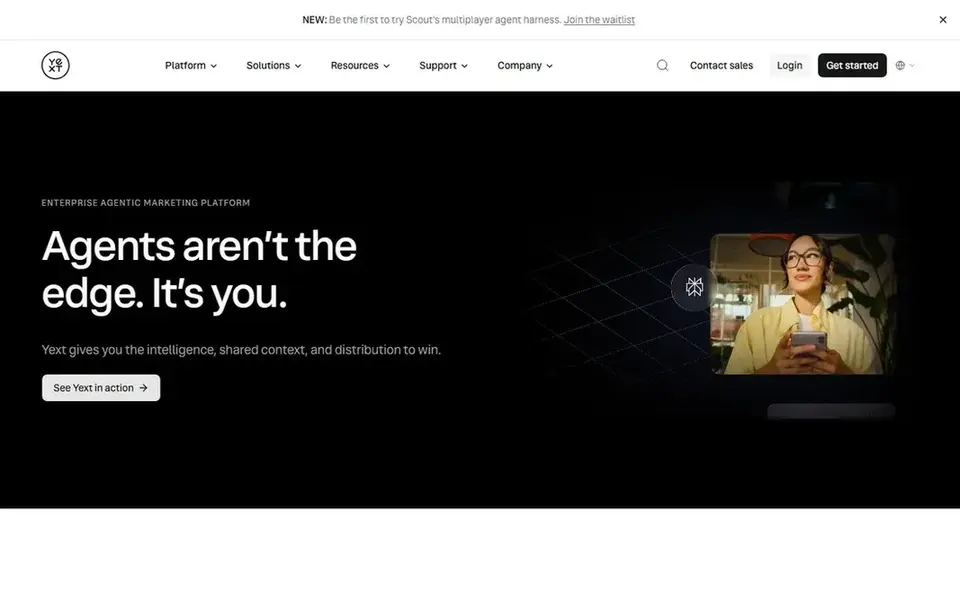
Yext is a listings and reputation platform built for businesses with many locations. A gym chain with clubs across several cities uses Yext to keep name, address, hours, phone number and services consistent across directories, and to monitor and reply to reviews from one dashboard.
For reputation management, Yext's value for gyms is consistency. When a club changes its opening hours or adds a new class type, the update can flow to listings rather than being fixed one by one. Review monitoring covers the major platforms, and location pages give each club a page that can rank for local searches.
The limits are contractual and financial. Yext typically works on annual contracts, and some features are add-ons, so a single studio should compare the cost with simpler tools. A gym that mainly needs review requests may not need the full listings platform.
- Listings management across many directories
- review monitoring and response
- location pages for each club
- Annual contracts
- add-ons raise cost
Broadly is a customer interaction platform for local businesses that combines review requests, web chat and messaging. For a gym, the web chat side is useful because people often visit a club website to ask about trial passes, class times or contract terms before they walk in.
On the reputation side, Broadly sends review requests after a member interaction and gives staff an inbox for reviews and messages. A gym can answer a question in chat, then follow up with a review request once the person has visited or joined. That sequence matches how fitness sales actually happen.
The limits are market fit and pricing. Broadly is less common in the fitness niche, so a gym should ask for references in a similar business and check the quote. Studios that only need review requests may find a simpler tool is enough.
- Review requests by text and email
- web chat for website visitors
- inbox for messages and reviews
- Less known in fitness
- quote-based pricing
How I chose
I chose these tools by reading vendor documentation and public sources, not by running hands-on tests. I looked at what each product says it does for review requests, review monitoring, replies, listings and messaging, then matched those features to how a gym actually operates: members join, visit often, pause or cancel, and refer friends. A tool that only handles reviews after a purchase misses the gym cycle, where the review often comes after a good class or a friendly front-desk interaction.
I also weighed limits. Quote-based pricing, annual contracts and add-ons matter for a single studio with a tight budget, while multi-location listings and reporting matter for a chain. I left out tools where I could not confirm the product exists and is operating, and I did not include any ratings, review scores or user counts. Where a vendor does not state a free plan, I say so rather than guess. The result is a shortlist for different gym sizes, not a ranking of raw feature counts.
What to check before you buy
- Confirm how review requests are triggered: after joining, after a visit milestone, or only manually from the front desk.
- Check whether the tool monitors and lets you reply to Google reviews from one inbox, since Google is where most gym searches end.
- Ask how many locations the plan covers and whether each club gets its own listings and reporting.
- Confirm text messaging costs, because gyms send a lot of reminders about classes, trials and renewals.
- Ask whether the vendor integrates with your gym management software for member data, or whether you import contacts manually.
- Read the contract terms for auto-renewal and cancellation before you commit, especially with quote-based platforms.
Frequently asked questions
Do gyms really need reputation management software?
Not strictly, but it helps. A gym can ask for reviews manually, yet most front desks are busy and requests get forgotten. Software keeps requests going after joins and visits, gathers reviews in one inbox and makes replying easier. For a club with several locations, it also keeps listings and replies consistent across clubs.
Which tool is best for a single studio?
NiceJob is a sensible starting point for one studio because it focuses on review requests and replies without the complexity of a multi-location platform. Birdeye is stronger if you also want messaging and listings in one place. Compare quotes for your member volume before deciding.
How should a gym ask for reviews without breaking Google's rules?
Ask every member the same way, without filtering for people you expect to be positive. Do not offer rewards for reviews, do not write reviews for members and do not ask staff to post reviews. A simple request after a good visit, sent to all members, follows Google's guidelines.
Can these tools fix bad reviews?
No tool can remove a genuine negative review. What they do is help you see it quickly and reply in a calm, useful way. A reply that explains what changed, such as new equipment or adjusted class times, shows other members that the gym listens. Fake reviews can be reported to Google, but removal is not guaranteed.
Do I need listings management as well as review software?
Only if you have more than one location or your address and hours change often. A single studio can usually keep its Google Business Profile accurate by hand. A chain with several clubs benefits from a listings tool like Yext so each club shows the same details across directories.
Sources
See where you really rank - block by block
ProMapRanker scans Google Maps across a grid of your service area. Simple monthly plans from $19, white-label on every plan.
Start freeBrowse all guides
← Best Reputation Management Software for Funeral Homes in 2026Best Reputation Management Software for Pet Groomers in 2026 →
 best reputation management software for electricians
Best Reputation Management Software for Electricians in 2026
A practical guide to the best reputation management software for electricians in 2026, compared from vendor documentation and public sources.
Read → best reputation management software for dentists
Best Reputation Management Software for Dentists in 2026
A practical guide to the best reputation management software for dentists in 2026, compared from vendor docs and public sources.
Read → best reputation management software for churches
Best Reputation Management Software for Churches in 2026
A guide to the best reputation management software for churches in 2026, compared from vendor documentation and public sources for review and listing needs.
Read → local seo for locksmiths
Local SEO for Locksmiths
A local SEO guide for locksmiths: Google Business Profile setup, reviews, and 24/7 emergency locksmith service listings.
Read → local seo for optometrists and eye doctors
Local SEO for Optometrists and Eye Doctors
A local SEO guide for optometrists and eye doctors: Google Business Profile setup, reviews, and eye exam booking and insurance-focused SEO.
Read → local seo ranking report metrics
Local SEO Ranking Report Metrics: A Glossary for Clients
A plain-English glossary of local SEO ranking report metrics so clients understand every number.
Read →More in Local SEO & Google Maps · All guides A to Z by date · Latest guides