 ProMapRanker
Best Remote Companies in 2026

Key takeaways
- GitLab, Automattic, and Zapier are the most established all-remote employers here, with public handbooks and long distributed histories.
- Buffer and Doist suit people who want smaller, async-first teams rather than a large corporate remote program.
- Toptal is different from the rest, since it connects freelance talent with clients rather than hiring most people as staff.
- Remote-first does not mean remote-everywhere, so check each job post for country and time zone limits before you apply.
- Pay transparency varies widely, with GitLab and Buffer publishing more detail than most employers in this list.
Quick comparison
| Pick | Great for | Pricing starts at | Free tier | |
|---|---|---|---|---|
 GitLab | Transparent all-remote work | See website | No | Visit |
 Automattic | Location-independent pay | See website | No | Visit |
 Zapier | Async automation roles | See website | No | Visit |
 Buffer | Small transparent team | See website | No | Visit |
 Doist | Small async product team | See website | No | Visit |
 37signals | Calm remote culture | See website | No | Visit |
 Toptal | Freelance remote talent | See website | No | Visit |
 Shopify | Large remote-first employer | See website | No | Visit |
The best remote companies
We compared public careers pages, company handbooks, and current hiring guides for the best companies for remote work. This list favors employers with a real distributed track record, not companies that list one remote role while the rest of the team works in an office. Job availability changes often, so treat each company here as a target employer to watch, not a promise of an open role today.
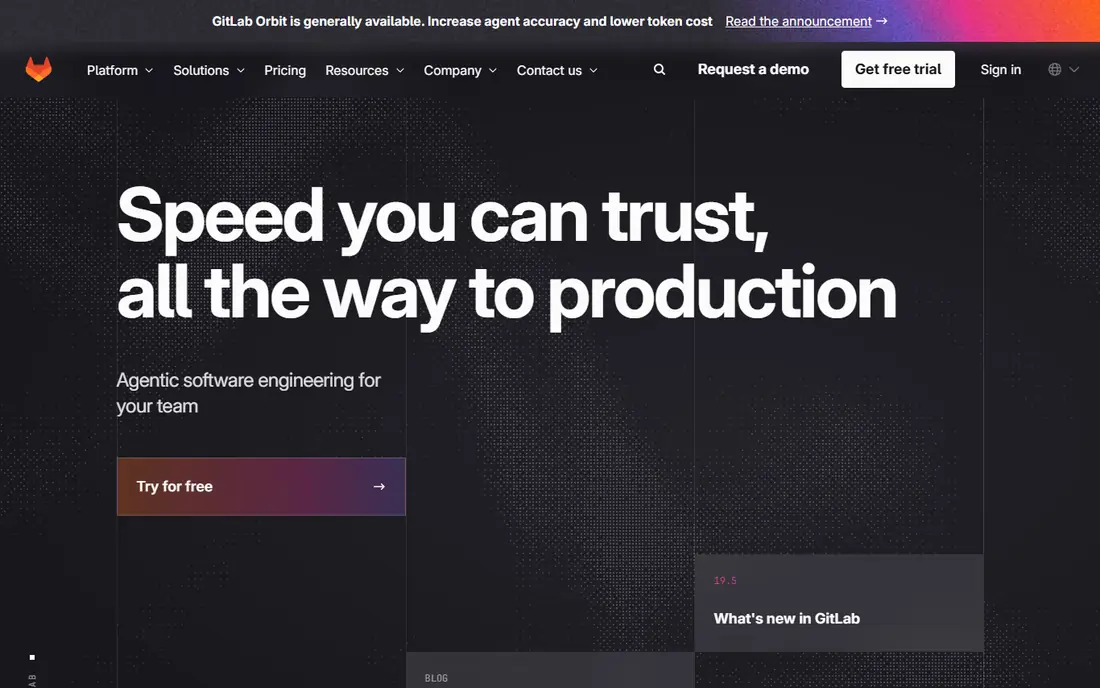
GitLab is the reference point for remote work, and for good reason. The company has operated without a central office for years, and its public handbook covers everything from communication norms to onboarding in unusual detail. That openness helps applicants judge the culture before they apply, which is rare among large employers. Roles span engineering, product, marketing, sales, and support, with team members in many countries.
The catch is the process itself. GitLab interviews lean heavily on written work and structured stages, and the full loop can take weeks. Async work also means fewer live meetings and more written updates, which some people love and others find lonely. If you value transparency and written culture, GitLab should be first on your list.
- All-remote since its early years
- Public handbook documents how work happens
- Pay bands published by role and region
- Hiring process can be long and writing-heavy
- Async work suits self-directed people more than others
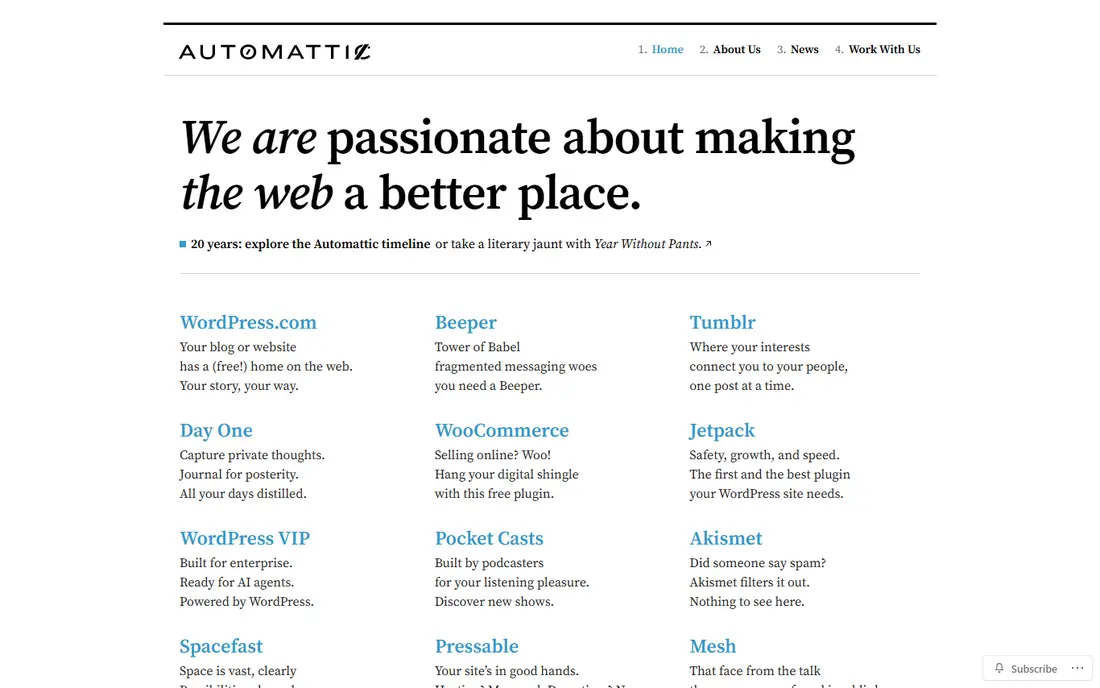
Automattic runs WordPress.com, WooCommerce, Tumblr, and related products with a fully remote workforce spread across many countries. Its pay approach stands out, since it aims to pay the same salary for a role regardless of where the person lives, rather than adjusting down for lower-cost cities. Benefits commonly include open vacation time, home office support, and annual team meetups.
Hiring includes a paid trial project, which gives you a real taste of the work before either side commits. That trial takes real effort, and it can stretch over weeks alongside your current job. Support and happiness engineer roles also involve covering varied hours. For long-term remote stability with location-independent pay, Automattic remains one of the strongest names here.
- Fully remote team behind WordPress.com and Tumblr
- Same pay regardless of location in many roles
- Paid trial project for candidates
- Trial process is demanding
- Support roles often involve shift work across time zones
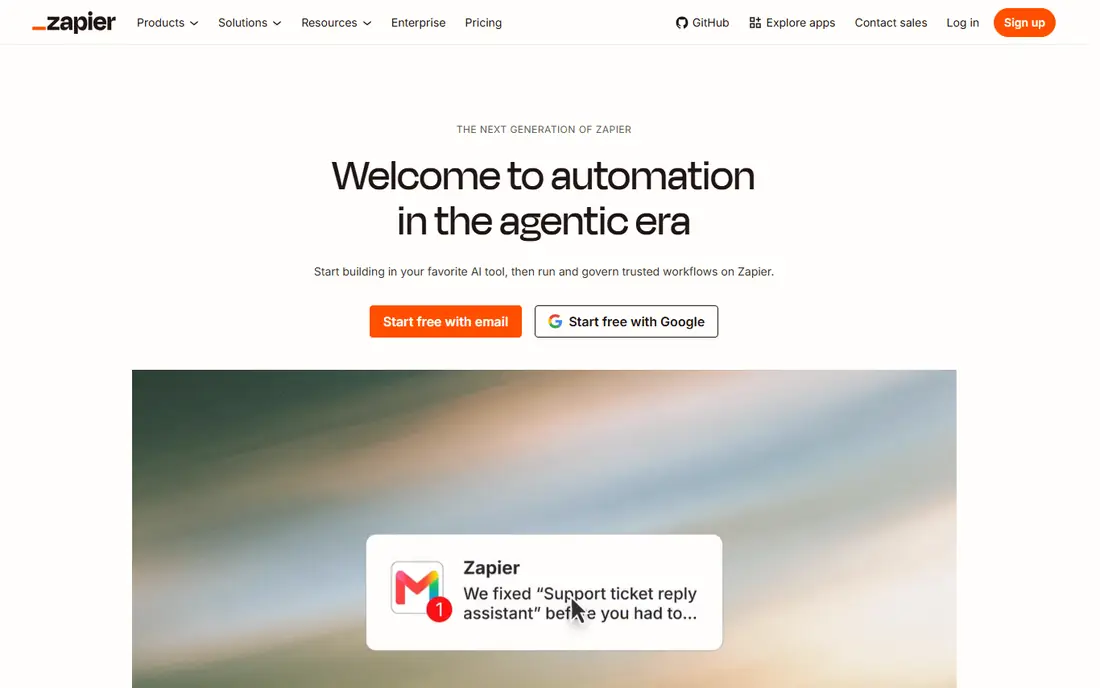
Zapier has never had a traditional office culture to unwind, since it was built as a remote company. Its teams work across many countries and lean on written updates, recorded walkthroughs, and clear ownership rather than constant meetings. That makes it a good fit for people who do focused work well and prefer fewer interruptions. Open roles commonly cover engineering, customer support, product, and marketing.
The trade-off is breadth. In a company of this size, roles often cover more ground than a narrow job title suggests, which suits generalists more than specialists. Zapier roles also attract many applicants, so a strong application and a clear portfolio help. If async work and automation products appeal to you, Zapier is a natural target.
- Remote from the start
- Strong async habits
- Roles across engineering, support, and marketing
- Small-team feel can mean broad job scopes
- Competition for roles is high
Buffer is a smaller, all-remote company known for transparency about pay, culture, and even revenue in past years. Its main products help small businesses plan and publish social media content, so the work stays close to creators and small teams. Buffer roles tend to cover engineering, support, marketing, and design, with an emphasis on written communication and trust over surveillance.
Because the team is small, openings appear less often, and a single hire can change team balance quickly. That also means your work is visible and your judgment matters more. If you want a tight-knit remote team where culture is documented rather than assumed, Buffer is worth watching closely.
- All-remote team with public salary and culture details
- Social media tools with a clear product focus
- Flexible time off
- Small team means fewer openings
- Growth paths are narrower than at large firms
Doist builds Todoist, a task manager, and Twist, a team communication tool built around threads rather than live chat. The company is small and fully remote, and it favors deep work, written updates, and long-term thinking over rapid-fire chat. That focus shows in the products themselves, which are designed to reduce interruption. Engineering, design, and support roles appear most often, though openings are rare.
Rarity is the main drawback. Doist hires carefully and slowly, so you may wait months for a fitting role. The async pace can also feel slow if you thrive on instant discussion. For patient applicants who want a calm, product-led remote team, Doist is one of the most appealing small employers in this list.
- Maker of Todoist and Twist
- Async-first with little meeting load
- Small team with global hiring
- Very few roles open at any time
- Async pace can feel slow for people who like fast live feedback
37signals, the company behind Basecamp and HEY, has worked remotely for many years and writes openly about calm work, reasonable hours, and small teams. Its products focus on project management and email, so roles tend to center on product design, programming, support, and marketing for those tools. The company favors people who can work independently and communicate clearly in writing.
Hiring volume is low, and the product set is narrow, so this pick suits people who specifically like Basecamp or HEY and the culture around them. It is not a broad hiring machine like a large platform company. If a calm, opinionated remote culture matters more to you than scale, 37signals deserves a place on your watch list.
- Maker of Basecamp and HEY
- Long remote history
- Calm pace with a focus on sustainable work
- Small hiring volume
- Product range is narrow compared with large tech firms
Toptal works differently from the staff employers above. It screens freelance developers, designers, product managers, and finance experts, then matches them with client projects that are usually remote. That model suits experienced freelancers who want steady project flow without hunting for every client themselves. Project length varies, from short engagements to long-term placements.
The screening process is strict, and acceptance is not guaranteed even for strong candidates. Income can also vary between projects, and you handle taxes and benefits as a freelancer in most cases. If you want remote work with more control over your schedule and you already have a strong portfolio, Toptal is the most established talent network of its kind.
- Global freelance network for developers, designers, and finance experts
- Project-based remote work
- Clients include large firms
- Screening is strict
- Work is freelance, not staff employment, for most talent
Shopify describes itself as remote-first, with teams working from many locations while keeping some offices for collaboration. Its commerce platform serves millions of merchants, so roles span engineering, design, support, data, marketing, and operations at a scale the smaller companies here cannot match. That scale means more openings and more internal moves over time.
The trade-off is variation. Remote-first at Shopify does not mean every role is fully remote in every country, and some teams meet in person more than others. Read each job post carefully for location rules. If you want remote work inside a large company with many paths, Shopify offers the broadest surface in this list.
- Large remote-first employer with many functions
- Commerce product with wide reach
- Roles across many countries
- Remote policy varies by team and role
- Large-company process can feel slow
How we picked these
We compared public careers pages, company handbooks, and 2026 hiring guides for employers with a sustained remote track record. We favored all-remote or remote-first companies that hire across countries, document their culture, and offer roles beyond a single function. Companies that recently forced a return to office, or that only offer remote work for a narrow set of roles, were left out.
What to check before you apply
Start with the job post, not the company reputation. Check the allowed countries, time zone overlap, and whether the role is staff, contract, or freelance. A company can be remote-first overall while a specific team still asks for office days or regional presence. Pay attention to time zone rules too, since a role listed as remote may still need overlap with US or European hours.
Next, weigh async culture against live culture. GitLab, Zapier, and Doist lean heavily on written updates, which suits focused workers but can feel isolating. Larger firms such as Shopify mix async work with more live meetings and in-person gatherings. Ask about meeting load, on-call duties, and manager location during interviews, since those details shape daily remote life more than a headline policy.
Pay, benefits, and hiring process
Compare pay bands where they are published, and ask about home office stipends, equipment, time off, and parental leave when bands are not public. Note that Toptal is freelance, so benefits and tax handling differ from staff roles at the other companies here. Also prepare for different hiring styles, from GitLab written stages to Automattic paid trials, and keep a portfolio or writing samples ready.
Standing out as a remote applicant
Remote hiring teams read writing closely, so make your application clear, specific, and free of filler. Show remote experience with concrete examples, such as async projects, time zone collaboration, or documentation you wrote. Tailor each application to the product, since remote employers often favor candidates who already use or understand the tool they would support.
Frequently asked questions
What are the best companies for remote work?
GitLab, Automattic, and Zapier are among the best companies for remote work because they have operated remotely for years and document their culture in public. Buffer, Doist, and 37signals suit people who prefer smaller teams, while Shopify offers more roles at a larger scale.
Which remote companies hire from anywhere?
GitLab, Automattic, Zapier, and Doist hire across many countries, but no company here hires from literally everywhere. Tax, legal, and payroll rules limit some countries, so always check the allowed locations on the specific job post.
Is Toptal a remote employer or a freelance platform?
Toptal is mainly a freelance talent network, not a traditional staff employer. It screens experienced freelancers and matches them with remote client projects, so pay, benefits, and schedule control differ from staff roles.
Do remote companies pay the same regardless of location?
Some do and some do not. Automattic aims for location-independent pay in many roles, while GitLab publishes bands that vary by region. Always confirm the pay range for your location during the hiring process.
How long does remote hiring take?
It varies widely. GitLab and Automattic processes can take several weeks, including written stages or a paid trial. Smaller companies may move faster, but async hiring often adds days between stages.
What skills help most for remote jobs?
Clear writing, self-direction, and comfort with async tools matter most. Show that you can document decisions, manage your own schedule, and collaborate across time zones without constant live check-ins.
Sources
See where you really rank - block by block
ProMapRanker scans Google Maps across a grid of your service area. Simple monthly plans from $19, white-label on every plan.
Start freeKeep reading
 which software is best for pdf page removal
Which Software Is Best for PDF Page Removal in 2026
Find which software is best for pdf page removal, from free online tools to desktop editors, with page controls, privacy, safety, and pricing compared.
Read → when i work alternatives
Best When I Work Alternatives in 2026
Looking for when i work alternatives? We compare 8 scheduling apps for hourly teams, covering pricing, free plans, time clocks and the best fit for business.
Read → the best tool for keyword analysis
The Best Tool for Keyword Analysis in 2026
Find the best tool for keyword analysis with our 2026 comparison of 10 keyword analysis software tools on data depth, difficulty scores and price today.
Read →