 ProMapRanker
Best Platforms for Selling Online in 2026

Key takeaways
- Shopify suits most sellers who want a complete, hosted store with a large app ecosystem and reliable checkout.
- WooCommerce suits WordPress users who want full control and are happy to manage hosting and updates.
- Etsy suits handmade, vintage and craft sellers who want built-in traffic without building a store from scratch.
- Wix and Squarespace suit small, design-led stores that need a simple setup and a good-looking site.
- BigCommerce suits growing brands that want strong built-in features without extra transaction fees.
- Square Online and Ecwid suit sellers who want a low cost start or a store added to an existing site.
Quick comparison
| Pick | Great for | Pricing starts at | Free tier | |
|---|---|---|---|---|
 Shopify | All-round online store | $39 per month | Free trial | Visit |
 WooCommerce | WordPress control | Free | Yes | Visit |
 BigCommerce | Growing brands | $39 per month | Free trial | Visit |
 Wix | Beginners and design | $29 per month | No | Visit |
 Squarespace | Design-led stores | See website | Free trial | Visit |
 Etsy | Handmade and vintage | $0.20 per listing | No | Visit |
 Square Online | Low cost start | Free | Yes | Visit |
 Ecwid | Adding a store to a site | $5 per month | Yes | Visit |
The best platforms for selling online
We compared the best platform to sell online on setup ease, fees, design, payment options, selling channels and growth room. The list below covers hosted stores, marketplaces and a WordPress option, so match the platform to how you sell, not just to price.

Shopify remains the default pick for most sellers because it removes technical setup and gives a store that can scale from a first product to a large brand. Unlimited products, secure hosting, discount tools, abandoned cart recovery and a huge app store cover most needs without custom code. Selling through Instagram, TikTok, Amazon and other channels is built in.
The cost structure needs a hard look, since apps that feel essential often carry their own subscriptions, and third-party payment gateways add transaction fees. For a seller who wants the best online selling platform without managing servers, Shopify is still the safest all-round choice.
- Reliable hosted checkout
- Very large app ecosystem
- Strong multichannel selling
- Monthly cost plus apps can add up
- Transaction fees apply unless you use Shopify Payments
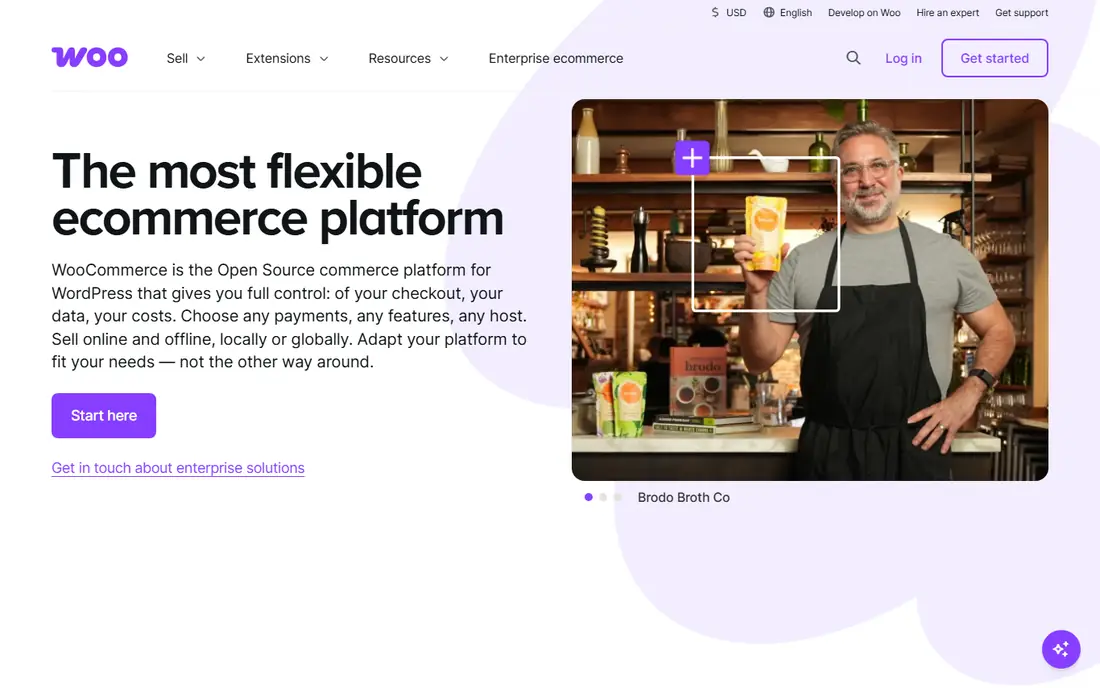
WooCommerce turns a WordPress site into a full store, with products, payments, shipping and orders managed from the WordPress dashboard. That control appeals to sellers who already run WordPress, want custom design or need specific features that hosted platforms limit. The plugin itself is free, and there is no platform transaction fee, only payment processor fees.
Hosting, a domain, themes and extensions cost extra, and you are responsible for updates, backups and security. Sellers without technical help may find that burden heavy. If you value control and already use WordPress, WooCommerce is the best selling platform online for flexibility.
- Free core plugin
- Full control over design and data
- Huge extension library
- You pay for hosting, themes and extensions
- You handle updates and security

BigCommerce suits growing brands that want many features built in, rather than added through apps. Large catalogs, variants, discounts, shipping tools and B2B pricing are handled well, and there is no platform transaction fee on any plan. That fee structure helps as sales grow, since costs do not rise with each order in the same way.
The app ecosystem is smaller than Shopify, and some designs need developer help to match a specific vision. For a growing brand that wants the best platforms to sell online with strong built-ins, BigCommerce is a serious alternative to Shopify.
- No platform transaction fees
- Strong built-in features for larger catalogs
- Good B2B options
- Smaller app ecosystem than Shopify
- Design flexibility needs more work for some themes
Wix is the easiest hosted store for a beginner who wants a good-looking site quickly. The drag-and-drop builder, templates and built-in hosting mean a small store can launch in a weekend, with products, payments and basic marketing tools included. It suits makers, local shops and small brands with a modest catalog.
Very large stores may find catalog management and advanced features less capable than Shopify or BigCommerce. For a first store or a small design-led shop, Wix is the best platform to sell online for beginners who value simplicity.
- Easy drag-and-drop builder
- Good templates for small stores
- Hosting included
- Less scalable for very large catalogs
- Advanced ecommerce features are thinner than Shopify
Squarespace suits creators and design-led brands that want a beautiful site where content and commerce live together. Templates look polished out of the box, and selling physical or digital products, subscriptions and services is straightforward. Blogging, portfolios and email tools sit in the same system, which helps a brand that sells through stories and visuals.
Commerce depth is thinner than Shopify, with fewer apps and less advanced inventory or B2B handling. For a small store where design matters most, Squarespace is one of the best selling platforms for a brand-led site.
- Beautiful templates
- Good for content plus commerce
- Simple setup for creators
- Ecommerce features are less deep than Shopify
- Transaction fees on lower plans
Etsy is a marketplace, not a standalone store, which is its main strength for handmade, vintage and craft sellers. Shoppers already visit Etsy looking for those products, so a new seller can get sales without building traffic from scratch. Listing is simple, and tools for shipping, ads and shop management are built in.
Fees include a listing fee, a transaction fee and payment processing, and optional ads can add more. Sellers also depend on Etsy rules and search, rather than owning their full store. If you make handmade or vintage goods, Etsy is the best platform to sell online for reaching buyers quickly.
- Built-in traffic from Etsy shoppers
- Simple setup for handmade sellers
- No monthly fee for basic selling
- Listing, transaction and payment fees add up
- You do not own the customer relationship fully
Square Online suits sellers who already use Square for in-person payments and want an online store without a monthly fee to start. Products, inventory and orders sync with Square point of sale, which helps shops that sell both in store and online. Setup is quick, and the free plan lets a new seller test online sales at low risk.
The free plan has limits on design and features, and processing fees apply to every sale. For a local shop, market stall or small retailer that wants the best selling platform online at no monthly cost to start, Square Online is a practical pick.
- Free plan to start selling
- Good for sellers already using Square in person
- Simple setup
- Design and ecommerce depth are limited on the free plan
- Processing fees apply to every sale
Ecwid by Lightspeed lets you add a store to a website you already have, whether it runs on WordPress, Wix, Squarespace or a plain site. That makes it ideal for a business with a good site that only needs to sell a few products, without rebuilding everything. The free plan covers a small catalog, and paid plans add more products and features.
It is not as complete as a standalone Shopify store for a large, dedicated shop. For a business that wants to add selling to an existing site, Ecwid is the best platforms for selling online option that avoids a full rebuild.
- Adds a store to an existing website
- Free plan for a small catalog
- Works across sites and social channels
- Less of a full standalone store than Shopify
- Advanced features need higher plans
How we picked these
We compared official pricing pages, feature pages and recent ecommerce platform comparisons, and checked each platform for setup ease, fees, payment options, design quality and growth room. We favoured platforms that are widely used in the US in 2026, with published pricing or a free plan, and kept marketplace options where built-in traffic is the main benefit. We did not claim hands-on testing, and prices marked as See website were not published in a verifiable form at the time of writing.
What to check before you choose a selling platform
Start with how buyers will find you. A marketplace like Etsy brings traffic, but takes fees and controls the shopper relationship. A standalone store like Shopify or WooCommerce gives you full control, but you must bring your own traffic through search, social and email. Many sellers use both: Etsy for discovery and a standalone store for repeat customers.
Next, work out total fees, not just the monthly plan. Add payment processing, platform transaction fees, app subscriptions, themes and shipping tools. A cheap monthly plan with high transaction fees can cost more than a higher plan with no platform fee once sales grow.
Beginners versus growing brands
For beginners, ease matters most: a hosted builder with templates, hosting and support will get you selling faster. Wix, Squarespace and Square Online suit that stage well. For growing brands, catalog size, discount tools, B2B options, multichannel selling and app depth matter more, which is where Shopify and BigCommerce lead.
Products and channels
Check whether the platform handles your product type well, whether physical, digital, subscription or service based. Also check selling channels: social shops, marketplaces, point of sale and email all affect which platform fits. A seller who also sells in person should check point of sale integration closely, since that can decide between Shopify, Square and WooCommerce.
Frequently asked questions
What is the best platform to sell online for beginners?
Wix and Squarespace suit beginners who want a simple, good-looking store, while Square Online suits a low cost start with a free plan. Shopify suits beginners who plan to grow into a larger store and want the most apps and support. Start with a free trial and test adding products, payments and shipping before committing.
What is the best online selling platform for handmade goods?
Etsy is the best choice for handmade, vintage and craft goods, since shoppers already visit it looking for those products. A standalone Shopify or Squarespace store can follow later for repeat customers and brand control. Many makers run both, using Etsy for discovery and their own store for direct sales.
Is Shopify or WooCommerce better for selling online?
Shopify suits sellers who want a hosted, reliable store without managing servers, while WooCommerce suits WordPress users who want full control and lower platform fees. Shopify costs more per month but needs less technical work. WooCommerce is free as a plugin, but hosting, themes and maintenance cost time and money.
How much does it cost to sell online?
Hosted stores often start around 29 to 39 dollars per month, plus payment processing and any app costs. WooCommerce is free as a plugin, but hosting and extensions cost extra. Marketplaces like Etsy charge per listing and per sale instead of a monthly fee. Always model total fees for your expected sales volume.
What are the best sales platforms for small businesses?
Shopify, Wix, Squarespace and Square Online all suit small businesses, with different strengths in apps, design and cost. BigCommerce suits a small business planning fast growth, while Ecwid suits adding a store to an existing site. Choose based on catalog size, design needs and how much technical work you want to handle.
Can I sell on multiple platforms at once?
Yes, many sellers run a standalone store plus Etsy, social shops or marketplaces, with inventory synced where possible. Shopify and BigCommerce offer multichannel tools, while WooCommerce needs extensions for some channels. Keep inventory and order handling in one place where you can, to avoid overselling.
Sources
See where you really rank - block by block
ProMapRanker scans Google Maps across a grid of your service area. Simple monthly plans from $19, white-label on every plan.
Start freeKeep reading
 zoom alternatives
Best Zoom Alternatives in 2026
Compare Zoom alternatives in 2026, with free meeting limits and prices, so you can pick the best alternative to Zoom for your team, class, or community.
Read → which software is best for remote work
Which Software Is Best for Remote Work in 2026
Answering which software is best for remote work, we compare Slack, Zoom, Asana, Notion, Teams and more, with pricing and honest tradeoffs in 2026 now.
Read → which ai tool is best for content writing
Which AI Tool Is Best for Content Writing in 2026
Wondering which ai tool is best for content writing? We compare ChatGPT, Claude, Jasper, Grammarly, and more on price, quality, and best use in 2026 now.
Read →