 ProMapRanker
Which AI Tool Is Best for Content Writing in 2026


Everyday drafting, ideas, and structured outlines · Pricing starts at: Free
Key takeaways
- For most writers, a general assistant such as ChatGPT or Claude plus an editor such as Grammarly covers more ground than a single marketing tool.
- Jasper, Writesonic, and Copy.ai earn their price when a team needs brand voice, templates, and volume, not for occasional drafts.
- Grammarly and Rytr are the cheapest useful starting points, while Sudowrite is the specialist pick for fiction and book-length work.
- No tool removes the need for human editing, fact checking, and a clear brief, since output quality depends heavily on the prompt and source material.
Quick comparison
| Pick | Great for | Pricing starts at | Free tier | |
|---|---|---|---|---|
| ChatGPT | Everyday drafting, ideas, and structured outlines | Free | Yes | Visit |
 Claude | Long-form writing with natural tone | Free | Yes | Visit |
 Jasper | Marketing teams needing brand voice at scale | See website | Free trial | Visit |
 Grammarly | Editing, clarity, and tone polish | Free | Yes | Visit |
 Writesonic | SEO-focused blog and marketing drafts | See website | Yes | Visit |
 Copy.ai | Short marketing copy and go-to-market workflows | $24 per month | No | Visit |
 Rytr | Budget short-form writing for beginners | $9 per month | Yes | Visit |
 Sudowrite | Fiction writers and book-length projects | $10 per month | Free trial | Visit |
The best ai tool for content writing
There is no single winner for every writer, because drafting, editing, SEO, and fiction are different jobs. The eight tools below are grouped by the job they do best, so you can pick the one that matches your bottleneck rather than buying the most advertised tool.
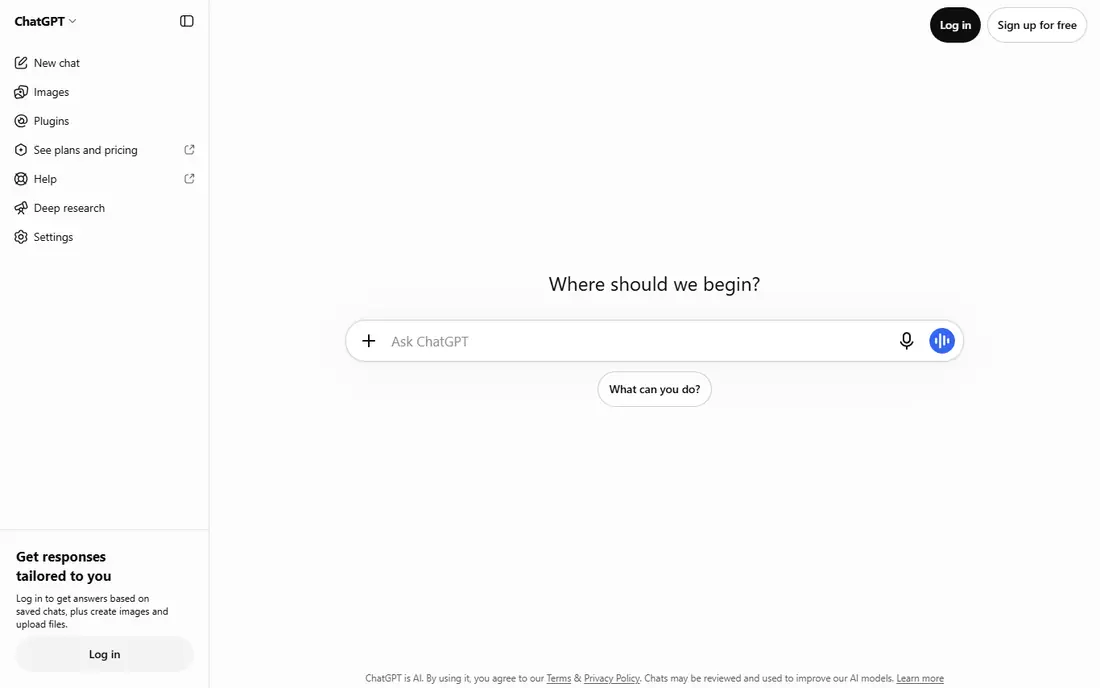
ChatGPT is the default answer for most people because it handles the widest range of writing tasks in one place. It can brainstorm headlines, outline a post, draft a newsletter, rewrite a paragraph in a different tone, and turn rough notes into a structured first draft. For a solo writer or small business owner who writes a bit of everything, that breadth matters more than any single specialist feature.
The limit is control. ChatGPT does not enforce a brand voice across a team, track SEO performance, or manage approvals, so marketing teams with strict style rules will need another layer. It can also produce confident-sounding errors, so facts, quotes, and claims still need checking. As a drafting partner for most people, though, it is the easiest place to start, and the free plan is enough to learn whether AI drafting fits your workflow.
- Very versatile across formats
- Canvas-style editing for targeted rewrites
- Free plan covers casual use
- No built-in brand voice controls or team analytics
- Free tier limits apply after heavy use

Claude is our pick when the writing itself is the product, such as a long article, a guide, a report, or a book chapter. Its prose tends to read more naturally and hold a consistent voice over many pages, and its Projects feature lets you keep a style guide, research notes, and earlier chapters in context while you draft. Writers who care about tone, structure, and nuance will notice the difference on longer pieces.
Claude is less useful as a marketing platform. It does not include SEO scoring, keyword tracking, or brand templates, and it has no image generation to match ChatGPT. The Pro plan starts at $20 per month, or $17 per month billed annually, with a free plan for lighter use. For long-form work, pair Claude with Grammarly for editing and a separate SEO tool if ranking matters.
- Strong prose quality for long documents
- Projects keep context across a piece
- Good at following detailed style instructions
- No built-in SEO tools
- Smaller app ecosystem than ChatGPT

Jasper is built for teams that publish a lot of marketing content and need it to sound like one brand. You can set a brand voice, use templates for blogs, ads, emails, and social posts, and run repeatable workflows rather than starting each piece from a blank prompt. That structure helps when several writers produce content and a manager needs consistency without rewriting every draft.
The price is the main barrier. Jasper costs far more than ChatGPT or Claude, and solo writers will struggle to justify it for a few posts a month. We list the starting price as See website because Jasper pricing varies by plan and has changed across recent comparisons, so check the current page for seat pricing. For a team with real volume, it can pay for itself in saved editing time. For everyone else, a general assistant is enough.
- Brand voice and templates for repeatable marketing content
- Team workflows for larger content programs
- Many marketing formats in one tool
- Higher price than general assistants
- Overkill for solo writers with occasional needs
Grammarly is not a drafting tool, and that distinction matters. It improves writing you already have, by flagging grammar errors, awkward phrasing, and tone problems as you type, across email, documents, and web apps. For writers who draft well but want cleaner final copy, it is the most useful everyday tool on this list, and the free plan covers the basics.
Paid Pro starts at $12 per month billed annually and adds deeper rewrites, tone suggestions, and AI assistance. Even then, Grammarly will not plan a content strategy or write a full article from a keyword alone. Think of it as the editing layer that sits on top of ChatGPT, Claude, or your own drafting, and it pairs well with almost any other tool here.
- Works across browsers, documents, and email
- Catches grammar, clarity, and tone issues in real time
- Free plan covers basic editing
- It edits your writing rather than drafting from scratch
- Advanced AI features require a paid plan
Writesonic aims at creators who publish blog posts and marketing pages regularly and want SEO help built into drafting. It offers templates for articles, product descriptions, ads, and social posts, plus tools for keyword research and content optimization in higher plans. For a solo blogger who wants a faster path from keyword to draft, that bundle is appealing.
The honest catch is that Writesonic pricing has been reported at several different entry points in 2026, so we list it as See website rather than repeating a figure that may be out of date. Quality also varies by template and prompt, and SEO drafts still need a human editor to check facts, add original insight, and avoid generic filler. Use the free plan to test whether its templates match your content type before paying.
- Many templates for blogs, ads, and ecommerce
- SEO and keyword features for content planning
- Free plan for testing
- Pricing and plan names have varied across comparisons
- Output still needs human editing and fact checking
Copy.ai is best for short copy, not long articles. It generates multiple versions of a headline, ad, email subject line, or product blurb quickly, which helps marketers test angles without writing each variant by hand. Its workflow features also suit go-to-market teams that repeat the same content tasks for new campaigns, leads, and launches.
The Chat plan starts at $24 per month billed annually, or $29 billed monthly, and there is no free plan listed, so budget for a trial period instead. Writers who need long-form depth should pair Copy.ai with Claude or ChatGPT, or choose Jasper or Writesonic instead. For short-form volume, though, Copy.ai is focused and fast.
- Fast variations for ads, emails, and social copy
- Workflow tools for sales and marketing teams
- Simple interface for short-form work
- No free plan listed
- Less suited to long-form articles and books
Rytr is the tool to try when budget is the main constraint. At $9 per month for a paid plan, with a free plan for light use, it covers emails, social posts, product descriptions, and short blog sections without a large subscription. Beginners often prefer its simple template approach to the open-ended prompt box of a general assistant, since it gives structure to start from.
The trade-off is depth. Rytr is not the best choice for a long guide, a nuanced argument, or a book, and its output needs more editing than Claude or ChatGPT for serious publishing. For students, side projects, and small businesses that need short copy on a tight budget, it is a practical starting point, and you can upgrade later if volume grows.
- Lowest paid entry price on this list
- Simple templates for common formats
- Free plan for light use
- Output quality is weaker for long or nuanced pieces
- Fewer advanced features than larger tools
Sudowrite answers the book-writing part of this topic directly, since it is built for fiction rather than marketing copy. It helps writers brainstorm plot ideas, expand a scene, rewrite a passage in a different style, and keep character and story details in view while drafting. For novelists and creative writers, those specialist features matter more than SEO templates or ad formats.
Pricing starts at $10 per month billed annually, or $19 billed monthly, with higher plans for larger word allowances, so heavy novelists should check the plan that matches their monthly output. Sudowrite will not plan a blog content calendar or optimize a post for search, and it is not a substitute for a human editor. For a book project, though, it is the most focused tool on this list.
- Tools built for story, character, and scene work
- Helps with brainstorming and rewriting fiction
- Free trial to test the workflow
- Not designed for SEO or marketing content
- Monthly cost rises with higher word allowances
How we picked these
We compared official pricing pages, product documentation, and recent 2026 comparisons for tools that are actively sold and clearly fit content writing, rather than generic chatbots with no writing workflow. We included general assistants, editors, SEO tools, and a fiction specialist, since readers searching this topic have different goals. Where pricing varied across sources, we wrote See website instead of publishing a conflicting figure, and we avoided claims about hands-on testing we did not do.
How to choose the right writing tool
Start with your main output, not the tool with the longest feature list. If you write long articles, reports, or books, start with Claude or Sudowrite. If you write a mix of everything, start with ChatGPT. If you manage a marketing team, test Jasper or Copy.ai for brand consistency and volume. If your drafts are already good but your final copy is messy, Grammarly alone may solve the real problem.
Then run a small real test before paying for a year. Draft the same piece in two tools, edit both to publishable quality, and note how much editing each one needed. The best tool is the one that leaves you with the least rewriting, not the one with the most templates. Keep your facts, quotes, and original examples in your own notes, since no AI tool can supply those for you, and always do a final human read before publishing.
Frequently asked questions
Which ai tool is best for content writing overall?
For most people, ChatGPT or Claude is the best overall choice, with ChatGPT winning on versatility and Claude winning on long-form prose quality. Add Grammarly for editing, and you cover drafting and polish for less than a dedicated marketing platform. Teams with brand and volume needs should test Jasper instead.
What is the best ai content writing tool for SEO blogs?
Writesonic is built most directly for SEO blog workflows, with templates and optimization features, while Jasper also suits SEO teams with brand controls. A general assistant plus a separate SEO tool can work just as well, and often produces more original content. Whichever tool you pick, human editing and original research matter more than the template.
What is the best ai writing tool for beginners?
Rytr and ChatGPT are the easiest starting points, since Rytr offers simple templates and ChatGPT offers a free plan with broad help. Grammarly free is also useful for beginners, since it improves writing in any app without requiring prompt skills. Start free, learn what you actually write most, and pay only for the gap that remains.
What is the best ai app to write a book?
Sudowrite is the best specialist pick for fiction and book-length writing, since it is built around story, character, and scene work. Claude is a strong general alternative for nonfiction books and long manuscripts, thanks to its handling of long documents and consistent voice. Both still need a human editor and a clear outline.
Do AI writing tools replace human writers?
No, they speed up drafting and editing, but they do not replace judgment, original reporting, or lived experience. AI output still needs fact checking, tone control, and structural editing, and it can sound generic without strong human input. Treat these tools as drafting help, not as a finished article.
Is there a good free AI writing tool?
Yes, ChatGPT, Claude, Grammarly, Rytr, and Writesonic all offer free plans or free tiers, though each limits usage, features, or output length. For occasional writing, a free plan plus careful editing is often enough. For daily professional use, a paid plan usually saves enough time to justify the cost.
Sources
See where you really rank - block by block
ProMapRanker scans Google Maps across a grid of your service area. Simple monthly plans from $19, white-label on every plan.
Start freeKeep reading
 zoom alternatives
Best Zoom Alternatives in 2026
Compare Zoom alternatives in 2026, with free meeting limits and prices, so you can pick the best alternative to Zoom for your team, class, or community.
Read → which software is best for remote work
Which Software Is Best for Remote Work in 2026
Answering which software is best for remote work, we compare Slack, Zoom, Asana, Notion, Teams and more, with pricing and honest tradeoffs in 2026 now.
Read → vmware alternatives
Best VMware Alternatives in 2026
Compare the best VMware alternatives, from free open source hypervisors to enterprise platforms, with pricing, migration notes, and help choosing a replacement.
Read →