 ProMapRanker
Best Platform for Content for Startups in 2026


multi-channel publishing on a budget · Pricing starts at: $22 per month
Key takeaways
- For startups, this article means content marketing and content creation platforms that a small team can actually afford and run without a large staff.
- The best startup stack is usually one publishing hub, one SEO research tool, and one visual tool, not a large enterprise suite.
- StoryChief and CoSchedule give small teams structure at a low monthly cost, while Canva covers visuals without a designer on staff.
- Semrush is powerful for startups, but its full content toolkit sits on Guru, so start with Pro or a free account if budget is tight.
- AI writing tools such as Jasper and Copy.ai speed up first drafts, but a founder or editor should still check every claim before publication.
Quick comparison
| Pick | Great for | Pricing starts at | Free tier | |
|---|---|---|---|---|
| StoryChief | multi-channel publishing on a budget | $22 per month | Free trial | Visit |
 HubSpot Content Hub | startups already using HubSpot free tools | See website | Yes | Visit |
 Semrush | SEO research and content briefs | $139.95 per month | Yes | Visit |
 Canva | visual content without a designer | $12.99 per month | Yes | Visit |
 Jasper | AI-assisted drafting for blogs and ads | See website | Free trial | Visit |
 Copy.ai | fast AI drafts and social copy | See website | Yes | Visit |
 Buffer | social scheduling and analytics | $15 per month | Yes | Visit |
 CoSchedule | content calendars for tiny teams | $29 per month | Free trial | Visit |
The best platforms for content for startups
We read this topic plainly as content marketing and content creation platforms suited to startups. That means tools that help a small team plan topics, write posts, create visuals, publish to a blog and social channels, and learn what works, without enterprise pricing or a large onboarding project.
These eight platforms cover the startup content workflow at a realistic cost. Some handle writing, some handle visuals, and some handle planning and publishing, so a startup can start with two or three and add more only when volume grows.
StoryChief is a strong starting hub for a startup because it removes the copy-and-paste step between writing and publishing. A founder or marketer can draft a post, check its SEO score, get a teammate to approve it, and send it to a website and social channels from one place. That saved time matters when the same person also handles sales, support, and product work.
The Social Media Calendar plan starts around $22 per month, while Team plans are priced per seat. Check the channel list before you buy, because the cheapest plan may not include every destination your startup uses. For a team publishing once or twice a week, StoryChief gives structure without enterprise cost.
- One editor for blog, social, and newsletters
- SEO scoring
- Approvals for small teams
- Entry plans limit channels and AI credits
- Pricing varies by seats
HubSpot is worth considering for a startup that already uses its free CRM, because blog posts and lead capture then share one system from day one. Free tools cover basic publishing and landing pages, which is enough to launch a blog and capture early sign-ups. As the team grows, paid plans add testing, smart content, and deeper reporting.
The caution is cost growth. Starter plans are priced per seat, while Professional plans are a large monthly step up, so a startup should not buy Professional until content is clearly driving sign-ups. If HubSpot is not already in use, StoryChief plus a separate SEO tool may be cheaper for the same blog output.
- Free tools to start
- Blog and CRM in one system
- SEO suggestions in the editor
- Paid plans rise quickly
- Onboarding fees can apply on higher plans
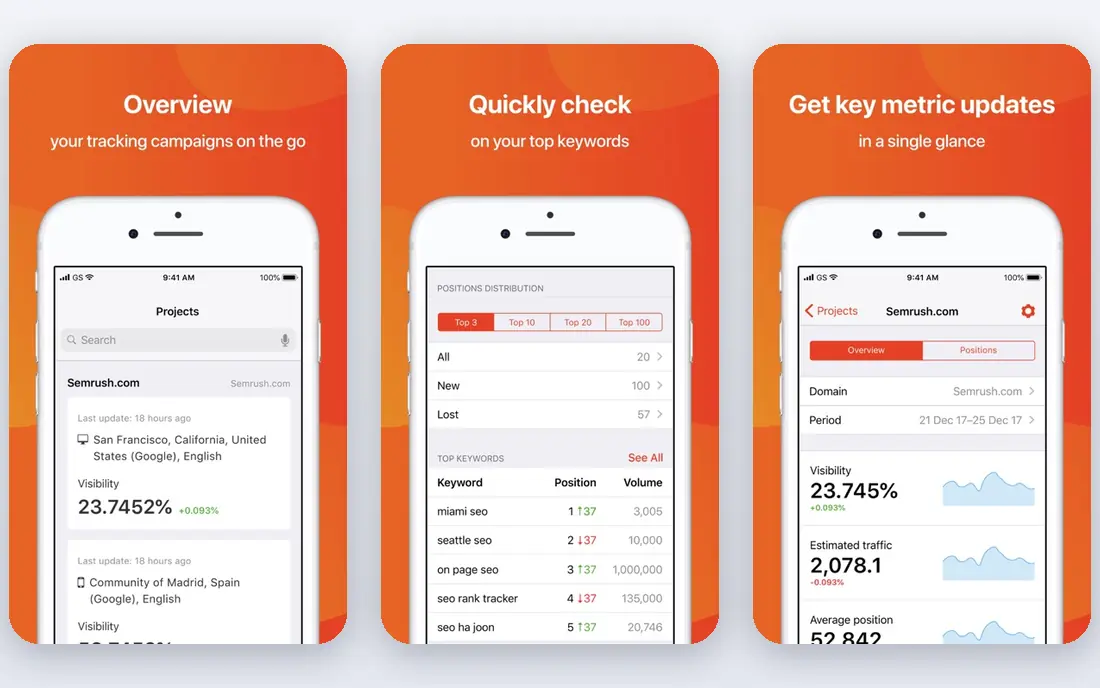
Semrush helps a startup avoid writing posts nobody searches for. Its keyword tools show demand, difficulty, and competitor gaps, and its content toolkit turns those findings into briefs. For a startup competing against larger rivals, that research step is often the difference between a post that ranks and a post that sits unread.
Pricing starts at $139.95 per month for Pro, with Guru at $249.95 per month for the full content toolkit. That is a lot for an early startup, so start with the limited free account or a short paid trial and use it to plan a quarter of content. If the budget cannot stretch to Semrush yet, pair StoryChief with free keyword research and revisit Semrush when traffic starts to matter.
- Keyword and competitor data
- Briefs from search data
- Site audit included
- Full content toolkit is on Guru
- Price is high for a pre-revenue startup
Canva is the visual tool most startups reach for first, because it lets a non-designer make blog headers, social graphics, pitch visuals, and simple videos from templates. The free plan covers a wide template range, while Pro at $12.99 per month adds brand kits, background removal, and more assets. For a startup without a designer, Canva turns a plain blog post into something worth sharing.
The honest catch is sameness. Templates used by thousands of other startups can make a brand look generic, so spend time on colors, fonts, and a few custom elements. Canva does not replace a designer for a full brand system, but it covers the daily visuals a startup content program needs.
- Large template library
- Easy social and blog graphics
- Team sharing on paid plans
- Templates can look generic
- Advanced brand controls sit on higher plans
Jasper helps a small team turn a brief into a first draft faster, with templates for blog posts, ads, and emails, plus brand voice settings that keep tone closer to your own. That speed helps a startup that knows what to say but lacks hours to write it from scratch. Collaboration tools let a founder review and edit drafts before publication.
Jasper does not replace judgment. Its drafts can include vague claims, repeated phrases, or outdated facts, so an editor should check every post before it goes live. Pricing varies by plan, seats, and credits, so check the current price for your team size. Use Jasper to speed up drafting, not to publish unchecked content.
- Templates for blogs, ads, and emails
- Brand voice settings
- Team collaboration
- Output needs human editing
- Pricing varies by seats and credits
Copy.ai suits startups that need a lot of short copy quickly, such as social posts, ad variants, and email subject lines. Its free plan lets a team test the workflow before paying, and its workflows can turn one idea into several formats. That is useful for a startup repurposing a single blog post across channels.
Long-form guides are weaker, and deep or technical topics still need a human writer and editor. Treat Copy.ai as a drafting and repurposing helper, not as a replacement for expertise. Check the current free limits, because AI credit rules change often, and confirm the paid price for your expected usage.
- Free plan to start
- Workflows for social and sales copy
- Quick idea generation
- Long-form quality varies
- Best for short copy, not deep guides
Buffer is the simplest way for a startup to keep social channels active without living on them all day. Posts can be scheduled in advance, and analytics show which formats and times perform best. The free plan covers basic scheduling, while paid plans start around $15 per month and add channels and features.
Buffer is not a blog publishing hub, so pair it with StoryChief or HubSpot if you need full blog workflow. Its strength is focus: one clear job, done simply, at a price a startup can justify. If social promotion is currently done by memory, Buffer will improve consistency in the first week.
- Simple social scheduling
- Analytics on post performance
- Easy for tiny teams
- Limited blog publishing
- Higher plans needed for more channels
CoSchedule gives a startup team a shared calendar for blog posts, social promotion, and campaigns, which prevents the common startup problem of publishing in bursts and then going quiet. Deadlines, owners, and promotion plans are visible in one place, so a founder can see the next month of content at a glance. That visibility helps a tiny team stay consistent.
Entry pricing starts around $29 per month, with higher tiers adding users and features. CoSchedule does not provide deep SEO research, so pair it with Semrush or free keyword tools when planning topics. If your main problem is consistency and missed promotion, CoSchedule is a focused and affordable answer.
- Shared calendar for blog and social
- Campaign views
- Clear deadlines
- Limited SEO research
- Best alongside a writing tool
How we picked these
We compared official feature pages, pricing pages, and recent 2026 guides, and we kept only platforms with a live content product in October 2026 that a startup can buy self-serve. We favored low entry prices, free plans or trials, collaboration for tiny teams, and publishing to common destinations such as WordPress, LinkedIn, and Instagram. We did not claim hands-on testing, and we used "See website" where pricing varies by seats, credits, or plan changes.
What to check before you choose
Start with two tools, not eight. A startup that buys every tool on this list will spend more time managing software than making content. Pick one publishing hub, such as StoryChief or HubSpot, and one helper for your biggest gap, such as Canva for visuals or Buffer for social scheduling. Add Semrush when search traffic becomes a real goal, and add AI drafting only when writing speed, not ideas, is the bottleneck.
Also check the true monthly cost. Free plans often limit channels, posts, or AI credits, and paid plans may charge per seat, so count every person who will use the tool. Set a simple rule for the first three months, such as two posts a week and one social post per blog post, and judge each tool by whether it helped you keep that pace. Cancel anything that did not.
Frequently asked questions
What is the best platform for content for startups?
For most startups, StoryChief is the best starting hub, because it covers drafting, SEO scoring, approvals, and multi-channel publishing at a low entry price. Pair it with Canva for visuals and Buffer for social scheduling. Add Semrush when SEO becomes a priority, and HubSpot when CRM and marketing already live there.
What are the best tools for content for startups?
The best tools for content for startups cover writing, visuals, planning, and publishing at a startup budget. StoryChief and CoSchedule cover planning and publishing, Canva covers visuals, Buffer covers social, Jasper and Copy.ai cover drafting, and Semrush covers research. Start with two or three, not the full set.
Can a startup do content marketing for free?
Partly. Canva, Buffer, Copy.ai, and HubSpot all offer free plans, and Semrush offers a limited free account. Free plans limit channels, posts, or credits, so a startup can launch on free tools but will usually need a paid plan once publishing becomes weekly. Budget for at least one paid hub within the first few months.
Is AI writing safe for startup content?
AI drafting is safe when a human edits and checks every post, but risky when posts go live unchecked. AI tools can invent facts, repeat generic claims, and miss your product details. Use Jasper or Copy.ai for first drafts and repurposing, and keep a founder or editor as the final check on accuracy and tone.
How much should a startup spend on content tools?
A lean startup stack can start under $50 per month with StoryChief or CoSchedule plus Canva Pro, while adding Semrush Pro at $139.95 per month raises the total sharply. Spend on the tool that fixes your current bottleneck, and revisit the stack each quarter as volume and revenue grow.
Sources
See where you really rank - block by block
ProMapRanker scans Google Maps across a grid of your service area. Simple monthly plans from $19, white-label on every plan.
Start freeKeep reading
 wpforms alternatives
Best WPForms Alternatives in 2026
We compare 9 wpforms alternatives for WordPress forms, with free and paid options, current pricing notes, and honest limits for small business sites in 2026.
Read → windows task scheduler alternatives
Best Windows Task Scheduler Alternatives in 2026
Looking for Windows Task Scheduler alternatives? We compare 9 schedulers for Windows and cross-platform work, from free tools to enterprise automation.
Read → which ai video service is best
Which AI Video Service Is Best in 2026
which ai video service is best? We compare 10 legitimate AI video services on price, avatars, editing and output quality to help you pick the right tool.
Read →