 ProMapRanker
Best Platform for Content for SaaS in 2026


SaaS teams already on HubSpot · Pricing starts at: See website
Key takeaways
- For SaaS teams, this article means content marketing and content creation platforms, not generic file storage or a plain CMS alone.
- The strongest SaaS content stacks pair a planning and publishing hub with an SEO research tool, so ideas, drafts, and results stay connected.
- HubSpot Content Hub fits SaaS teams that already use HubSpot for CRM and marketing, while StoryChief fits teams that publish to many channels.
- Semrush is the best research companion on this list, because its content toolkit links keyword data directly to briefs and drafts.
- Managed marketplaces such as Contently and Skyword suit SaaS companies that need expert writers, but they cost far more than self-serve tools.
Quick comparison
| Pick | Great for | Pricing starts at | Free tier | |
|---|---|---|---|---|
| HubSpot Content Hub | SaaS teams already on HubSpot | See website | Yes | Visit |
 Semrush | SEO research and content briefs | $139.95 per month | Yes | Visit |
 StoryChief | multi-channel publishing from one editor | $22 per month | Free trial | Visit |
 Contently | enterprise SaaS editorial programs | See website | No | Visit |
 Skyword | managed content with strategy support | See website | No | Visit |
 ClearVoice | vetted writers for brand content | See website | No | Visit |
 CoSchedule | content calendars and social scheduling | $29 per month | Free trial | Visit |
 GatherContent | structured briefs and approvals | See website | Free trial | Visit |
The best platforms for content for SaaS
We read this topic plainly as content marketing and content creation platforms suited to SaaS companies. That means tools that help a software team plan topics, brief writers, draft and optimize posts, publish across channels, and measure what worked, rather than tools that only store files.
These eight platforms cover the full SaaS content workflow, from research to publication. Some are all-in-one hubs, while others focus on one stage, such as finding writers or planning the calendar, so most teams will pair two of them rather than using one alone.
HubSpot Content Hub suits a SaaS team that already runs marketing and sales in HubSpot, because blog posts, landing pages, and lead data share the same system. Writers get SEO suggestions inside the editor, and marketers can see which posts feed pipeline without stitching together separate reports. Smart content and testing tools on Professional plans help teams tailor pages to different visitor segments.
The cost is the main caution. Free tools cover basic publishing, but the plans that make Content Hub a real content operation are priced per seat or per month at a much higher level, and onboarding fees can apply on Professional and Enterprise purchases. If your team does not already use HubSpot, a lighter publishing tool plus Semrush may deliver the same blog output for less money.
- Blog, pages, and CRM data in one system
- SEO recommendations in the editor
- Content remixing on higher plans
- Meaningful content features sit on paid plans
- Pricing varies by seats and contacts
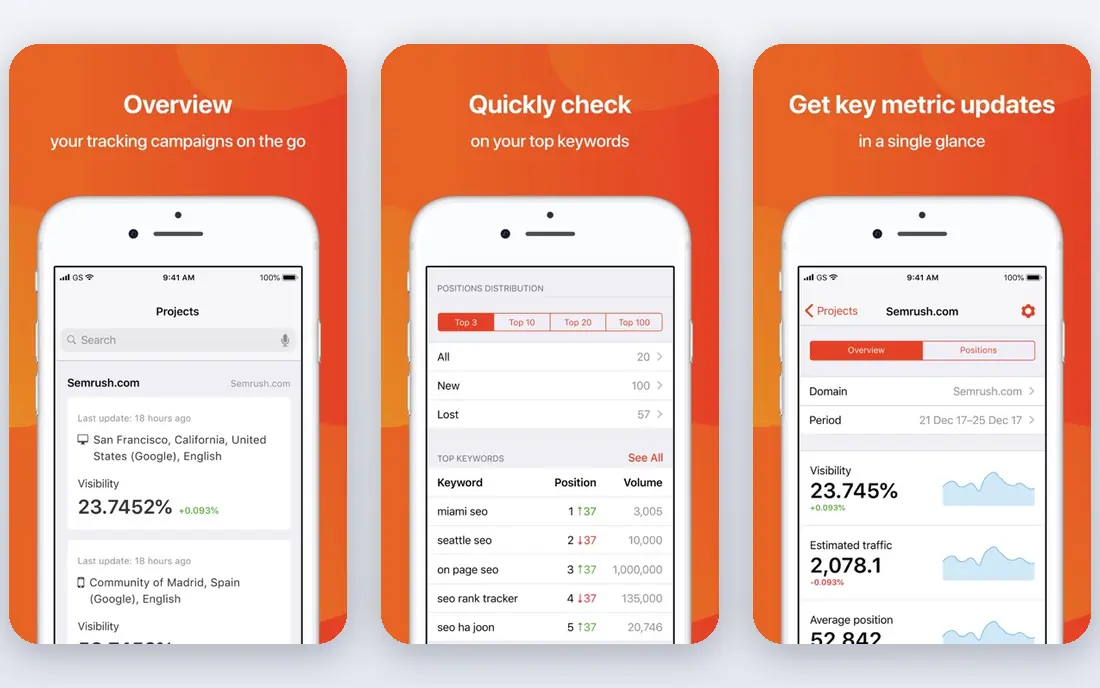
Semrush is the research engine behind many SaaS content programs. Its keyword tools show what buyers search for, what competitors rank for, and where your own pages are losing ground, and its content toolkit turns that data into briefs with suggested structure and related terms. For a SaaS team writing comparison pages and use-case guides, that link between research and drafting saves hours of guesswork.
Pricing starts at $139.95 per month for Pro, but the full Content Marketing Toolkit is a Guru feature at $249.95 per month, so budget for Guru if content is central to your plan. A limited free account lets you run a handful of searches a day, which is enough to check whether the data style suits your team. Semrush does not replace writers or editors, and its value drops if nobody acts on the briefs it produces.
- Deep keyword and competitor data
- Content briefs linked to search data
- Site audit included
- Full content toolkit sits on higher plans
- Learning curve for new users
StoryChief is built for teams that write once and publish everywhere. One editor handles drafting, SEO scoring, approvals, and distribution to WordPress, HubSpot, Shopify, and social channels, which removes the copy-and-paste step that slows many SaaS blogs. Campaign planning and analytics show which channels actually drive reads, not just which posts were published.
The Social Media Calendar plan starts around $22 per month, while Team plans are priced per seat and add more channels, collaboration, and SEO tools. Small SaaS teams should check the channel list on their chosen plan, because the cheapest tier may not include every destination they need. For a team publishing weekly across blog, LinkedIn, and email, StoryChief is one of the most practical hubs on this list.
- Publishes to websites, social, and newsletters
- SEO scoring in the editor
- Collaboration and approvals
- Entry plans limit channels and AI credits
- Pricing varies by seats
Contently pairs a content marketing platform with a vetted network of writers, which suits SaaS companies that need consistent, expert-level articles but do not want to hire a full editorial team. The platform covers strategy, assignments, approvals, and performance reporting, so a marketing lead can run a program with freelancers without managing it in spreadsheets. Its clients tend to be larger brands, and that shows in the depth of its workflow tools.
Pricing is quote-based and sits at the enterprise end of this list, so Contently is not a sensible pick for an early-stage SaaS startup. Onboarding is selective, and smaller teams may find the process slow. If your SaaS company publishes at scale and needs writers who understand technical topics, Contently is worth a sales conversation. If you publish a few posts a month, a self-serve tool will serve you better.
- Vetted enterprise writer network
- Editorial workflow and analytics
- Strong brand content focus
- Quote-based pricing
- Selective onboarding
- Overkill for small teams
Skyword, through its Skyword360 platform, combines content strategy with a global talent network, which helps SaaS teams that need a steady pipeline of articles tied to buyer personas and buying stages. Planners can map assignments to campaigns, track deadlines across regions, and manage contributors in one workflow, rather than juggling briefs in email. Keyword planning and multilingual SEO tools support SaaS companies selling in more than one market.
The trade-off is scale and cost. Skyword is priced by quote and designed for larger content programs, so a startup with a single blog will find it heavy. Setup also takes longer than a self-serve tool, because strategy and contributor matching are part of the service. For a growing SaaS company that needs managed output and editorial oversight, Skyword is a strong enterprise option.
- Strategy, planning, and talent network in one platform
- Persona and buying-stage planning
- Multilingual support
- Quote-based pricing
- Setup takes time
- Better for larger programs
ClearVoice connects brands with independent writers and gives teams a shared workspace for assignments, calendars, and publication. That model suits SaaS companies that have a clear content strategy but lack in-house writers for every topic, especially thought leadership and brand stories that need a human voice. Teams can manage writers directly or use a managed option, depending on how much editorial work they want to keep in-house.
Pricing is not published as a simple monthly plan, and costs depend on the writers and volume you choose, so request a quote for your actual publishing cadence. Writer availability also varies by niche, so technical SaaS topics may take longer to staff than general business topics. ClearVoice works best when you already know what to publish and need reliable writers to produce it.
- Talent matching for brand and thought leadership
- Assignment and calendar tools
- Managed workflow option
- Costs rise with volume
- Writer availability varies by niche
CoSchedule is the calendar layer many SaaS content teams are missing. It puts blog posts, social promotion, and campaigns on one calendar, so a team can see gaps, overlaps, and promotion plans at a glance. Social scheduling tied to each post means a new article does not sit unpublished on social channels because nobody remembered to promote it.
Entry pricing starts around $29 per month, with higher tiers adding more users and features. CoSchedule does not replace Semrush for research or StoryChief for multi-channel publishing, and teams that need both should budget for two tools. If your main problem is missed deadlines and scattered promotion, CoSchedule is a focused and affordable fix.
- Clear marketing calendar
- Social scheduling tied to blog posts
- Analytics on campaign performance
- Less depth on SEO research
- Best as a companion to a writing tool
GatherContent helps SaaS teams manage the messy middle of content work: gathering input, structuring briefs, and getting approvals before anything is published. Templates keep briefs consistent across writers, and approval workflows make it clear who has signed off and what is still waiting. That structure matters when product, marketing, and legal teams all need to review technical claims.
GatherContent is not a replacement for a CMS, an SEO tool, or a publishing hub, so plan to pair it with those tools. Pricing is not published as a simple list, so ask for a quote based on users and projects. For SaaS teams whose bottleneck is approvals and scattered feedback, rather than writing itself, GatherContent is a practical addition.
- Structured content templates
- Clear approval workflows
- Good for teams with many contributors
- Not a publishing or SEO tool on its own
- Pricing is not published plainly
How we picked these
We compared official feature pages, pricing pages, and recent 2026 guides, and we kept only platforms with a live content planning, creation, or publishing product in October 2026. We favored tools that support collaboration, SEO guidance, and publishing to a website or social channels, and we checked whether each tool fits a SaaS workflow such as product-led blog posts, comparison pages, and customer education. We did not claim hands-on testing, and we used "See website" where pricing is quoted or varies by seats and volume.
What to check before you choose
Start by naming your bottleneck. If ideas and briefs are the problem, Semrush will help more than another editor. If publishing and promotion are the problem, StoryChief or CoSchedule will help more than a writer marketplace. If writer capacity is the problem, Contently, Skyword, or ClearVoice will help more than a calendar tool. Most SaaS teams need two tools, not one, and the cheapest stack is usually a research tool plus a publishing hub.
Also check who owns the workflow. A tool that only one person can use will fail when that person is on leave, so look for shared calendars, approvals, and clear roles. Check publishing destinations on the plan you would actually buy, not the top plan, and confirm whether AI credits, seats, or channels are capped. Finally, set a simple measurement rule before you sign up, such as traffic, sign-ups, or demo requests per post, so you can judge the tool after three months instead of guessing.
Frequently asked questions
What is the best platform for content for SaaS?
For most SaaS teams, a pair works best: Semrush for research and briefs, plus StoryChief or HubSpot Content Hub for drafting and publishing. HubSpot is the better pick if your CRM and marketing already live there, while StoryChief is the better pick if you publish to many channels. Managed marketplaces suit teams that need writers more than software.
What are the best tools for content for SaaS?
The best tools for content for SaaS cover research, writing, publishing, and measurement. Semrush covers research, StoryChief and HubSpot cover publishing, CoSchedule covers planning, and Contently, Skyword, and ClearVoice cover writer capacity. GatherContent covers briefs and approvals. Pick the tool that fixes your current bottleneck first.
Is HubSpot Content Hub good for SaaS content?
Yes, when your team already uses HubSpot, because blog, pages, and CRM data share one system and reporting ties posts to pipeline. The cost rises quickly on Professional and Enterprise plans, and onboarding fees can apply, so smaller teams should compare StoryChief plus Semrush before committing to HubSpot.
Do SaaS companies need a managed content marketplace?
Not always. A marketplace helps when you need steady expert output without hiring writers, but it costs more than self-serve tools and takes longer to set up. Many SaaS teams start with in-house writing plus Semrush and StoryChief, then add a marketplace when volume outgrows the internal team.
How much should a SaaS content platform cost?
Self-serve tools start from around $22 to $30 per month for basic plans, while Semrush starts at $139.95 per month and Guru at $249.95 per month for the full content toolkit. Managed platforms such as Contently and Skyword are quote-based and sit at the enterprise end. Budget for seats, channels, and AI credits, not just the headline plan price.
Sources
See where you really rank - block by block
ProMapRanker scans Google Maps across a grid of your service area. Simple monthly plans from $19, white-label on every plan.
Start freeKeep reading
 wpforms alternatives
Best WPForms Alternatives in 2026
We compare 9 wpforms alternatives for WordPress forms, with free and paid options, current pricing notes, and honest limits for small business sites in 2026.
Read → windows task scheduler alternatives
Best Windows Task Scheduler Alternatives in 2026
Looking for Windows Task Scheduler alternatives? We compare 9 schedulers for Windows and cross-platform work, from free tools to enterprise automation.
Read → which ai video service is best
Which AI Video Service Is Best in 2026
which ai video service is best? We compare 10 legitimate AI video services on price, avatars, editing and output quality to help you pick the right tool.
Read →