 ProMapRanker
Best PBN Services in 2026

Key takeaways
- Private blog networks are link schemes that search engines penalise, so we do not list PBN sellers as recommended products.
- The legitimate goal behind this search is earning links from real sites, and that can be done with outreach, digital PR, and useful content.
- Outreach tools suit teams that do the work in-house, while agencies suit teams that want managed campaigns.
- Ask any provider plainly whether it uses private networks, and walk away if the answer is vague.
Quick comparison
| Pick | Great for | Pricing starts at | Free tier | |
|---|---|---|---|---|
 Pitchbox | Agency-scale outreach | See website | No | Visit |
 BuzzStream | Small-team outreach CRM | $49 per month | Free trial | Visit |
 Respona | Managed placements | $100 per placement | No | Visit |
 Page One Power | Custom manual outreach | See website | No | Visit |
 Siege Media | Content-led digital PR | See website | No | Visit |
 uSERP | Editorial links for SaaS | See website | No | Visit |
 Editorial.Link | Per-link outreach packages | See website | No | Visit |
 Semrush | Prospecting and outreach tools | $139 per month | Yes | Visit |
The best pbn services
This article answers the search in a plain way. A private blog network, or PBN, is a set of sites built or bought mainly to sell links and pass ranking credit to a target site. Search engines treat that as a link scheme, and sites caught using PBN links can lose rankings or receive a manual penalty that takes months to clean up. We therefore do not recommend PBN sellers, link farms, or paid-link schemes, and we do not list them below.
Instead, the eight products below help you earn links in ways that do not carry that risk: outreach software you run yourself, and agencies that pitch real publishers with real content. Our pick for most in-house teams is BuzzStream, because it is affordable and keeps outreach relationships in one place. Teams that want work done for them should shortlist Page One Power and Siege Media, and confirm their methods in writing before signing.
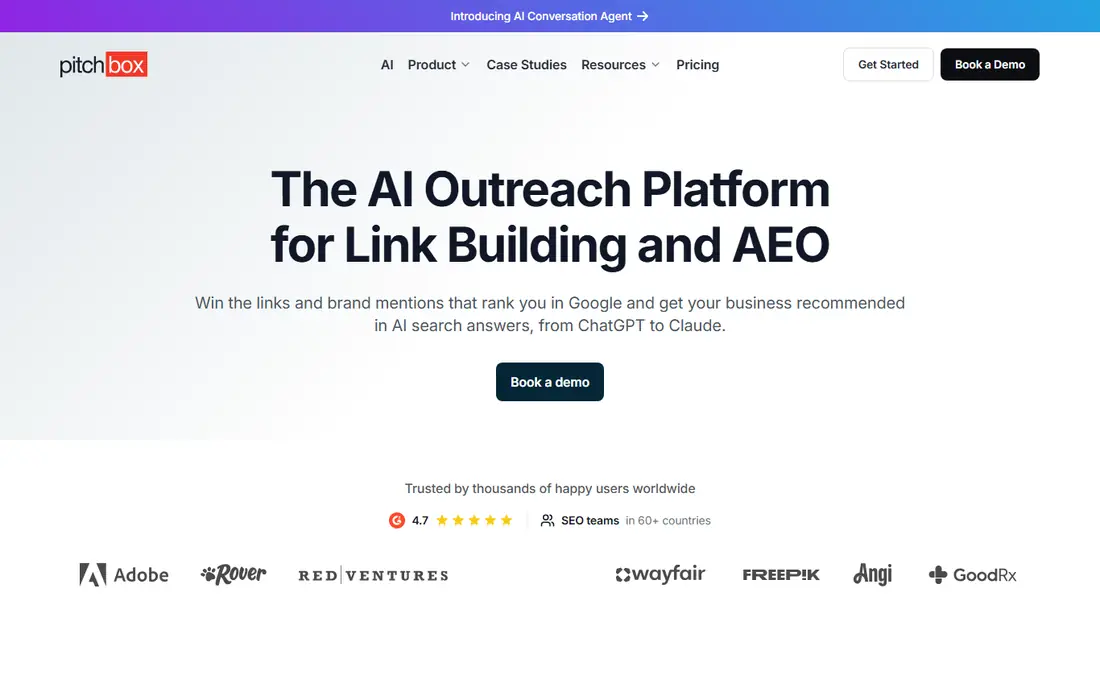
Pitchbox is built for agencies and larger SEO teams that run many outreach campaigns at once. It finds prospects, sends personalised sequences, tracks replies, and monitors links once they go live. For a team juggling several clients, that single workflow replaces a set of spreadsheets and separate tools.
The downside is cost and complexity. Published Pitchbox prices have varied across recent guides, so we list it as See website and suggest getting a written quote for your seat count and email volume. Small teams should test BuzzStream first, and only move to Pitchbox when campaign volume makes its automation worth the price.
- Prospecting, outreach, and link monitoring in one platform
- Strong workflow automation
- Integrations with SEO tools
- Price and plan details vary by quote
- More than a small team needs
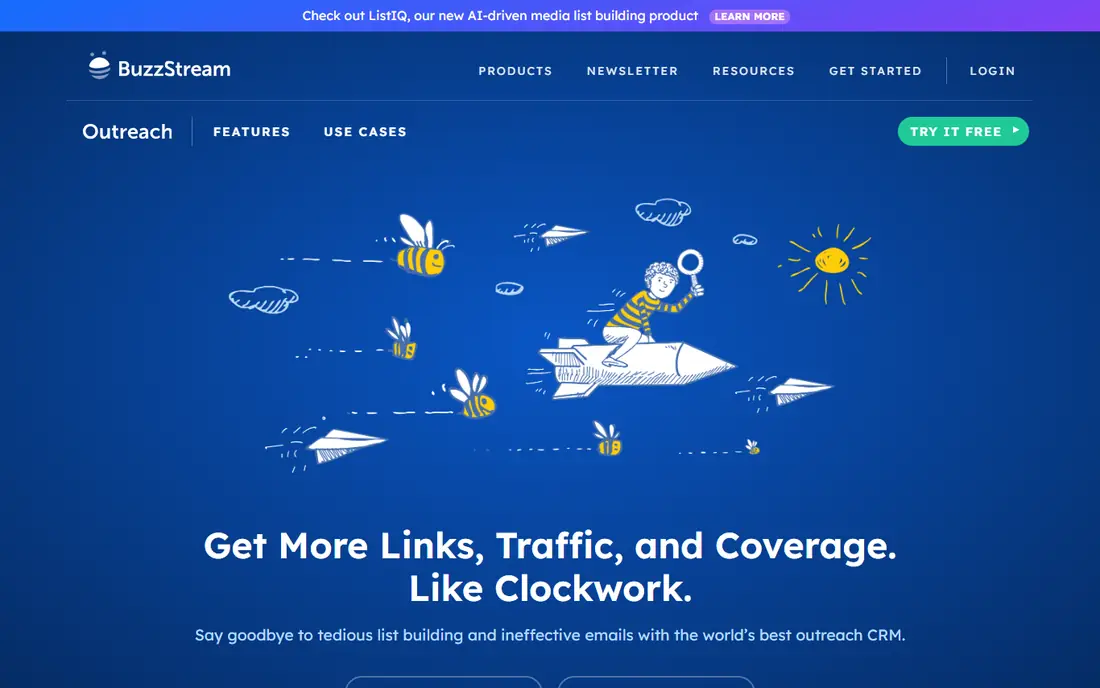
BuzzStream works as a CRM for outreach and digital PR. You store contacts, track conversations, send follow-ups, and watch for links you have earned, without paying agency prices. That simple record matters, because good outreach is mostly follow-up and relationship care over months, not a single blast email.
It is not the most automated tool on this list, and large agencies may outgrow it. For a small business or a solo marketer, though, the $49 per month entry plan we found is a fair price for keeping outreach organised. Use it to pitch useful content to real sites, and keep a note of every publisher you contact.
- Affordable entry plan
- Contact and relationship tracking
- Link monitoring included
- Less automation than Pitchbox at scale
- Prospecting depth is lighter
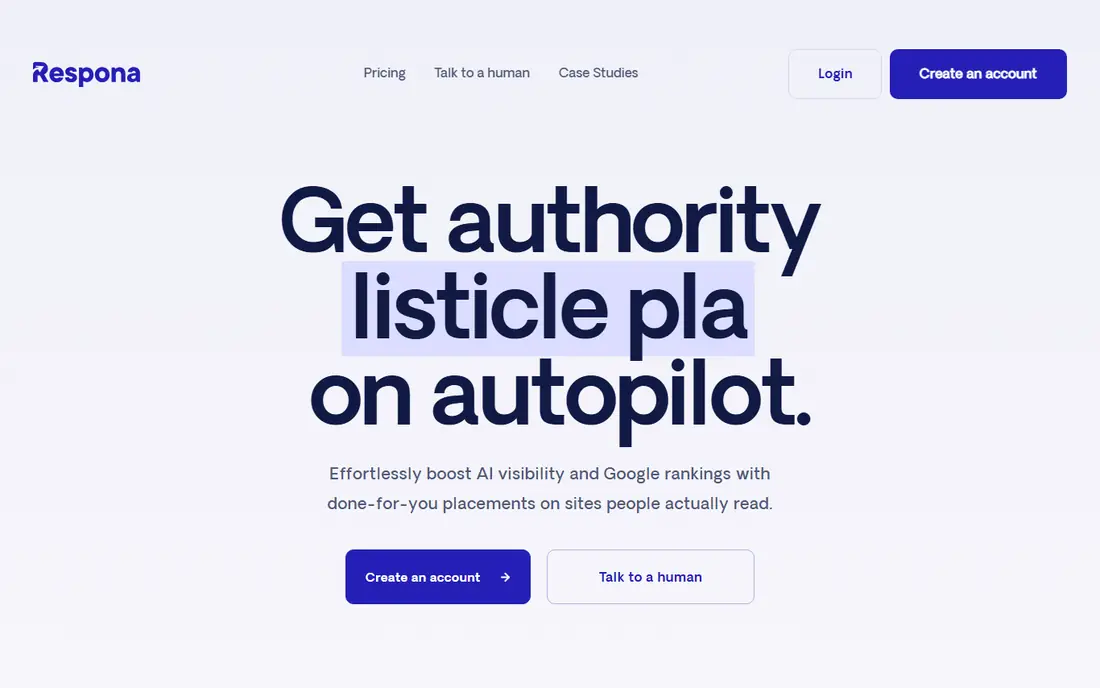
Respona has moved toward a managed placement model, where you pay per placement rather than per seat. The entry tier was listed at $100 per placement for lower-authority sites in recent guides, with higher tiers for stronger sites. That model suits a team that wants links without hiring outreach staff, and that prefers to pay for results rather than software.
Check what a placement actually means before ordering. Ask for the publisher, the page type, and whether the link sits in the main body of a real article. A cheap placement on a thin site built mainly to sell links is not a safe substitute for a PBN, it is the same risk in different packaging.
- Pay-per-placement model
- Tiered placement options
- Managed outreach for busy teams
- Per-placement cost adds up
- Quality varies by publisher and tier
Page One Power runs custom, manual link building campaigns rather than selling a fixed package of links. Its approach centres on finding relevant sites, pitching useful content, and building relationships with publishers over time. That slower method is exactly what separates legitimate outreach from a network built to sell links.
Pricing is quote-only, and third-party reports describe campaigns starting in the thousands per month, with per-link costs that reflect manual work. Ask for sample publishers, reporting format, and a plain statement that no private network sites are used. A good agency will answer those questions without hesitation.
- Relationship-based manual outreach
- Custom campaigns by niche
- Long track record in link building
- Quote-only pricing
- Premium cost per link in third-party reports
Siege Media earns links through content and digital PR: research, data stories, and assets that publishers actually want to cite. That model fits brands that can invest in content and wait for editorial coverage, rather than brands that want a set number of links by next week. Its public material describes an effective cost per link well below many agency retainers, but the engagement itself is quote-only.
The honest limit is time. Content-led links accrue over months, and a new site with little authority may need foundational content first. If you need links fast, a content agency will disappoint you, and that pressure is often what pushes buyers toward risky networks. Resist it, and judge Siege Media on the quality of its published work.
- Content and digital PR that earns editorial links
- Strong portfolio for larger brands
- Focus on link quality over volume
- Retainer pricing suits larger budgets
- Results take time to build
uSERP focuses on digital PR and editorial links for SaaS and technology companies, pitching stories and content to established publishers. Recent guides list monthly tiers in the thousands, with campaigns aimed at stronger publishers rather than large volumes of weak links. For a SaaS company competing on crowded keywords, that focus can be worth the cost.
Smaller teams should note the fit. A $5,000-plus monthly tier only makes sense when the site already converts traffic and the content is ready to pitch. Before signing, ask which publishers are realistic for your niche, and how links are reported and replaced if a page is removed.
- Editorial and digital PR links for SaaS and tech
- Published tier ranges in recent guides
- Focus on high-authority publishers
- High monthly retainers
- Best suited to funded or larger SaaS teams
Editorial.Link sells managed outreach in packages, with per-link prices derived from package size in recent guides. That structure suits a buyer who wants a defined number of placements without a long retainer, and who can check each placement as it arrives. Packages also make budgeting simpler than an open-ended hourly campaign.
As with any managed service, inspect the links, not just the count. Ask for the live URL, check that the site is real and relevant, and confirm the link is editorial and in the body of the article. If a provider will not show you placements before you pay for the next package, stop ordering.
- Package pricing by link count
- Average authority ranges published in guides
- Managed outreach
- Per-link prices vary by package
- Publisher quality needs checking
Semrush is not an agency, but its Link Building Tool helps an in-house team find prospects, run outreach, and track progress. Its backlink audit is also useful for a site that has used risky links in the past, because it flags links worth reviewing and disavowing through Google tools. For a team already using Semrush for keyword and site work, the outreach tool adds value without a second subscription.
The outreach workflow itself is simpler than Pitchbox, and it still needs human pitching. Semrush will not write a good pitch for you, and it will not fix a site with thin content. Use it to find real prospects, then pitch something genuinely useful, and keep your link profile clean.
- Link building tool with prospecting and outreach
- Backlink audit to find toxic links
- Broad SEO toolkit in the same subscription
- Outreach features are basic next to Pitchbox
- Full value needs SEO knowledge
How we picked these
We compared official product pages and recent link building guides for October 2026, and we kept only services that describe manual outreach, editorial placement, or digital PR on real sites. We excluded PBN sellers, link farms, and services that sell links from networks built for that purpose, even when they rank for this keyword. Where prices conflicted across guides, we wrote See website rather than publishing a disputed figure as fact.
How to spot a risky link service
Ask about the sites
A legitimate provider can name the type of sites it pitches, show sample placements, and explain why each site is relevant. A risky provider hides site lists, promises a set number of links for a flat fee, or talks mainly about authority scores rather than real readers. Authority scores alone do not make a site safe.
Watch for network signs
Be wary of sites with thin content, no real author or audience, heavy outbound linking to unrelated topics, or a history of selling links. If many placements share the same template, hosting pattern, or writing style, treat that as a warning sign. One bad pattern can taint a whole link profile.
Check reporting and replacement terms
Good providers report live URLs, anchor text, and placement dates, and explain what happens if a link is removed. Get those terms in writing, and check early placements yourself before scaling up. If reporting is vague, the service is not worth the risk, however cheap it looks.
Frequently asked questions
What is the best pbn service?
We do not recommend a PBN service, because private blog networks are link schemes that search engines penalise. The safer route is legitimate outreach and digital PR, using tools like BuzzStream and Pitchbox or agencies like Page One Power and Siege Media. Those routes earn links from real sites, even though they take longer.
What is the best pbn service for safe link building?
There is no safe PBN service, since the risk comes from the network model itself, not from one bad seller. Safe link building means pitching real publishers, creating content worth citing, and reclaiming unlinked brand mentions. If a seller promises fast, cheap, guaranteed links, treat that promise as a risk signal.
Are PBN links still working in 2026?
Some sellers claim short-term ranking gains, but search engines have penalised link schemes for years, and a penalty can erase far more traffic than the links ever gained. Cleaning up a penalised profile means finding links, contacting site owners, and disavowing the rest, which is slow and uncertain work. The short-term gain is rarely worth that cost.
How can I earn links without a PBN?
Create useful content, pitch it to relevant publishers, answer journalist requests, fix broken links on resource pages, and reclaim mentions of your brand that lack a link. Tools on this list help you organise that work, and agencies can run it for you. Results come slower than buying links, but the links last longer and carry less risk.
What should I ask a link building agency before hiring it?
Ask whether it uses private networks, how it finds publishers, what sample placements look like, how it reports links, and what happens if a link is removed. Also ask about anchor text control and content quality. Clear, specific answers are a good sign, while vague claims about authority and volume are not.
Can I recover from PBN links I already bought?
Start with a backlink audit in a tool like Semrush, list the suspicious links, and try to get the worst ones removed. For links you cannot remove, Google disavow tool is the usual next step, but use it carefully and keep records of your work. Recovery takes time, so stop buying risky links first, then clean up.
Sources
See where you really rank - block by block
ProMapRanker scans Google Maps across a grid of your service area. Simple monthly plans from $19, white-label on every plan.
Start freeKeep reading
 wpforms alternatives
Best WPForms Alternatives in 2026
We compare 9 wpforms alternatives for WordPress forms, with free and paid options, current pricing notes, and honest limits for small business sites in 2026.
Read → windows task scheduler alternatives
Best Windows Task Scheduler Alternatives in 2026
Looking for Windows Task Scheduler alternatives? We compare 9 schedulers for Windows and cross-platform work, from free tools to enterprise automation.
Read → which ai video service is best
Which AI Video Service Is Best in 2026
which ai video service is best? We compare 10 legitimate AI video services on price, avatars, editing and output quality to help you pick the right tool.
Read →