 ProMapRanker
Best Paying Delivery Apps in 2026

Key takeaways
- Amazon Flex often posts the highest gross hourly figures in 2026 driver data, but its blocks and routes differ from food delivery.
- DoorDash and Uber Eats lead on order volume, while Grubhub and grocery apps can pay more per order in some markets.
- Gross pay is not take-home pay. Fuel, mileage, insurance, and taxes change the ranking in every market.
- Pay varies by city, time, and order choice, so track your own net hourly rate for two weeks before judging an app.
Quick comparison
| Pick | Great for | Pricing starts at | Free tier | |
|---|---|---|---|---|
 Amazon Flex | High gross hourly blocks | Free | Yes | Visit |
 DoorDash | Order volume and short trips | Free | Yes | Visit |
 Uber Eats | Dense city delivery | Free | Yes | Visit |
 Grubhub | Per-order pay in some markets | Free | Yes | Visit |
 Instacart | Grocery orders and tips | Free | Yes | Visit |
 Shipt | Scheduled grocery delivery | Free | Yes | Visit |
 Spark Driver | Walmart grocery and retail orders | Free | Yes | Visit |
 GoPuff | Short local deliveries | Free | Yes | Visit |
The best paying delivery apps
We compared driver pay data, order types, tips, flexibility, and costs for drivers who want the best return on their time and miles.
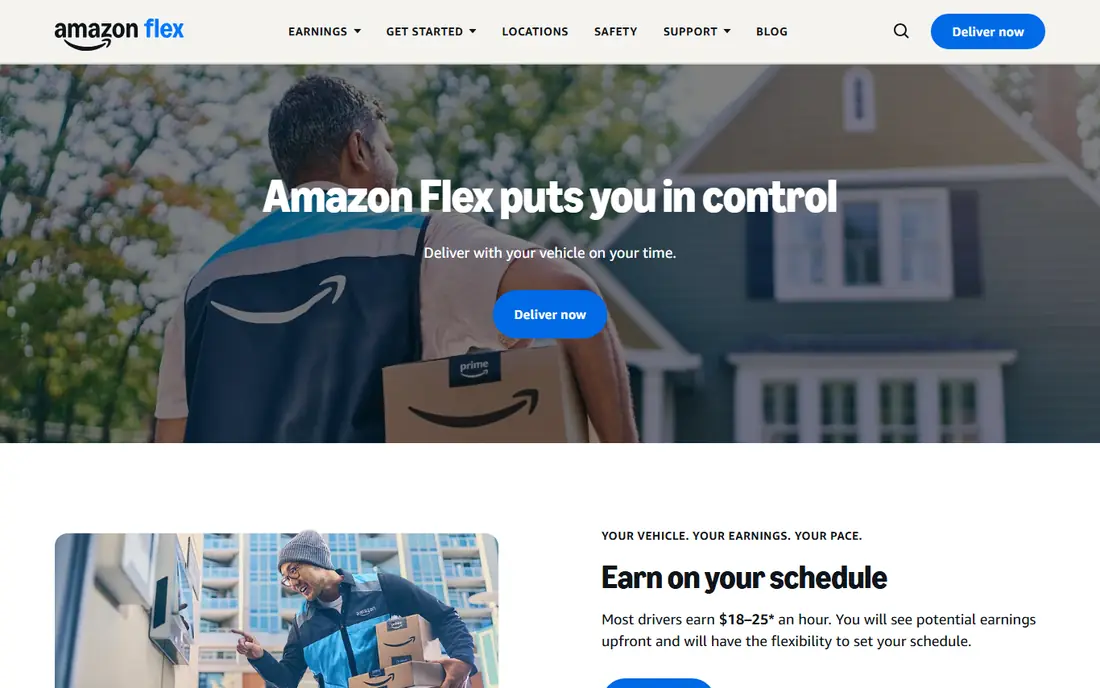
Amazon Flex works in blocks, not single orders. Drivers pick a delivery block, see the stated pay for that block, and deliver packages along a route. That upfront pay view helps drivers compare a block against their time and fuel cost before accepting.
The catch is availability. Blocks can fill fast in popular areas, and a route with many stops or long distances can cut the hourly rate. Flex suits drivers with a larger vehicle, flexible timing, and a habit of checking for blocks early.
- Blocks with stated pay before acceptance
- Package delivery without restaurant waits
- 2026 data shows high gross hourly rates
- Blocks can be scarce
- Routes and package counts vary
- Vehicle wear adds up on longer routes
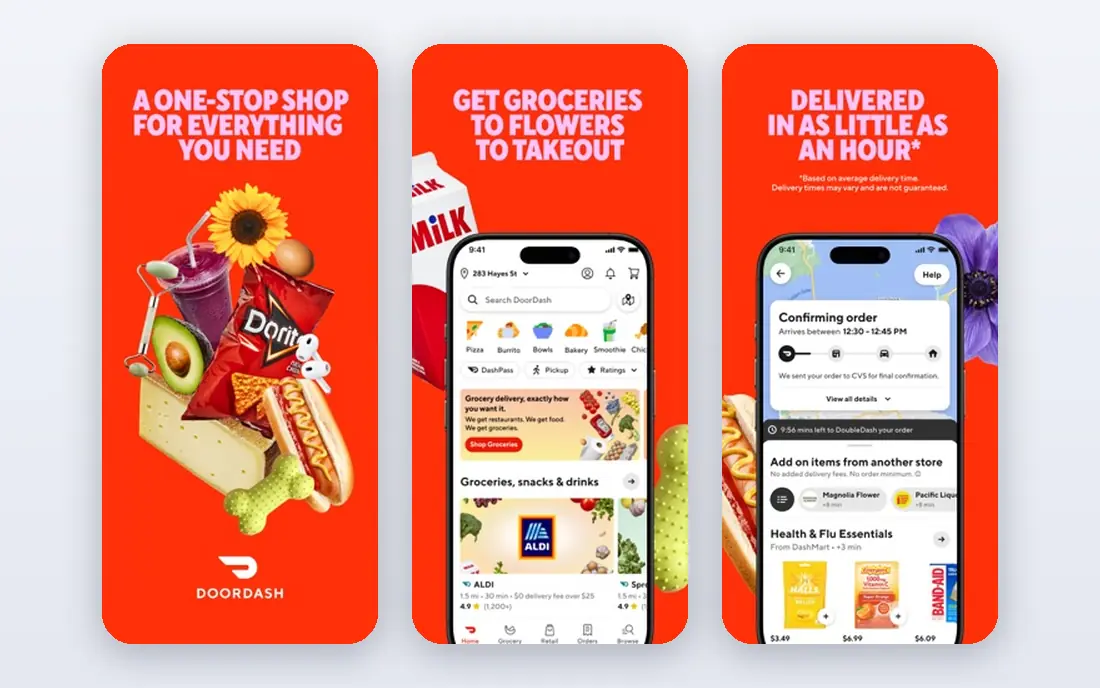
DoorDash is the volume play. In most US markets it offers more orders than rivals, which means less waiting between deliveries. Short restaurant trips also keep miles lower than grocery or package routes, which helps net pay in 2026 driver data.
Low base pay is the downside. Many orders rely on tips to reach a good hourly rate, so declining low-pay orders matters. Drivers who learn peak hours, busy restaurant zones, and order selection tend to do better than drivers who accept every ping.
- Very high order volume in most markets
- Short trips in many areas
- Weekly pay and instant cash-out options
- Base pay per order can be low
- Pay varies sharply by market and time
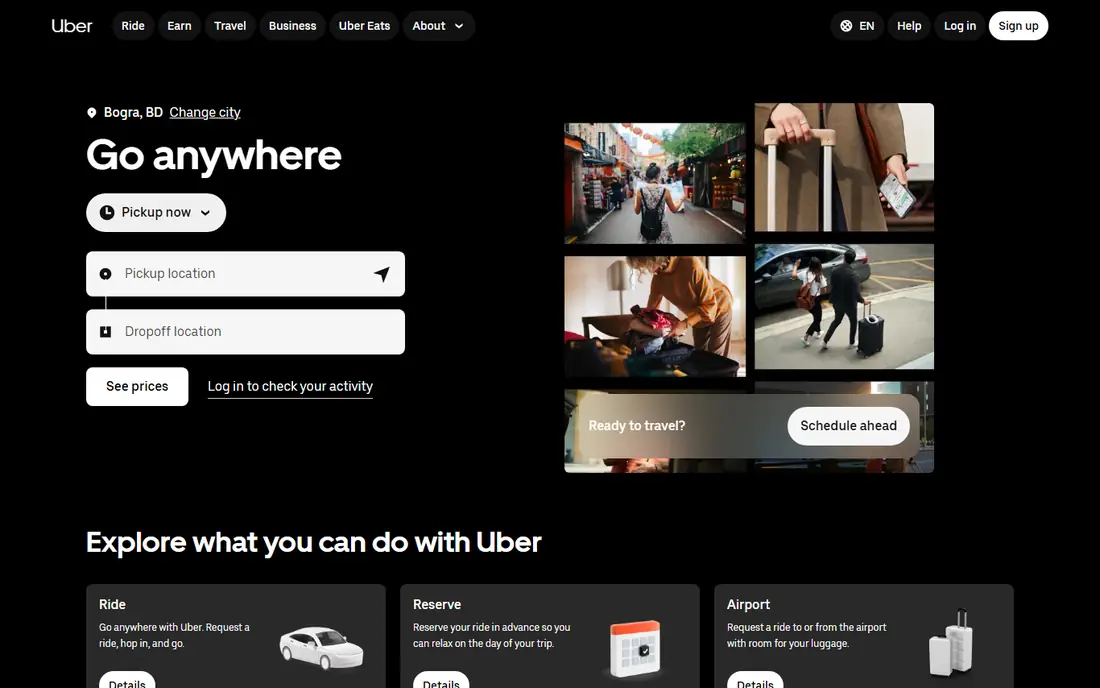
Uber Eats shines where restaurants cluster close together. Dense cities mean shorter trips, more orders per hour, and stronger tips on higher-priced orders. Drivers who already drive for Uber can also switch between food delivery and rideshare in one app.
Market matters more than brand here. In some suburban markets DoorDash wins on volume, while in coastal cities Uber Eats often wins on tips and surge. Track both apps in your own city for a week before choosing one as your main app.
- Strong in dense cities
- Surge and promotions at peak times
- Can pair with rideshare in the same driver app
- Pay per trip can lag DoorDash in some markets
- Waiting at restaurants still eats time
Grubhub can look strong on gross pay, with 2026 driver data showing higher hourly figures than DoorDash or Uber Eats in some samples. Scheduled blocks help drivers plan shifts, and restaurant orders are familiar work for food couriers.
Net pay tells a harder story. Longer trips raise fuel and maintenance costs, which can cut the advantage shown by gross figures. Grubhub suits drivers in markets where it has strong restaurant coverage and who track miles carefully.
- Higher gross hourly figures in some 2026 data
- Scheduled blocks in many markets
- Restaurant-focused orders
- Longer average trips can raise vehicle costs
- Order volume is lower than DoorDash in many areas
Instacart pays for grocery shopping and delivery, which changes the work. A large order can bring a larger tip than a single restaurant meal, and batch orders can stack two or three deliveries. Drivers who shop fast and know store layouts do better.
Shopping time is the risk. Time spent finding items, waiting for replacements, and loading heavy bags can stretch an order well beyond the estimate. Check the pay breakdown for each batch, and avoid large, complex orders during your first weeks.
- Larger grocery orders can bring larger tips
- Shopper and delivery roles
- Batch orders in busy areas
- Shopping time is unpaid in some pay models
- Heavy orders and store waits add time
Shipt focuses on scheduled grocery and retail delivery, often through partner stores. Drivers can pick delivery windows that fit their day, and repeat shoppers may build familiarity with stores and customers. That structure suits drivers who prefer planned shifts over constant pings.
The downside is market depth. In smaller markets, order volume may not support full-time work, and pay after vehicle costs can look modest in 2026 data. Shipt works best as a second app or for drivers in areas with strong partner store coverage.
- Scheduled delivery windows
- Grocery and retail orders
- Repeat customers in some areas
- Order volume varies by market
- Pay per order can be modest after costs
Spark Driver, the Walmart delivery platform, offers a different pay shape. Single grocery offers often pay more than a single food order, and large orders can bring strong tips. Drivers who are selective and know which stores load fast can do well.
Time is the trade-off. A grocery order with shopping, loading, and a long drive can take 45 minutes or more, so hourly pay depends on order choice. New drivers may also see weaker offers first, since the tier system rewards completed deliveries and acceptance history.
- Larger per-offer pay on many grocery orders
- Tips on large orders
- Shop and deliver options
- Orders can take longer
- New drivers may get weaker offers until they build history
- Store loading waits vary
GoPuff delivers convenience items from its own facilities, which keeps trips short and pickups simple. Drivers avoid restaurant waits and grocery shopping, and local routes can mean lower mileage than other apps. That simplicity suits drivers who want steady, short work.
Availability is the limit. GoPuff operates in selected cities and around its facilities, so it may not be an option in your area. Pay also varies by city and time, so treat it as a strong local option where it operates, not a national pay leader for everyone.
- Short trips from local facilities
- Convenience items with quick pickups
- Simple delivery work
- Order volume and pay vary by city
- Shifts and facility locations limit availability
How we picked these
We compared 2026 driver pay data, official driver pages, and app store listings for pay structure, order types, tips, and flexibility. We used gross and estimated net hourly figures from driver tracking data as a guide, not as a promise, since pay varies by market. We did not claim hands-on driving, and we treated promotional bonuses as time-limited offers, not base pay.
How to judge pay honestly
Gross pay is the number on the screen. Net pay is what remains after fuel, maintenance, insurance, depreciation, and taxes. Track miles for every shift, save receipts, and calculate net hourly pay after a standard per-mile cost. That single habit will tell you more than any national ranking.
Multi-apping can raise hourly pay, but only if you manage it well. Running two apps at once helps fill dead time, yet accepting orders you cannot complete on time risks late deliveries and deactivation. Keep one app as your main app during a shift, and use the second app to fill gaps, not to stack conflicting orders.
Costs, taxes, and safety
Delivery drivers are usually independent contractors, which means self-employment tax, quarterly estimated payments, and careful mileage records matter. Keep a mileage log, set aside money for taxes, and check whether your car insurance covers delivery work. Drive safely, avoid phone use while moving, and decline orders that require unsafe parking or rushed driving.
A two-week test that works
Drive your top two apps for two weeks, at similar hours, and log gross pay, tips, miles, hours, and costs for each. Compare net hourly pay, not just total earnings, and note which hours and zones paid best. After two weeks, keep the app with the better net rate as your main app, and keep the second app for peak times or slow days.
Frequently asked questions
What delivery service pays the best?
Amazon Flex often posts the highest gross hourly figures in 2026 driver data, but the best app for you depends on your city, vehicle, and hours. DoorDash leads on volume, Uber Eats leads in many dense cities, and grocery apps can pay more per order. Track your own net hourly rate to find your local winner.
Which is the best delivery app for drivers who want flexible hours?
DoorDash and Uber Eats offer the most flexible, on-demand work in most markets, since drivers can log on when orders are available. Amazon Flex and Shipt use blocks or scheduled windows, which suit drivers who prefer planned shifts. Flexibility also depends on local demand, so check order availability at your usual hours.
What is the best food delivery service to work for?
DoorDash offers the most orders in most markets, Uber Eats offers strong city pay and surge, and Grubhub can offer higher per-order pay in some areas. Food delivery suits drivers who want short trips and fast turnover. Grocery delivery suits drivers who prefer larger orders and tips, even if each order takes longer.
How much can delivery drivers really earn?
Earnings vary widely by market, hours, order choice, and vehicle costs. Driver tracking data for 2026 shows gross hourly figures roughly in the mid-teens to low twenties for many food and grocery apps, with Amazon Flex higher on gross pay. Net pay after vehicle costs is lower, so track miles and costs before judging an app.
Is multi-apping worth it?
Multi-apping can raise hourly pay by filling dead time between orders, and many top earners run two apps. It only works if you accept orders you can complete on time and avoid late deliveries. Start with one app, learn its busy hours and zones, then add a second app slowly.
Do delivery apps pay for gas and car costs?
Most delivery apps do not pay a separate gas allowance as base pay, though some promotions or pay models include mileage or time factors. Drivers bear fuel, maintenance, and insurance costs, and mileage can be tax-deductible for independent contractors in the United States. Keep records and seek tax advice for your situation.
Sources
- https://flex.amazon.com
- https://www.doordash.com
- https://www.uber.com
- https://www.grubhub.com
- https://www.instacart.com
- https://www.shipt.com
- https://www.walmart.com
- https://www.gopuff.com
- https://www.worksolo.com/blog/how-much-do-doordash-drivers-make
- https://www.worksolo.com/blog/gig-apps-ranked-by-hourly-pay-in-2026
- https://gigworkermoney.com/best-gig-delivery-app-2026/
See where you really rank - block by block
ProMapRanker scans Google Maps across a grid of your service area. Simple monthly plans from $19, white-label on every plan.
Start freeKeep reading
 zoom alternatives
Best Zoom Alternatives in 2026
Compare Zoom alternatives in 2026, with free meeting limits and prices, so you can pick the best alternative to Zoom for your team, class, or community.
Read → which software is best for remote work
Which Software Is Best for Remote Work in 2026
Answering which software is best for remote work, we compare Slack, Zoom, Asana, Notion, Teams and more, with pricing and honest tradeoffs in 2026 now.
Read → which ai tool is best for content writing
Which AI Tool Is Best for Content Writing in 2026
Wondering which ai tool is best for content writing? We compare ChatGPT, Claude, Jasper, Grammarly, and more on price, quality, and best use in 2026 now.
Read →