 ProMapRanker
Best Packaged Food Companies in CPG in 2026

Key takeaways
- This is a guide based on public portfolio factors, not a verified ranking, and no scores are claimed
- Nestle leads for breadth, PepsiCo and Mondelez for snacking
- Portfolio splits and sales change what each company owns
- Judge by local brands and category health, not brand fame alone
Quick comparison
| Pick | Great for | Pricing starts at | Free tier | |
|---|---|---|---|---|
 Nestle | Widest packaged food and drink range | See website | See website | Visit |
 PepsiCo | Snacks and drinks leader in one group | See website | See website | Visit |
 Kraft Heinz | Iconic pantry and condiment brands | See website | See website | Visit |
 General Mills | Cereal, snacks and pet food strength | See website | See website | Visit |
 Mondelez International | Snacking specialist with global brands | See website | See website | Visit |
 Unilever | Food plus personal care scale | See website | See website | Visit |
 Conagra Brands | Frozen meals and grocery brands | See website | See website | Visit |
 Hormel Foods | Meat, protein and pantry brands | See website | See website | Visit |
 Kellanova | Snacking company from the Kellogg split | See website | See website | Visit |
 Campbell's | Soup, snacks and meals heritage | See website | See website | Visit |
The best packaged food companies in CPG
We compared brand range, category strength, scale and public portfolio notes, and we framed this as a guide, not a verified ranking. Nestle leads for breadth, PepsiCo and Mondelez lead for snacking, and Conagra and Hormel lead for specific grocery strengths. Please note: this article is a guide based on publicly reported portfolio factors, not a verified ranking, and we do not claim scores, revenue figures or market shares. Company portfolios change through sales and acquisitions, so check the latest company reports for current ownership. This is not investment advice.
For readers who want widest packaged food and drink range, Nestle is a strong place to start. Nestle is the largest packaged food company here by breadth, with brands across coffee, pet care, nutrition, confectionery and prepared foods.
Its scale gives it shelf presence in almost every grocery category, which matters for buyers and job seekers alike. The catch is complexity, because a portfolio this wide changes often through sales and acquisitions. That trade-off is worth weighing against what you will actually use each week, rather than paying for a long feature list you may never open.
- Very wide brand range
- Global scale
- Strong coffee, pet and nutrition lines
- Scale brings complexity
- Portfolio changes often
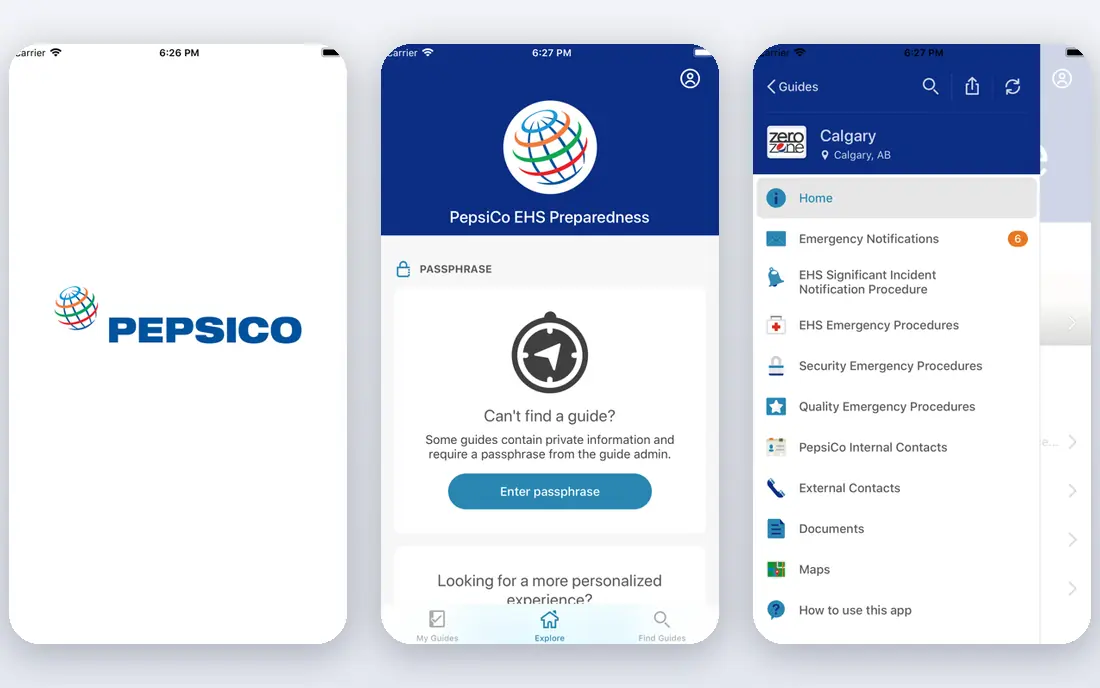
If snacks and drinks leader in one group is your main need, PepsiCo deserves a close look. PepsiCo pairs snack brands with drink brands in one group, which gives it unusual distribution strength in grocery and convenience stores.
Its snack side and drink side balance each other when one category softens. The catch is trend pressure, because health and sugar debates affect parts of both portfolios. That trade-off is worth weighing against what you will actually use each week, rather than paying for a long feature list you may never open.
- Strong snack and drink brands
- Large distribution network
- Innovation pace
- Drink and snack cycles differ
- Health trends pressure some lines
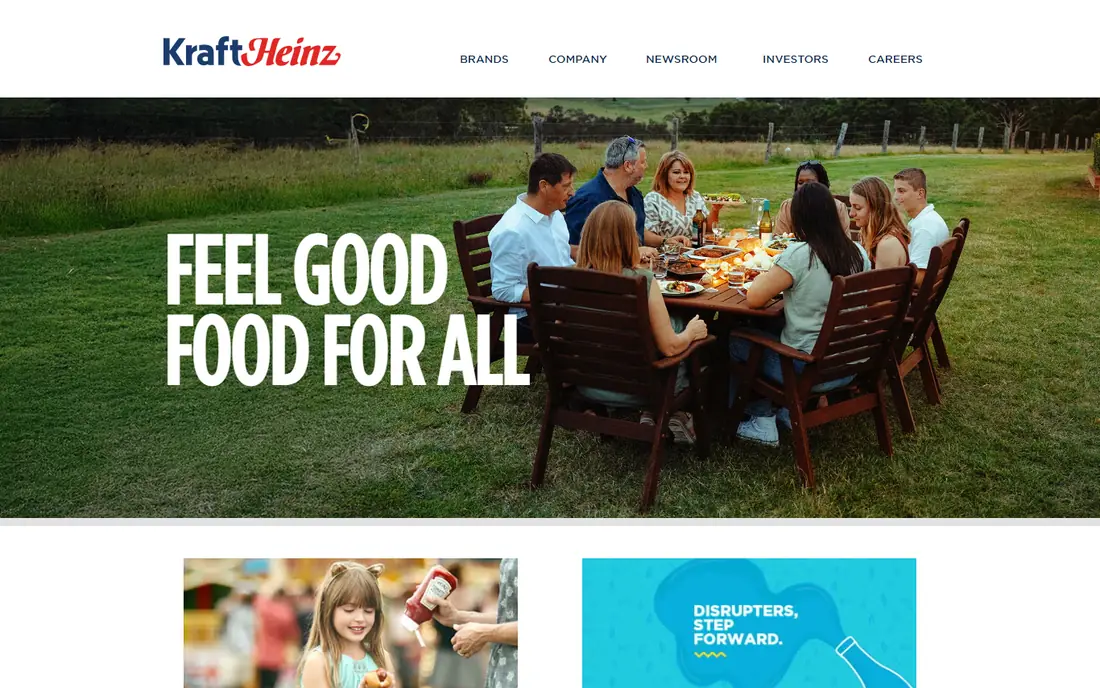
Kraft Heinz stands out for iconic pantry and condiment brands, and it keeps the core job simple. Kraft Heinz owns pantry and condiment names that most US shoppers know, with a strong position in sauces, cheese and meals.
Its focus on familiar brands suits value and family shopping, though innovation pace is a live question. The catch is growth, because the company has worked through portfolio pruning and cost programmes in recent years. That trade-off is worth weighing against what you will actually use each week, rather than paying for a long feature list you may never open.
- Well-known pantry brands
- Strong condiments
- Large US presence
- Growth has been slower than peers in some years
- Portfolio pruning continues
A good fit for cereal, snacks and pet food strength, General Mills covers the basics without piling on extras. General Mills covers cereal, snacks, baking and pet food, with pet as a newer growth leg beside its grocery core.
Its brands span breakfast, snacking and meal prep, which gives it broad grocery coverage. The catch is category pressure, because cereal faces long-term shifts in breakfast habits. That trade-off is worth weighing against what you will actually use each week, rather than paying for a long feature list you may never open.
- Strong cereal and snack brands
- Pet food growth
- Baking lines
- Cereal category pressure
- Pet competition is intense
Mondelez International
Great for: Snacking specialist with global brands
Mondelez International is worth shortlisting when snacking specialist with global brands matters most to you. Mondelez International focuses on snacking, with biscuit and chocolate brands sold across many countries.
That focus gives it depth in snacking that broader food groups do not match. The catch is input costs, because cocoa and other ingredient prices can swing margins sharply. That trade-off is worth weighing against what you will actually use each week, rather than paying for a long feature list you may never open.
- Focused snack portfolio
- Strong biscuit and chocolate brands
- Global reach
- Narrower category focus
- Cocoa and input costs swing
When food plus personal care scale is the priority, Unilever makes a clear case for itself. Unilever pairs food brands, including condiments and ice cream, with a large personal care business.
Its emerging market presence and brand scale make it a major CPG player beyond food alone. The catch is focus, because food competes for attention inside a wider group, and portfolio changes can shift priorities. That trade-off is worth weighing against what you will actually use each week, rather than paying for a long feature list you may never open.
- Large food and personal care mix
- Strong emerging market presence
- Ice cream and condiments
- Food is one part of a wider group
- Portfolio splits affect focus
For frozen meals and grocery brands, Conagra Brands offers a focused set of tools that are easy to follow. Conagra Brands covers frozen meals, grocery staples and snacks, with brands across value and premium tiers.
Its frozen strength suits shoppers who want quick meals, and its grocery brands cover everyday pantry needs. The catch is category swings, because frozen demand moves with seasons, prices and eating habits. That trade-off is worth weighing against what you will actually use each week, rather than paying for a long feature list you may never open.
- Strong frozen and grocery brands
- Value and premium tiers
- US scale
- Frozen category swings
- Brand investment needs stay high
If you care most about meat, protein and pantry brands, Hormel Foods is one of the steadier choices here. Hormel Foods focuses on protein and pantry brands, with meat, snacks and meal products for US shoppers.
Its protein focus gives it a clear identity in a crowded grocery set. The catch is supply risk, because meat costs and animal disease can affect availability and prices. That trade-off is worth weighing against what you will actually use each week, rather than paying for a long feature list you may never open.
- Strong protein brands
- Pantry and meat snacks
- US retail presence
- Meat costs and disease risks affect supply
- Narrower range than giants
Readers focused on snacking company from the Kellogg split will find Kellanova easy to settle into. Kellanova is the snacking company formed from the Kellogg split, with snack brands sold globally.
Its focused snack strategy is clearer than the old combined cereal and snack mix. The catch is scale, because it is smaller than the largest CPG groups, so distribution fights are harder. That trade-off is worth weighing against what you will actually use each week, rather than paying for a long feature list you may never open.
- Focused snack portfolio
- Global snack brands
- Clearer snack strategy
- Smaller scale than giants
- Cereal split changes history
Campbell's takes a direct approach to soup, snacks and meals heritage, which many readers will like. Campbell's, listed here under its company name, covers soup, meals and snacks, with soup heritage at its core.
Its snack brands beside soup give it two grocery legs, which helps when one category softens. The catch is category pressure, because soup faces long-term shifts in meal habits, so snack growth matters. That trade-off is worth weighing against what you will actually use each week, rather than paying for a long feature list you may never open.
- Iconic soup brands
- Snack brands beside meals
- Strong US grocery presence
- Soup category pressure
- Snack competition is strong
How we picked these
We reviewed company sites, public company reports and category coverage, and compared brand portfolios and category focus. We did not claim verified rankings, scores, revenue figures or market shares, since those change with reporting periods and definitions. Readers judging these firms as employers, suppliers or investors should check the latest company reports and local brand lists.
How to judge a packaged food company for your purpose
Start with purpose. Shoppers should judge by local brand availability and category range, while job seekers should judge by function and location, and suppliers should judge by category buying teams. Next, check portfolio direction, since splits, sales and acquisitions change what a company actually owns. Finally, look at category health, because a strong brand in a shrinking category faces a different future from a mid-size brand in a growing one.
Frequently asked questions
What are the best packaged food companies cpg shoppers know?
Nestle, PepsiCo, Kraft Heinz, General Mills and Mondelez are among the most widely known, thanks to broad grocery presence. Local availability varies, so check the brands sold in your region.
Which packaged food company is largest?
By breadth and global scale, Nestle is usually described as the largest food company here, though rankings differ by measure, such as revenue, category or region. Treat any single ranking with care.
Are these companies good employers?
Many offer large graduate, operations, sales and marketing paths, but experience varies by site and team. Check current job posts and local reviews for the specific plant or office you are considering.
What is CPG in packaged food?
CPG stands for consumer packaged goods, meaning branded products sold in stores, such as snacks, drinks, cereal and frozen meals. Packaged food is one large part of CPG, beside personal care and household goods.
How do I pick a packaged food stock or supplier?
This guide does not offer investment advice. For a supplier choice, judge category fit, distribution and service, and for any investment choice, read company reports and seek professional advice.
Sources
See where you really rank - block by block
ProMapRanker scans Google Maps across a grid of your service area. Simple monthly plans from $19, white-label on every plan.
Start freeKeep reading
 wpforms alternatives
Best WPForms Alternatives in 2026
We compare 9 wpforms alternatives for WordPress forms, with free and paid options, current pricing notes, and honest limits for small business sites in 2026.
Read → windows task scheduler alternatives
Best Windows Task Scheduler Alternatives in 2026
Looking for Windows Task Scheduler alternatives? We compare 9 schedulers for Windows and cross-platform work, from free tools to enterprise automation.
Read → which ai video service is best
Which AI Video Service Is Best in 2026
which ai video service is best? We compare 10 legitimate AI video services on price, avatars, editing and output quality to help you pick the right tool.
Read →