 ProMapRanker
Best OTC Trading Platform in 2026

Key takeaways
- OTC desks suit large trades that could move a public order book, and most desks price by spread rather than a visible fee.
- Kraken OTC and Coinbase Prime stand out for regulated, service-led trading, while Binance OTC offers very deep liquidity.
- Minimum trade sizes vary widely, so check the desk minimum before you apply, since many desks start at high five or six figures.
- This guide is general information only, not financial advice, and crypto trading carries risk of loss.
Quick comparison
| Pick | Great for | Pricing starts at | Free tier | |
|---|---|---|---|---|
 Kraken OTC | Security-led large trades | See website | No | Visit |
 Coinbase Prime | US institutions and custody | See website | No | Visit |
 Binance OTC | Deep liquidity | See website | No | Visit |
 OKX OTC | Block trades and RFQ execution | See website | No | Visit |
 Bybit OTC | Stablecoin and crypto conversions | See website | No | Visit |
 Crypto.com OTC | Integrated exchange access | See website | No | Visit |
 Bitget OTC | Lower minimum block trades | See website | No | Visit |
 Gemini OTC | Regulated US desk access | See website | No | Visit |
 FalconX | Institutional prime brokerage | See website | No | Visit |
The best otc trading platform
We compared desks that handle large, privately negotiated crypto trades in October 2026. The best otc trading app for a given trader depends on trade size, location, asset choice and whether custody matters as much as price.
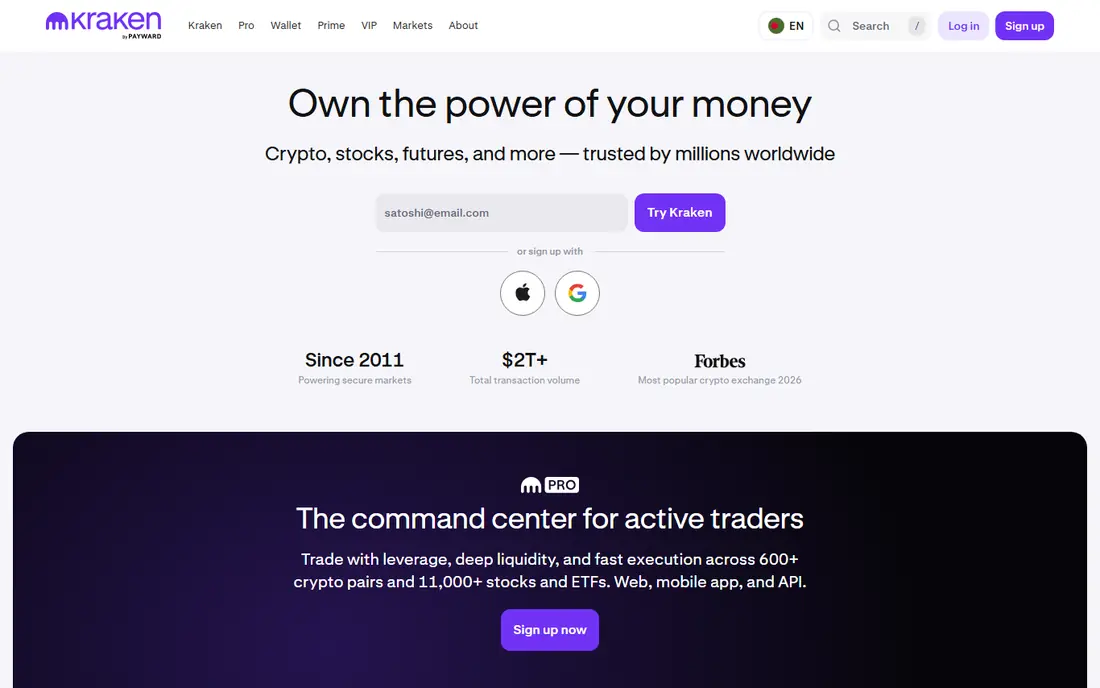
Kraken OTC suits traders who put security and clear communication first. The desk offers direct contact with traders, firm quotes for large orders, and settlement paths for crypto and major fiat currencies. That human service matters when a trade is large enough that a small price slip costs real money.
The limit is access. Reports put the minimum near 100,000 dollars in equivalent value, which rules out smaller traders. Altcoin coverage is also narrower than Binance or OKX, so check the asset list before you assume a pair is covered.
- Long operating history
- Personal desk service
- Spread-based pricing with no separate fee claim
- High minimum trade reported
- Fewer altcoins than some rivals
- Geographic limits on some pairs
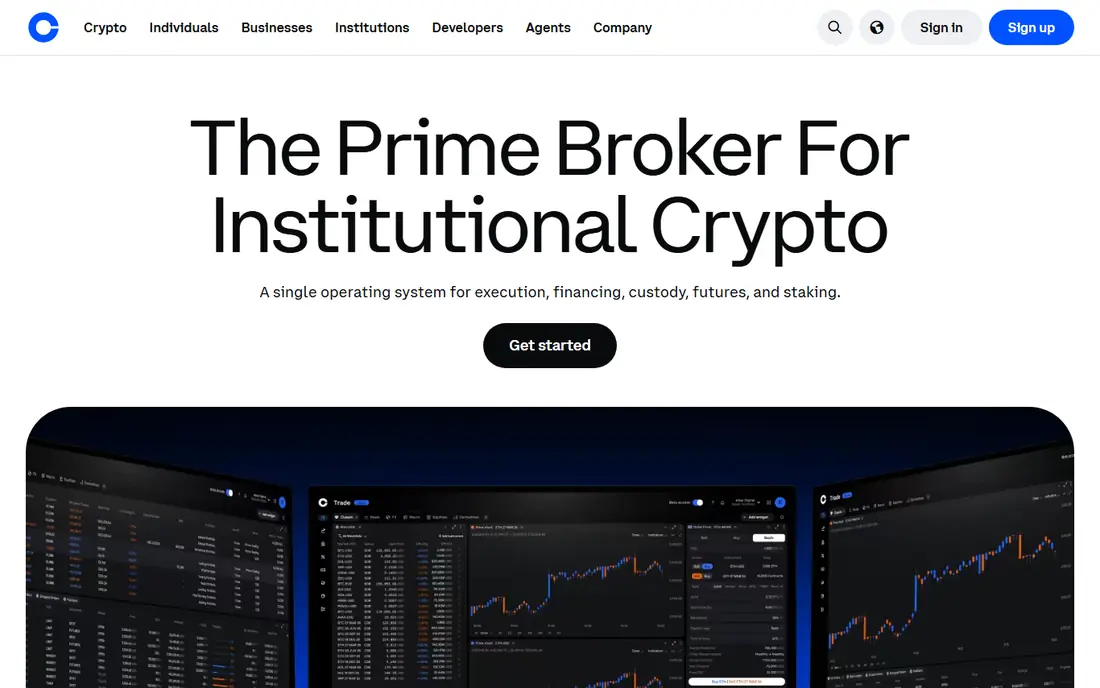
Coinbase Prime combines OTC execution with custody and reporting tools that institutions often need. For a fund or company, that single relationship can simplify settlement, storage and compliance work. The platform also covers a broad set of assets and fiat pairs for large clients.
Retail traders should look elsewhere. Prime is built for institutions, with onboarding and minimums that reflect that focus. If you need a simple retail OTC quote, a consumer exchange desk may be a better fit.
- Regulated US institutional platform
- Integrated custody
- Large fiat settlement options
- Institutional focus
- Pricing varies by client
- Not built for small retail trades
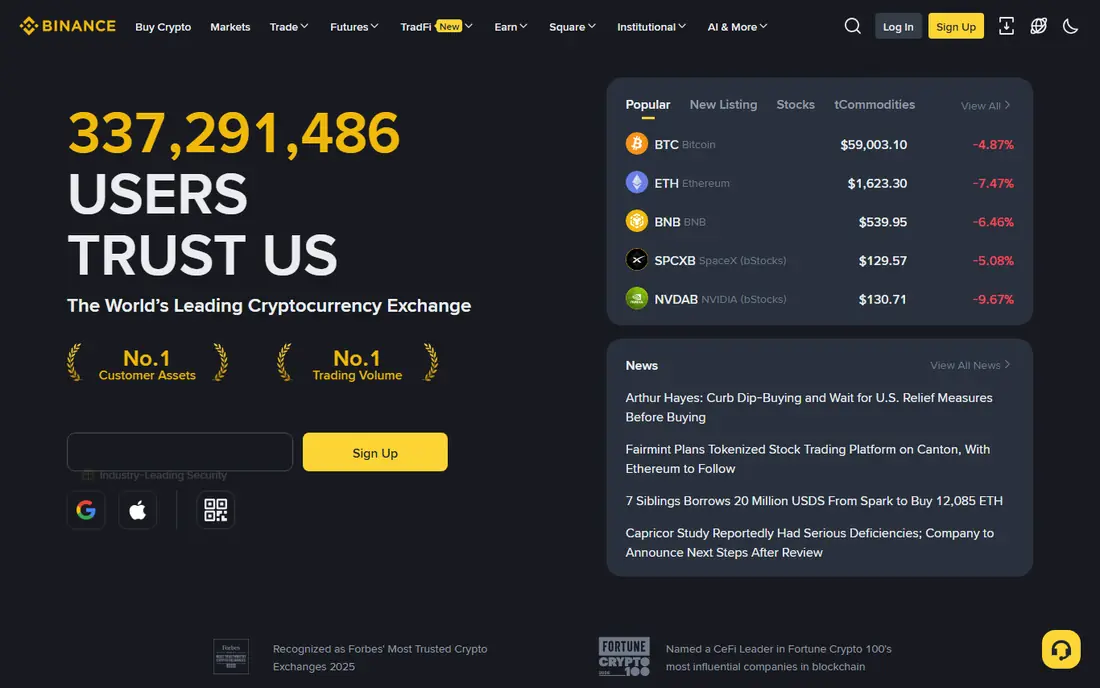
Binance OTC appeals to traders who need depth above all else. Large BTC and ETH orders can often be filled without moving the public market, and the asset list covers many altcoins. Its request-for-quote model lets a trader see a firm price before committing to the trade.
Access depends on region and account status. Identity checks are strict, and some services are limited in certain jurisdictions, including the United States. Confirm availability for your location and asset before you plan a trade around Binance.
- Very deep liquidity
- Broad asset coverage
- Request-for-quote trading
- Strict identity checks
- Regulatory limits vary by region
- Minimums reported as high
OKX OTC suits active traders who want fast, automated block execution rather than a phone-based desk. The RFQ flow lets you request quotes across pairs and settle within the OKX system, which can speed up multi-leg trades. That structure helps when timing matters and you trade often.
Beginners may find the wider OKX platform dense. OTC access, limits and fiat options also vary by region, so the experience in one country may not match another. Read the current OTC terms for your account before you rely on a quoted minimum.
- Automated RFQ execution
- Block trade support
- Broad asset and fiat coverage
- Complex platform for beginners
- Terms vary by region
- Support is largely digital
Bybit OTC works well for traders who mainly move between crypto assets and stablecoins. Converting a large position inside one account avoids extra transfers and keeps the trade private from the public order book. That is a clear benefit for portfolio shifts and treasury moves.
Fiat conversion is the weak point. If your goal is to move a large sum into or out of a bank account, another desk with direct fiat settlement may serve you better. Check current fiat support for your currency before you start onboarding.
- Crypto-to-crypto OTC conversions
- Stablecoin focus
- Integrated trading account
- Fiat OTC support is limited
- Availability varies by region
- Desk terms are not fully public
Crypto.com OTC fits traders who already use the Crypto.com app or exchange and want OTC execution in the same system. The desk serves high-net-worth and corporate clients, with crypto-to-fiat trades across a range of fiat currencies. Settlement into an existing account can keep the workflow simple.
Smaller traders will likely find the desk out of reach, and pricing is set by quote rather than a published fee table. Compare the quoted spread with at least one other desk on a large trade, since spreads are where OTC cost hides.
- App and exchange integration
- Many fiat currencies reported
- Service for high-net-worth clients
- Desk is aimed at larger clients
- Pricing is quote based
- Terms vary by region
Bitget OTC stands out for traders who sit between retail size and full institutional size. Reports put its minimum near 50,000 dollars in equivalent value, below several larger desks. Token coverage is broad, and execution runs around the clock, which helps traders outside US hours.
Fiat settlement is less direct than Kraken or Coinbase Prime in some cases, so plan the off-ramp step early. Depth on obscure tokens can also vary, so request a firm quote and compare it before you commit to a large obscure trade.
- Lower reported minimum than some desks
- Broad token coverage
- 24-hour execution
- Fiat off-ramps are less direct
- Depth varies on obscure tokens
- Regional limits apply
Gemini OTC suits US traders who want a regulated exchange behind the desk. Its compliance and custody background can matter for companies and trusts that must show where assets sit and how trades settle. The desk structure also keeps large trades off the public book.
Asset choice is narrower than Binance, OKX or Bitget, so traders chasing many altcoins may need a second desk. Pricing is quote based, and minimums depend on account type, so confirm both before you onboard.
- US regulated exchange background
- Custody options
- Clear compliance focus
- Narrower asset range than global rivals
- Desk access is account based
- Pricing by quote
FalconX is a prime broker rather than a simple exchange desk, and that distinction matters. It offers trading, credit and settlement services for institutions, which can help funds manage large positions across venues. For a large institution, that bundled service can be more useful than a single quote.
Retail and small business traders should not start here. Onboarding is institutional, minimums are high, and the service assumes a trading operation behind the account. It earns a place on this list for institutions, not for casual large trades.
- Prime brokerage services
- Credit and settlement tools
- Institutional client focus
- Institutional only
- Not a retail OTC app
- Onboarding is extensive
How we picked these
We compared official desk pages, exchange documentation and public 2026 desk comparisons for platforms that still offer OTC trading. We kept desks with a live OTC or prime service, a published desk process, and coverage for major crypto assets. We left out desks with no public OTC service, purely local peer-to-peer markets, and platforms that only offer standard exchange trading.
We did not claim hands-on trading. Our notes rest on published desk features, reported minimums and pricing style, and the need to compare spreads, since spread cost is often the main OTC cost.
How to choose an OTC desk without overpaying on spread
Start with your trade size and currency path. If you need fiat settlement, shortlist desks that settle that currency directly. If you only move between crypto assets, a crypto-focused desk may quote tighter spreads. That single filter removes many desks at once.
Next, request quotes from two desks for the same trade at the same time. Spreads move with market conditions, so a quote from last week tells you little. Compare the total received after fees and spread, not just the headline price, and note settlement time for each desk.
Finally, check custody, onboarding time and support hours. A desk that cannot onboard you before your trade window, or that holds assets in a way your firm cannot accept, is a poor fit even with a good quote. Start onboarding early, and keep a backup desk for urgent trades.
Questions to ask before you commit
Ask for the minimum trade, the quote validity period, settlement time, supported assets and fiat currencies, and any custody or withdrawal limits. Ask how the desk handles a failed settlement and who your contact is during the trade. Clear answers here matter more than marketing claims about liquidity.
Red flags to watch
Watch for desks that will not give a firm quote, desks that require payment before a quote, and desks with no clear company or regulatory information. Private trades need more trust than public exchange trades, not less. If a desk cannot explain its custody and settlement process in plain terms, walk away.
Frequently asked questions
What is the best otc trading app?
There is no single best otc trading app for every trader. Kraken OTC suits security-led traders, Coinbase Prime suits US institutions, and Binance OTC suits traders who need the deepest liquidity. Your trade size, location and fiat needs narrow the choice faster than any ranking.
What is the minimum for OTC trading?
Minimums vary by desk and are often high. Reports put Kraken near 100,000 dollars, Binance near 200,000 dollars, and Bitget near 50,000 dollars in equivalent value. Always confirm the current minimum with the desk, since minimums change and vary by asset and region.
How does OTC pricing work?
Most desks price by spread, which is the gap between the market price and the quoted price, rather than a separate trading fee. That spread is your main cost, so compare firm quotes from more than one desk. Ask for the total amount you will receive or pay, including any settlement fees.
Is OTC trading safe?
OTC trading with a known, regulated desk lowers market impact and keeps large trades private, but it does not remove crypto risk. Prices can move, counterparties can fail, and regulation varies by region. Use established desks, confirm custody, and never trade money you cannot afford to lose.
Do I need KYC for OTC trading?
Yes, in almost all cases. Reputable desks require identity verification and, for institutions, business verification before trading. That process can take days, so start early. Desks that skip verification should be treated as a warning sign.
Can small traders use OTC desks?
Most major desks are built for large trades, so small traders usually get better prices on a standard exchange. Some desks have lower minimums, but standard exchange orders, limit orders and staged trades often serve smaller sizes better. Check the minimum before you spend time on onboarding.
Sources
See where you really rank - block by block
ProMapRanker scans Google Maps across a grid of your service area. Simple monthly plans from $19, white-label on every plan.
Start freeKeep reading
 wpforms alternatives
Best WPForms Alternatives in 2026
We compare 9 wpforms alternatives for WordPress forms, with free and paid options, current pricing notes, and honest limits for small business sites in 2026.
Read → windows task scheduler alternatives
Best Windows Task Scheduler Alternatives in 2026
Looking for Windows Task Scheduler alternatives? We compare 9 schedulers for Windows and cross-platform work, from free tools to enterprise automation.
Read → which ai video service is best
Which AI Video Service Is Best in 2026
which ai video service is best? We compare 10 legitimate AI video services on price, avatars, editing and output quality to help you pick the right tool.
Read →