 ProMapRanker
Best Online Tools for Personal Growth in 2026

Key takeaways
- Headspace is the best starting point for meditation and calm daily practice, with short guided sessions for beginners.
- Habitica and Finch turn habit building into a game or a gentle companion, which helps when a plain checklist never sticks.
- Day One and Blinkist serve different growth needs: reflection through journaling, and learning through short book summaries.
- The best tool is the one you will open daily, so start with one app for your biggest gap, not five apps at once.
Quick comparison
| Pick | Great for | Pricing starts at | Free tier | |
|---|---|---|---|---|
 Headspace | Guided meditation | $12.99 per month | Free trial | Visit |
 Calm | Sleep and relaxation | $79.99 per year | Yes | Visit |
 Insight Timer | Free meditation library | Free | Yes | Visit |
 Habitica | Gamified habits | Free | Yes | Visit |
 Finch | Gentle self care and habits | Free | Yes | Visit |
 Day One | Journaling and reflection | See website | Yes | Visit |
 Blinkist | Book summaries and learning | See website | Yes | Visit |
 Fabulous | Guided routines and coaching | See website | Yes | Visit |
The best online tools for personal growth
Personal growth covers calm, focus, habits, reflection and learning, so no single app covers it all. We compared meditation libraries, habit systems, journaling tools, learning formats and price, using vendor pages and app listings. These tools support daily practice, but they are not a substitute for professional care if you are struggling with mental health.
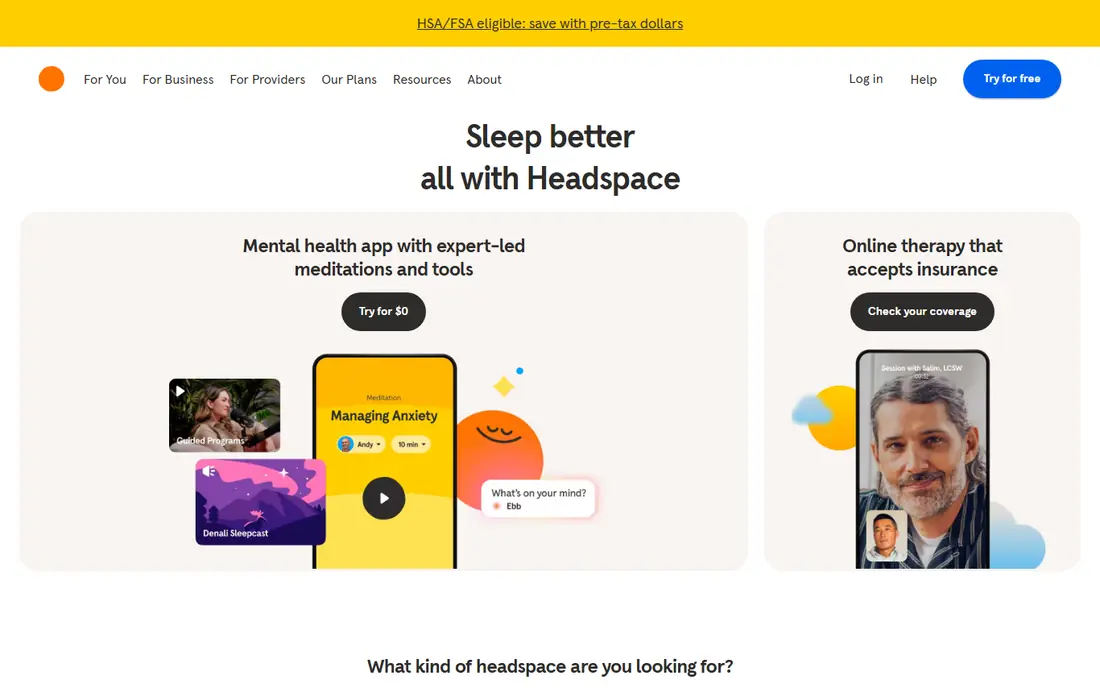
Headspace is the easiest meditation app to start with if you have never meditated. Courses explain the basics in plain language, sessions are short, and themed content covers stress, sleep, focus and mindful movement. That structure helps a beginner build a daily habit without wondering what to listen to next.
The catch is price and free access. There is no permanent free tier, only a trial and some free content, and the monthly rate is higher than Insight Timer or a free habit app. If you meditate daily and value guided structure, it is worth it. If you only need occasional sessions, a free library may serve you just as well.
- Beginner friendly guided courses
- Short daily sessions
- Sleep and focus content
- No permanent free tier
- Monthly price is higher than some rivals
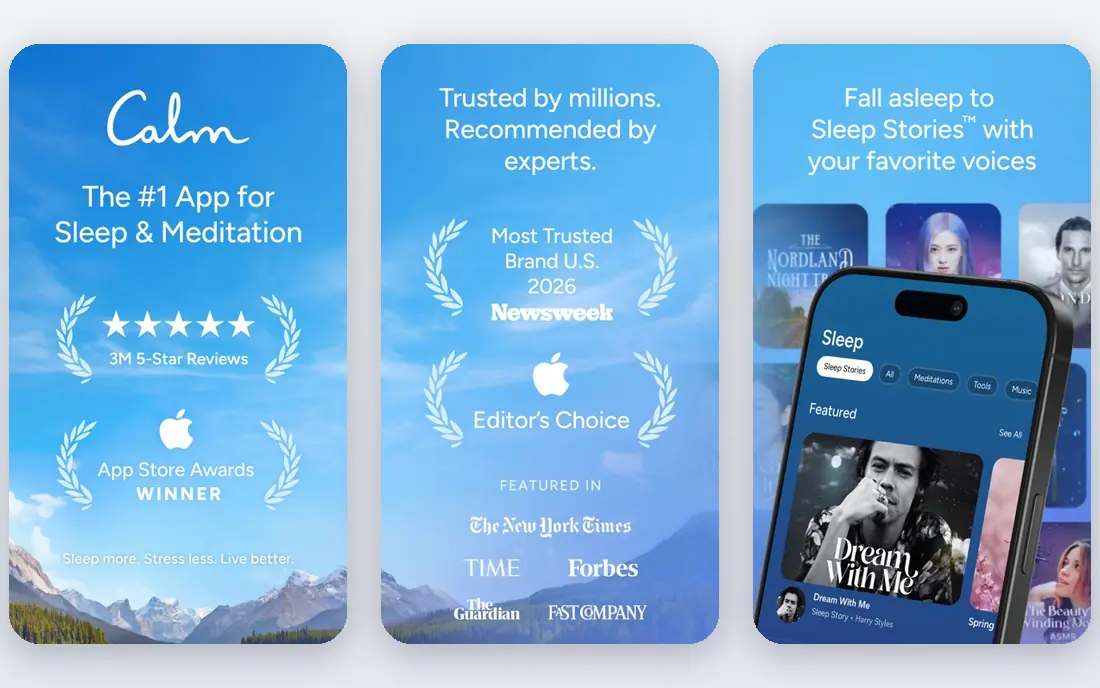
Calm is best known for sleep. Sleep stories, soundscapes and relaxing music help many users wind down at night, and its guided meditations cover stress, anxiety and focus during the day. The app feels calm to use, with a simple layout that does not push constant notifications or streak pressure.
Annual pricing means you should test the free content and trial carefully before paying for a year, since the value depends on using it regularly. Some of the best content also sits behind the paywall, so free users get a sample rather than the full library. For sleep and relaxation first, Calm is our pick.
- Strong sleep stories and soundscapes
- Guided meditations
- Relaxing music
- Annual pricing suits committed users more than testers
- Some content sits behind paywall
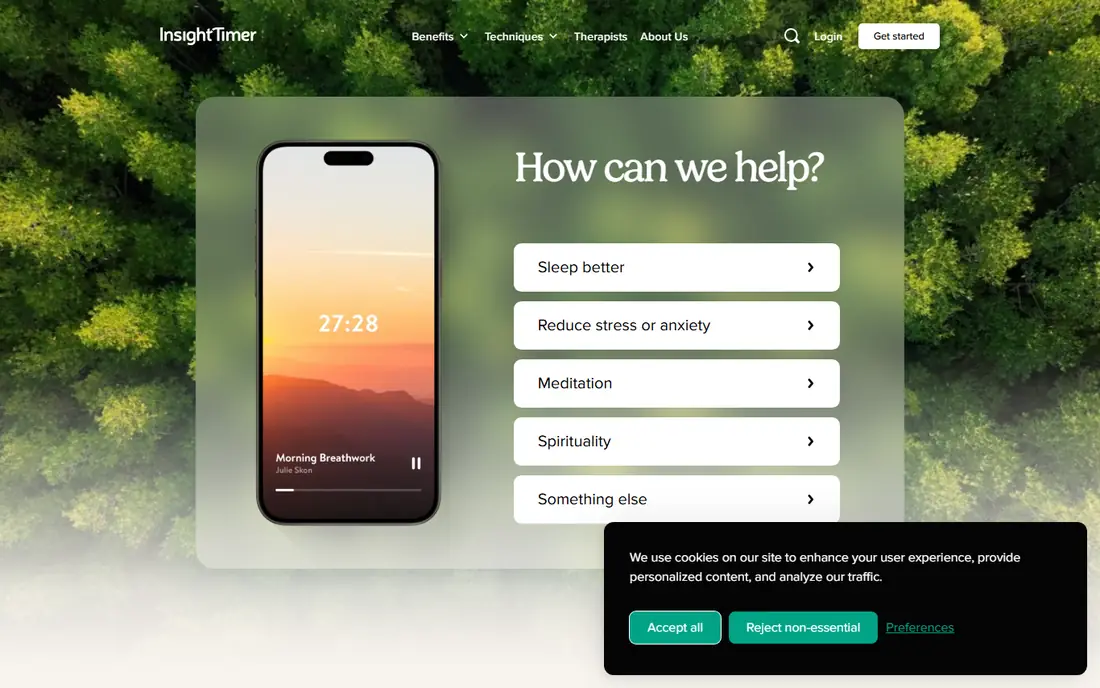
Insight Timer offers one of the largest free meditation libraries available, with thousands of guided sessions from many teachers, plus live events and a simple timer for silent practice. For a budget conscious user, that free depth is unmatched: you can meditate daily for months without paying, and explore different teachers and styles.
The size is also the drawback. Beginners can feel lost choosing among so many teachers, and there is less guided course structure than Headspace. Premium MemberPlus adds courses and offline listening, but it is optional. If cost is the main barrier, start here and upgrade only if you want structured courses.
- Very large free meditation library
- Live events
- Timer for silent practice
- Library size can overwhelm beginners
- Premium features need MemberPlus
Habitica turns habits, daily tasks and to dos into a role playing game. You create an avatar, earn gold and experience for completing tasks, lose health for missing dailies, and can join parties and quests with friends. For people who love games and find a plain checklist boring, that system can make a dull habit feel rewarding.
The game can also become a distraction, and the interface is busier than a simple habit tracker. An optional subscription adds gems and perks, but core habit tracking is free. If gamification motivates you, Habitica is the most fully gamified habit tool in this list, and the free core is generous.
- Full role playing game for habits
- Parties and quests
- Free core features
- Game layer can distract
- Interface feels busy to some users
Finch takes a gentler approach. You care for a virtual pet by doing small self care tasks, checking in, journaling and building habits, and the pet grows and goes on adventures as you progress. That low pressure style suits users who find streaks and punishments stressful, or who want a kind daily check in rather than a productivity system.
Finch Plus gives access to more features, and the free core, while generous, does not match a dedicated habit tracker for data and charts. The pet mechanic also will not appeal to everyone. For gentle, daily self care that feels supportive rather than demanding, Finch is a lovely place to start.
- Gentle, low pressure self care
- Virtual pet companion
- Journaling and habit check ins
- Best features need Finch Plus
- Less data depth than a dedicated tracker
Day One is a dedicated journal app, with clean writing, photos, audio, location and weather entries, plus prompts and templates to help you start. That structure helps reflection become a habit, rather than a blank page you avoid. Privacy options, including encryption and passcode protection on supported plans, matter for a journal that holds personal thoughts.
The free tier covers basic journaling, while Premium gives access to more journals, features and sync options, so check current pricing before you commit. Journaling also needs self discipline: no app can make you reflect if you never open it. For users who want a private, beautiful place to think on paper, Day One is the best journal here.
- Clean multimedia journaling
- Prompts and templates
- Strong privacy options
- Premium needed for full features
- Journaling needs self discipline
Blinkist condenses nonfiction books into short summaries, usually readable or listenable in about 15 minutes, covering personal growth, psychology, business and health. That format suits commuters and busy readers who want ideas from many books without reading each one fully. Audio versions make it easy to learn while walking or driving.
A summary is not the same as a book: nuance, examples and arguments are compressed, so use Blinkist to discover ideas and decide what to read fully, not as a replacement for deep reading. Pricing varies by plan and trial, so check the vendor site. For daily learning in small doses, Blinkist is a practical growth tool.
- Short summaries of nonfiction books
- Audio and text versions
- Curated learning paths
- Summaries are not a substitute for full books
- Pricing varies by plan
Fabulous builds routines step by step, starting with small habits such as drinking water in the morning, then adding layers over weeks. Guided journeys and coaching style lessons explain why each habit matters, which helps users who need teaching, not only tracking. Morning and evening routines are the core, with challenges and reminders to keep you on track.
Full journeys sit behind Premium, and the coaching tone, with frequent lessons and prompts, can feel like too much for users who prefer a quiet tracker. Pricing also varies by plan, so check the app store price before subscribing. For beginners who want a coach to build a routine from scratch, Fabulous is the most guided option here.
- Guided habit journeys
- Morning and evening routines
- Coaching style lessons
- Premium needed for full journeys
- Coaching tone will not suit everyone
How we picked these
We compared meditation content, habit systems, journaling features, learning formats, free tiers and pricing from vendor pages and app listings. We kept tools that are actively maintained, offer a real free tier or trial, and serve different growth goals, rather than listing eight meditation apps or eight habit trackers. Each tool here addresses a distinct gap: calm, sleep, free practice, gamified habits, gentle care, reflection, learning or routine coaching.
How to choose one tool and stick with it
Start with your biggest gap, not the trendiest app. If stress or sleep is the issue, try Headspace, Calm or Insight Timer. If habits slip, try Habitica or Finch. If you never reflect, try Day One. If you want to learn, try Blinkist. If routines fall apart, try Fabulous. Pick one, use it for two weeks, and judge it by whether you opened it without a reminder.
Keep sessions short at first: five to ten minutes a day beats an hour once a week for habit building. Also watch for app overload: adding a second or third growth app usually splits attention rather than doubling progress. When the first habit is stable, then add a second tool for a different goal, and drop any app you have not opened in a week.
Frequently asked questions
What are the best personal growth apps for beginners?
Headspace is best for meditation beginners, Fabulous is best for routine beginners, and Finch is best for gentle self care beginners. Insight Timer is best if you want a free library to explore without paying first.
What is the best free personal growth app?
Insight Timer offers the largest free meditation library, Habitica offers free gamified habit tracking, and Finch offers a generous free self care core. The best free pick depends on whether you need calm, habits or reflection most.
Do personal growth apps really work?
They can help when they support a consistent daily practice, such as meditation, journaling or habit tracking, but results depend on regular use and on choosing a tool that fits your style. Apps support, and do not replace, professional care for mental health concerns.
How much time should I spend on personal growth apps each day?
Five to fifteen minutes a day is enough to start, and it is more sustainable than long sessions. Build the habit first, then lengthen sessions for meditation, journaling or learning if you want more depth.
Can one app cover meditation, habits and journaling?
Some apps combine features, such as Finch with habits and journaling, but no single app here does all three deeply. Most users do better with one main app plus, later, one supplement for a different goal, rather than one app that does everything thinly.
Sources
See where you really rank - block by block
ProMapRanker scans Google Maps across a grid of your service area. Simple monthly plans from $19, white-label on every plan.
Start freeKeep reading
 zoom alternatives
Best Zoom Alternatives in 2026
Compare Zoom alternatives in 2026, with free meeting limits and prices, so you can pick the best alternative to Zoom for your team, class, or community.
Read → which software is best for remote work
Which Software Is Best for Remote Work in 2026
Answering which software is best for remote work, we compare Slack, Zoom, Asana, Notion, Teams and more, with pricing and honest tradeoffs in 2026 now.
Read → which ai tool is best for content writing
Which AI Tool Is Best for Content Writing in 2026
Wondering which ai tool is best for content writing? We compare ChatGPT, Claude, Jasper, Grammarly, and more on price, quality, and best use in 2026 now.
Read →