 ProMapRanker
Best Microdose GLP-1 Company in 2026


Behavioural support plus low-dose program · Pricing starts at: $79 per month
Key takeaways
- Microdose GLP-1 means a lower, clinician-guided dose, not a fixed amount, and there is no FDA-defined microdose for these medicines.
- Noom Med, Hims, Ro and Found are among the larger telehealth companies with published weight-management programs.
- Prices vary by plan, medication type and subscription length, so check the current vendor page before deciding.
- Compounded medicines have not been reviewed by the FDA for safety, efficacy or quality, even when made in an FDA-registered facility.
- This article is general information only, not medical advice, and dosing decisions belong with a licensed clinician.
Quick comparison
| Pick | Great for | Pricing starts at | Free tier | |
|---|---|---|---|---|
| Noom Med | Behavioural support plus low-dose program | $79 per month | No | Visit |
 Hims | Large telehealth platform | See website | No | Visit |
 Ro | Clinician-led weight program | See website | No | Visit |
 Found | Coaching plus medication program | See website | No | Visit |
 WeightWatchers Clinic | Structured weight program | See website | No | Visit |
 NexLife | Flat-rate program with coaching | See website | No | Visit |
 Lttl | Personalised telehealth plans | See website | No | Visit |
 PlushCare | Primary care plus weight care | See website | No | Visit |
The best microdose GLP-1 companies
This is general information only, not medical advice. Do not use this article to choose a dose, start a medicine, or copy a protocol seen online. A licensed clinician should review your history, other medicines and health conditions before any GLP-1 treatment, and low-dose treatment still carries risks and side effects. The companies below are telehealth and weight-management providers that describe low-dose or maintenance-style GLP-1 programs, clinician review, and ongoing support. We compared their official program pages and published pricing where available.
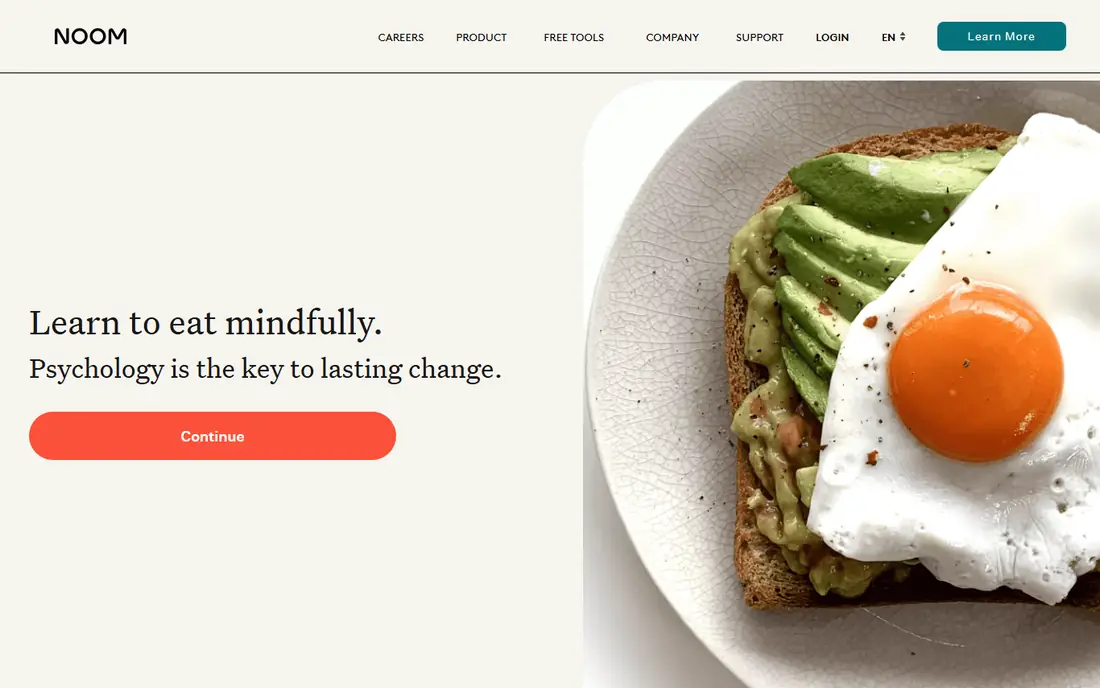
Noom Med is a clear starting point because it publishes a distinct Microdose GLP-1 program rather than leaving low-dose care as an informal option. Its pages describe clinician review, dose optimisation guidance, coaching support and a community of members on similar plans. That structure suits people who want behaviour change alongside medicine, rather than a prescription alone.
The published pricing notes an initial period from $79 plus tax, with $179 per month plus tax for a later subscription period, depending on program selection. Those figures can change, so confirm the current page before signing up. Noom also states plainly that compounded semaglutide is produced in an FDA-registered facility but has not been reviewed by the FDA for safety, efficacy or quality. That disclosure is important, and it should prompt a careful conversation with the clinician about branded versus compounded options.
- Published microdose program
- Coaching and dose guidance from its clinical team
- Behaviour lessons included
- Compounded medicine is not FDA reviewed
- Not available in all states
- Final price depends on plan
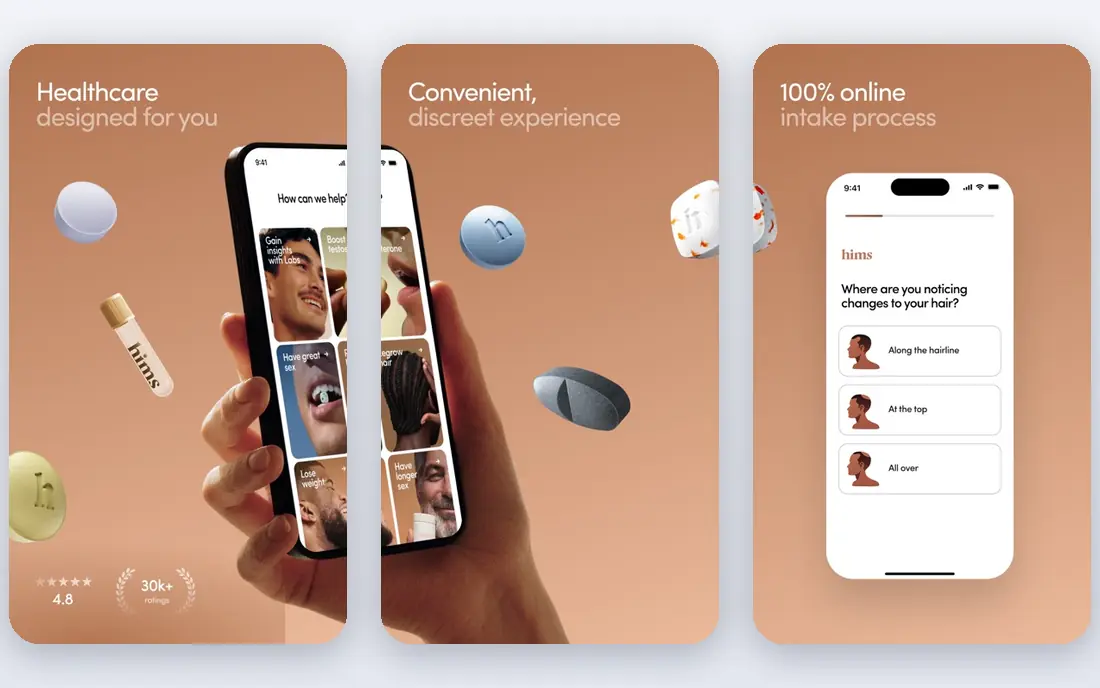
Hims is one of the largest telehealth brands in the United States, and its scale is its main appeal. Patients get a familiar sign-up flow, clinician review and a platform that also covers other health needs, which can make ongoing care simpler to manage in one place. Published reports in 2026 describe Hims moving from compounded semaglutide toward branded products after a settlement and supply agreement, with plans historically near $199 per month on annual commitments.
That shift is also the catch. If you are specifically seeking a compounded low-dose plan, Hims may no longer match that need, and current availability should be confirmed directly. For people who prefer branded medicines and a large, established platform, the change may be reassuring rather than a drawback. Either way, read the current program terms carefully before deciding.
- Well-known platform with wide services
- Clinician review and ongoing messaging
- Branded product focus in 2026
- Pricing and product availability have shifted during 2026
- Compounded options have been wound down
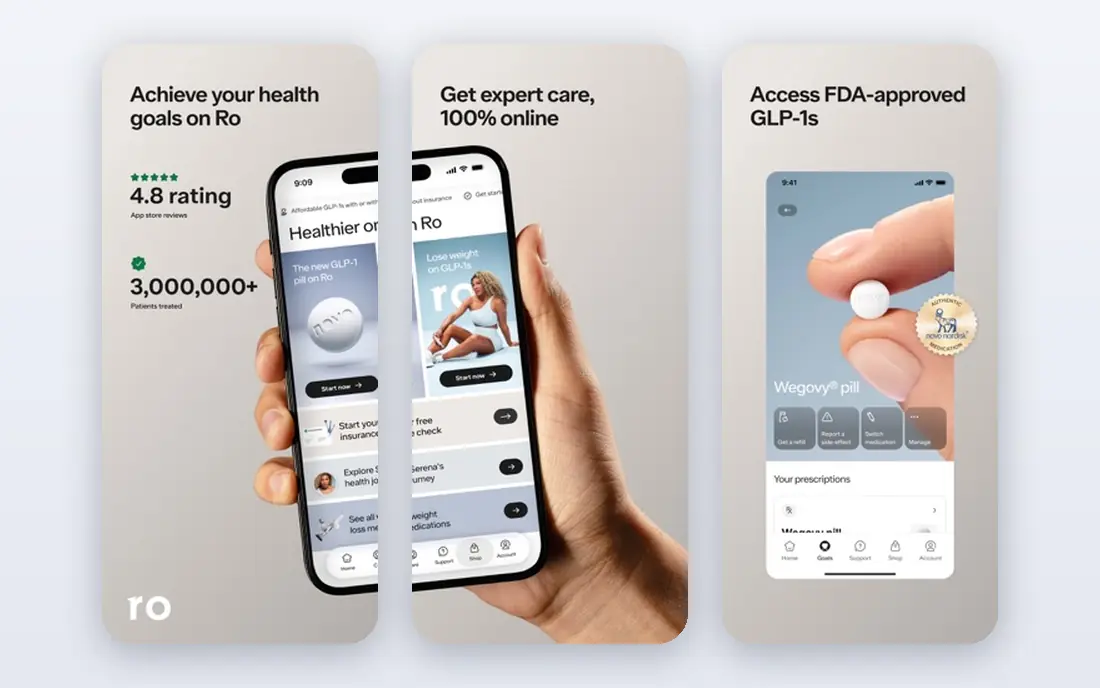
Ro offers a clinician-led weight-management program that includes medical review, ongoing messaging and support for GLP-1 treatment where clinically appropriate. Its structure appeals to people who want regular clinician contact rather than a one-time prescription. The platform also covers other health services, which can help when weight care connects with related conditions.
The main limits are cost and coverage. GLP-1 medicines are expensive, insurance rules vary, and the total monthly cost depends on whether treatment uses a branded or compounded product and on the plan length. Ro publishes program details on its site, but the exact price for an individual depends on clinical review and current offers. Ask what is included, such as clinician visits, messaging and lab work, before comparing headline prices.
- Established telehealth weight program
- Clinician messaging and follow-up
- Clear program structure
- Price depends on medication and plan
- Insurance coverage varies widely
Found pairs clinician-led medication care with coaching, tracking and community support. That combination suits people who want help with eating, activity and habits alongside any prescription. The program is built around a personal plan, with follow-up intended to adjust care as progress and side effects change.
As with other providers, the honest catch is price and fit. Found is a subscription program, and the total cost depends on the medication prescribed and the plan chosen. Coaching helps some people a great deal and matters less to others, so weigh whether you will use it. Confirm whether lab work, clinician visits and messaging are included, and whether compounded or branded medicines are offered in your state.
- Combines clinician care with coaching
- Personalised plan approach
- Community and tracking tools
- Monthly cost can be high
- Medication type and availability depend on review
WeightWatchers Clinic builds on a weight program many people already know, adding clinician-led medication care for eligible members. The behaviour side, including food tracking, activity and group support, is more developed than at most telehealth-only rivals. That can matter for maintenance, where habits and support often decide whether results last.
The limit is eligibility and structure. Not every member will qualify for medication, and the clinic program may sit alongside a separate membership cost. Low-dose or maintenance discussions still need a clinician review, and the program should not be treated as a shortcut to a prescription. For people who already value the WeightWatchers approach, the clinic option keeps behaviour support and medical care closer together.
- Long-running weight program
- Points and behaviour tools
- Clinician program for eligible members
- GLP-1 access depends on eligibility
- App and clinic costs are separate in some plans
NexLife describes a flat-rate compounded GLP-1 program that includes microdose and sublingual protocols, a personalised nutrition plan, a coaching call and provider review with ongoing guidance. Its published material also describes independent third-party testing of batches for potency, sterility, pH and endotoxin levels before shipping, and pharmacy partners with state licensure and other credentials.
Those details are useful for comparison, but they do not remove the central caution about compounded medicines. Compounded products are not FDA approved, and individual results vary. NexLife is also less established than the largest telehealth brands, so check current reviews, state availability and cancellation terms. For people who want a program that states its low-dose approach openly, NexLife is worth shortlisting alongside larger providers.
- Describes microdose and sublingual protocols
- Nutrition plan and coaching included
- Third-party batch testing described
- Newer and less widely known than large rivals
- Compounded products carry FDA review limits
Lttl is a newer direct-to-consumer telehealth brand that describes personalised GLP-1 weight management, longevity support and microdosed therapy. Its launch material states that licensed providers review history and goals, tailor plans to the individual, and that it partners with state-licensed compounding pharmacies using active ingredients from FDA-registered manufacturers with certificates of analysis.
That is a clear statement of intent, but a newer brand naturally has less public history to judge. Pricing, state availability and the exact medicines offered should be confirmed on its current site before any decision. As with all compounded options, the FDA review limit applies. Lttl fits best as a provider to compare on support, transparency and clinician access, not as a guaranteed low-dose solution.
- Describes microdosed GLP-1 formulations
- Licensed provider review
- Pharmacy quality claims stated
- Newer brand with less public track record
- Pricing and availability need direct confirmation
PlushCare is a virtual primary care platform that also offers weight-management care. Its appeal is continuity: the same kind of clinician who manages other health needs can discuss weight, related conditions and medication options in one place. That broader view can help when weight treatment interacts with blood pressure, diabetes risk or other medicines.
The trade is specialisation. PlushCare does not present itself primarily as a microdose GLP-1 company, so its low-dose approach, if offered, will depend on the individual clinician and the clinical picture. It may suit people who already use virtual primary care and want weight care inside that relationship. People seeking a dedicated low-dose program with published protocols may prefer Noom Med or NexLife for comparison.
- Primary care clinicians
- Ongoing virtual visits
- Insurance options in some cases
- Less specialised in low-dose GLP-1 programs
- Weight care varies by clinician
How we picked these
We compared official program pages, published pricing and public reporting for telehealth companies operating in 2026 that describe low-dose, maintenance or personalised GLP-1 care. We kept only companies with clinician review and stated pharmacy or safety practices, and we left out sellers without clear clinician oversight or verifiable operating details. We did not recommend any dose, and where pricing could not be verified we wrote See website.
What to ask before joining any program
Ask whether the clinician will review your full history and other medicines, and how often follow-up happens. Ask whether the medicine offered is branded or compounded, and what that means for FDA review, supply and cost. Ask what happens if side effects appear, if a shipment is delayed, or if you want to stop treatment.
Also ask about total cost, not just the first month. Some programs advertise an introductory period, then charge more later. Check what is included, such as clinician visits, messaging, coaching, lab work and shipping, and check cancellation terms. Finally, discuss lifestyle support honestly. Medicine alone rarely sustains results, and a program that ignores food, activity, sleep and support may disappoint even if early weight loss looks promising. This section is general information only, not medical advice.
Frequently asked questions
What does microdose GLP-1 mean?
It generally means a lower dose than a standard weight-loss titration, used under clinician guidance, often for maintenance or for people sensitive to side effects. There is no FDA-defined microdose for semaglutide or tirzepatide, so the exact dose and plan depend on clinician judgement and the individual case.
Is microdose GLP-1 safer than a full dose?
Not necessarily. Lower doses may cause fewer side effects for some people, but GLP-1 medicines still carry risks, and compounded products add quality and consistency questions. Safety depends on medical history, monitoring and the product used, so this decision needs a clinician.
Are compounded GLP-1 medicines FDA approved?
No. Compounded medicines are not FDA approved, even when made in an FDA-registered facility. Providers should state this plainly, and patients should discuss branded alternatives, supply reliability and cost with their clinician.
How much does a microdose program cost?
Costs vary by company, medicine type and plan length. Published examples include Noom Med from $79 plus tax for an initial period, with later periods higher. Always confirm the current total monthly cost and what is included before joining.
Can I get a microdose program in every state?
No. Availability varies by state, clinician licensing and pharmacy rules. Check the provider site for your state before starting an intake, and confirm shipping and follow-up options for your location.
Should I stop or lower my dose on my own?
No. Do not change, stop or split a GLP-1 dose without clinician guidance. Pens are not designed for partial dosing in all cases, and changing a dose can affect safety and results. Raise side effects or cost concerns with your clinician instead.
Sources
- https://www.noom.com/med/glp1-microdose/
- https://trimrx.com/blog/overall-glp-1-telehealth-rankings-2026/
- https://lifestyle.inspiredn.com/story/823300/nexlife-expands-flat-rate-compounded-glp-1-program-with-microdose-and-sublingual-protocols/
- https://www.hims.com
- https://ro.co
- https://www.joinfound.com
- https://www.weightwatchers.com
- https://plushcare.com
See where you really rank - block by block
ProMapRanker scans Google Maps across a grid of your service area. Simple monthly plans from $19, white-label on every plan.
Start freeKeep reading
 which software is best for pdf page removal
Which Software Is Best for PDF Page Removal in 2026
Find which software is best for pdf page removal, from free online tools to desktop editors, with page controls, privacy, safety, and pricing compared.
Read → when i work alternatives
Best When I Work Alternatives in 2026
Looking for when i work alternatives? We compare 8 scheduling apps for hourly teams, covering pricing, free plans, time clocks and the best fit for business.
Read → the best tool for keyword analysis
The Best Tool for Keyword Analysis in 2026
Find the best tool for keyword analysis with our 2026 comparison of 10 keyword analysis software tools on data depth, difficulty scores and price today.
Read →