 ProMapRanker
Best LLM SEO Tool in 2026: 8 Tools Compared


Enterprise teams that need answer engine intelligence · Pricing starts at: $99 per month
Key takeaways
- The best llm seo tool tracks how your brand appears in AI answers, not just classic search rankings.
- Prompt level tracking matters, since the same brand can be cited for one question and ignored for another.
- Traditional SEO tools still matter, because AI systems cite pages that already rank and link well.
- Start with a small prompt set, check citations by hand, then expand to competitor and sentiment tracking.
Quick comparison
| Pick | Great for | Pricing starts at | Free tier | |
|---|---|---|---|---|
| Profound | Enterprise teams that need answer engine intelligence | $99 per month | Free trial | Visit |
 Peec AI | Small and mid sized teams that need affordable AI tracking | See website | Free trial | Visit |
 Otterly AI | Budget friendly AI brand monitoring | $29 per month | Free trial | Visit |
 Semrush | Teams that want classic SEO plus AI visibility in one suite | See website | Free trial | Visit |
 Ahrefs | SEO teams that need backlinks and brand radar | $129 per month | No | Visit |
 Wellows | Citation tracking and share of AI voice | See website | Free trial | Visit |
 Nightwatch | Teams that want rank tracking plus LLM monitoring | See website | Free trial | Visit |
 Writesonic | Content teams that want writing plus GEO tracking | See website | Free trial | Visit |
The best llm seo tools
LLM SEO tools, also called AI visibility or GEO tools, show where a brand appears in answers from ChatGPT, Gemini, Perplexity, Claude and Google AI Overviews. We compared official feature pages, pricing pages and published tool guides from 2026, and we focused on prompt coverage, citation data and practical price.
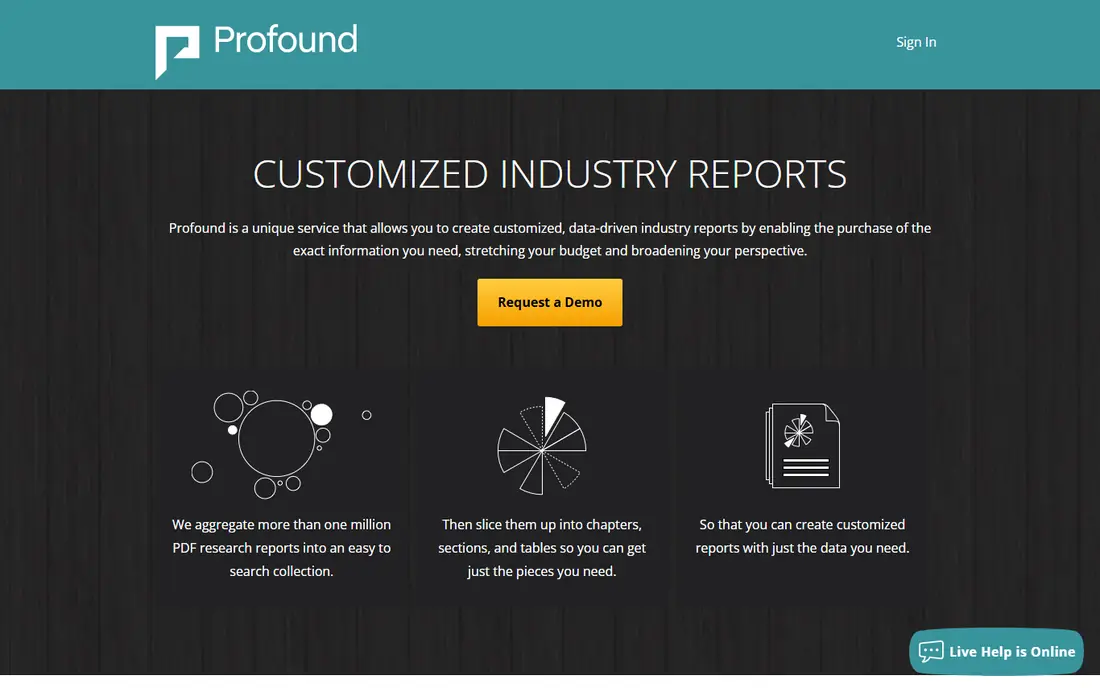
Profound is one of the most cited names in LLM SEO, and it suits larger teams that need a clear view of AI answer presence. It monitors brand mentions, sentiment and source attribution across ChatGPT, Claude, Gemini and Google AI Overviews. That breadth helps a team see not just whether it is mentioned, but how it is described.
The catch is scope and cost. A small business with a handful of prompts may find the platform larger than needed, and enterprise features sit on higher plans. For a brand team that reports AI visibility alongside search traffic, Profound is a strong central tool.
- Tracks mentions, tone and sources across major AI platforms
- Competitor comparisons
- Enterprise reporting
- Price rises quickly for larger prompt sets
- More tool than a small site needs
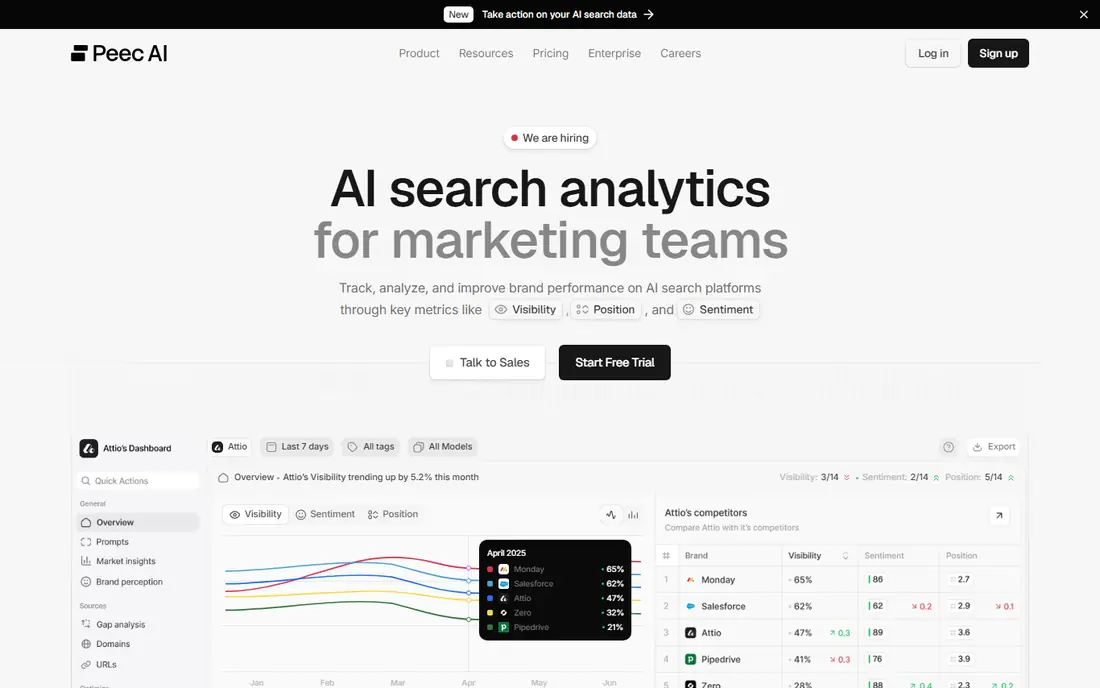
Peec AI is a practical pick for teams that want multi model tracking without an enterprise budget. It tracks citations and mentions across AI platforms and compares your brand with competitors on the same prompts. That makes it easy to spot which questions you win and which ones a rival owns.
Peec AI is less suited to very large enterprise reporting needs, and plan limits matter once prompt lists grow. For a small or mid sized marketing team, it offers a good balance of coverage, clarity and price, and it is a sensible first dedicated LLM SEO tool.
- Multi model tracking at a lower price point
- Citation and competitor analytics
- Clear dashboards
- Fewer enterprise features than Profound
- Prompt limits vary by plan
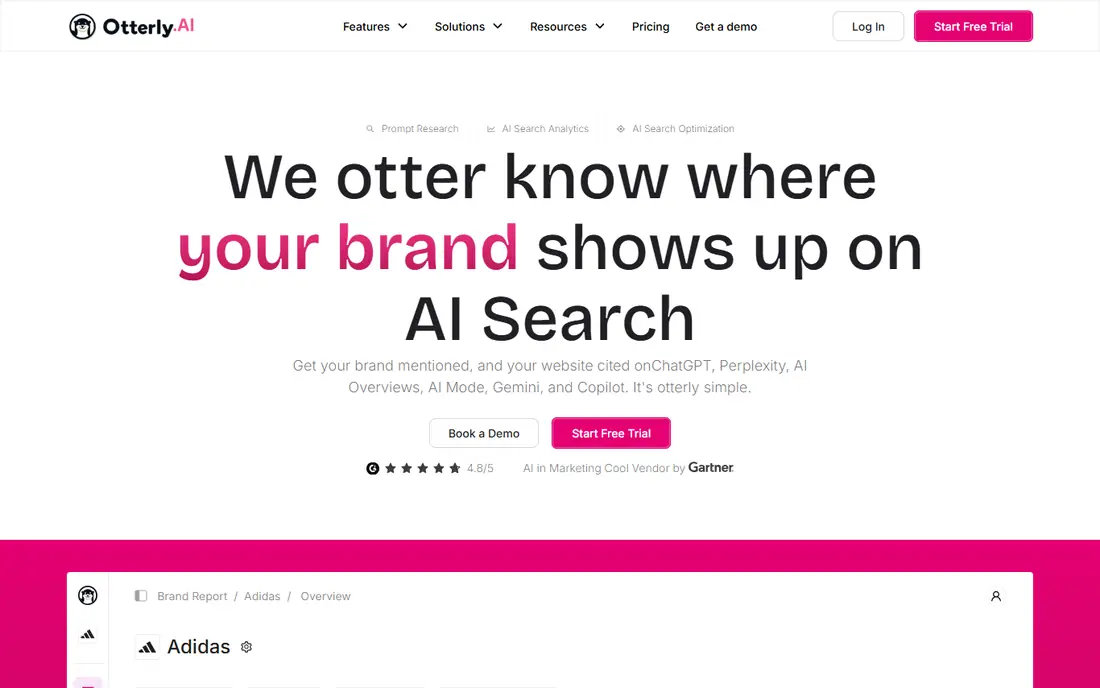
Otterly AI appeals to teams that want to test AI visibility tracking without a large commitment. At $29 per month in published guides, it is one of the cheapest dedicated options, and it covers brand mentions across major AI engines. Setup is straightforward, which helps small teams start with a focused prompt list.
The trade-off is depth. Sentiment analysis, large prompt sets and advanced reporting are thinner than on enterprise platforms. If you mainly need to know where you appear and who else is cited, Otterly AI covers that job well at a low price.
- Low entry price
- Tracks mentions across AI engines
- Simple setup for small teams
- Smaller feature set than enterprise tools
- Deeper analysis may need a higher plan
Semrush is the best software for llm seo if you also need classic SEO in the same subscription. Its keyword database, backlink index and site audits shape the pages AI systems cite, and its AI features add visibility signals on top. That combined view helps teams fix both the content and the ranking foundation.
Semrush is not the cheapest dedicated LLM tracker, and some AI features sit on higher plans or add-ons. If you already pay for Semrush, adding AI tracking there is efficient. If you only need AI mention tracking, a smaller dedicated tool may be cheaper.
- Huge keyword and backlink data
- AI visibility signals alongside classic tracking
- Wide toolset
- AI features can cost extra
- Platform is large and takes time to learn
Ahrefs remains a core SEO platform, and its Brand Radar feature extends that work into AI answers. Teams that already use Ahrefs for links, keywords and audits can add AI mention tracking without learning a new platform. The underlying data is strong, since AI systems often cite pages with solid links and rankings.
The drawback is price structure. Brand Radar is listed as an add-on in some guides, so the total cost is higher than the base plan alone. Ahrefs is best for SEO teams that want one foundation tool, not for buyers who only need a cheap AI monitor.
- Strong backlink and keyword data
- Brand Radar tracks AI mentions
- Trusted SEO foundation
- AI tracking is an add-on in published guides
- Entry price is high for AI tracking alone
Wellows focuses on the core LLM SEO question: where does your brand appear inside AI answers, and which sources do AI systems rely on? It measures citations, mentions and share of voice across engines, which helps teams close visibility gaps prompt by prompt. That focus makes it easy to turn a report into content work.
Wellows is a newer name, so case studies and third party reviews are thinner than for older platforms. Pricing is not as clearly published in every guide, so check the current plan before you commit. For citation-led work, it is a focused and useful option.
- Tracks citations and mentions inside AI answers
- Share of voice views
- Competitor gap analysis
- Newer and less widely known than Semrush or Ahrefs
- Pricing needs a direct check
Nightwatch suits teams that still live in rank tracking but need to add AI visibility. It combines traditional rank data with LLM monitoring, and it shows the web searches AI systems run for real-time answers. That link between classic ranks and AI citations is useful for local and agency teams.
Pricing needs care, since some plans are listed in euros and AI coverage varies by tier. Nightwatch is a good pick if you want one dashboard for ranks and AI mentions, rather than two separate subscriptions. If you only need AI tracking, a dedicated tool may be simpler.
- Combines classic rank tracking with LLM monitoring
- Local tracking options
- Client reporting
- Pricing in euros on some plans
- AI features vary by plan
Writesonic is different from the pure trackers in this guide, because it pairs content creation with GEO tracking. A team that publishes often can draft, optimize and then check AI visibility without switching tools. That workflow suits content teams more than pure analytics teams.
The trade-off is depth. A dedicated LLM SEO tool will usually track more prompts, models and citation details than a bundled feature. Writesonic is best when content production is the main job and AI visibility is the check at the end of that workflow.
- Content creation bundled with GEO tracking
- Useful for teams that publish often
- Workflow in one place
- GEO tracking is one part of a larger content suite
- Dedicated trackers go deeper
How we picked these
We compared official feature and pricing pages with published 2026 guides that ranked LLM SEO tools by engine coverage, citation data and price. We favored tools that track real AI answers across several platforms, not tools that only promise AI optimization without reporting. We also kept a mix of dedicated trackers and larger SEO suites, since many teams need both.
How to choose the right tool for your team
Start by listing the prompts that matter. Write down the questions your customers actually ask an AI assistant, such as best product in your category, comparisons and local questions. A tool that tracks 20 prompts well is more useful than a tool that tracks 500 prompts you never check. Run those prompts by hand once, so you know what a good citation looks like.
Next, decide whether you need monitoring, optimization or both. Monitoring tools tell you where you appear and who else is cited. Optimization work still happens in your content, with clear structure, factual pages and schema that help AI systems understand your site. Some tools in this guide help with both, but none replace the content work itself.
Finally, check refresh rates, model coverage and export options. AI answers change often, so a monthly snapshot can miss shifts. Look for daily or frequent updates, coverage of ChatGPT, Gemini, Perplexity and Google AI Overviews, and reports you can share with clients or managers. Trial the tool on your own brand prompts before you pay for a year.
Frequently asked questions
What is the best llm seo tool?
The best tool depends on team size and budget. Profound suits enterprise teams, Peec AI and Otterly AI suit smaller teams, and Semrush suits teams that also need classic SEO. List the best llm seo tools by prompt coverage and citation data first, then compare price for the prompt count you actually need.
What is the best software for llm seo?
Semrush and Ahrefs are the strongest all in one software options, because they combine keyword, backlink and audit data with AI visibility signals. Dedicated tools such as Profound, Peec AI and Wellows go deeper on AI answers alone. Many teams use a suite for foundation SEO and a dedicated tracker for AI answers.
How do LLM SEO tools work?
They run a set of prompts through AI platforms, record which brands are mentioned, which sources are cited and what tone is used. They then compare those results over time and against competitors. That data shows which questions you win, which you lose and which pages AI systems prefer to cite.
Do I still need classic SEO if I use an LLM SEO tool?
Yes, classic SEO still matters, because AI systems often cite pages that rank well and have strong links. Technical fixes, clear content and reputable links improve both classic rankings and AI citations. An LLM tool shows the AI result, while classic SEO work improves the pages behind that result.
Are there free LLM SEO tools?
Some tools offer free trials or limited free plans, and manual prompt testing across ChatGPT, Gemini and Perplexity costs nothing but time. Free tiers are useful for a first check, but regular tracking across many prompts usually needs a paid plan. Start free, then pay once you know which prompts matter.
Sources
See where you really rank - block by block
ProMapRanker scans Google Maps across a grid of your service area. Simple monthly plans from $19, white-label on every plan.
Start freeKeep reading
 zoom alternatives
Best Zoom Alternatives in 2026
Compare Zoom alternatives in 2026, with free meeting limits and prices, so you can pick the best alternative to Zoom for your team, class, or community.
Read → which software is best for remote work
Which Software Is Best for Remote Work in 2026
Answering which software is best for remote work, we compare Slack, Zoom, Asana, Notion, Teams and more, with pricing and honest tradeoffs in 2026 now.
Read → which ai tool is best for content writing
Which AI Tool Is Best for Content Writing in 2026
Wondering which ai tool is best for content writing? We compare ChatGPT, Claude, Jasper, Grammarly, and more on price, quality, and best use in 2026 now.
Read →