 ProMapRanker
Best Listing Management Software for Catering Companies in 2026
Direct answer
Yext is my top pick for catering companies because it pushes your venue, menu and contact details to a large network of directories and map apps from one dashboard, which suits caterers who book events through many channels. Pricing is quote-based, so check its pricing page. If you mainly need to fix inconsistent citations, BrightLocal is a practical second choice, and GatherUp fits caterers who want to collect reviews after each event.
I compared these tools from vendor documentation and public sources rather than hands-on tests. My focus was how each one handles the way a catering business shows up online: a kitchen address, a service area, event menus and enquiry calls. I left out anything I could not confirm as a real, operating product.
Key takeaways
- Catering companies appear in more places than a single restaurant listing, so consistent name, address, phone and service details across directories matter.
- A listing tool should let you describe services like wedding catering or corporate lunches, not just a storefront address.
- Event-driven businesses benefit from review requests sent after each booking, so review features belong on your shortlist.
- Most listing platforms charge by location or by number of listings, so a caterer with one kitchen pays far less than a multi-venue operator.
- None of these tools replaces a complete Google Business Profile; they keep the data that feeds it accurate.
Quick comparison
| Pick | Great for | Pricing starts at | Free tier | |
|---|---|---|---|---|
 Yext | Broad directory reach from one dashboard | See website | Not stated | Visit |
 BrightLocal | Citation building and local audit checks | See website | Free trial | Visit |
 GatherUp | Collecting reviews after catered events | See website | Free trial | Visit |
 Moz Local | Simple listing sync for one main location | See website | Free plan | Visit |
 Whitespark | Finding and fixing citation gaps | See website | Not stated | Visit |
 Local Viking | Tracking Google Maps rankings by area | See website | Free trial | Visit |
 CallTrackingMetrics | Tracking calls from event enquiries | See website | Free trial | Visit |
The best listing management software for catering companies compared
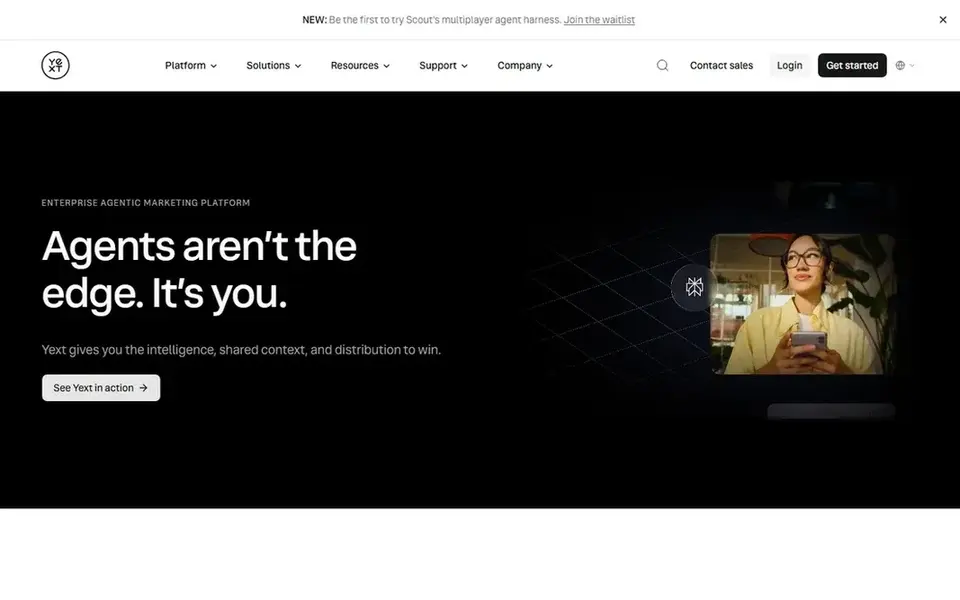
Yext is a listing management platform that lets you publish business details to a large network of directories, maps and apps from one place. For a caterer, that means your kitchen address, phone number, service area and event offerings can stay consistent wherever a planner or venue finds you. It suits caterers with several venues or a busy events calendar more than a one-person operation.
In practice you build a profile with fields for services, hours and contact details, then push updates across the network. A caterer can describe wedding catering, corporate lunches and drop-off menus as distinct services rather than cramming everything into one description. When you add a second kitchen or change your booking phone, you edit once and the change flows out.
The main limit is cost and commitment. Pricing is quote-based and contracts are often annual, so a small caterer should confirm what is included before signing. If you only need to fix a handful of citations, a lighter tool may be enough.
- Wide network of directories and map apps
- structured fields for services and menus
- central dashboard for many locations
- Quote-based pricing
- annual contract terms to check
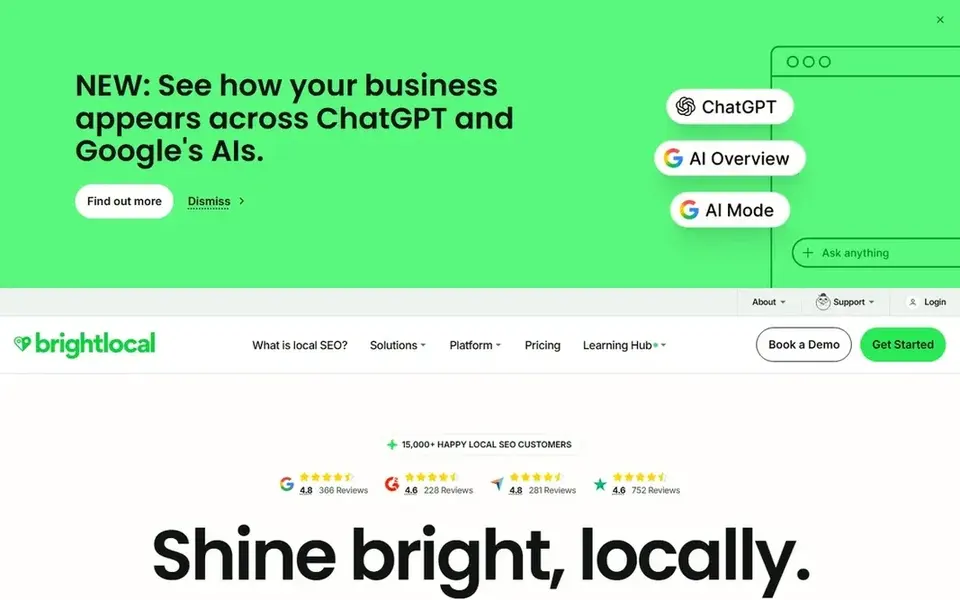
BrightLocal is a local SEO platform with citation auditing, citation building, rank tracking and review tools. Caterers who want to know exactly where their business details are wrong, and get help fixing them, will find the citation tools useful. It fits an owner or marketer who is willing to work through a list rather than expect everything automated.
The citation audit shows where your name, address and phone number differ across directories, which matters when a venue planner searches for you and finds an old phone number. You can order citation building for the main directories and track local rankings for terms like "wedding caterer" in your area. Review features help you ask past clients for feedback after an event.
The trade-off is that citation work is partly manual and the platform rewards people who use several features together. A caterer who only wants automatic distribution across hundreds of sites may prefer a dedicated listing network.
- Citation audit and building tools
- local rank tracking
- review and reputation features
- Some citation work is manual
- best value comes from using several features together
GatherUp is a customer feedback and review management tool. For caterers, the timing of a review request matters: send it a day or two after the event while the food and service are fresh in the client's mind. GatherUp lets you automate that request by email or text and route responses into one inbox.
You can set up campaigns that ask for feedback after each booking, then guide happy clients to leave a review on the platform of their choice. The tool also helps you respond to reviews and display them on your site. That matters for catering because planners often check recent reviews before shortlisting vendors.
It is not a directory listing tool, so it will not fix your address on map apps. Treat it as the review layer alongside a listing platform, and remember that asking only happy clients for reviews goes against Google's guidelines.
- Automated review requests by email and text
- feedback inbox
- review display options
- Not a full listing distribution tool
- review platform rules still apply
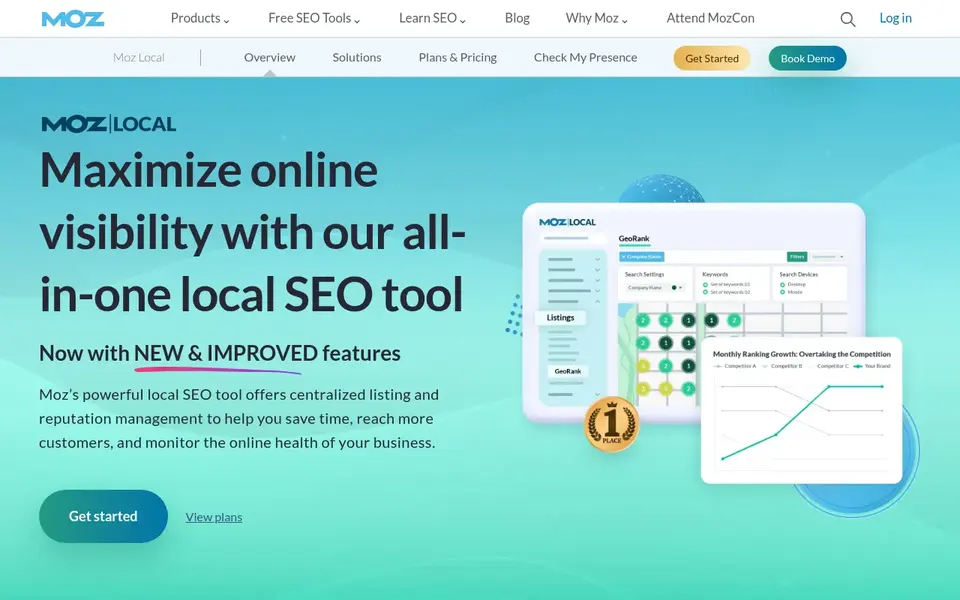
Moz Local is a listing management tool from Moz that syncs your business details to major data aggregators and directories. A caterer with one kitchen and a clear service area can use it to keep the core details consistent without a steep learning curve. The dashboard is easy to read, which helps if you are handling marketing yourself.
You enter your business name, address and phone number, confirm the listing, and the tool distributes the data. For catering, the value is keeping your booking phone and kitchen address correct on the directories that planners and venues check. It also flags duplicate listings, which are common when a caterer has moved or rebranded.
The limits show up with complexity. If you run several venues, each with its own hours and menus, Moz Local gives you less control than a larger platform. A single-location caterer who wants simple sync will get more from it.
- Straightforward listing sync
- data aggregation from major providers
- easy to read dashboard
- Fewer advanced citation options
- limited fit for complex multi-venue setups
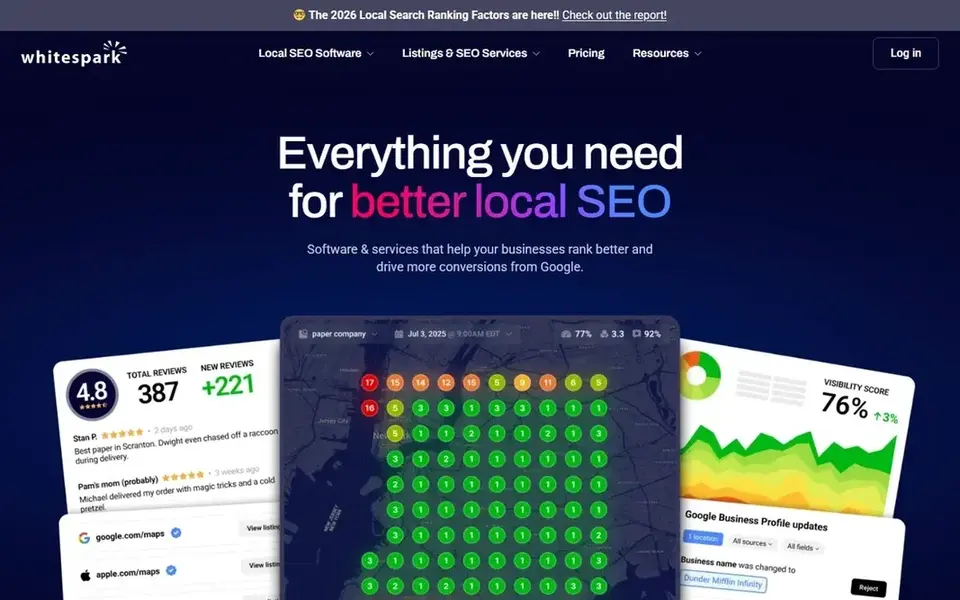
Whitespark is a local search company known for citation finding and building, plus local rank tracking. Caterers who want a thorough list of where their business is listed, and help cleaning up the mess, will find the citation finder useful. It suits an agency or a marketer who understands local SEO basics.
The citation finder scans directories and shows where your details appear and whether they match. You can then work through fixes or order citation building. For a caterer, that means catching old addresses from a previous kitchen or a phone number that changed when you added a booking line.
It is less of a plug-and-play listing dashboard and more of a specialist toolkit. If you want one screen that pushes data everywhere automatically, a platform like Yext fits better. Whitespark rewards people who will act on the findings.
- Detailed citation finder
- local citation building service
- local rank tracking tools
- More of a service than a self-serve dashboard
- requires some SEO knowledge
Local Viking is a local rank tracking tool built around Google Maps grid views. A caterer can see how they rank for searches like "catering near me" across a map of their service area, which is useful when most bookings come from a radius around the kitchen. The geo-tagged photo tools help keep the Google Business Profile active.
The grid view shows where you appear strongly and where you are invisible, so you can decide whether to target nearby towns or focus on your core area. For catering, that helps you understand whether you are visible to planners in the suburbs you serve.
Its listing management features are limited, so it will not fix citations across directories. Use it alongside a listing platform if Maps visibility is your main concern. It is a tracking tool first.
- Grid-based rank tracking on Google Maps
- geo-tagged photo tools
- simple interface
- Listing management is secondary
- not a citation distribution tool
CallTrackingMetrics is a call tracking and contact centre platform. Caterers get many enquiries by phone, and knowing which listing or ad produced the call helps you decide where to spend time. You can assign different tracking numbers to different directories or campaigns and see which ones bring bookings.
For a catering business, the useful part is routing: calls can go to the right person, be recorded for training, and be reported alongside other enquiry sources. That gives you a clearer picture of whether your directory listings actually generate calls.
It does not manage your listings, so it is a measurement layer rather than a listing tool. A caterer who mostly gets enquiries through web forms may not need it. Those who live on the phone will find the attribution useful.
- Call tracking with source attribution
- call recording and routing
- reporting on enquiries
- Not a directory listing tool
- setup takes some planning
How I chose
I started from vendor documentation and public sources for each tool, then checked whether the features matched how a catering company actually operates. A caterer is not a shop with fixed walk-in hours; bookings come from planners, venues and repeat clients, often across a service radius. So I weighted directory reach, service and menu fields, review requests after events, and call attribution.
I also looked at limits. Some tools are full listing networks, others are citation specialists or review platforms, and a few are tracking tools that sit alongside a listing platform. I did not run hands-on tests, and I did not include anything I could not confirm as a real, operating product. Pricing changes, so I point you to each vendor's own page rather than quoting figures.
What to check before you buy
- Confirm the tool lets you list services like wedding catering or corporate lunches, not just a storefront category.
- Check how it handles a service area, since many caterers travel to venues rather than serve walk-ins.
- Ask whether review requests can be sent after an event and whether the tool follows Google's review rules.
- Find out how many locations and listings are included, because catering businesses often add a second kitchen.
- Check whether call tracking or enquiry attribution is included, since phone bookings matter in this trade.
- Read the contract terms and cancellation policy, especially for quote-based platforms.
Frequently asked questions
Do catering companies need listing management software?
Yes, if you want your business details to stay consistent across directories and map apps. Caterers get found through many channels, and an old phone number or address can cost you a booking. A listing tool keeps the core details aligned and flags duplicates.
Can I just use my Google Business Profile?
Your Google Business Profile is essential, but it is one listing. Directories, map apps and review sites pull data from other sources, and those can drift out of date. Listing software keeps the wider set of listings consistent so the data feeding search results stays correct.
How do I get more reviews for my catering business?
Ask every client after the event, not just the happy ones, and make it easy with a direct link. Automated review request tools help with timing. Never offer incentives for reviews or filter out unhappy clients, because that breaks Google's guidelines.
Is listing software worth it for a one-kitchen caterer?
It can be, if you serve a wide area and appear on many directories. A simple sync tool may be enough for a single location. If you mainly need to fix citations once, a citation audit and cleanup service can be cheaper than an ongoing subscription.
How does listing management help with local rankings?
Consistent business details across directories support the signals search engines use to understand your business. Listings alone will not rank you, but accurate data, a complete profile and steady reviews all help you appear for local searches.
Sources
See where you really rank - block by block
ProMapRanker scans Google Maps across a grid of your service area. Simple monthly plans from $19, white-label on every plan.
Start freeBrowse all guides
← Best Listing Management Software for Bookstores in 2026Best Listing Management Software for Oil Change Shops in 2026 →
 best listing management software for bathroom remodelers
Best Listing Management Software for Bathroom Remodelers in 2026
A bathroom remodeler's guide to listing management software in 2026: compare Yext, Semrush Local, Moz Local, Uberall and more for map and directory accuracy.
Read → best google business profile management software for toy stores
Best Google Business Profile Software for Toy Stores in 2026
A toy store owner's guide to Google Business Profile management software for 2026, compared from vendor documentation and public sources.
Read → best google business profile management software for food trucks
Best Google Business Profile Software for Food Trucks in 2026
A food truck owner's guide to Google Business Profile management software in 2026, covering listings, reviews, location changes and call tracking.
Read → gbp optimization
GBP Optimization: How to Optimize a Google Business Profile for Local SEO
GBP optimization explained: a local-SEO-focused walkthrough to turn your profile into a lead engine.
Read → best copilot rank tracker software
Best Copilot Rank Tracker Software in 2026
Best Copilot rank tracker software compared for 2026: tools that track brand mentions, citations and links inside Microsoft Copilot answers every day.
Read → local seo for florists
Local SEO for Florists
A local SEO guide for florists: Google Business Profile setup, reviews, and same-day delivery and occasion-based local SEO.
Read →More in Local SEO & Google Maps · All guides A to Z by date · Latest guides