 ProMapRanker
Best Interactive Media Companies for Engineering in 2026

Key takeaways
- The strongest firms pair creative and engineering teams, so designs are built with real technical constraints in mind.
- Product studios suit apps and platforms, while marketing-technology firms suit campaigns with data and media behind them.
- Team seniority and past work in your industry matter more than a general client list.
- Ask who owns code, data and hosting after launch, before the project starts.
Quick comparison
| Pick | Great for | Pricing starts at | Free tier | |
|---|---|---|---|---|
 Monks | Digital-first marketing and technology | See website | No | Visit |
 R/GA | Creative innovation and digital products | See website | No | Visit |
 AKQA | Design-led digital products and campaigns | See website | No | Visit |
 DEPT | Marketing and technology at scale | See website | No | Visit |
 Huge | Product, platform and AI transformation | See website | No | Visit |
 Instrument | Brand and digital product studio | See website | No | Visit |
 Work and Co | Digital product design and engineering | See website | No | Visit |
 Globant | Technology and digital engineering scale | See website | No | Visit |
The best interactive media companies for engineering
Interactive media companies combine design, content and technology to build websites, apps, campaigns and digital products. The firms below stand out for engineering depth as well as creative work, which matters when a project needs real product builds, not only campaign ideas.
These are agencies and studios, not software you install, so pricing is by project and engagement. Shortlist firms whose past work matches your product type, then ask about the team that would actually build your project.
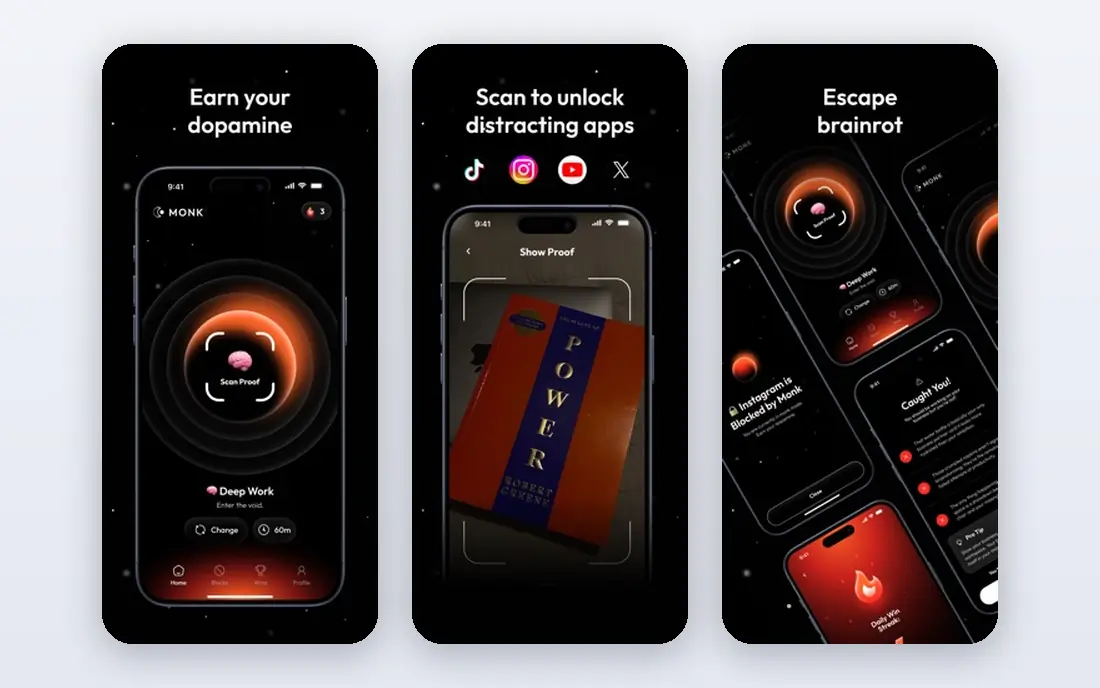
Monks, formerly Media.Monks, suits brands that need content, data, media and technology handled as one connected program. Its global teams work across brand building, media and technology services, which helps large campaigns with a technical backbone.
Its scale suits larger programs best, so smaller firms should confirm team size and attention before engaging. Before you sign, ask for the build team, the technical lead, the delivery process, who owns the code, and how support works after launch.
- Global digital-first model
- Content, data, media and technology services
- AI-assisted workflows
- Large-firm process
- Smaller projects may fit less well
R/GA suits brands that want creative innovation backed by product and technology thinking, not only advertising ideas. Its work spans brand systems, digital experiences and AI-related services for established brands.
Office and team fit matter, so ask for the team and past work most relevant to your product or campaign. Before you sign, ask for the build team, the technical lead, the delivery process, who owns the code, and how support works after launch.
- Creative and technology focus
- Brand systems and digital experiences
- AI-related services
- Project pricing
- Team fit varies by office

AKQA suits brands that want design-led digital products and campaigns from a studio with strong creative and technical teams. Its global studios handle product design, engineering and campaign work for large clients.
Pricing and process suit larger engagements, so smaller firms should ask about minimum project scope early. Before you sign, ask for the build team, the technical lead, the delivery process, who owns the code, and how support works after launch.
- Design and technology studios
- Product and campaign work
- Global offices
- Large-firm pricing
- Smaller budgets may fit less well
DEPT suits brands that need marketing and technology together, with data-informed decisions behind campaigns and platforms. Its service range covers commerce, content, data and technology across many sectors.
As a large group, the right unit matters, so confirm which team would handle your project and its past work. Before you sign, ask for the build team, the technical lead, the delivery process, who owns the code, and how support works after launch.
- Marketing and technology services
- Data and AI-informed work
- Many industry sectors
- Large agency group
- Service depth varies by unit
Huge suits firms that need product and platform work alongside marketing, including AI-related transformation projects. Its services span product innovation, platform builds and marketing, which helps projects that need both sides.
Ask which practice would lead your project, because product, platform and marketing work can sit in different teams. Before you sign, ask for the build team, the technical lead, the delivery process, who owns the code, and how support works after launch.
- Product and platform innovation
- AI transformation services
- Marketing services
- Project pricing
- Focus varies by practice
Instrument suits brands that want a studio feel, with brand and digital product work handled by a focused team. Its experience design focus helps products where the user journey matters as much as the visual design.
Its team is smaller than the largest agency groups, so confirm capacity and timelines for larger programs. Before you sign, ask for the build team, the technical lead, the delivery process, who owns the code, and how support works after launch.
- Brand, digital product and technology work
- Experience design focus
- Studio pricing
- Smaller team than the largest groups
Work and Co suits firms that need a digital product designed and built well, from apps to platforms. Its teams combine design and engineering, which helps when a product must be both usable and technically sound.
It is selective about projects, so fit and timing matter, and smaller firms should discuss scope early. Before you sign, ask for the build team, the technical lead, the delivery process, who owns the code, and how support works after launch.
- Digital product focus
- Design and engineering teams
- Platform and app work
- Project pricing
- Selective client fit
Globant suits enterprises that need engineering scale for digital products, platforms and AI-related work. Its large engineering teams can handle complex builds, integrations and ongoing product development.
Enterprise scale and process suit larger programs best, so smaller projects should confirm the right team and engagement size. Before you sign, ask for the build team, the technical lead, the delivery process, who owns the code, and how support works after launch.
- Large engineering organisation
- Digital product and AI-related services
- Many industries
- Enterprise scale
- Smaller projects may fit less well
How we picked these
We compared official service pages and public agency profiles on services, engineering focus and industry work. We did not claim hands-on projects with these firms, and we used See website for pricing because agency work is quoted by project scope.
How to choose an interactive media company for an engineering-heavy project
Start with the build, not the reel. A showreel proves creative taste, but an engineering-heavy project needs architecture, performance, accessibility and maintainability too. Ask for case studies that explain the technical choices, the stack and the results in plain terms.
Meet the actual team. Agency pitches often feature senior leaders who will not do the daily work, so ask who the project lead, designers and engineers will be. Check their experience with your product type, and ask how the team handles changes mid-project.
Agree on ownership and handover. Code, design files, data and accounts should transfer to you at agreed points, with documentation your own team can use. Ask about hosting, licences and support costs after launch, so the first year total is clear.
Test with a small phase. A discovery or prototype phase shows working style, communication and technical judgement before a full build. Agree what the phase delivers, such as a tested prototype or a technical plan, and how it is priced.
Plan for maintenance from the start. A product that launches well can still fail if no one owns updates, bug fixes and content changes after release. Ask for a maintenance proposal with response times, a clear scope for small changes, and a price for ongoing support, so the second year does not bring a surprise bill. Also confirm how knowledge transfers to your team, through documentation, training sessions and access to the code repository, because a handover done late is often incomplete and costly to repair.
Frequently asked questions
What is an interactive media company?
It is a firm that builds interactive digital work such as websites, apps, campaigns and digital products, combining design, content and technology. Some firms focus on marketing campaigns, while others focus on product engineering. The right type depends on whether you need attention, sales or a working product.
How much does an interactive media project cost?
Agency projects are quoted by scope, team size and duration, so costs vary widely. A small website costs far less than a full app or platform build. Ask for a scoped proposal with phases, and compare what is included in design, engineering, testing and support.
What is the difference between a studio and an agency?
A studio often focuses on product design and engineering, while an agency often covers marketing, media and campaigns as well. Many firms now do both, so judge by the team and past work for your project type, not only by the label.
How do I check an agency engineering team?
Ask for technical case studies, the stack used, performance and accessibility practices, and the engineers who would work on your project. A short prototype or technical review phase can reveal working style before a larger commitment.
Should I hire an agency or build in-house?
An agency suits a defined project, a tight deadline or skills your team lacks, while in-house suits ongoing product work that needs deep product knowledge. Many firms start with an agency for a build, then move maintenance in-house with a handover plan.
Sources
See where you really rank - block by block
ProMapRanker scans Google Maps across a grid of your service area. Simple monthly plans from $19, white-label on every plan.
Start freeKeep reading
 wpforms alternatives
Best WPForms Alternatives in 2026
We compare 9 wpforms alternatives for WordPress forms, with free and paid options, current pricing notes, and honest limits for small business sites in 2026.
Read → windows task scheduler alternatives
Best Windows Task Scheduler Alternatives in 2026
Looking for Windows Task Scheduler alternatives? We compare 9 schedulers for Windows and cross-platform work, from free tools to enterprise automation.
Read → which ai video service is best
Which AI Video Service Is Best in 2026
which ai video service is best? We compare 10 legitimate AI video services on price, avatars, editing and output quality to help you pick the right tool.
Read →