 ProMapRanker
Innovative AI Platforms for Research in 2026: Top 6 Compared

Citation maps and literature tracking · Pricing starts at: $10 per month
Direct answer
ResearchRabbit leads the list, best for citation maps and literature tracking. Listed starting prices: ResearchRabbit from $10 per month, Elicit from $11 per user per month and Scite from $12 a month. Look at Consensus for fast peer-reviewed literature search, and at Connected Papers for exploring related papers visually. Details, prices and limits for the rest of the 6 tools are below.
If you are comparing innovative AI platforms for research, this page covers 6 tools in one place: what each is best for, what it costs to start, whether it has a free plan, and the main limit to know about.
Key takeaways
- Number one here is ResearchRabbit, a fit for citation maps and literature tracking.
- ResearchRabbit is the only tool of the 6 with a free plan.
- Scite is the one to check for Citation-backed claim checking.
- A fair warning about ResearchRabbit: less concentrated on evidence synthesis.
- Starting prices begin at $10 per month with ResearchRabbit.
Quick comparison
| Pick | Great for | Pricing starts at | Free tier | |
|---|---|---|---|---|
| ResearchRabbit | Citation maps and literature tracking | $10 per month | Yes | Visit |
 Consensus | Quick peer-reviewed literature search | See website | Not stated | Visit |
 Connected Papers | Exploring related papers visually | See website | Not stated | Visit |
 Semantic Scholar | Semantic discovery of relevant research | See website | Not stated | Visit |
 Elicit | Evidence synthesis and research planning | $11 per user per month | Free trial | Visit |
 Scite | Citation-backed claim checking | $12 a month | Free trial | Visit |
The full innovative AI platforms for research list
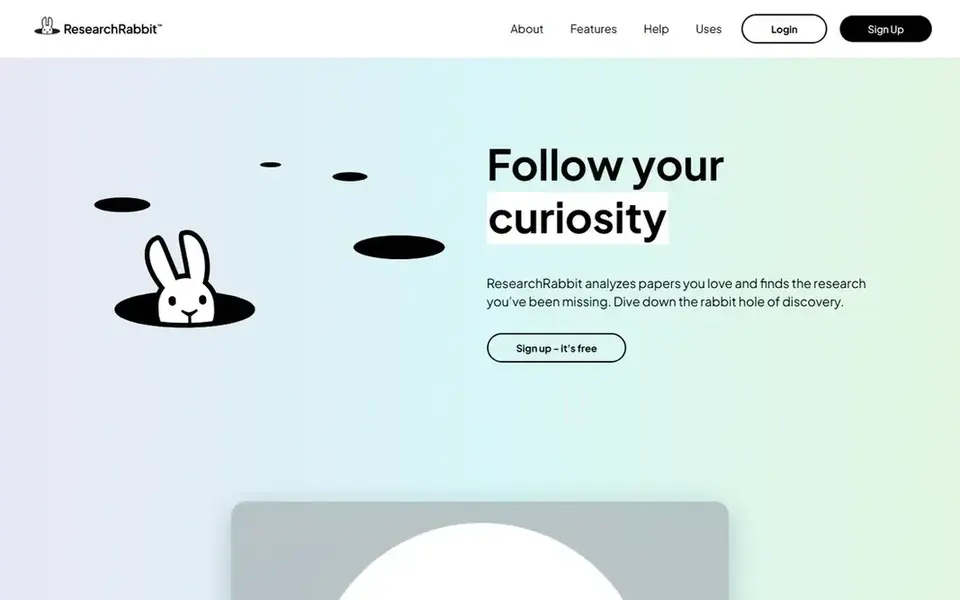
Pick ResearchRabbit if this describes you: citation maps and literature tracking. Its homepage describes finding related papers, building citation maps and tracking research trends.
Downsides: Needs seed papers for best results.
It suits researchers who already have a handful of key papers and want to expand outward through the citation network. ResearchRabbit cost at the entry level: $10 per month. You can start on ResearchRabbit without paying.
- Builds citation maps
- Tracks research trends
- Less centred on evidence synthesis
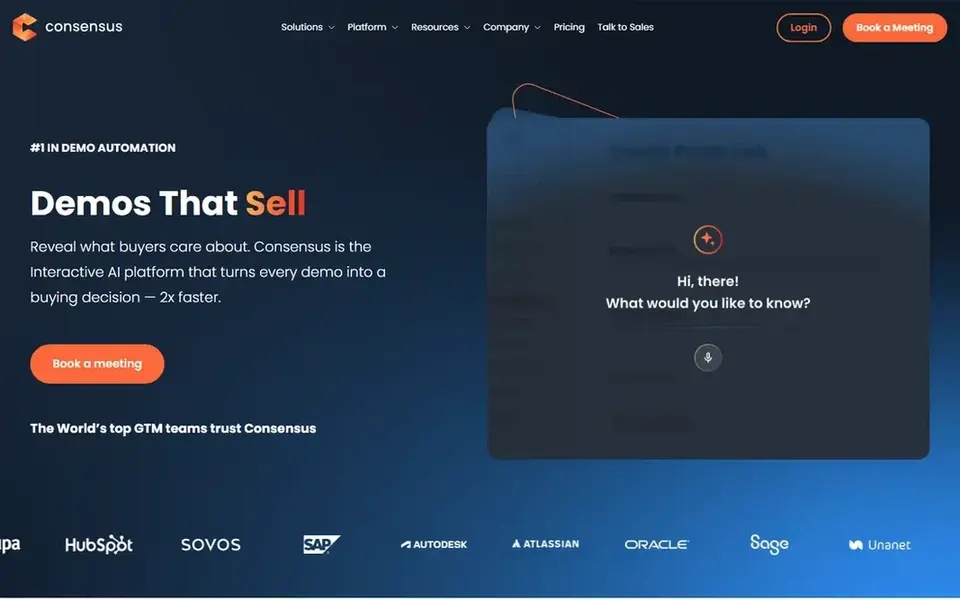
Choose Consensus for quick peer-reviewed literature search. Consensus is oriented toward search and organization, so it is not the best fit if you need help drafting proposals or mapping a whole field visually.
In daily use, pick Consensus when speed of finding credible literature is the priority. Consensus does not show a starting price in this comparison, so check the vendor site for current pricing. Free options: Not stated.
Drawbacks to consider: Narrower than full evidence-synthesis suites.
- Organizes results around research questions
- Academic search engine for peer-reviewed literature
- Less suited to citation mapping
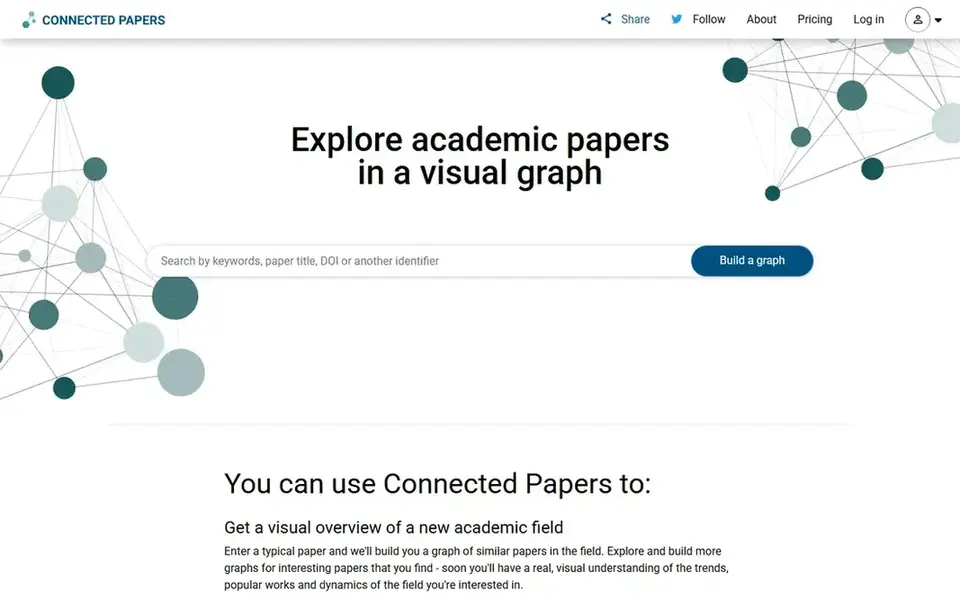
Connected Papers was built for exploring related papers visually. Connected Papers is centred on exploration, so it does not aim to synthesize evidence or draft proposals.
Limits to weigh: Narrower than full review suites.
Pick Connected Papers when you want a fast visual map around a seed paper instead of a full review environment. No starting price is listed for Connected Papers here; confirm pricing on the vendor site. Free access: Not stated.
- Useful for applied scientists
- Visual exploration of academic papers
- Best with a single seed paper
Semantic Scholar is aimed squarely at Semantic discovery of relevant research. Pick Semantic Scholar when wide, semantics-aware discovery is the central goal.
Watch-outs: Less emphasis on synthesis workflows.
Since it centres on understanding meaning in papers, it can surface relevant work even when your search terms do not match the exact wording used by authors. Semantic Scholar shows no starting price here, so confirm the cost on the vendor site. On free options: Not stated.
- Helps scholars discover relevant research
- Wide coverage across fields
- Not a visual mapping-first tool
Elicit is designed for evidence synthesis and research planning. Since Elicit emphasizes synthesis and planning, it may be more than you need for a straightforward literature lookup.
Elicit is an AI research assistant built around decision-making, not just search. That makes it a solid fit for researchers, analysts and teams who require to move from scattered findings to a structured recommendation, notably when a project involves comparing choices or shaping a study design. The starting price for Elicit: $11 per user per month. On free options: Free trial.
Watch-outs: Wide scope can feel heavy for fast lookups.
- Helps draft proposals and weigh tradeoffs
- Aimed at structured research decisions
- Less centred on visual citation mapping
Scite works best for Citation-backed claim checking. That makes it valuable for researchers, editors and analysts who require to know not just whether a paper exists but how later work treats its findings.
Drawbacks to consider: May be less easy-to-learn for wide topic discovery.
Scite centers on citation context, so it is not primarily a visual discovery or mapping tool. Entry price for Scite: $12 per month. As for free access: Free trial.
- Answers backed by scholarly citations
- Displays how claims are supported or disputed
- Centred on citation context instead of mapping
How the list was put together
The comparison looks at four things: starting price, free access, how well the feature set matches innovative AI platforms for research, and the main limit of each tool. Treat prices as a snapshot: vendors change plans often, so check the vendor site for the figure that applies today. Tools are placed by general fit for innovative AI platforms for research, with price clarity and free access as tie-breakers. A different team can reasonably rank them differently.
Questions to settle before buying
- Get a written quote from Consensus, Connected Papers and Semantic Scholar; the list shows no starting price for them.
- Test the free plan from ResearchRabbit against your real workload before relying on it.
- Run a trial of Elicit and Scite with real work before paying for a year; your own workflow is the best test.
- Read the limits listed for ResearchRabbit first: less concentrated on evidence synthesis.
- The entry price of Elicit is only the starting point; model the full cost with seats and extras.
- Check how data leaves Consensus: formats, limits and whether exports are available on every plan.
Frequently asked questions
Which AI research product is a good match for evidence synthesis?
ResearchRabbit comes first here and is built for citation maps and literature tracking. Buyers with other needs may prefer Consensus (for quick peer-reviewed literature search) or Connected Papers (for exploring related papers visually). Compare costs and limits first.
Do these tools replace a full literature review?
No. They accelerate discovery, mapping and synthesis, but researchers still have to read sources and apply judgment. From a buyer's view, treat them as assistants that organize information, and verify important findings against the original papers.
Can I try these tools before paying?
Often, yes. ResearchRabbit has a free plan and Elicit and Scite offer a free trial. Use your own data and a real task during the test, and check what the free tier or trial limits before you rely on it.
How are the tools for innovative AI platforms for research ordered?
The order follows typical fit for innovative AI platforms for research, with ResearchRabbit first and Scite last, then price clarity and free access. It is editorial judgement, not a score, so another team could rank the tools differently.
Can I check whether a claim is supported or disputed?
Scite is made for this, showing citation-backed answers and how claims are supported or disputed across scholarly articles. It is a handy complement to discovery tools when you have to judge the strength of evidence behind a statement.
Is ResearchRabbit the right pick for everyone comparing innovative AI platforms for research?
No single tool suits every team. ResearchRabbit comes first because it fits citation maps and literature tracking, while Consensus suits fast peer-reviewed literature search and Connected Papers suits exploring related papers visually. Match the tool to your own size, budget and workflow before deciding.
Sources
See where you really rank - block by block
ProMapRanker scans Google Maps across a grid of your service area. Simple monthly plans from $19, white-label on every plan.
Start freeBrowse all guides
← Generative AI Tools for Research: 5 Options Compared in 2026Neighborhood Data Software for Agents: Best Picks of 2026 →
 best ai reverse etl software
Top 6 AI Reverse ETL Software, Compared on Price (2026)
Compare 6 picks for the best AI reverse ETL software, with prices, free plans and who each fits. Concise write-ups of every option. Checked this month.
Read → best ai construction data analytics software
5 Best AI Construction Data Analytics Software for 2026
Best AI construction data analytics software: 5 contenders ranked by fit, with entry costs and free tiers. We note where every tool falls short. Numbers first.
Read → researchrabbit alternatives
ResearchRabbit Alternatives: 5 Tools Compared in 2026
ResearchRabbit alternatives in 2026: 5 contenders with entry costs and free tiers. Price notes and drawbacks come with each one. Full profiles inside.
Read → best dashboard reporting tools
Best Dashboard Reporting Tools in 2026
best dashboard reporting tools compared: 9 tools for live KPIs, client reports, and executive dashboards, with pricing and free plans explained fully.
Read → best provider data management software
Best Provider Data Management Software in 2026
Compare the best provider data management software for healthcare teams, covering credentialing, directory accuracy, monitoring, pricing, and setup in 2026.
Read → best ai powered data protection platforms
6 AI Powered Data Protection Platforms Ranked for 2026
Need the best AI powered data protection platforms? We compare 6 tools on cost, free access and who each suits. The catches are listed up front. Numbers first.
Read →More in Data & Analytics · All guides A to Z by date · Latest guides