 ProMapRanker
Best Healthcare Software Companies in 2026

Key takeaways
- Epic suits large health systems, while athenahealth, eClinicalWorks and AdvancedMD suit ambulatory practices.
- Oracle Health and MEDITECH serve hospitals that need a broad, enterprise EHR platform.
- Most enterprise pricing is quote based, so shortlist by size and specialty before asking for a price.
- This guide is based on publicly reported factors, not a verified ranking, and it is general information, not medical advice.
Quick comparison
| Pick | Great for | Pricing starts at | Free tier | |
|---|---|---|---|---|
 Epic | Large health systems | See website | No | Visit |
 Oracle Health | Enterprise hospitals | See website | No | Visit |
 MEDITECH | Mid-size hospitals | See website | No | Visit |
 athenahealth | Ambulatory practices | See website | No | Visit |
 eClinicalWorks | Specialty and small practices | See website | No | Visit |
 NextGen Healthcare | Ambulatory specialty groups | See website | No | Visit |
 Veradigm | Community hospitals and practices | See website | No | Visit |
 Greenway Health | Small ambulatory practices | See website | No | Visit |
 AdvancedMD | Independent practices | See website | No | Visit |
The best healthcare software companies
We compared healthcare software companies that provide EHR, practice management and revenue tools in October 2026. The top healthcare software company for a given buyer depends on size, setting and specialty, not on a single ranking.
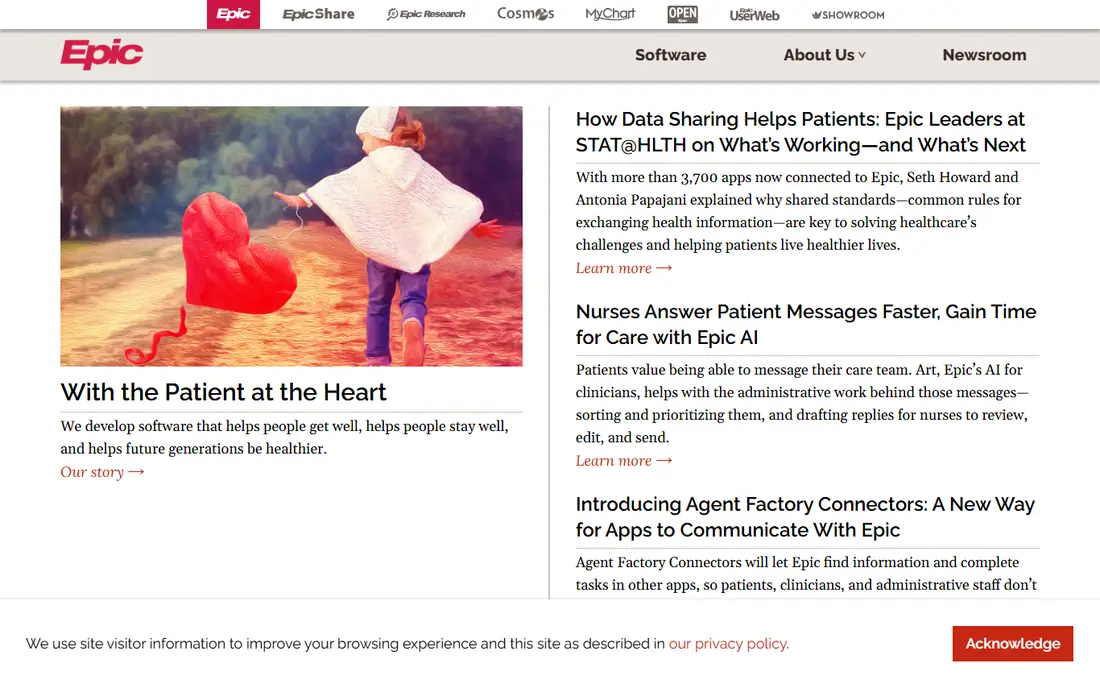
Epic is the most common choice for large health systems and academic medical centers. Its specialty modules cover areas such as oncology and obstetrics, and MyChart gives patients a familiar portal for messages, results and scheduling. The Showroom marketplace also links many third-party apps to the core record.
Cost and complexity limit its fit for small practices. Pricing is a custom enterprise quote, and rollouts take time and IT capacity. Smaller groups sometimes join through a sponsor instance, but they then inherit that sponsor build choices, which may not match their workflows.
- Broad specialty modules
- MyChart patient portal
- Large app marketplace
- Custom enterprise pricing
- Long rollouts
- Heavy IT needs for small firms
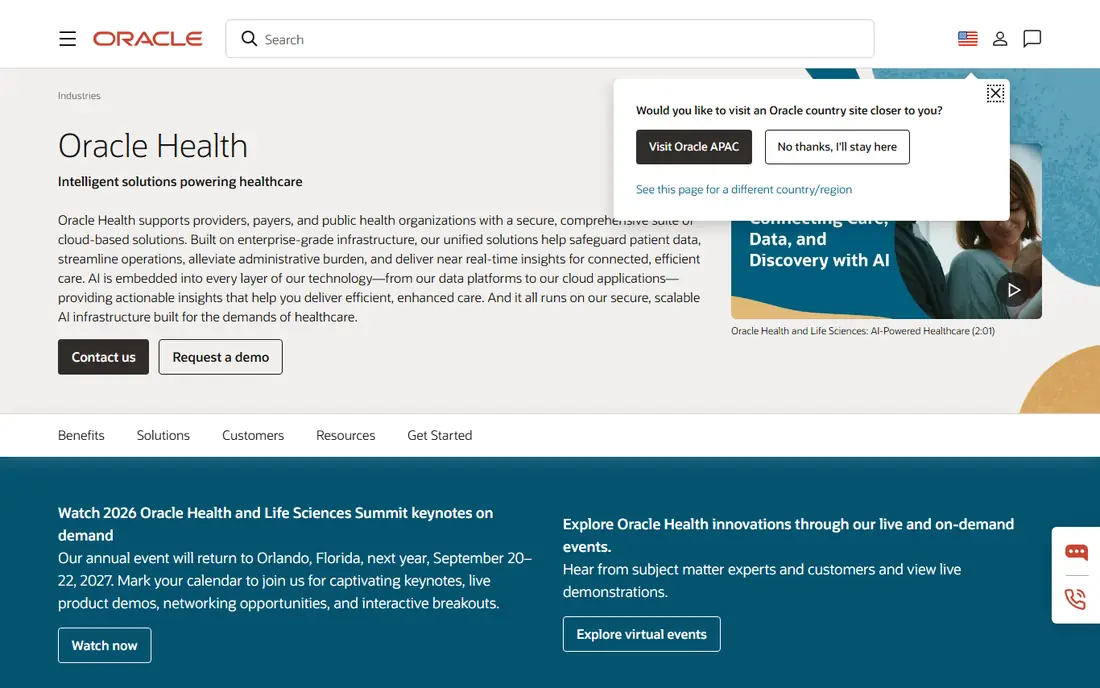
Oracle Health, formerly Cerner, serves mid-size and enterprise hospitals with its Millennium platform. Its cloud and data tools appeal to systems that want analytics and population tools beside the core record. The platform also covers a wide set of hospital departments in one system.
Buyers should plan for migration and change work, especially on older Cerner builds. Pricing is quote based, and the total cost depends on modules, sites and services. Ask for a clear scope for interfaces, training and go-live support before you compare it with Epic or MEDITECH.
- Millennium EHR platform
- Cloud and data tools
- Broad hospital coverage
- Quote-based pricing
- Migration work for Cerner sites
- Change management needs
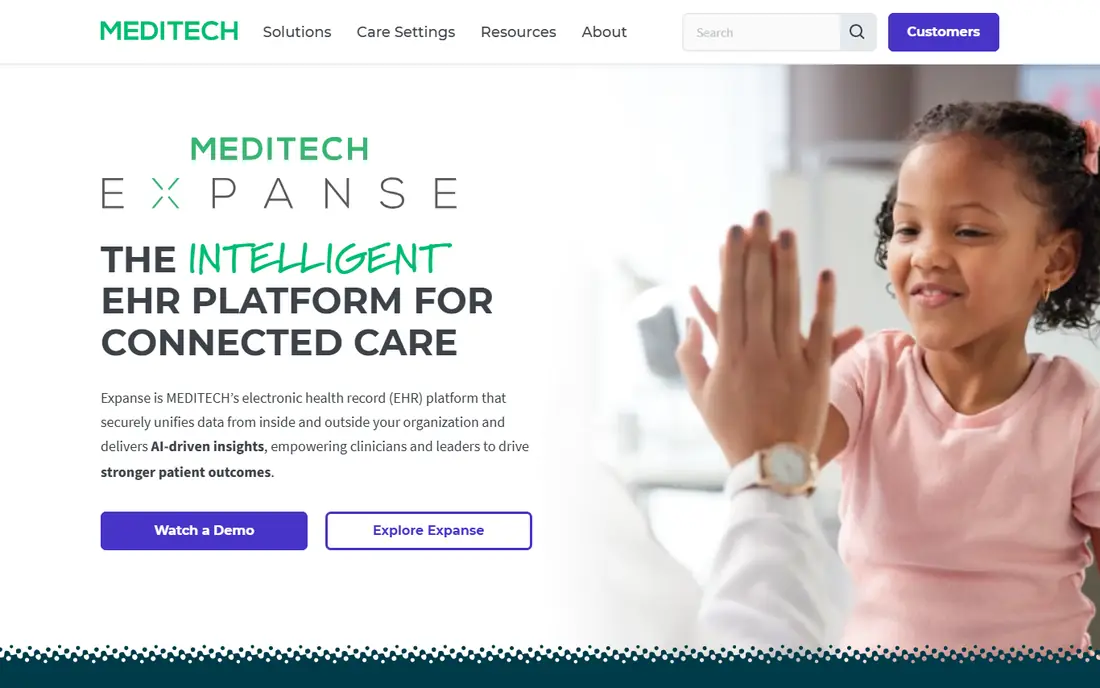
MEDITECH Expanse suits mid-size and community hospitals that want a web-based EHR without the scale of Epic. Its cloud options reduce local server work, and its focus on community hospitals shows in workflows for smaller teams. That fit can shorten training compared with a larger enterprise build.
Specialty depth varies, so specialty groups should test their key workflows in a demo. Pricing is quote based, and total cost depends on modules and services. For a mid-size hospital, MEDITECH often gives a practical middle path between a small practice tool and a full enterprise suite.
- Expanse web-based EHR
- Cloud options
- Community hospital focus
- Quote-based pricing
- Specialty depth varies
- Rollout still needs planning
athenahealth serves ambulatory practices and specialty clinics with athenaOne, which combines EHR, practice management and revenue cycle tools. Its network model uses shared rules and data to help with billing and payer work, which appeals to practices without a large billing team. Patient tools support scheduling, messaging and payments.
It does not compete as a large hospital EHR in the same way as Epic or Oracle Health. Pricing is quote based and modular, so ask which modules are included. Practices should also check how network rules affect custom workflows before signing.
- AthenaOne EHR plus billing
- Network insights
- Patient engagement tools
- Quote-based pricing
- Network rules affect workflow
- Less suited to large hospitals
eClinicalWorks covers many ambulatory practices, from primary care to specialty clinics. Its templates, telehealth tools and patient engagement features help small teams run visits, messages and billing in one system. That breadth suits practices that want one vendor for most daily work.
The interface takes learning, and support experience varies in public reviews, so test support response during a trial. Pricing is quote based, with costs tied to providers, modules and services. Specialty practices should demo their own templates, not a generic primary care flow.
- Broad ambulatory EHR
- Telehealth and patient tools
- Specialty templates
- Quote-based pricing
- Interface learning curve
- Support quality varies by report
NextGen Healthcare serves ambulatory and specialty groups with EHR, practice management and analytics tools. Its specialty content helps groups that need tailored templates and reporting, rather than a generic record. Analytics tools also help managers track visits, billing and quality measures.
It is not a primary hospital EHR choice, so health systems should not shortlist it for inpatient care. Implementation still needs workflow planning, data migration and training. Ask for specialty references close to your size and specialty before you commit.
- Ambulatory EHR and practice management
- Specialty content
- Analytics tools
- Quote-based pricing
- Implementation needs planning
- Hospital fit is limited
Veradigm, formerly Allscripts, offers EHR, practice management and related tools for hospitals and practices. Its revenue and analytics tools appeal to groups that need billing help beside clinical records. The company also serves a broad base of ambulatory and community clients.
Product names and lines have changed over time, so buyers should confirm exactly which current product is being sold in a demo. Pricing is quote based, and migration from older Allscripts products needs a clear plan. Ask for the current product roadmap and support terms in writing.
- EHR and practice management heritage
- Revenue and analytics tools
- Broad client base
- Product lines have changed over time
- Quote-based pricing
- Check current product names
Greenway Health serves small to mid-size ambulatory practices with Intergy and related practice management tools. Its focus on ambulatory care helps small teams that need scheduling, charting and billing without hospital complexity. Billing support also helps practices with limited back-office staff.
Scale is smaller than Epic, Oracle Health or athenahealth, so integration options and third-party apps may be fewer. Specialty depth also varies, so test your specialty workflows. Pricing is quote based, so compare total cost with athenahealth and eClinicalWorks for the same modules.
- Intergy EHR for ambulatory care
- Practice management
- Billing support
- Quote-based pricing
- Smaller scale than leaders
- Specialty depth varies
AdvancedMD suits independent practices that want cloud EHR, scheduling, billing and patient tools in one system. Its independent practice focus shows in workflows for small teams and in billing tools for practices without a large revenue team. Cloud delivery also reduces local IT work.
It is not a hospital system, so inpatient buyers should look elsewhere. Pricing is quote based, and add-ons can raise the total, so ask for an all-in quote for your provider count and modules. A demo with your own billing workflow gives the clearest test.
- Cloud EHR and practice management
- Billing and scheduling
- Independent practice focus
- Quote-based pricing
- Hospital fit is limited
- Add-ons affect total cost
How we picked these
We compared official vendor pages, product documentation and 2026 EHR comparisons for companies that still sell EHR or practice software in the United States. We kept companies with a live product, a clear buyer size, and coverage for hospitals or ambulatory care. We left out single-feature apps, defunct products, and vendors with no current healthcare EHR or practice product.
We did not claim hands-on testing, verified rankings or invented scores. Our notes rest on publicly reported product scope, buyer fit and pricing style, and buyers should run demos, check references and review security and compliance terms before choosing.
How to choose healthcare software without a costly mistake
Start with setting and size, not features. Hospitals need inpatient, emergency and department workflows, while ambulatory practices need scheduling, charting and billing speed. A tool built for the wrong setting will frustrate staff even if its feature list looks long.
Next, test your top five workflows in a demo with your own cases. Include a new patient visit, a follow-up, a prescription refill, a billing denial and a referral. Those five cases reveal more than a sales slide deck, and they show where clicks pile up.
Finally, price the full contract. Add modules, interfaces, data migration, training, support tiers and annual rises. Ask about data export, contract length, security audits and downtime support, since switching EHR systems later is costly and disruptive.
Security and compliance checks
Ask for HIPAA safeguards, access controls, audit logs, backup and recovery plans, and current security certifications where claimed. Check how patient data moves to third-party apps and how access ends when staff leave. Security review should happen before price talks end, not after signing.
Questions to ask references
Ask references of similar size how long go-live took, how support responds, what surprised them in cost, and what they would change. Ask about downtime, upgrade disruption and billing results after go-live. References close to your specialty give far more useful answers than large, generic case studies.
Frequently asked questions
What are the top 10 healthcare software companies?
Common top lists include Epic, Oracle Health, MEDITECH, athenahealth, eClinicalWorks, NextGen Healthcare, Veradigm, Greenway Health and AdvancedMD, plus specialty vendors. The best list for you depends on hospital versus ambulatory use, size and specialty. Use this guide as a shortlist, not a verified ranking.
Which healthcare software company is best for small practices?
athenahealth, eClinicalWorks, Greenway Health and AdvancedMD often suit small ambulatory practices, thanks to combined EHR and billing tools. The best pick depends on specialty, provider count and billing needs. Demo your own workflows and compare all-in quotes before choosing.
How much does healthcare software cost?
Most enterprise and ambulatory EHR pricing is quote based, so public prices are rare. Cost depends on providers, sites, modules, interfaces and services. Ask for an all-in annual quote, including training and support, and compare the same modules across vendors.
Is Epic the best EHR for hospitals?
Epic is a strong choice for large health systems and academic centers, with broad modules and a widely used patient portal. It is not the best fit for every hospital, since cost, IT needs and rollout time are high. Mid-size hospitals often compare MEDITECH and Oracle Health closely.
What should practices check in top healthcare software companies reviews?
Check reviews for support quality, implementation time, billing results and specialty fit, not just star scores. Look for reviewers of similar size and specialty, and note review dates, since products change. Pair reviews with demos and reference calls before deciding.
Does healthcare software need to be HIPAA compliant?
Yes, systems that handle patient health information must support HIPAA safeguards, including access controls, audit logs and secure data handling. Confirm safeguards, business associate terms, security audits and breach response in writing. Compliance also depends on how your team configures and uses the system.
Sources
See where you really rank - block by block
ProMapRanker scans Google Maps across a grid of your service area. Simple monthly plans from $19, white-label on every plan.
Start freeKeep reading
 wpforms alternatives
Best WPForms Alternatives in 2026
We compare 9 wpforms alternatives for WordPress forms, with free and paid options, current pricing notes, and honest limits for small business sites in 2026.
Read → windows task scheduler alternatives
Best Windows Task Scheduler Alternatives in 2026
Looking for Windows Task Scheduler alternatives? We compare 9 schedulers for Windows and cross-platform work, from free tools to enterprise automation.
Read → which ai video service is best
Which AI Video Service Is Best in 2026
which ai video service is best? We compare 10 legitimate AI video services on price, avatars, editing and output quality to help you pick the right tool.
Read →