 ProMapRanker
Best Gig Apps in 2026: 8 Apps Compared

Key takeaways
- DoorDash, Uber and Amazon Flex suit people who want frequent work and flexible hours with a vehicle.
- Instacart suits shoppers who like grocery work and can handle batches efficiently.
- TaskRabbit and Rover suit people who prefer local, in-person work priced by the job.
- Upwork and Fiverr suit skilled freelancers who want to set rates and build a client base.
- Earnings vary by market, time of day, tips and costs, and gig work is not guaranteed income.
Quick comparison
| Pick | Great for | Pricing starts at | Free tier | |
|---|---|---|---|---|
 DoorDash | Frequent food delivery work | Free | Yes | Visit |
 Uber | Rideshare driving | Free | Yes | Visit |
 Instacart | Grocery shopping and delivery | Free | Yes | Visit |
 TaskRabbit | Local home tasks by the job | Free | Yes | Visit |
 Upwork | Skilled freelance projects | Free | Yes | Visit |
 Fiverr | Packaged freelance services | Free | Yes | Visit |
 Rover | Pet sitting and dog walking | Free | Yes | Visit |
 Amazon Flex | Package delivery blocks | Free | Yes | Visit |
The best gig apps
Gig apps let you choose when to work, but they differ in what the work feels like, how pay is calculated and what costs you carry. This list covers driving, delivery, shopping, home tasks, pet care and freelance work, so you can match an app to your skills, vehicle and schedule.
Earnings vary and are not guaranteed income. Pay depends on your market, demand, tips, ratings and the costs you pay yourself, such as fuel, vehicle wear, insurance and taxes. Treat any hourly figure in this guide as a range to check in your area, not a promise.
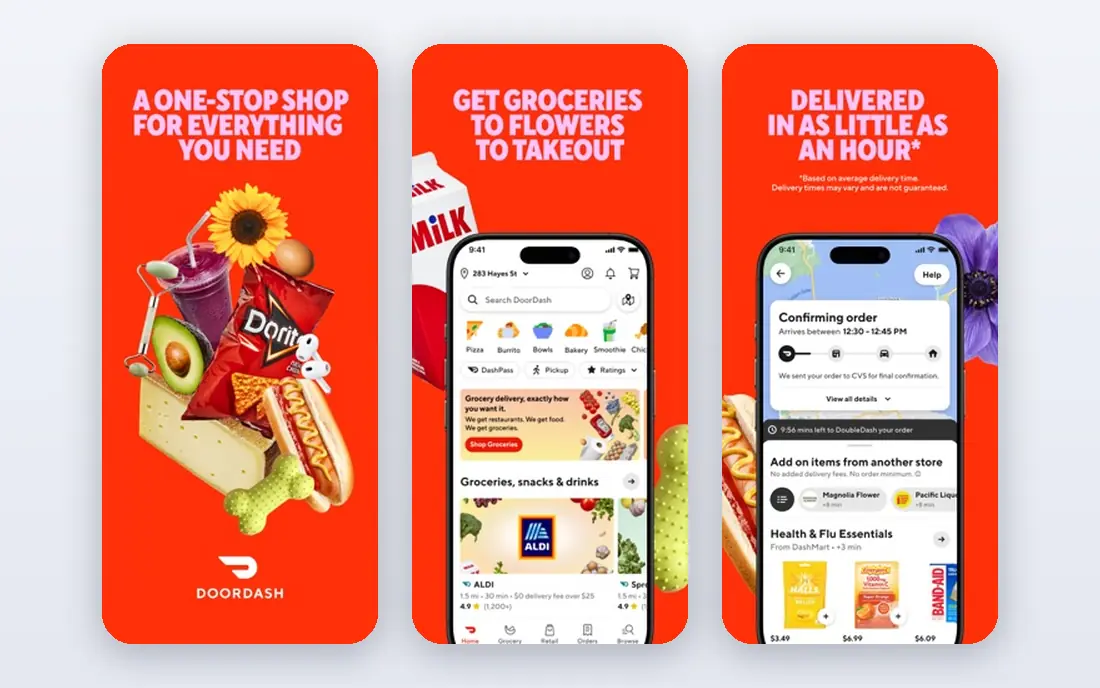
DoorDash is the largest food delivery platform in the US by order volume, which means Dashers in busy areas rarely wait long for an offer. You can see a guaranteed base pay range before accepting, keep 100 percent of tips, and work in blocks or on demand depending on your market. Delivery by car, bike or scooter is available in some cities.
The catch is pay per order. Published base pay ranges from about $2 to $10 or more per offer, plus tips and peak pay in some markets, so slow periods and low tip orders can drag an hour down. DoorDash suits people who can work peak meal times and who track costs carefully, because fuel and vehicle wear come out of your earnings.
- High order volume in many cities
- See pay before accepting
- Flexible scheduling
- Base pay per offer can be low
- Earnings depend heavily on tips and peak hours
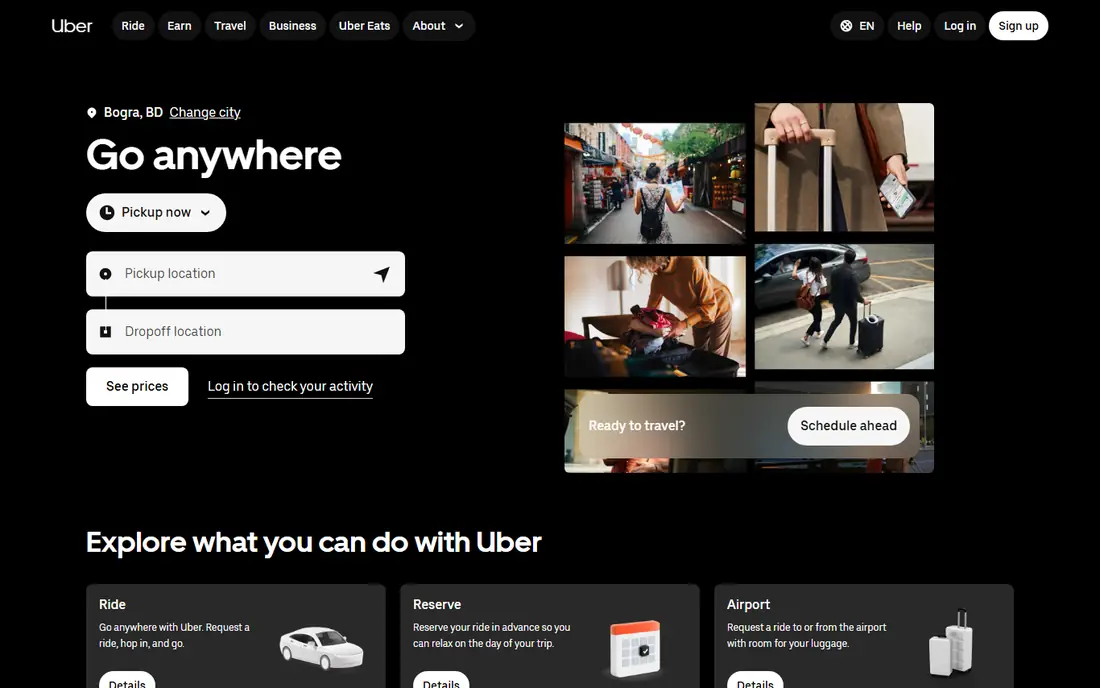
Uber remains the best known rideshare app, with rider demand across most US cities and a familiar driver app for trips, earnings and navigation. Drivers set their own hours, can accept or decline trips, and in many markets can cash out earnings early through instant pay options. Surge pricing can lift pay during events, bad weather and rush hour.
Uber requires a valid licence, an eligible vehicle and a background check, and minimum age and vehicle rules vary by city and state. Passenger driving also means more interaction and more miles than a delivery shift of the same length. It suits drivers who enjoy meeting people and who can work the busiest hours in their city.
- Large rider demand
- Surge pricing at peak times
- Instant pay options in many markets
- Vehicle and age rules vary by city
- Passenger work carries more wear and interaction than delivery
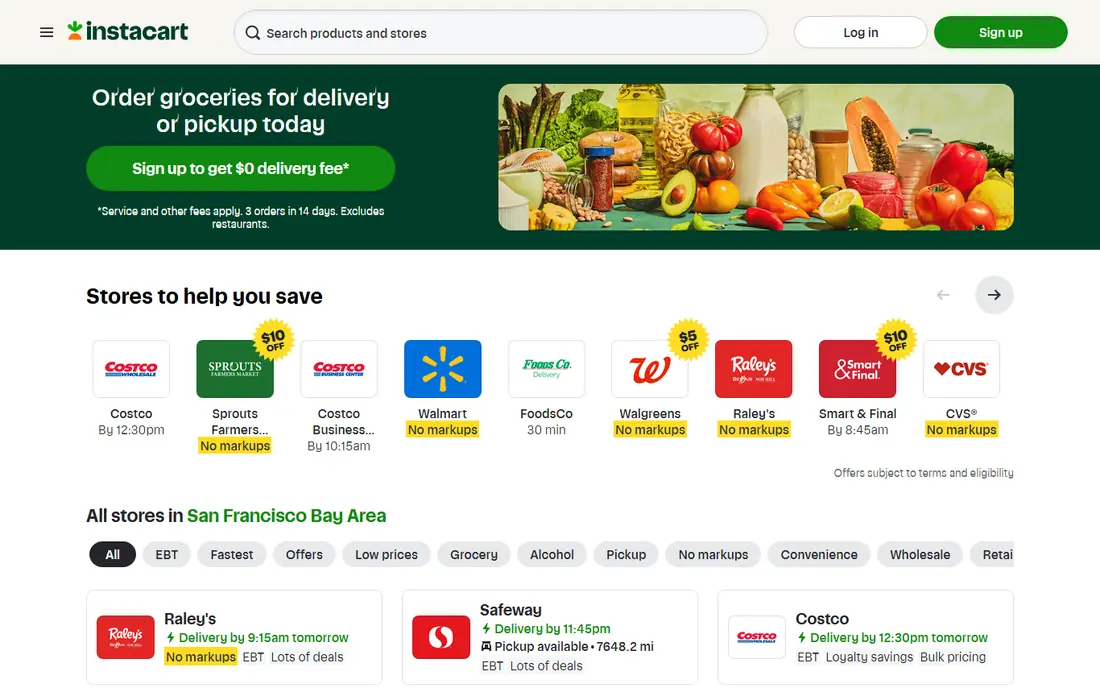
Instacart offers two main roles. Full-service shoppers shop and deliver, while in-store shoppers shop only. Full-service shoppers see batch details before accepting, including an estimated pay range and tips, and can choose batches that fit their speed and vehicle. That transparency helps experienced shoppers avoid low value batches.
The work is physical and time sensitive. A large batch in a busy store can take longer than expected, and pay is tied to the batch, not to the hour. Shoppers need a smartphone, a background check and, for full-service work, a reliable vehicle. It suits people who shop efficiently and who prefer grocery work to driving strangers or delivering restaurant food.
- Two shopper roles
- Batch pay shown before accepting
- Good for people who like grocery work
- Pay depends on batch size and store speed
- Full-service shoppers carry vehicle costs
TaskRabbit connects local workers, called Taskers, with people who need help with furniture assembly, moving, cleaning, mounting, yard work and similar tasks. Taskers set their rates, choose categories and set availability, which gives more control over pricing than a delivery app where pay is set per offer. Clients book a task, and the Tasker confirms details before the job.
Demand varies by city and season, and some categories need tools, transport or skills that not every Tasker has. Ratings and completed jobs matter for future bookings, so reliability and clear communication pay off. TaskRabbit suits people who like hands-on work and who can manage their own schedule and client messages.
- Set your own rates and categories
- Varied local work
- Direct client contact
- Work depends on local demand
- You supply tools for many tasks
Upwork is a marketplace for skilled freelance work, including writing, design, development, marketing, admin and consulting. Freelancers create a profile, propose on jobs or respond to invitations, and can work hourly with time tracking or on fixed price contracts with escrow. That structure suits professionals who want longer projects and repeat clients.
The platform charges service fees on earnings, and the rate depends on lifetime billings with a client, so new freelancers should read the fee schedule before pricing a job. Competition is strong, and early proposals need a clear portfolio and a specific pitch. Upwork suits people with a marketable skill who can invest time in proposals and client relationships.
- Large client base for skilled work
- Hourly and fixed price jobs
- Escrow on fixed price work
- Service fees apply
- New freelancers face strong competition for early jobs
Fiverr flips the Upwork model. Instead of proposing on client jobs, freelancers list defined services, called gigs, with clear deliverables, timelines and prices. Buyers browse and order, which suits repeatable work such as logo design, voiceover, video editing, writing or social media graphics. Sellers can offer tiers, extras and faster delivery for a higher price.
Fiverr charges a service fee on each order, and earnings clear after a holding period that shortens for top rated sellers. That means cash flow is slower than instant pay delivery apps. Success depends on a clear gig page, strong samples and consistent delivery. Fiverr suits freelancers who can package a skill into a repeatable offer.
- Sell defined service packages
- Set your own prices
- Good for repeatable creative work
- Platform fees and clearance times apply
- Standing out requires strong gig pages and reviews
Rover connects pet owners with sitters and walkers for boarding, house sitting, drop-in visits and dog walking. Sitters set rates, choose services, set availability and can limit bookings to certain pet sizes or breeds. Repeat clients are common, and a strong profile with reviews can turn occasional walks into regular income.
Rover requires a background check for sitters in the US and charges a service fee on bookings, so read the current fee terms before setting rates. Work is seasonal in many areas, with peaks around holidays and summer travel. Rover suits animal lovers who can commit to reliable care, clear updates to owners and safe handling of pets in their home or yours.
- Set your own rates and services
- Repeat clients build steady work
- Pet focused community
- Background check and profile approval needed
- Income depends on local pet owner demand
Amazon Flex lets drivers deliver packages for Amazon in scheduled blocks. You choose a block, see the pay for that block before accepting, and deliver packages from a station or store to customers. There are no passengers, and the work is more predictable than on-demand food delivery, because a block has a set length and a set pay range.
Drivers need to be at least 21, have a valid licence and an eligible vehicle, typically a four-door mid-size sedan or larger. Amazon Flex publishes that most drivers earn up to $18 to $25 an hour including tips where tips apply, but actual pay depends on block availability and your area. It suits drivers who prefer a planned shift to waiting for individual offers.
- Scheduled delivery blocks
- Block pay shown before accepting
- No passengers
- Minimum age 21 and vehicle rules apply
- Blocks depend on station demand
How we picked these
We compared official app and driver pages, pay explanations and public earnings reporting, and we kept only apps that exist and work in the US in October 2026 and truly let people earn through gig work. We favoured a mix of driving, delivery, shopping, local tasks, pet care and freelance work, because those are different jobs, not interchangeable versions of one job. We did not claim hands-on testing, and we did not present third party hourly estimates as guaranteed pay.
How to choose a gig app
Start with your constraints, not with the highest hourly claim you saw online. Your vehicle, your city, your available hours and your tolerance for passenger interaction will narrow the list faster than any ranking. A bike courier in a dense city, a driver with a large car in a suburb and a designer working from home need different apps.
Count costs before you count pay
Track fuel, vehicle wear, insurance, phone data and taxes for a few weeks, because gross pay before costs can mislead. Delivery and rideshare drivers in particular should separate tips from base pay and note how many unpaid miles go into each job. Freelancers should separate platform fees and unpaid proposal time from billed time.
Test one app well before adding a second
Work peak hours, learn which orders or jobs are worth accepting, and build a rating before you spread yourself across many apps. A strong rating and a clear sense of good batches or good clients is worth more than a second app with no history. Once one app is steady, a second app can fill slow periods without hurting your rating on the first.
Protect your schedule and safety
Set hours that you can sustain, keep client communication inside the app where possible, and check safety features such as trip sharing, emergency help and support contacts before your first job. For pet and home work, confirm insurance terms and what happens if a job is cancelled. For driving work, keep your licence, insurance and vehicle checks current.
Frequently asked questions
What is the best gig app for beginners?
DoorDash or Instacart is often the easiest start, because sign-up is straightforward, work is frequent in many cities and you can learn the app on short tasks. TaskRabbit and Rover need a stronger profile and local demand, while Upwork and Fiverr need a portfolio and proposal time before steady work arrives.
How much can you earn with gig apps?
Earnings vary by market, hours, tips, ratings and costs, and no app guarantees a set income. Driving and delivery pay is often discussed in the $15 to $25 per hour range before costs in many reports, while skilled freelance rates vary far more by skill and experience. Track your own net pay after costs for a month to get a real figure for your area.
Do gig apps pay the same day?
Many driving and delivery apps offer instant cash out options, sometimes for a small fee, while freelance platforms hold earnings for a clearance period after delivery. Check the payout terms for each app, because instant pay, weekly pay and clearance holds change cash flow even when gross pay looks similar.
Do I need a car to do gig work?
Not always. Some delivery work allows bikes or scooters in certain cities, TaskRabbit and Rover work can be local, and Upwork and Fiverr need only a computer and internet. Driving, Amazon Flex and full-service Instacart work do need an eligible vehicle, so check vehicle rules for your city before signing up.
Are gig workers employees or independent contractors?
In most US gig apps, workers are independent contractors, which means you handle your own taxes, insurance and expenses and you do not receive employee benefits from the app. Rules vary by state and by app, and some cities have specific pay or benefit rules, so check the terms for your location.
Which gig app is best for skilled work?
Upwork suits longer projects and hourly work, while Fiverr suits packaged services with clear deliverables. Choose Upwork if you want to propose on client briefs, and Fiverr if you want buyers to order a defined service from your page. Many skilled freelancers use both over time.
Sources
See where you really rank - block by block
ProMapRanker scans Google Maps across a grid of your service area. Simple monthly plans from $19, white-label on every plan.
Start freeKeep reading
 free alternatives to grok imagine
Free Alternatives to Grok Imagine in 2026
We compared the best free alternatives to grok imagine for image generation, from fast daily credits to design tools, so you can create without paying.
Read → best tools for instagram content creation
Best Tools for Instagram Content Creation in 2026
Compare the best tools for Instagram content creation, from Canva and CapCut to Later and Buffer, on design, video, planning, scheduling, and price in 2026.
Read → best tool to split pdf files
Best Tool to Split PDF Files in 2026
We compared the best tool to split pdf files on split modes, file limits, privacy and price, so you can split a PDF cleanly and keep every page in one go.
Read →