 ProMapRanker
Best Free Newsletter Platforms in 2026


Writers starting free with paid subscriptions · Pricing starts at: Free
Key takeaways
- Substack and Kit are the most generous free starting points, with Substack free at any list size and Kit free to a high subscriber limit.
- Beehiiv suits newsletter businesses, while MailerLite suits simple small business sending.
- Free limits differ on subscribers, daily sends, and monthly sends, so read the limit that matches your sending pattern.
- The best newsletter software for you depends on whether you plan to sell, grow fast, or simply send a regular update.
Quick comparison
| Pick | Great for | Pricing starts at | Free tier | |
|---|---|---|---|---|
| Substack | Writers starting free with paid subscriptions | Free | Yes | Visit |
 Beehiiv | Newsletter growth and monetisation | Free | Yes | Visit |
 Mailchimp | Small business email and marketing | Free | Yes | Visit |
 Kit | Creators selling products and subscriptions | Free | Yes | Visit |
 MailerLite | Simple newsletters for small teams | Free | Yes | Visit |
 Buttondown | Minimal newsletters and developers | Free | Yes | Visit |
 Ghost | Publications with memberships and newsletters | See website | No | Visit |
 Brevo | Budget newsletters plus SMS and CRM | Free | Yes | Visit |
The best Free Newsletter Platforms
We compared official feature pages, pricing pages, app store listings, and public reviews to build this list. The eight options below cover different budgets and needs, so start with the best-for note and then read the details that match your situation.
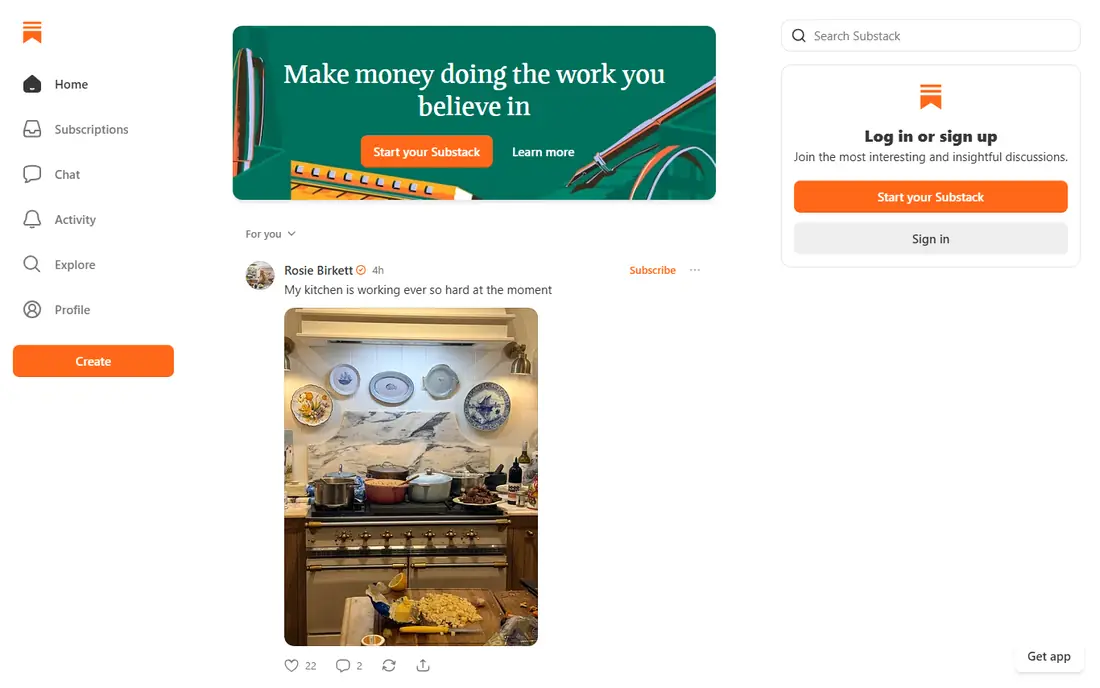
Substack suits writers starting free with paid subscriptions. It lets a writer publish posts and emails, grow through recommendations, and charge readers without a monthly plan. The product pages describe a focused set of tools rather than a long list of extras, and that focus helps a new user get started without a long setup period. Before you choose it, weigh this limit: Writers who want full brand control may prefer a hosted newsletter tool. We suggest you test it with a small real task, confirm that it fits your current workflow, and check what happens when you need to cancel or move your data elsewhere.
- No monthly fee at any list size
- Built-in reader discovery
- Paid subscriptions
- Platform takes a share of paid revenue
- Design control is limited
Beehiiv works well for newsletter growth and monetisation. It is built for newsletters as a business, with audience growth, referrals, and paid tiers in one place. Its pricing and feature pages point to steady, everyday use, and the free or trial option gives you room to check the fit before you commit. A fair caution is this: Small lists that only need simple sending may find it more than they need. Shortlist it if that trade-off fits your budget and your team size, and keep a second option in mind if your needs grow quickly in the next year.
- Free up to a subscriber limit
- Referral tools
- Monetisation options
- Paid plans are higher than some rivals
- Growth tools need setup
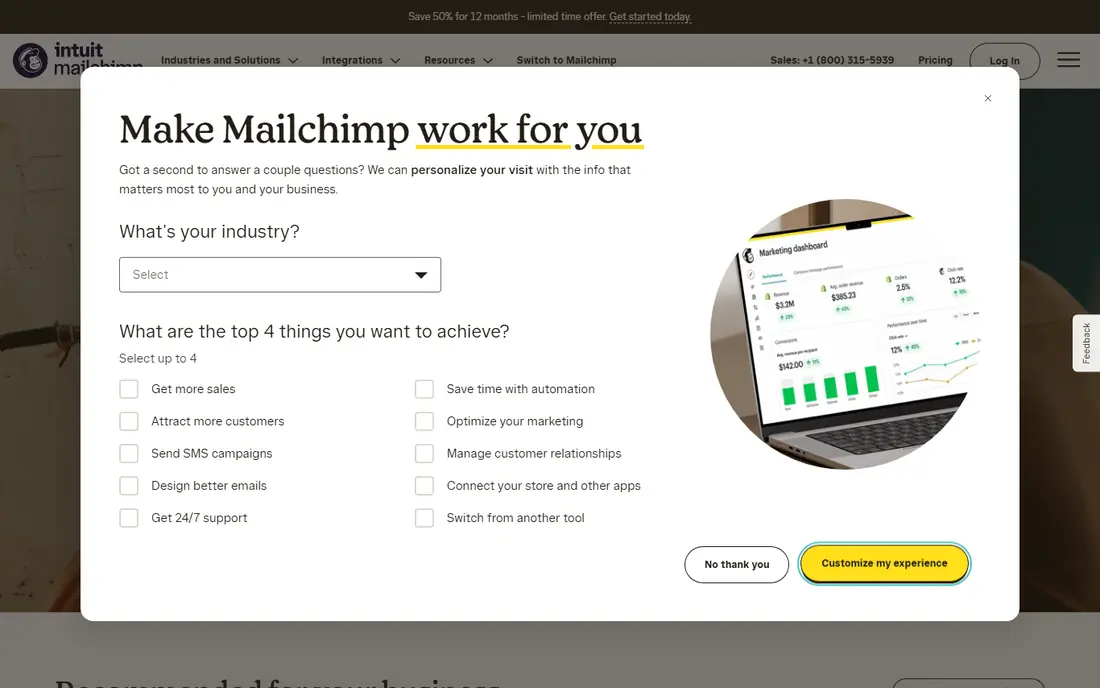
Mailchimp is a practical choice for small business email and marketing. It covers newsletters, landing pages, and basic automation for small businesses. We found its official pages clear about what is included at each tier, which makes it easier to compare the real monthly cost with the value you expect to get. The main limit to weigh is this: Lists that grow fast should watch tier prices closely. Check the plan limits, the export options, and the support route before you move important work into the tool, since those details matter more over time than a first-week impression.
- Long-running platform
- Templates
- Audience tools
- Free plan limits contacts and sends
- Price rises with list size
Kit suits creators selling products and subscriptions. It helps creators collect subscribers, send sequences, and sell products or paid newsletters. The product pages describe a focused set of tools rather than a long list of extras, and that focus helps a new user get started without a long setup period. Before you choose it, weigh this limit: Teams that need deep design control may want another editor. We suggest you test it with a small real task, confirm that it fits your current workflow, and check what happens when you need to cancel or move your data elsewhere.
- Generous free subscriber limit
- Creator commerce
- Automation
- Paid plans rise with subscribers
- Design is simpler than some rivals
MailerLite works well for simple newsletters for small teams. It gives small teams a clean editor, subscriber forms, and campaign reports without a steep learning curve. Its pricing and feature pages point to steady, everyday use, and the free or trial option gives you room to check the fit before you commit. A fair caution is this: Larger lists and complex automation may need a bigger platform. Shortlist it if that trade-off fits your budget and your team size, and keep a second option in mind if your needs grow quickly in the next year.
- Simple editor
- Automation basics
- Landing pages
- Free plan limits subscribers and sends
- Advanced features need paid plans
Buttondown is a practical choice for minimal newsletters and developers. It suits writers who want a simple, text-first newsletter with API access. We found its official pages clear about what is included at each tier, which makes it easier to compare the real monthly cost with the value you expect to get. The main limit to weigh is this: Publishers who need rich templates should look elsewhere. Check the plan limits, the export options, and the support route before you move important work into the tool, since those details matter more over time than a first-week impression.
- Markdown writing
- Simple API
- Clean sending
- Design options are minimal
- Growth tools are lighter
Ghost suits publications with memberships and newsletters. It combines a website, memberships, and newsletters, so readers can join and pay in one place. The product pages describe a focused set of tools rather than a long list of extras, and that focus helps a new user get started without a long setup period. Before you choose it, weigh this limit: Writers who only need email may find the full site more than they need. We suggest you test it with a small real task, confirm that it fits your current workflow, and check what happens when you need to cancel or move your data elsewhere.
- Full publication site
- Memberships
- Newsletter sending
- Hosted plans are paid
- Self-hosting needs technical care
Brevo works well for budget newsletters plus SMS and CRM. It covers email, SMS, and contacts for small businesses that want more than email alone. Its pricing and feature pages point to steady, everyday use, and the free or trial option gives you room to check the fit before you commit. A fair caution is this: Senders with large one-day campaigns should check daily limits. Shortlist it if that trade-off fits your budget and your team size, and keep a second option in mind if your needs grow quickly in the next year.
- Free daily send allowance
- SMS options
- Contact tools
- Free plan limits daily sends
- Pricing is based on email volume
How we picked these
We started with the main keyword and the related terms readers use for this topic, then we checked vendor feature pages, pricing pages, app store listings, privacy pages, and public reviews for each candidate. We kept only products that exist and work today, that fit the topic directly, and that publish enough detail for a reader to judge cost and limits. We removed products with unclear pricing, a discontinued product, or a fit that was too narrow for most readers. We did not claim hands-on testing, lab testing, or daily use. Our findings come from published vendor material and public review sources, and prices can change, so we point you to the vendor page for the final figure. Where a price was not clear on the vendor page at the time of research, we wrote See website rather than guessing a number.
How to choose a free newsletter platform
Start with your goal. Writers who want paid subscriptions should compare Substack, Beehiiv, Kit, and Ghost. Small businesses that send updates and offers should compare Mailchimp, MailerLite, and Brevo. Minimal writers should look at Buttondown first.
Read the free limit that applies to you
Some free plans limit subscribers, some limit daily sends, and some limit monthly sends. A plan that looks generous on subscribers can still block a large launch email. Check the exact limit, then test a send at your normal list size.
Check monetisation and ownership early
Confirm revenue shares, payment fees, export options, and whether you can move your list as a CSV file. A platform that is free today can become costly once paid revenue grows, so ownership of your list matters from day one.
Test signup, sending, and reading on mobile
Send a test issue to yourself, open it on a phone, and check links, images, and unsubscribe options. A newsletter that is hard to read or hard to join will lose readers no matter how good the writing is.
Frequently asked questions
What are the best newsletter platforms for small business?
MailerLite and Mailchimp are strong for small business newsletters, with simple editors and landing pages. Brevo is a good budget option if you also want SMS. Pick the one whose free limit fits your list and sending pattern.
What is the best newsletter software for writers?
Substack is the simplest free start for writers, with paid subscriptions and reader discovery built in. Beehiiv suits writers building a newsletter business, and Ghost suits writers who want a full publication site with memberships.
Which software is best for newsletters with a large free list?
Kit offers a generous free subscriber limit for creators, and Substack has no monthly fee at any list size, though it takes a share of paid revenue. Compare revenue share against paid plan cost at your expected paid income.
What is the best platform for newsletters that need automation?
Kit, Mailchimp, and MailerLite all offer automation for welcome sequences and simple journeys. Buttondown is simpler and suits minimal needs. Test one automation end to end before you move a whole list.
What are the best newsletter apps for starting free?
Substack, Beehiiv, Kit, MailerLite, Buttondown, and Brevo all offer free starting points. Start with the goal, check the free limit, and confirm you can export your subscribers before you grow.
Sources
See where you really rank - block by block
ProMapRanker scans Google Maps across a grid of your service area. Simple monthly plans from $19, white-label on every plan.
Start freeKeep reading
 zoom alternatives
Best Zoom Alternatives in 2026
Compare Zoom alternatives in 2026, with free meeting limits and prices, so you can pick the best alternative to Zoom for your team, class, or community.
Read → which software is best for remote work
Which Software Is Best for Remote Work in 2026
Answering which software is best for remote work, we compare Slack, Zoom, Asana, Notion, Teams and more, with pricing and honest tradeoffs in 2026 now.
Read → which ai tool is best for content writing
Which AI Tool Is Best for Content Writing in 2026
Wondering which ai tool is best for content writing? We compare ChatGPT, Claude, Jasper, Grammarly, and more on price, quality, and best use in 2026 now.
Read →