 ProMapRanker
Best Fintech Companies for Business Banking in 2026

Key takeaways
- Most fintech business banking platforms offer a $0 base plan, so the real comparison is sub-accounts, card controls, wire fees, cash handling, and paid tier features.
- Mercury suits early-stage startups, Relay suits businesses that need many separate checking accounts, and Bluevine suits businesses that want sub-accounts with their own numbers.
- Fintech banking partners are usually banks that hold deposits, so check which partner bank holds funds and what FDIC coverage the platform states.
- This article is general information only and is not financial advice. Fees, yields, and eligibility change, so confirm terms on the provider site before opening an account.
- Cash-heavy businesses should check cash deposit options early, since several fintech platforms do not support cash deposits at all.
Quick comparison
| Pick | Great for | Pricing starts at | Free tier | |
|---|---|---|---|---|
 Mercury | Early-stage startups | $0 per month | Yes | Visit |
 Brex | Funded startups and spend control | $0 per month | Yes | Visit |
 Relay | Many checking accounts | $0 per month | Yes | Visit |
 Bluevine | Sub-accounts and interest | $0 per month | Yes | Visit |
 Novo | Small businesses with budgeting buckets | $0 per month | Yes | Visit |
 Rho | Incorporated businesses with cards and bill pay | $0 per month | Yes | Visit |
 Ramp | Spend management and cards | $0 per month | Yes | Visit |
 Found | Bookkeeping and taxes in the account | $0 per month | Yes | Visit |
 Wise Business | Multi-currency balances | See website | No | Visit |
The best fintech companies for business banking
Fintech business banking is not one product. Some platforms are checking accounts with budgeting tools, others are spend platforms with cards and bill pay, and others are multi-currency accounts. The list below separates those models so a business can pick by its actual money flow.

Mercury is the startup default in many recent comparisons. The base plan costs $0 per month, with Plus at $29.90 per month on annual billing or $35 per month monthly, and Pro at $299 per month on annual billing or $350 per month monthly in recent listings. Checking, Treasury, and sub-accounts sit in one dashboard, with an API and integrations that suit tech-forward teams. Recent comparisons also note $0 ACH, domestic wires, and USD international wires on every plan, though non-USD international wires carry a 1 percent conversion fee in some listings.
The limitation is cash. Mercury does not support cash deposits, so a cash-heavy retail or service business should look elsewhere. FDIC coverage is stated up to $5 million in some listings through sweep arrangements, which is a useful detail to confirm on the current site. For a digital-first startup that pays vendors by ACH and wire, Mercury is the cleanest $0 starting point.
- $0 base plan
- $0 ACH, domestic wires, and USD international wires on every plan in recent comparisons
- Treasury and sub-accounts
- Cash deposits are not supported
- Paid Plus and Pro tiers add cost for advanced workflows
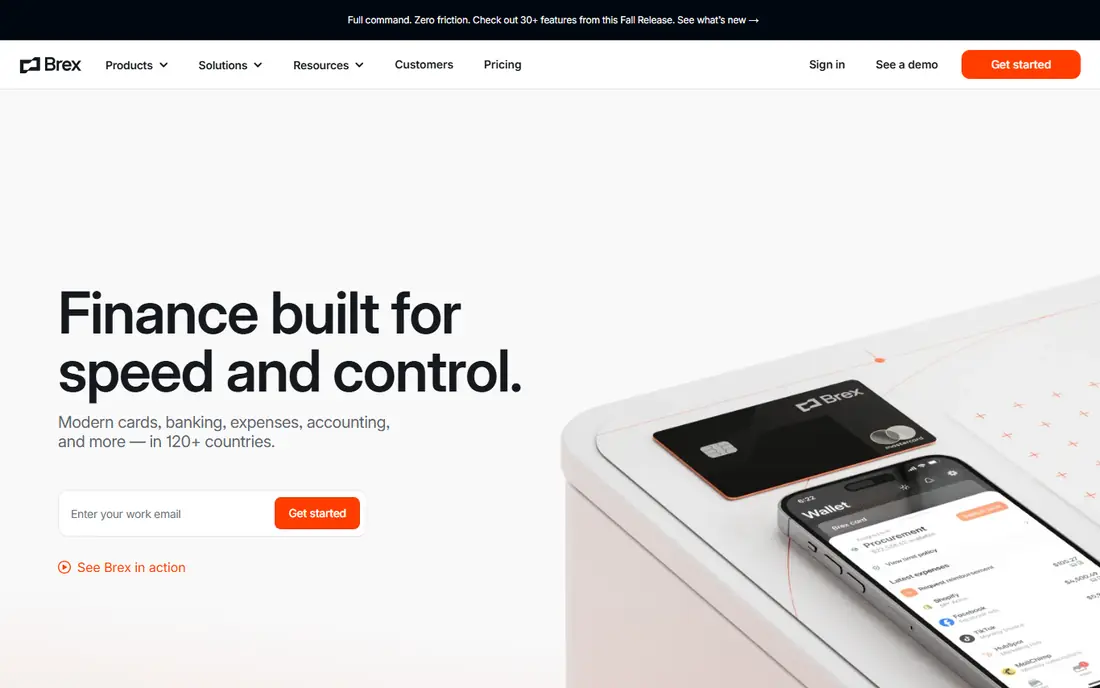
Brex combines a business account with corporate cards and spend management, which suits funded startups that need to control team spending from day one. Essentials costs $0 per user per month, while Premium costs $12 per user per month and adds advanced software features. Free unlimited same-day ACH payments are noted in recent comparisons, which helps payroll and vendor timing.
The catch is eligibility. Approval and monthly card requirements still apply, so the $0 plan price is not a universal eligibility promise. Brex also fits funded teams better than bootstrapped solo owners, since its card and spend tools assume regular card volume. For a startup that wants cards, controls, and a business account in one platform, Brex is a strong fit.
- Essentials at $0 per user per month
- Corporate cards with spend controls
- Free unlimited same-day ACH in recent comparisons
- Approval and monthly card requirements still apply
- Premium costs $12 per user per month

Relay is the budgeting platform. Starter costs $0 per month and includes 20 checking accounts per business, Grow costs $30 per month, and Scale costs $120 per month at list price with 50 checking accounts. That published account count is unique in this list and makes Relay the clear pick for Profit First budgeting, tax set-asides, and separate accounts for payroll, operations, and reserves.
The trade-off is wire and feature cost. Domestic wire fees vary by plan, reported at $8, $5, and $5 across tiers in some comparisons, and paid tiers buy additional features rather than just a new label. Cash deposits are possible through AllPoint at $0 and Green Dot up to $4.95 in some listings. For a business that thinks in separate pots of money, Relay is hard to beat.
- 20 checking accounts on Starter and Grow, 50 on Scale
- $0 Starter plan
- QuickBooks and Xero integrations
- Paid tiers cost $30 per month for Grow and $120 per month for Scale at list price
- Wire fees vary by plan
Bluevine offers business checking with built-in sub-accounts, and its Standard plan costs $0 per month, with Plus at $30 per month and Premier at $95 per month, both waivable under combined balance and spend conditions in recent listings. Sub-account counts run up to 5, 10, and 50 by plan, and each sub-account can carry its own account number, which helps vendors pay into a specific bucket. Interest on checking balances is also noted in some comparisons, with rates that change over time.
The catch is waiver complexity. Plus and Premier fees are waivable only when balance and debit card spend conditions are met, so a business that misses those conditions pays the full tier price. Cash deposits are available through Green Dot at $4.95 and AllPoint at $1 plus 0.5 percent in some listings. For a business that wants numbered sub-accounts and possible interest, Bluevine is a strong choice.
- Standard at $0 per month
- Sub-accounts with their own account numbers
- Line of credit options
- Plus and Premier tiers cost $30 and $95 per month unless waived
- Wire fees vary by plan
Novo offers business checking with no monthly service charge and no minimum balance, plus Reserves, which are in-account budgeting buckets rather than full sub-accounts. That distinction matters: Reserves help a small business set money aside for taxes or expenses, but they do not give each bucket its own account number like Bluevine or Relay. Integrations with accounting and invoicing tools are extensive, which suits small teams that already use those apps.
The limitations are cash and wire costs. Novo does not support cash deposits, and express ACH and outgoing wires can cost extra, with a $1,000 recommended initial deposit that is not a required minimum. For a solo founder or small independent business that wants a simple $0 account with budgeting buckets, Novo is an easy, low-friction pick.
- No monthly fee and no minimum balance
- Reserves budgeting buckets
- Extensive integrations
- Cash deposits are not supported
- Express ACH and outgoing wires can cost extra
Rho combines business checking, corporate cards, expense management, and bill pay in one platform, with no monthly, per-user, or minimum-balance fees across banking, cards, expense management, and bill pay in recent listings. That all-in-one structure suits incorporated startups and growing companies that want to stop stitching separate card, expense, and bill tools together. Mobile check deposit and online-first cash handling fit digital teams well.
The fit is narrower for sole proprietors. Rho is built mainly for incorporated businesses, so a freelancer or sole prop may find Found or Novo a better match. For an incorporated team that wants cards, approvals, and bill pay next to checking, Rho offers one of the cleanest $0 platforms in this list.
- No monthly, per-user, or minimum-balance fees
- Checking, corporate cards, expense management, and bill pay in one platform
- $0 domestic ACH and wires in recent comparisons
- Built mainly for incorporated businesses
- Cash handling is online-first
Ramp is a spend platform first and a banking platform second. Its free plan covers cards and spend controls per user, with Plus and Enterprise tiers adding deeper controls and a platform fee in some listings. Checking is integrated with the card and spend platform, so approvals, receipts, and accounting sync sit next to the money movement, which reduces month-end reconciliation work.
The trade-off is focus. A business that only needs a checking account may find Ramp more tool than it needs, while a business that lives on card spending will get the most value. Ramp suits teams that want tight card controls, real-time spend visibility, and accounting automation, with banking as a supporting piece rather than the main product.
- Free plan per user
- Corporate cards with spend controls
- Checking integrated with card and spend platform
- Plus plan costs per user per month plus a platform fee in some listings
- Banking is secondary to spend tools
Found is built for freelancers and sole proprietors who want bookkeeping and taxes inside the bank account. The base plan costs $0 per month, with Plus at $35 per month and Pro at $80 per month, and it includes built-in bookkeeping, tax tools, and unlimited free invoicing. Tax set-asides and expense categorization help self-employed owners avoid the year-end scramble for receipts and estimates.
The limitation is business type. Found is designed for sole props and freelancers, not for larger incorporated teams with complex payroll and multi-user approvals. Cash deposits cost $2.00 per deposit in some listings, and wire fees are $15 on the base plan and $10 on Pro. For a solo owner who wants taxes handled in the account, Found is the most purpose-built choice here.
- Built-in bookkeeping and tax tools
- Unlimited free invoicing
- No monthly account maintenance fees on the base plan
- Built mainly for freelancers and sole props
- Plus and Pro tiers cost $35 and $80 per month
Wise Business is structurally different from the other platforms here. It offers multi-currency balances that let a business hold, send, and receive money in many currencies, with per-transfer and conversion fees published rather than a monthly plan. That model suits businesses with international clients, suppliers, or contractors who pay in different currencies and want to avoid repeated conversion losses.
The trade-off is that Wise is not a like-for-like US business checking account. Sub-account logic, card controls, and bill pay differ from Relay, Rho, or Mercury, and fees are per transfer rather than monthly. For a US business with regular international money movement, Wise is a valuable companion account, often used alongside a primary US fintech checking account rather than replacing it.
- Multi-currency balances for international business
- Transparent per-transfer conversion fees
- No monthly account fee stated in some listings
- Structurally different from US checking
- Wire fees from $1.13 to send and $6.11 to receive in some listings
How we picked these
We compared recent business banking comparisons that pulled figures directly from provider websites in October 2026, plus official product pages for Mercury, Brex, Relay, Bluevine, Novo, Rho, Ramp, Found, and Wise. We favored platforms with a $0 base plan, current US availability, and a distinct strength in sub-accounts, cards, bookkeeping, or multi-currency handling. We used See website where fees varied by plan or were per transfer. We did not claim hands-on testing, and we framed this guide as a comparison based on publicly reported factors, not a verified ranking.
What to check before you open a fintech business account
Start with the partner bank and coverage. Most fintech platforms partner with a bank that actually holds deposits, so confirm which bank holds your funds and what FDIC coverage the platform states, since stated coverage ranges from $250,000 to several million through sweep arrangements in this list. Read the deposit agreement, not just the marketing page, for coverage details.
Next, check money movement costs. Compare ACH timing, wire fees, international conversion fees, cash deposit options, and check deposit limits. A $0 monthly fee can still cost real money if wires, express ACH, or cash deposits carry fees that match your volume. Also check card controls, user permissions, and accounting integrations, since those decide daily usability more than the headline fee.
Then check eligibility and limits. Some platforms serve only incorporated businesses, others serve sole props, and some require funding or card volume for approval. Confirm account opening time, required documents, and transaction limits before moving payroll or client payments over. Finally, keep a backup: a second account at a different provider protects payroll if one platform pauses onboarding or changes terms.
Frequently asked questions
What is the best fintech company for business banking?
Mercury is the best $0 starting point for early-stage startups, Relay is best for many separate checking accounts, and Rho is best for incorporated teams that want cards, expense management, and bill pay together. Bluevine suits sub-accounts with their own numbers, while Found suits freelancers who want bookkeeping and taxes in the account.
Is fintech business banking safe?
Fintech platforms usually partner with banks that hold deposits, and those deposits carry FDIC coverage up to stated limits, which vary by platform and sweep arrangement. Check the partner bank, the stated coverage, and the deposit agreement before opening, and keep records of your balances. No fintech platform in this guide promises a return or yield as a guarantee.
Do fintech business accounts have monthly fees?
Most platforms in this guide offer a $0 base plan, including Mercury, Brex Essentials, Relay Starter, Bluevine Standard, Novo, Rho, Ramp, and Found. Paid tiers add features such as more sub-accounts, advanced spend controls, or bookkeeping depth, with prices from $12 per user per month for Brex Premium to $120 per month for Relay Scale at list price.
Can a fintech account handle cash deposits?
Some can, and some cannot. Relay and Bluevine support cash deposits through retail networks with fees, while Mercury and Novo do not support cash deposits. If your business takes cash regularly, confirm deposit locations, fees, and limits before choosing a platform, since this is a common deal-breaker.
Which fintech is best for freelancers?
Found is built for freelancers and sole proprietors, with bookkeeping, tax tools, and invoicing inside the account. Novo also suits solo founders with a $0 account and budgeting buckets. Larger incorporated teams should shortlist Mercury, Rho, or Brex instead, since Found is designed for smaller, single-owner businesses.
Should I use a fintech account instead of a traditional bank?
A fintech account suits digital-first businesses that value $0 base plans, sub-accounts, cards, and integrations, while a traditional bank suits cash-heavy businesses and those that need branches, in-person service, and SBA lending. Many businesses use both: a fintech account for daily operations and a traditional bank for cash, credit, and branch needs.
Sources
See where you really rank - block by block
ProMapRanker scans Google Maps across a grid of your service area. Simple monthly plans from $19, white-label on every plan.
Start freeKeep reading
 wpforms alternatives
Best WPForms Alternatives in 2026
We compare 9 wpforms alternatives for WordPress forms, with free and paid options, current pricing notes, and honest limits for small business sites in 2026.
Read → windows task scheduler alternatives
Best Windows Task Scheduler Alternatives in 2026
Looking for Windows Task Scheduler alternatives? We compare 9 schedulers for Windows and cross-platform work, from free tools to enterprise automation.
Read → which ai video service is best
Which AI Video Service Is Best in 2026
which ai video service is best? We compare 10 legitimate AI video services on price, avatars, editing and output quality to help you pick the right tool.
Read →