 ProMapRanker
Best Companies to Work for in the US in 2026


Creative and product workers wanting learning and time off · Pricing starts at: See website
Key takeaways
- This list reflects public employer reputation and benefits information, not a verified ranking, and the order below is alphabetical, not a score.
- Large technology employers tend to offer broad learning programs and internal moves, while retail and airline employers offer different strengths, such as frontline benefits and travel perks.
- Benefits vary sharply by role, location and employment type, so a headquarters benefit may not apply to every job at the same company.
- Before applying, check the official careers page for the exact role, work model and benefits that apply to that opening.
Quick comparison
| Pick | Great for | Pricing starts at | Free tier | |
|---|---|---|---|---|
| Adobe | Creative and product workers wanting learning and time off | See website | No | Visit |
 Apple | Product-focused workers wanting hardware and software craft | See website | No | Visit |
 Cisco | Networking and security workers wanting stable career paths | See website | No | Visit |
 Costco | Retail and warehouse workers wanting steady frontline benefits | See website | No | Visit |
 Delta Air Lines | Airline workers wanting travel benefits and operational roles | See website | No | Visit |
 Google | Engineers and product workers wanting broad technical scope | See website | No | Visit |
 Microsoft | Workers wanting cloud, productivity and internal mobility | See website | No | Visit |
 NVIDIA | Technical workers focused on AI hardware and computing | See website | No | Visit |
The best companies to work for in the us
We looked at official careers pages, public benefits descriptions and employer reputation reports for large United States employers. This list reflects public employer reputation and benefits information, not a verified ranking, and no scores are given because pay and benefits depend on role and location.

Adobe suits people who want to work on creative tools and digital experience products used by millions of people. Its careers pages describe learning support, wellness benefits and time off, and its sabbatical tradition is often mentioned in public benefits summaries. For designers, engineers and product staff, the chance to shape tools they may already use is a real draw.
The limits are practical. Competition for popular roles is high, and many jobs follow a hybrid model rather than fully remote work. Applicants should check the work model on the specific posting, since team and location change the day-to-day experience more than the company name does.
- Strong creative product portfolio
- Learning and development programs
- Time-off and wellness benefits described on its careers pages
- Many roles are office or hybrid, not fully remote
- Creative roles are competitive
- Benefits vary by location and role
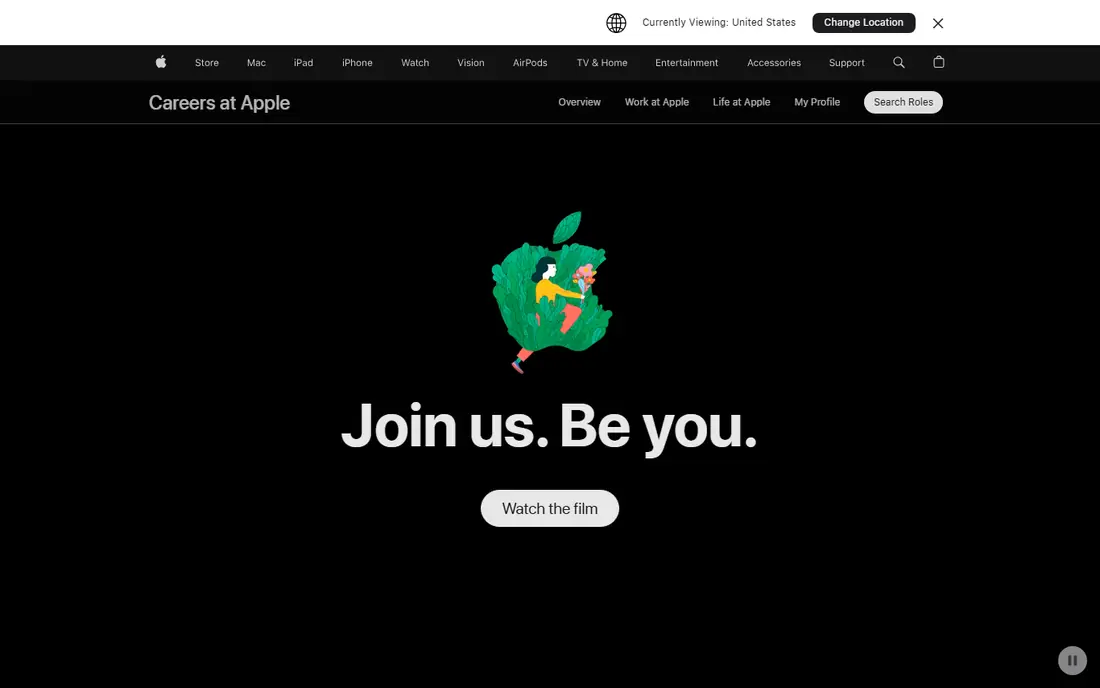
Apple appeals to people who care about the detail of a finished product, from chip design to retail experience. Its careers pages cover corporate, engineering, design and retail roles, and its public benefits summaries include health coverage, stock programs and product discounts. Working across hardware and software in one company is rare at this scale.
The experience is not uniform. A retail specialist, a hardware engineer and a corporate manager work under very different schedules and pressures. Applicants should read the role description closely and ask about team, location and on-site expectations during the process.
- Deep hardware and software integration
- Product craft and design focus
- Employee product discounts
- Many roles are on-site or hybrid
- Secrecy can limit cross-team visibility
- Retail and corporate roles differ greatly
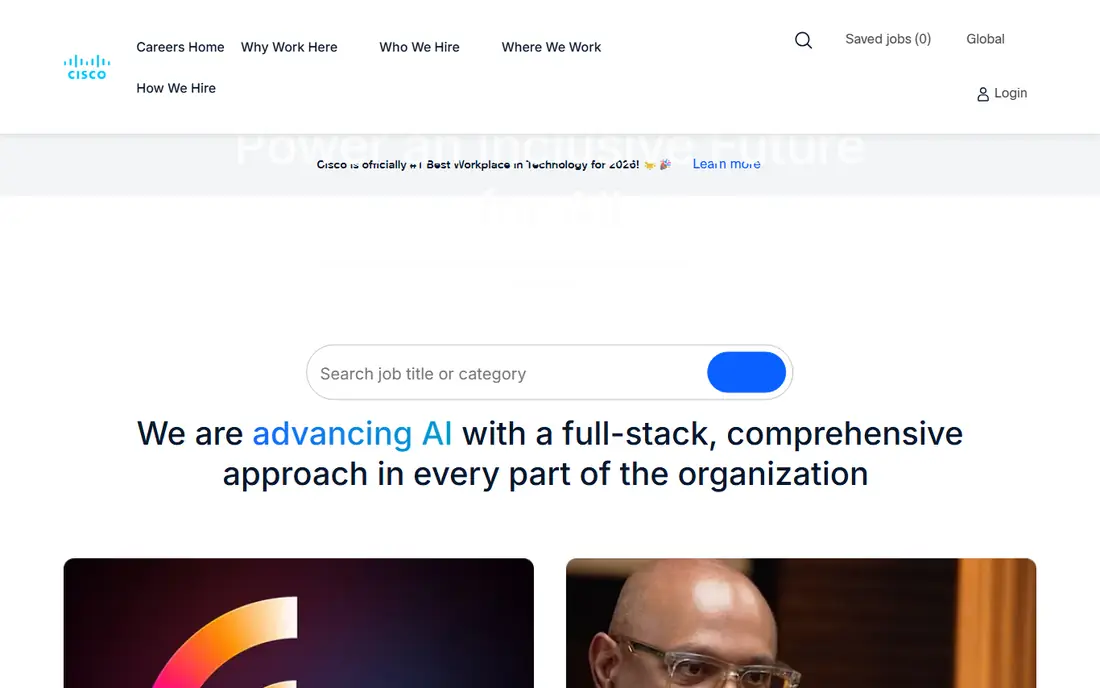
Cisco is a steady choice for people building careers in networking, security and enterprise software. Its scale gives engineers and sales staff room to move between products, and its careers pages describe learning programs and flexible work options that vary by team. For workers who value stability over startup pace, that structure is a plus.
The trade is that a company this large does not feel the same everywhere. One business unit may move quickly while another follows a slower enterprise rhythm. Candidates should ask about the specific team, its customers and its current priorities before judging the whole company by one review.
- Broad networking and security portfolio
- Structured learning paths
- Hybrid and flexible roles in many teams
- Large-company pace can feel slow
- Role experience varies by business unit
- Some roles require on-site or customer work
Costco stands out in this group because it is not a technology company. Its reputation rests on frontline jobs, with public reporting often pointing to benefits and internal promotion for warehouse and store staff. For workers who want a stable retail career with a clear path from the floor to management, that record matters more than office perks.
The work itself is physical and schedule-driven. Shifts, weekends and holidays are part of store and warehouse life, and the experience differs sharply from a corporate role. Applicants should confirm hours, location and benefits for the exact job, since those details drive daily life far more than a company-wide reputation.
- Reputation for frontline pay and benefits relative to retail peers
- Promotion from within is common
- Stable warehouse and store roles
- Physical work and shift schedules
- Weekend and holiday work is common
- Corporate and warehouse roles are very different
Delta Air Lines
Great for: Airline workers wanting travel benefits and operational roles
Delta Air Lines offers a different kind of benefit: travel. Employees in many roles can access standby travel benefits, and the company hires across pilots, cabin crew, airport operations, maintenance and corporate teams. For people who enjoy aviation and do not mind shift work, the operational side offers a clear career structure with training.
Standby travel is not the same as free confirmed tickets, and operational roles involve nights, weekends and holidays. Corporate roles follow a different rhythm entirely. Candidates should check the role type, base location and schedule before applying, since those factors shape the job more than the travel perk alone.
- Travel benefits for employees
- Wide range of operational and corporate roles
- Training for frontline positions
- Shift work and irregular hours in operational roles
- Travel benefits are standby-based
- Hiring varies with airline demand
Great for: Engineers and product workers wanting broad technical scope
Google, part of Alphabet, appeals to engineers and product workers who want to work on search, cloud, Android, YouTube and AI products at large scale. Its careers pages describe learning support, health benefits and internal moves, and its size means a worker can change teams or products without changing employers. That breadth is hard to match.
Competition is intense, and the day-to-day experience depends heavily on team and product. Hybrid expectations also vary, so a posting that looks flexible in one team may be office-based in another. Applicants should focus on the team and the work, not only on the company brand.
- Very broad technical scope
- Learning and internal mobility
- Well-known benefits and workplace programs
- Large-company hiring is highly competitive
- Hybrid work varies by team
- Role scope can feel narrow inside a huge product
Microsoft
Great for: Workers wanting cloud, productivity and internal mobility
Microsoft covers cloud, productivity software, gaming, devices and AI, which gives employees many directions for a career without leaving the company. Its careers pages describe health benefits, learning support and flexible work options that vary by role. For workers who want stability plus room to move, that combination is attractive.
As with other large employers, the team matters most. Azure, Office, gaming and research teams work at different paces and with different schedules. Candidates should ask about the team, the manager and the work model for the specific role, rather than assuming one company-wide culture.
- Broad cloud and productivity portfolio
- Learning programs and internal moves
- Benefits described across many roles
- Large-company scale means team experience varies
- Some roles are hybrid or on-site
- Hiring is competitive
NVIDIA suits engineers and researchers who want to work close to the hardware behind modern AI computing. Its products span graphics, data centre computing and AI platforms, and its careers pages describe benefits, learning and a builder-focused culture. For specialists in chips, systems software or AI infrastructure, few employers offer the same depth of technical work.
The intensity is the trade-off. Public descriptions of NVIDIA often note a demanding, technical pace, and many roles are tied to offices or labs rather than fully remote work. Candidates should weigh that pace honestly against their own working style before applying.
- Leading work in AI hardware and accelerated computing
- Highly technical culture
- Strong benefits described on careers pages
- Work can be intense and technically demanding
- Many roles are office-based or hybrid
- Hiring bar is very high
How we picked these
We reviewed official careers pages and public benefits information for large employers with a United States presence in October 2026. We included technology, retail and airline employers to cover different kinds of work, and we ordered them alphabetically. This list reflects public employer reputation and benefits information, not a verified ranking, and it does not assign scores or claim that one employer is best for every worker.
How to judge an employer for yourself
Start with the role, not the brand. Read the full posting for location, work model, shift pattern and required skills, then compare it with your own limits on travel, hours and remote work. A well-regarded company can still be a poor fit if the specific team works in a way you do not want.
Next, check benefits for that role type. Health coverage, parental leave, stock programs, travel benefits and learning support can differ between corporate, retail, warehouse and operational jobs at the same company. The official careers page and the recruiter are better sources than a general review, since they reflect the current opening.
Finally, talk to people on the team if you can. Ask about manager support, how work is assigned, how often priorities change, and what a normal week looks like. Those answers, plus the role details above, will tell you more about your next two years than any employer list can.
Frequently asked questions
What are the best companies to work for in the US?
There is no single answer, because the best employer depends on your role, location and work style. Technology employers such as Microsoft, Google, Adobe and NVIDIA suit many engineers, while Costco and Delta Air Lines suit frontline and operational workers with different benefits.
What are the best large companies to work for?
Large companies in this list, including Microsoft, Google, Apple, Cisco, Adobe, NVIDIA, Costco and Delta Air Lines, offer scale, training and internal moves. The trade is that experience varies by team, so check the specific role rather than judging by company size alone.
Which US companies offer the best benefits?
Benefits summaries often highlight Adobe, Google, Microsoft and NVIDIA for learning, wellness and stock programs, and Costco for frontline retail benefits. Exact benefits still depend on role, location and employment type, so confirm them on the official careers page for your opening.
Are the best companies to work for in the United States mostly technology companies?
Many well-known employer lists lean toward technology, but strong employers also exist in retail, airlines, health care and manufacturing. This list includes Costco and Delta Air Lines for that reason, since their frontline and operational roles suit workers who do not want a technology job.
How do I find jobs at these companies?
Use each official careers site linked in this article, filter by location and role type, and set alerts for new openings. Prepare a role-specific application that shows relevant work, rather than sending the same resume to every employer on the list.
Sources
See where you really rank - block by block
ProMapRanker scans Google Maps across a grid of your service area. Simple monthly plans from $19, white-label on every plan.
Start freeKeep reading
 which software is best for pdf page removal
Which Software Is Best for PDF Page Removal in 2026
Find which software is best for pdf page removal, from free online tools to desktop editors, with page controls, privacy, safety, and pricing compared.
Read → when i work alternatives
Best When I Work Alternatives in 2026
Looking for when i work alternatives? We compare 8 scheduling apps for hourly teams, covering pricing, free plans, time clocks and the best fit for business.
Read → the best tool for keyword analysis
The Best Tool for Keyword Analysis in 2026
Find the best tool for keyword analysis with our 2026 comparison of 10 keyword analysis software tools on data depth, difficulty scores and price today.
Read →