 ProMapRanker
Best Companies for Electrical Engineers in 2026

Key takeaways
- Siemens, Schneider Electric, ABB and Eaton lead for power, automation and industrial electrical work.
- Texas Instruments, Intel and NVIDIA lead for chips, embedded systems and hardware design.
- GE Vernova and Lockheed Martin suit engineers who want energy systems or defence and aerospace work.
- The best employer depends on subfield, location and whether you want design, manufacturing or field work.
- This guide is based on publicly reported factors such as sector, product range and hiring areas, not a verified ranking.
Quick comparison
| Pick | Great for | Pricing starts at | Free tier | |
|---|---|---|---|---|
 Siemens | Industrial automation and power | See website | No | Visit |
 Schneider Electric | Energy management and automation | See website | No | Visit |
 ABB | Robotics and electrification | See website | No | Visit |
 Texas Instruments | Analog and embedded chips | See website | No | Visit |
 Intel | Processors and chip manufacturing | See website | No | Visit |
 NVIDIA | GPUs and AI hardware | See website | No | Visit |
 GE Vernova | Power and grid technology | See website | No | Visit |
 Eaton | Power management and distribution | See website | No | Visit |
 Lockheed Martin | Defence and aerospace systems | See website | No | Visit |
The best companies for electrical engineers
Electrical engineering is not one career. One engineer designs analog chips, another builds grid protection systems, and a third works on motor controls for electric vehicles. The companies below cover those paths, and the right choice depends on which kind of electrical work you want to do every day, not just on company size.
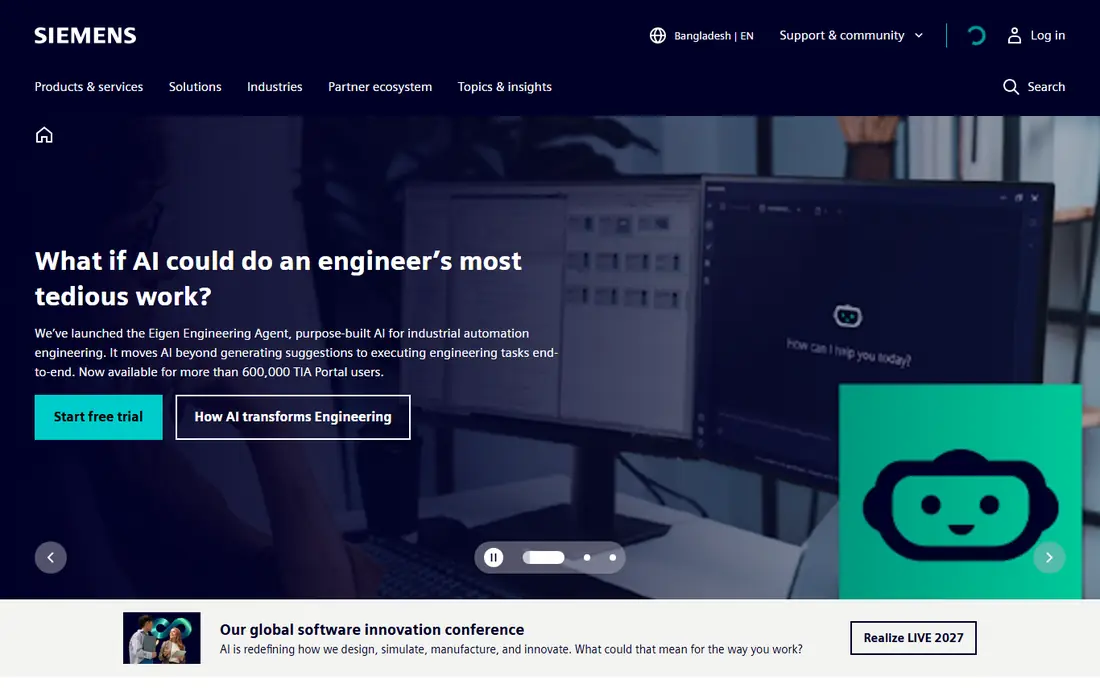
Siemens is a natural first name for engineers interested in industrial electrification, automation and power systems. Its work spans drives, controls, switchgear, power distribution and grid technology, which gives an electrical engineer many routes inside one employer. A graduate can start in automation, move into power systems, and later work on large industrial projects without changing company.
The size that creates that range also creates variation. Team culture, travel and the balance between design and site work depend on the business unit and location, so research the specific team, not just the brand. For engineers who want industrial electrical work at scale, Siemens remains a strong starting point.
- Broad automation, electrification and smart grid work
- Global project range
- Strong industrial portfolio
- Large company, so team experience varies
- Some roles are field-based rather than design-based
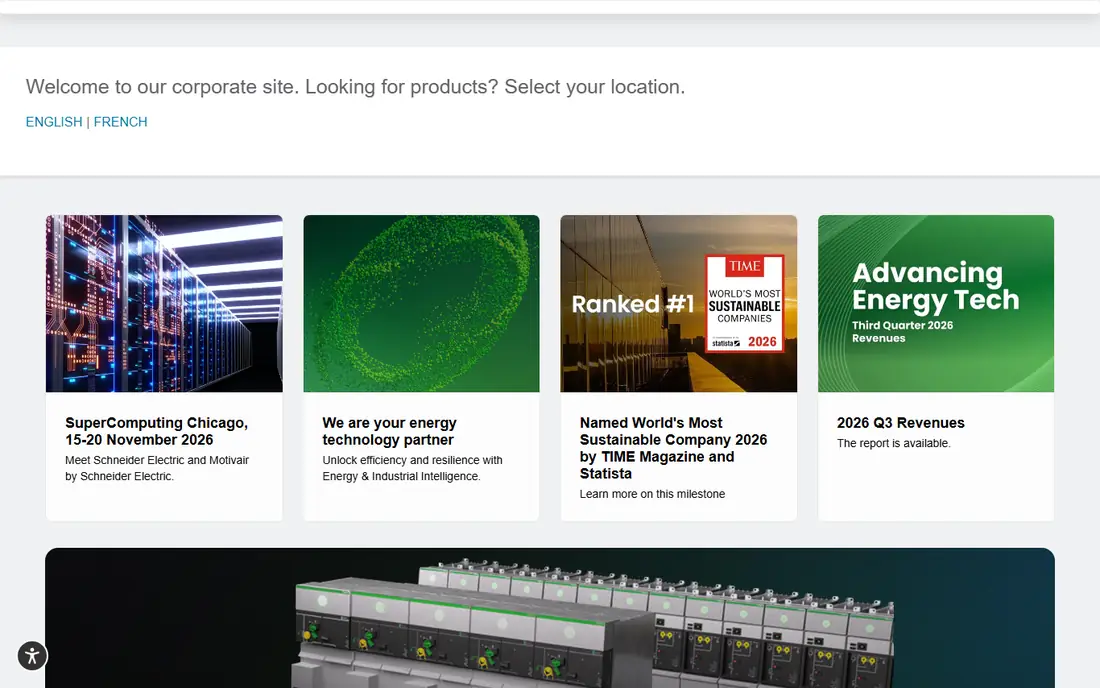
Schneider Electric focuses on energy management, automation and building systems, which suits engineers who want to work where power meets software. Roles cover power distribution, industrial automation, building controls and energy efficiency, and the company hires across engineering, sales engineering and field service. That range helps an engineer who is still deciding between design work and customer-facing technical work.
The breadth is also a warning to check the job description closely. Two Schneider roles with similar titles can involve very different day-to-day work, one in product design and one in systems integration. For engineers interested in efficient power use and automation, Schneider Electric offers a wide and credible path.
- Energy management and building systems
- Automation and software
- Global hiring range
- Product range is broad, so roles vary widely
- Some roles focus on systems integration
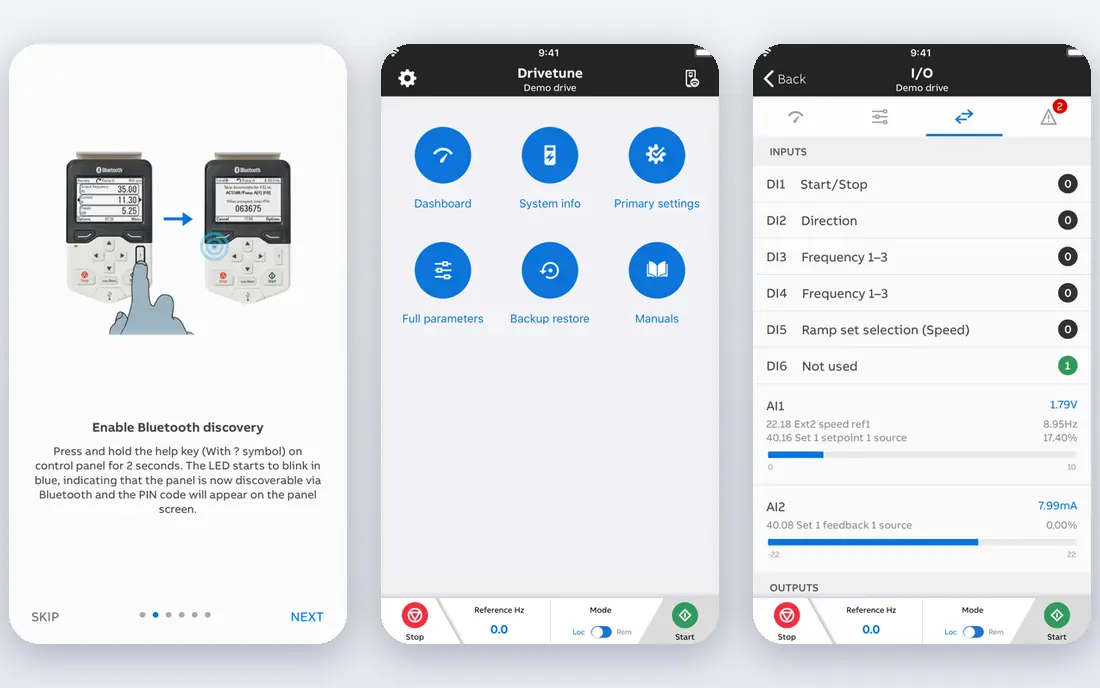
ABB specialises in robotics, automation and electrification, which makes it a strong fit for engineers who want to work on motors, drives, robots and power equipment. Its industrial automation and electrification divisions give electrical engineers direct contact with the hardware that runs factories, grids and transport systems. That hands-on hardware focus appeals to engineers who prefer physical systems to pure software.
Like Siemens and Schneider, ABB is large, so the experience depends on division and site. A robotics role and a grid role are different careers even inside the same company. Check the division, the product line and the location before you judge a role, and use the breadth as a chance to move between areas over time.
- Robotics, automation and electrification portfolio
- Industrial and grid work
- Global engineering teams
- Large and complex organisation
- Role fit depends on division
Texas Instruments is renowned for analog and embedded semiconductor work, and it suits engineers who want to design or support chips rather than large power systems. Its catalogue covers analog, embedded processing and power management, which gives design engineers a deep technical base and applications engineers a wide customer range. For an electrical engineer who loves circuits, signals and datasheets, TI is a classic choice.
Semiconductor hiring moves with industry cycles, so timing and location matter, and some roles are highly specialised. That specialism can be a strength for a career in chips, but it can narrow options if you later want to move into power or industrial work. For chip-focused engineers, TI offers depth that few employers can match.
- Deep analog and embedded semiconductor expertise
- Broad chip catalogue
- Design and applications roles
- Semiconductor cycles affect hiring
- Some roles are highly specialised
Intel designs processors and operates the fabs that manufacture them, which gives electrical engineers two distinct paths inside one company. Design roles focus on chip architecture, validation and power, while manufacturing roles focus on process, equipment and yield at high volume. That combination is rare, and it suits engineers who want to understand both how a chip is designed and how it is built.
The two paths feel very different day to day, so a job title alone does not tell you the work. Manufacturing roles can involve shift patterns and cleanroom work, while design roles are office and lab based. For engineers who want a chip career with both options, Intel remains a major employer to consider.
- Processor design plus chip manufacturing
- Validation and process roles
- Large engineering community
- Manufacturing roles differ from design roles
- Company strategy shifts affect teams
NVIDIA has grown from graphics processors into a core AI infrastructure company, combining chips, networking and software into large systems. Electrical engineers there work on power delivery, high-speed connections between processors, and the systems that link thousands of GPUs together. That systems-level hardware work suits engineers who want to be close to the fastest-moving part of computing.
Hiring is highly competitive, and the work is intense and focused on performance at scale. It is not a generalist electrical engineering employer in the same way as Siemens or ABB. For engineers who want chip and systems hardware for AI, NVIDIA is one of the most relevant employers in the world today.
- GPU and AI accelerator leadership
- Power delivery and high-speed design work
- Systems-level hardware
- Highly competitive hiring
- Work pace and focus are intense
GE Vernova focuses on power and energy technology, including power generation, grid solutions and wind, after the separation of GE's energy businesses. Electrical engineers there work on the systems that generate, move and manage electricity at grid scale, which is a different world from chip design or consumer electronics. Project scale is large, and the engineering problems are long-lived.
Energy projects move in cycles, and some roles involve site work, travel or long project timelines. That suits engineers who like large infrastructure and who are comfortable with a slower, more deliberate engineering pace. For power systems engineers, GE Vernova is a central employer, and its grid work is directly relevant to the energy transition.
- Power generation, grid and wind technology
- Large energy projects
- Engineering depth in power systems
- Energy project cycles affect roles
- Some work is site-based
Eaton specialises in electrical systems and power management, covering distribution, protection, controls and backup power for industrial, commercial and residential markets. Electrical engineers there work on products that keep power safe and reliable, from switchgear to power quality systems. That practical, product-focused work suits engineers who want to see their designs installed in buildings and factories.
The company is broad, so a role in product engineering differs from a role in field service or applications engineering. Check whether the job is design, testing, applications or site support, because the daily work changes with that label. For power distribution and protection, Eaton is a strong and often overlooked choice next to the larger European names.
- Electrical systems and power management
- Distribution and protection products
- Industrial and building markets
- Role range is broad
- Some roles are product-focused rather than research-focused
Lockheed Martin offers electrical engineers work on avionics, satellite systems, defence platforms and autonomous systems, where reliability and systems engineering matter more than speed to market. Roles cover power, communications, sensing, controls and signal processing, often inside large, multi-year programmes. That depth suits engineers who want complex systems and who are comfortable with regulated, documented engineering.
Security clearance may be required for some roles, and programme timelines are long, so this is not a fast-moving consumer product career. Location also matters, because many roles cluster around specific sites and programmes. For engineers drawn to aerospace and defence, Lockheed Martin provides a scale and a systems focus that few other employers match.
- Avionics, satellites and defence systems
- Long, complex engineering programmes
- Systems engineering depth
- Security clearance may be required
- Programmes are long and highly regulated
How we picked these
We compared public information on sector, product range, hiring areas and engineering focus for employers that hire electrical engineers in October 2026. We kept companies that operate at scale today, cover a clear subfield, and are cited in engineering hiring guides. We did not assign invented pay figures or rankings, because pay and role quality vary by team, location and experience, and the vendor careers page is the reliable source for current openings.
How to choose an employer as an electrical engineer
Start with subfield, then location, then team. A chip designer and a grid engineer have different employers, different skills and different daily work, even though both hold electrical engineering degrees. Picking a famous company in the wrong subfield is a slower career move than picking a smaller firm in the right one.
Design, manufacturing, field or systems
Design roles build products in a lab or office. Manufacturing roles keep production running at volume. Field roles install, test and support systems on site. Systems roles join subsystems into a working whole. Each path values different skills, and each feels different day to day, so ask what a typical week looks like before you accept a role.
Skills that travel between employers
Circuit design, power systems, embedded software, signal processing and control theory travel well, but they travel best when paired with evidence. Projects, internships, lab work and a clear account of what you built matter more than a list of course names. Keep a record of designs, tests and results you can discuss in an interview without revealing confidential work.
Questions to ask before you accept
Ask about the product line, the team size, the mentor structure, travel, on-call duties and how success is measured in the first year. Ask what engineers in the team did last year and where they moved next. Those answers tell you more about a career than a brand name or a headline salary range that may not apply to your location.
Frequently asked questions
What are the best electrical engineering companies?
The best electrical engineering companies depend on subfield. Siemens, Schneider Electric, ABB and Eaton lead for power and automation, Texas Instruments, Intel and NVIDIA lead for chips, and GE Vernova and Lockheed Martin lead for energy and aerospace. This guide is based on publicly reported factors, not a verified ranking.
Which company is best for a new electrical engineering graduate?
A new graduate should pick by subfield and by team, not by brand alone. Large firms such as Siemens, Schneider Electric, Intel and Texas Instruments offer structured graduate routes and many internal moves, which helps when you are still learning where you fit. Check the specific graduate programme, location and product team before you apply.
Do electrical engineers earn more in chips or in power systems?
Pay varies by location, experience, company and role, and no single subfield always pays more. Chip roles in major tech hubs often carry high pay, while power and industrial roles may offer steadier hours and different benefits. Compare total pay, location costs and career growth for the actual offers you receive, rather than relying on a general claim.
What skills do these companies look for?
Most look for circuit and systems fundamentals, plus skills that fit the subfield, such as analog design for TI, power systems for GE Vernova, or embedded and high-speed design for NVIDIA. Practical project work, lab skills and clear communication matter across all of them. Tailor your application to the product line, not to a generic engineering template.
Is a large company better than a small firm for electrical engineers?
Large companies offer range, training and internal moves, while smaller firms often offer broader responsibility earlier and closer contact with a product. Neither is always better. A large firm suits engineers who want structure and many paths, while a small firm suits engineers who want ownership and variety from the start.
How do I choose between design and field engineering?
Design work is lab and office based, with longer project cycles and deeper technical focus. Field work is site based, with travel, testing and customer contact, and faster feedback from real installations. Try both through internships or placements if you can, and ask engineers in each path what a normal week involves before you commit.
Sources
See where you really rank - block by block
ProMapRanker scans Google Maps across a grid of your service area. Simple monthly plans from $19, white-label on every plan.
Start freeKeep reading
 wpforms alternatives
Best WPForms Alternatives in 2026
We compare 9 wpforms alternatives for WordPress forms, with free and paid options, current pricing notes, and honest limits for small business sites in 2026.
Read → windows task scheduler alternatives
Best Windows Task Scheduler Alternatives in 2026
Looking for Windows Task Scheduler alternatives? We compare 9 schedulers for Windows and cross-platform work, from free tools to enterprise automation.
Read → which ai video service is best
Which AI Video Service Is Best in 2026
which ai video service is best? We compare 10 legitimate AI video services on price, avatars, editing and output quality to help you pick the right tool.
Read →