 ProMapRanker
Best Cell Service for Seniors in 2026


Best overall senior value · Pricing starts at: $20 per month
Key takeaways
- Consumer Cellular is the best overall senior value for most people, with plans from $20 per month and unlimited talk and text.
- Lively is the best pick when safety features matter most, thanks to its Urgent Response button and simplified phones.
- T-Mobile 55+ suits heavy data users who want premium network coverage, while Mint and Tello suit light users who want the lowest bill.
- Prices, taxes and coverage vary by plan and location, so confirm the final monthly bill and coverage at your home address before signing up.
Quick comparison
| Pick | Great for | Pricing starts at | Free tier | |
|---|---|---|---|---|
| Consumer Cellular | Best overall senior value | $20 per month | No | Visit |
 Lively | Safety features and simple phones | $14.99 per month | No | Visit |
 T-Mobile 55+ | Premium coverage for 55+ users | $50 per month | No | Visit |
 Mint Mobile | Lowest prepaid cost | $15 per month | Free trial | Visit |
 Visible | Simple flat-rate unlimited | $25 per month | No | Visit |
 Tello | Custom low-cost plans | $8 per month | No | Visit |
 US Mobile | Network choice and low cost | $8 per month | No | Visit |
 Cricket Wireless | In-store support on AT&T network | $30 per month | No | Visit |
 Verizon 55+ | Verizon coverage for eligible seniors | $45 per month | No | Visit |
The best cell service for seniors
The best phone service for seniors is not always the cheapest plan or the biggest network. It is the plan that fits how much data a person actually uses, how much help they want when setting up a phone, and whether safety features matter. This guide compares the best phone companies for seniors in the United States, with prices checked against September and October 2026 guides. Prices and coverage vary by plan and location, and taxes and fees may be extra.
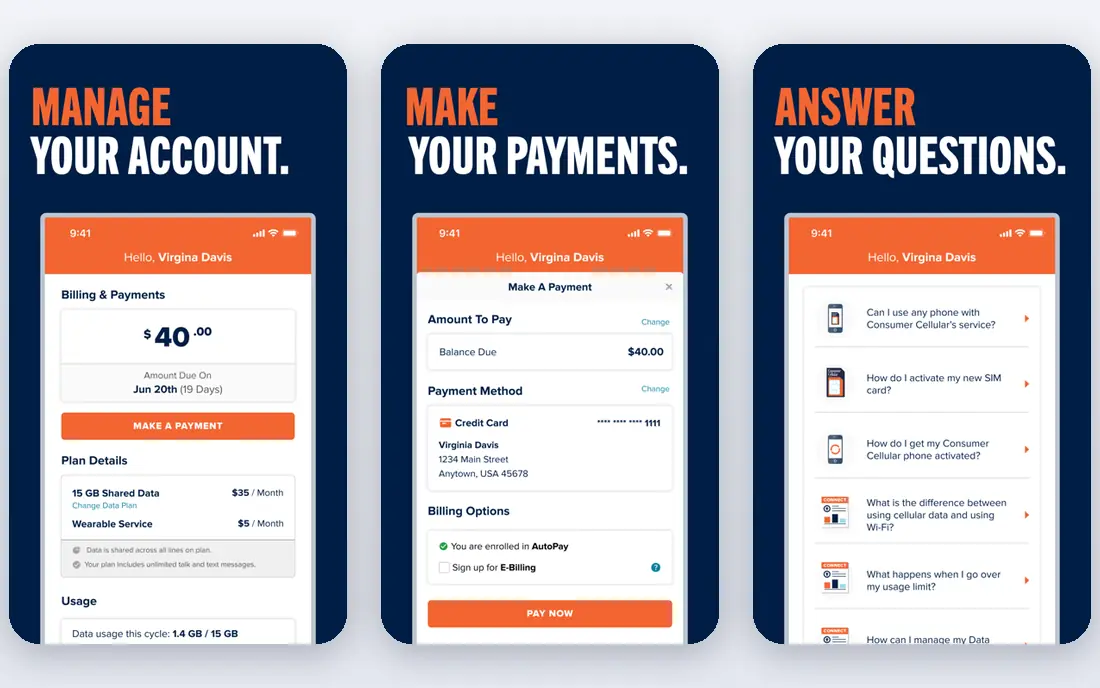
Consumer Cellular is our pick for most seniors because it pairs a low price with support that is easy to reach by phone. Plans start at $20 per month with 1GB of data and unlimited talk and text, with a 5GB plan at $25 and an unlimited plan at $35 per month for customers aged 50 and over. AARP members have been reported to get an extra 5 percent discount.
The service runs on AT&T and T-Mobile networks, which gives nationwide coverage for most users. The honest catch is data handling: if a user exceeds a data allowance, Consumer Cellular may move them to the next tier and charge more, rather than simply slowing speeds. Light data users who spend most time on home Wi-Fi will rarely face that issue.
- Low starting price
- No long-term contract
- US-based customer support reported
- Data overuse can move a user to a higher tier
- Premium features are limited

Lively, formerly GreatCall, builds its service around safety and simplicity. Its phones include an Urgent Response button, and plans include access to help services that matter to older adults living alone. Plans start at $14.99 per month, with higher tiers up to about $49.99 depending on data and services.
Lively phones, including the Jitterbug Flip2 and Jitterbug Smart4, are designed with large buttons, clear menus and loud speakers. That simplicity is a real benefit for people who find a standard smartphone confusing. The trade-off is choice: Lively works best with its own phones, so a person who wants to keep a recent iPhone or Samsung phone may prefer Consumer Cellular or a major carrier instead.
- Urgent Response button on its phones
- Simplified phones
- Nurse line access reported
- Plans plus data can cost more than the headline price
- Phone choice is limited to Lively devices
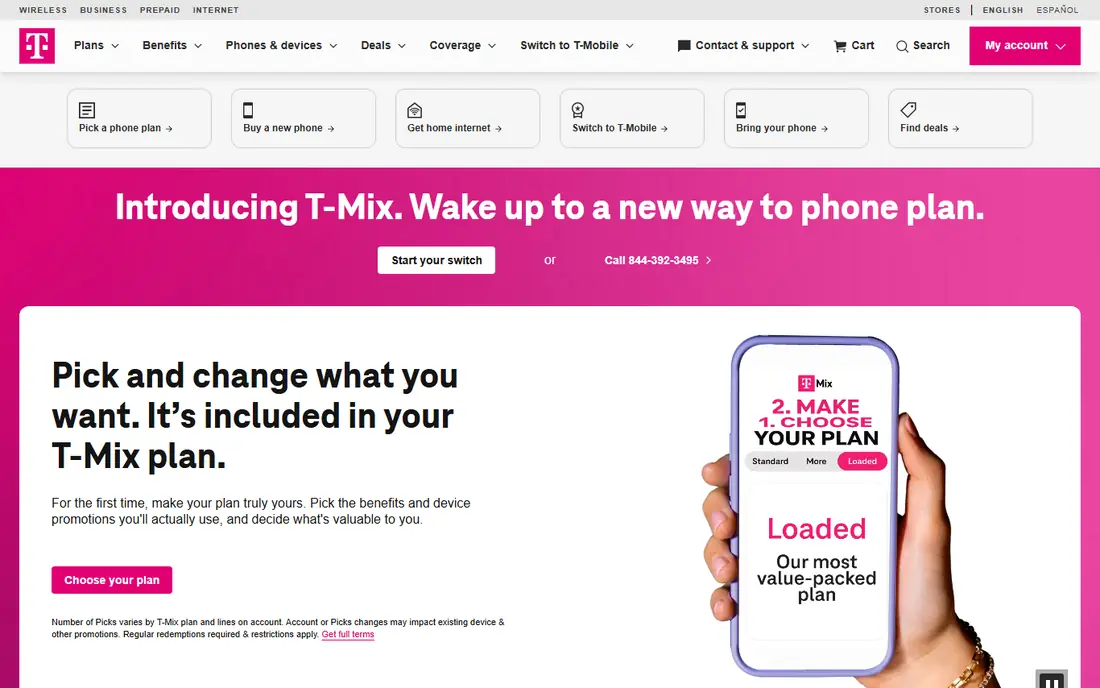
T-Mobile's 55+ plans suit seniors who use a lot of data, travel, or stream video on the go. A single line has been reported at $50 per month for unlimited talk, text and data, with lower per-line costs on two-line plans. The T-Mobile network gives strong 5G coverage in many cities and suburbs, and hotspot access helps when a laptop needs a connection away from home.
The price is the main drawback. At $50 per month for one line, T-Mobile 55+ costs more than Consumer Cellular unlimited at $35 or Visible at $25. It also requires age verification for the 55+ discount. For heavy users who want premium coverage and do not want to worry about data caps, that extra cost can be worth it.
- Strong 5G coverage
- Unlimited plans for 55+ users
- Hotspot on many plans
- Higher price than budget carriers
- 55+ plans need age verification
Mint Mobile is the cheapest way for a tech-comfortable senior to get a solid plan. Prices start at $15 per month for 5GB on a prepaid basis, with unlimited plans higher. The service runs on the T-Mobile network, so coverage matches T-Mobile in most places. Online setup keeps costs down, and that saving shows up in the monthly bill.
Prepayment is the catch. Mint Mobile's lowest prices require paying for several months upfront, which is not ideal for everyone on a fixed income. Support is also mainly online, so a person who wants to call a support agent for setup help may prefer Consumer Cellular. For a light user who is comfortable online, Mint Mobile is hard to beat on price.
- Very low prepaid prices
- Runs on T-Mobile network
- Simple online setup
- Requires prepayment for several months
- Support is mainly online
Visible keeps the bill simple: $25 per month for unlimited talk, text and data, with taxes and fees included in that figure on the base plan. It runs on the Verizon network, which gives strong coverage in many rural and suburban areas. There is no contract, and the plan is easy to understand without a tier chart.
Support is the main limit, since Visible is a digital-first carrier with limited in-store help. Data priority also differs by tier, with the higher Visible+ tier offering faster priority data. For a senior who wants one flat price and already uses a compatible phone, Visible is a strong, simple choice.
- Flat-rate unlimited with taxes included
- Runs on Verizon network
- No contract
- Support is mainly digital
- Premium data priority costs more on higher tier
Tello suits light users who want to pay only for what they use. Plans start at $8 per month for 2GB, and users can adjust talk, text and data amounts to fit their habits. There is no contract, and the service runs on the T-Mobile network. A senior who mainly calls and texts, with occasional data use, can keep the bill under $15 per month.
Tello is less suited to heavy data users or people who need in-store help. Coverage follows T-Mobile, so a person in an area with weak T-Mobile signal should check coverage first. For a second line, a light-use phone, or a budget-first plan, Tello is one of the best low-cost options.
- Very low starting price
- Custom talk, text and data mix
- No contract
- Runs on T-Mobile network only
- Support is mainly online
US Mobile stands out because it lets users choose among major networks, including AT&T, T-Mobile and Verizon, depending on the plan and phone. Plans start at $8 per month for 2GB, with higher tiers for more data and unlimited options. That network choice helps a senior who knows which carrier works best at home.
The range of options can confuse a first-time buyer, since plans, networks and perks vary. US Mobile is best for a tech-comfortable senior, or for a family member helping with setup, who can pick the right network and plan. For a person who wants one simple recommendation, Consumer Cellular or Lively is easier.
- Choice of networks
- Low starting price
- Flexible plan changes
- Plan options can confuse beginners
- Support is mainly online
Cricket Wireless suits seniors who want to walk into a store, talk to a person, and leave with a working phone. With thousands of retail stores, Cricket offers in-person setup help that online-only carriers cannot match. Plans start at $30 per month for 5GB, with unlimited options higher, and the service runs on the AT&T network.
The price is higher than Mint, Tello or US Mobile for a similar data amount, and data speeds can be slowed on lower tiers during congestion. For a senior who values in-store help and AT&T coverage, that extra cost buys peace of mind. For a budget-first buyer who is comfortable online, cheaper prepaid options win.
- Many retail stores
- Runs on AT&T network
- No contract
- Starting price is higher than budget prepaid rivals
- Data priority varies by plan
Verizon's 55+ plan suits seniors who live in an area where Verizon coverage is clearly best, or who already use Verizon and want a senior discount. Prices have been reported from $45 per month for one line in eligible states, with higher tiers for more features. Verizon's network is known for rural coverage, which matters outside cities.
Eligibility is the key limit. Verizon's 55+ plan has historically been limited to certain states, such as Florida, and to customers who meet age and account conditions. A senior outside an eligible area cannot get the same price. Check eligibility for your state and address before counting on this plan, and compare it with Visible, which also uses the Verizon network at a lower flat price.
- Strong Verizon coverage
- Unlimited options
- In-store and phone support
- 55+ discount is limited by state and eligibility
- Higher price than budget carriers
How we picked these
We compared September and October 2026 senior plan guides, carrier pricing pages and coverage notes, and kept only services that are actively sold in the United States and fit senior needs: low prices, simple plans, safety features or strong support. We favored carriers with clear starting prices and noted where a price depends on age, state, prepayment or AARP membership. We did not run hands-on network tests, so coverage advice should be checked at a user's home address.
How to choose a senior phone plan
Start with data use, not with the phone. Check the last three months of data use on a current bill, or estimate from daily habits. A person who uses home Wi-Fi most of the day may need only 2GB to 5GB of mobile data, while a person who streams video on the go may need unlimited. Paying for unlimited data that is never used is the most common waste in senior plans.
Phone, safety and support
Choose the phone before the plan if simplicity or safety matters. Lively phones suit people who want large buttons and an Urgent Response button, while a standard iPhone or Samsung phone suits people who already know those systems. Decide how much setup help is needed: in-store help from Cricket or Verizon, phone support from Consumer Cellular, or online-only help from Mint, Tello, Visible and US Mobile.
Coverage, taxes and total cost
Check coverage at home, at work and on regular travel routes, using each carrier's coverage map and asking neighbors about their service. Ask for the total monthly bill including taxes and fees, since some carriers include taxes and others add them. Also ask about phone payments, since a device installment can add more to the bill than the plan itself.
Frequently asked questions
What is the best phone service for seniors?
Consumer Cellular is the best overall pick for most seniors, thanks to low prices, no contract and phone-based support. Lively is better when safety features matter, and T-Mobile 55+ is better for heavy data users. The best choice depends on data use, phone preference and coverage at home.
What is the best cell phone company for seniors on a budget?
Mint Mobile, Tello and US Mobile offer the lowest starting prices, from $8 to $15 per month for small data plans. They require more online setup and prepayment in some cases. Consumer Cellular at $20 per month is the best budget pick for seniors who want phone support included.
Does Verizon have a senior discount plan?
Verizon has offered a 55+ plan in eligible states, reported from $45 per month for one line, but eligibility is limited by state and account conditions. Seniors outside eligible areas can consider Visible, which runs on the Verizon network at $25 per month, or check current Verizon senior offers for their state.
What is the best phone for seniors who want a simple phone?
Lively's Jitterbug phones are designed for simplicity, with large buttons, clear menus and an Urgent Response button. Consumer Cellular also sells simple flip phones, including the IRIS Easy Flip. A person who already uses a smartphone may prefer to keep that phone and choose a simpler plan instead.
Can seniors keep their current phone when switching carriers?
In most cases, yes, if the phone is paid off, released by the current carrier, and compatible with the new carrier's network. Check compatibility on the new carrier's website before switching, and ask the old carrier to release the phone if needed. Keeping a phone avoids a new device payment and a learning curve.
Sources
- https://retirehub.org/articles/best-cell-phones-plans-seniors-2026/
- https://www.budgetseniors.com/telecom/cell-phone-plans-for-seniors/
- https://www.seniorliving.org/cell-phone/best/plans/
- https://www.bottomlineinc.com/life/consumer-goods/best-cell-phone-plans-for-seniors-affordable-reliable-and-easy-to-use-options-for-every-need/
- https://www.consumercellular.com
- https://www.lively.com
- https://www.t-mobile.com
- https://www.mintmobile.com
- https://www.visible.com
- https://tello.com
- https://www.usmobile.com
- https://www.cricketwireless.com
- https://www.verizon.com
See where you really rank - block by block
ProMapRanker scans Google Maps across a grid of your service area. Simple monthly plans from $19, white-label on every plan.
Start freeKeep reading
 which software is best for pdf page removal
Which Software Is Best for PDF Page Removal in 2026
Find which software is best for pdf page removal, from free online tools to desktop editors, with page controls, privacy, safety, and pricing compared.
Read → when i work alternatives
Best When I Work Alternatives in 2026
Looking for when i work alternatives? We compare 8 scheduling apps for hourly teams, covering pricing, free plans, time clocks and the best fit for business.
Read → the best tool for keyword analysis
The Best Tool for Keyword Analysis in 2026
Find the best tool for keyword analysis with our 2026 comparison of 10 keyword analysis software tools on data depth, difficulty scores and price today.
Read →