 ProMapRanker
Best Car Companies in 2026

Key takeaways
- Toyota and Subaru lead recent reliability rankings, with Honda close behind, making them our top picks for buyers who value low hassle ownership.
- Hyundai and Kia offer strong value through long warranties and broad lineups, while BMW and Mercedes-Benz lead on driving feel and cabin quality.
- Tesla remains the most distinct electric choice, with its own charging network, but its reliability scores sit in the middle of the pack.
- Ford covers the widest ground, from trucks to electric SUVs, so it suits buyers who want one brand for very different jobs.
Quick comparison
| Pick | Great for | Pricing starts at | Free tier | |
|---|---|---|---|---|
 Toyota | Reliability and hybrids | See website | No | Visit |
 Subaru | All-wheel drive and safety | See website | No | Visit |
 Honda | Sensible everyday cars | See website | No | Visit |
 BMW | Driving feel and luxury | See website | No | Visit |
 Tesla | Electric cars and charging | See website | No | Visit |
 Kia | Value and warranty | See website | No | Visit |
 Ford | Trucks and broad range | See website | No | Visit |
 Hyundai | Value and electric options | See website | No | Visit |
 Mercedes-Benz | Luxury and comfort | See website | No | Visit |
The best car companies
Prices vary by model, trim, and region, and dealer pricing, incentives, and options change often, so check the current price for the exact model you want rather than trusting a brand average. We compared these companies on reliability data, model range, powertrain choice, warranty, dealer support, and ownership costs. A brand score is a starting point, not a verdict on one car, so always check the specific model and year.
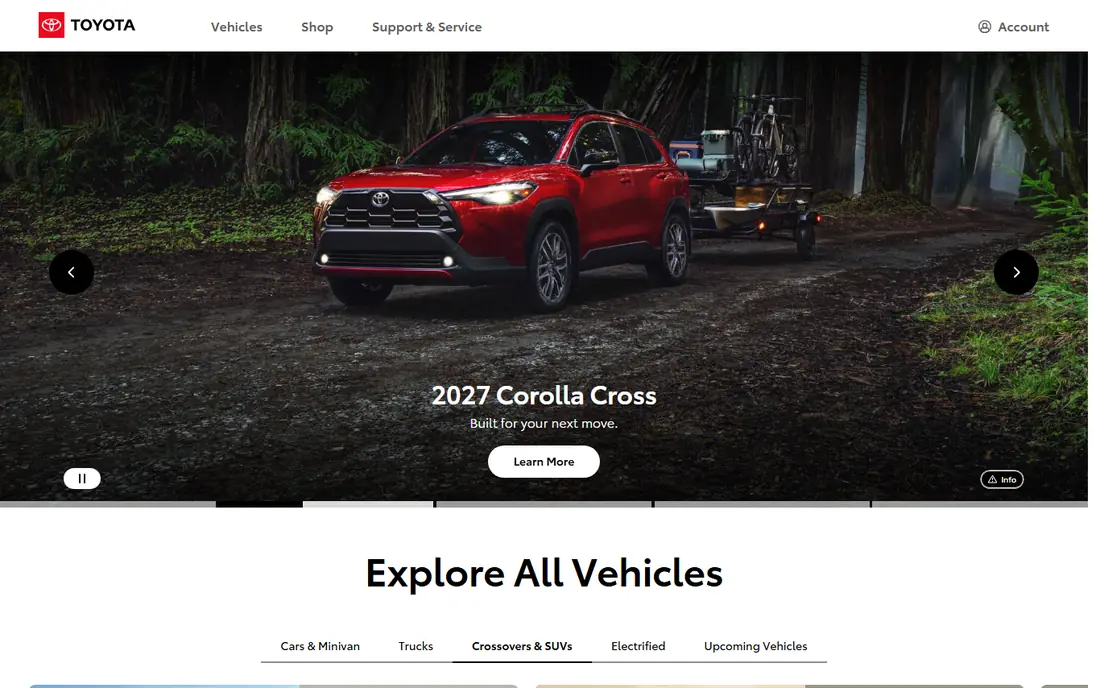
Toyota is our pick for most buyers, and recent Consumer Reports predicted reliability data puts it at the top of the ranking with a score of 66. Its hybrid lineup is the broadest in the industry, covering small cars, family SUVs, and trucks, so buyers can cut fuel costs without switching to a full electric car. Toyota models also tend to hold their value well, which lowers the total cost of ownership over several years.
The trade-offs are taste and availability. Cabin design and infotainment can feel plain next to Korean or German rivals, and popular hybrids sometimes carry wait times or dealer markups. If you want a car that starts every morning, costs little to run, and is easy to sell later, Toyota is still the safest default choice.
- Top predicted reliability in recent rankings
- Broad hybrid lineup
- Strong resale values
- Infotainment and styling can feel conservative
- Some popular models carry long wait times
Subaru is the pick for buyers who face snow, gravel, or rough roads on a regular basis. Most of its lineup comes with all-wheel drive as standard, and its safety systems and crash performance are consistently strong. In recent reliability rankings it sits second, just behind Toyota, with a score of 63, which undercuts the old idea that all-wheel drive must mean high repair bills.
The honest catch is performance and efficiency. Subaru engines are adequate rather than exciting, and its hybrid options are fewer than Toyota's, so fuel costs can run higher. If you live where winter matters and you want a practical wagon or SUV with a calm ownership record, Subaru is hard to beat.
- Standard all-wheel drive on most models
- Strong safety record
- Second in recent reliability rankings
- Engines can feel modest
- Fuel economy lags some hybrid rivals
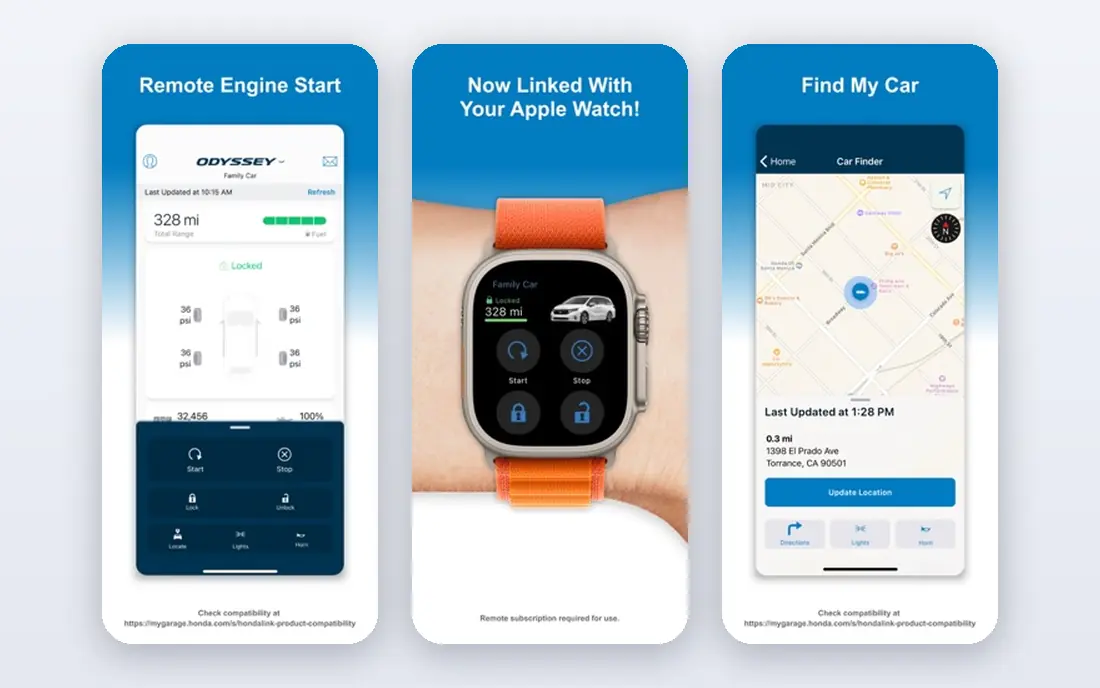
Honda has built its name on cars that do the everyday job well: roomy cabins, sensible controls, efficient engines, and a reliability record that keeps it near the top of recent rankings with a score of 59. Its hybrid versions of popular models give buyers a low-fuel-cost option without a big price jump, and its sedans and SUVs suit families that want one car for commuting, school runs, and road trips.
The weak spot has been infotainment, where some owners find the controls fiddly, and its pure electric lineup is still smaller than rivals'. Neither flaw changes the core appeal. If you want a car that is easy to live with and cheap to keep, Honda belongs on every shortlist.
- Strong reliability record
- Practical, roomy interiors
- Efficient engines and growing hybrid range
- Infotainment has frustrated some owners
- Fewer electric models than Tesla or Hyundai
BMW is our pick for buyers who enjoy driving and are willing to pay for it. Its cars steer, brake, and ride with a sharpness that mainstream brands rarely match, and its electric models carry that same character into the electric range. Recent reliability data puts BMW fifth with a score of 58, the highest of any German brand in that ranking, which is a better result than BMW managed in past years.
The cost of that pleasure is real. Maintenance, parts, and repairs cost more than for Toyota or Honda, and options can push prices up quickly. If driving enjoyment is a priority and you budget for upkeep, BMW delivers. If lowest running cost matters most, look at the Japanese and Korean brands above.
- Best driving feel among luxury brands in this list
- Strong electric models
- High cabin quality
- Higher maintenance and repair costs
- Reliability sits below Japanese rivals in some rankings
Tesla remains the most distinct electric car company in the US, mainly because of its charging network and software. Its cars receive frequent over-the-air updates that add features after purchase, and its Supercharger network makes long trips simpler than for most electric rivals. The Model 3 and Model Y also improved enough in recent reliability data to lift Tesla to ninth place with a score of 50.
The catch is consistency. Build quality, panel fit, and service experiences vary more than buyers expect at these prices, and reliability still sits in the middle of the pack rather than near the top. If you want the simplest electric ownership experience and you value charging access, Tesla is the obvious pick. If you want the calmest ownership record, a hybrid from Toyota or Honda may suit you better.
- Extensive fast-charging network
- Strong software and over-the-air updates
- Quick acceleration
- Mid-pack reliability scores
- Build quality and service experiences vary
Kia has moved from budget choice to genuine value leader. Its cars look sharp, its interiors feel more expensive than the price suggests, and its warranty coverage is among the longest in the industry, which gives used buyers confidence too. The lineup now covers small cars, family SUVs, and competitive electric models, so most buyers can find a Kia that fits.
The main frustration is pricing at the dealer, where popular models sometimes carry markups that erase part of the value advantage. Kia also still fights a perception gap with Toyota and Honda among some buyers, though its reliability score of 49 in recent rankings is respectable. Shop around, compare dealers, and Kia is one of the best value picks in this list.
- Long warranty coverage
- Sharp design
- Broad range from small cars to electric SUVs
- Some models carry dealer markups
- Brand perception still trails Toyota and Honda for some buyers
Ford is the pick for buyers who need a truck or a large SUV, and for anyone who wants a brand with a dealer in nearly every town. The F-150 remains the benchmark full-size truck, and Ford's electric truck and SUV options give buyers a path into electric driving without leaving the brand. Its commercial vans and fleet support also suit small businesses.
The trade-off is that Ford has largely left the small car market, so buyers wanting a cheap sedan must look elsewhere. Its recent reliability score of 48 sits in the middle of the pack, and model quality varies more than at Toyota. If you need a truck, Ford should be your first test drive. If you need a small car, it probably is not.
- Strong truck and SUV lineup
- Wide dealer network
- Growing electric truck and SUV options
- Reliability sits in the middle of recent rankings
- Car lineup is now very small
Hyundai pairs strong value with one of the better electric lineups among mainstream brands. Its cars come well equipped for the price, its warranty is long, and its electric models offer competitive range and fast charging. For a buyer who wants modern tech and a fair price without stepping up to a luxury brand, Hyundai is a sensible shortlist pick.
The caution is consistency. Its recent reliability score of 48 is mid-pack, and dealer service quality varies more than at Toyota or Honda. Test the exact model you want, check warranty terms in writing, and compare the total price including options. On value alone, Hyundai earns its place here.
- Long warranty
- Competitive electric models
- Good standard safety and tech features
- Reliability score sits in the middle of recent rankings
- Dealer experience varies
Mercedes-Benz remains the comfort benchmark. Its cabins use better materials than most rivals, ride quality is calm on long trips, and its safety and driver assistance technology is among the most complete available. For buyers who spend hours on the highway and want the journey to feel easy, few brands match it.
The price of that comfort is steep, both at purchase and in maintenance, and its recent reliability score of 41 trails the mainstream brands on this list. That does not make a Mercedes a bad car, but it does mean budgeting for upkeep matters. If luxury and comfort top your list and you accept the running costs, Mercedes-Benz is the pick.
- Superb cabin comfort and materials
- Quiet ride
- Strong safety technology
- High purchase and maintenance costs
- Reliability score lags mainstream rivals
How we picked these
We compared recent predicted reliability rankings, model ranges, powertrain options, warranty terms, and ownership costs from public sources, including Consumer Reports data reported in 2026 rankings. We kept only companies that sell a broad range in the US and that are actively producing new models, and we did not claim road tests we did not run. Prices vary by model and region, so we listed "See website" rather than inventing a brand average price.
Choosing the right car company for you
Start with the job the car must do, not the badge. A commuter needs efficiency and low running costs, a family needs space and safety, a tradesperson needs payload and towing, and a long-distance driver needs comfort and range. Once the job is clear, the brand shortlist usually narrows to two or three names, and the specific model matters more than the brand average.
Check the model, not just the brand
Reliability varies by model, powertrain, and model year within every brand on this list. A brand can top a ranking while one of its new models struggles, and a mid-pack brand can sell an excellent individual car. Read model-specific reliability and safety results, check recall history, and test drive the exact trim you plan to buy.
Count the total cost, not the sticker price
Add fuel or charging costs, insurance, maintenance, and expected resale value over the years you plan to keep the car. A cheaper car with high fuel use or weak resale can cost more than a pricier hybrid, and a luxury car with high service costs needs a bigger annual budget. Get insurance quotes before you buy, since they vary sharply by model.
Test the dealer as well as the car
Service quality, parts availability, and warranty handling differ by dealer even within a strong brand. Visit the service department, ask about loan cars and wait times, and read recent reviews for that location. A good dealer can make an average car easy to own, and a poor one can spoil a great car.
Frequently asked questions
What is the best car company in the world?
There is no single winner, since the best company depends on what you value. Toyota leads recent reliability rankings and suits buyers who want low-hassle ownership, while BMW leads on driving feel and Mercedes-Benz on comfort. For most US buyers, Toyota, Subaru, and Honda offer the best blend of reliability, running costs, and resale value.
What is the best car company for reliability?
Toyota tops recent Consumer Reports predicted reliability rankings with a score of 66, followed by Subaru at 63 and Honda at 59. Those scores come from owner surveys covering hundreds of thousands of vehicles. Remember that individual models vary, so check the reliability result for the exact model and year you plan to buy.
Which car company is best for electric cars?
Tesla leads on charging access and software, while Hyundai and Kia offer strong electric range and value, and BMW offers electric models with a more traditional luxury feel. The best electric pick depends on your charging access at home, your typical trip length, and if you value the charging network over purchase price.
What is the best company car choice for a small business?
Ford suits businesses that need trucks or vans, Toyota suits businesses that want low running costs and strong resale, and Hyundai and Kia suit businesses watching purchase price and warranty. Compare total costs including fuel, insurance, and maintenance, and check fleet or business sales terms with local dealers before deciding.
Should I buy based on brand or model?
Buy based on the model. Brand averages hide wide differences between models, and a new model in its first year carries more risk than a proven one. Use brand rankings to build a shortlist, then compare the specific models on reliability, safety, running costs, and your own test drive.
Sources
See where you really rank - block by block
ProMapRanker scans Google Maps across a grid of your service area. Simple monthly plans from $19, white-label on every plan.
Start freeKeep reading
 which software is best for pdf page removal
Which Software Is Best for PDF Page Removal in 2026
Find which software is best for pdf page removal, from free online tools to desktop editors, with page controls, privacy, safety, and pricing compared.
Read → when i work alternatives
Best When I Work Alternatives in 2026
Looking for when i work alternatives? We compare 8 scheduling apps for hourly teams, covering pricing, free plans, time clocks and the best fit for business.
Read → the best tool for keyword analysis
The Best Tool for Keyword Analysis in 2026
Find the best tool for keyword analysis with our 2026 comparison of 10 keyword analysis software tools on data depth, difficulty scores and price today.
Read →