 ProMapRanker
Best Campaign ROI Tracking Tools in 2026


CRM-native campaign reporting · Pricing starts at: $20 per month
Key takeaways
- Revenue attribution beats click counting, because it ties spend to pipeline and closed deals, not just traffic.
- B2B teams need account journeys and CRM links, while ecommerce teams need order, margin and ad spend in one view.
- Free tools such as Google Analytics 4 give a baseline, but paid attribution tools add CRM, call and offline revenue links.
- Attribution models are estimates, so compare channels over time rather than treating one model as exact truth.
Quick comparison
| Pick | Great for | Pricing starts at | Free tier | |
|---|---|---|---|---|
| HubSpot Marketing Hub | CRM-native campaign reporting | $20 per month | Yes | Visit |
 Google Analytics 4 | Free baseline measurement | Free | Yes | Visit |
 Adobe Marketo Measure | Enterprise B2B revenue attribution | See website | No | Visit |
 Dreamdata | B2B account journey attribution | See website | Yes | Visit |
 HockeyStack | B2B revenue and product data together | See website | No | Visit |
 Ruler Analytics | Call and offline revenue attribution | $400 per month | No | Visit |
 Triple Whale | Ecommerce and Shopify ROI | $219 per month | Yes | Visit |
 Northbeam | High-spend paid media optimisation | See website | No | Visit |
 Factors.ai | Mid-market account analytics | $199 per month | Yes | Visit |
The best campaign roi tracking tools
Campaign ROI tracking answers a simple question that is hard to get right: which campaigns actually produced revenue, and at what cost. Clicks and impressions alone do not answer it, because a campaign can look cheap on clicks and still produce no pipeline, while a costly campaign can close large deals. The tools below connect spend, touches, leads and closed revenue, so a marketing team can defend its budget with numbers that finance will accept.
We compared official product pages, pricing pages and documentation, and we favoured tools that connect to a CRM or store, support more than one attribution model, and report revenue rather than only traffic. B2B teams need account journeys and long sales cycles, while ecommerce teams need order and profit data, so the list covers both.
Attribution is never perfect, and any vendor that promises exact credit for every sale should be treated with care. Use these tools to compare channels, spot waste and improve decisions over time, not to chase a single perfect number. Start with clean CRM or store data, because no tool can fix broken source data.
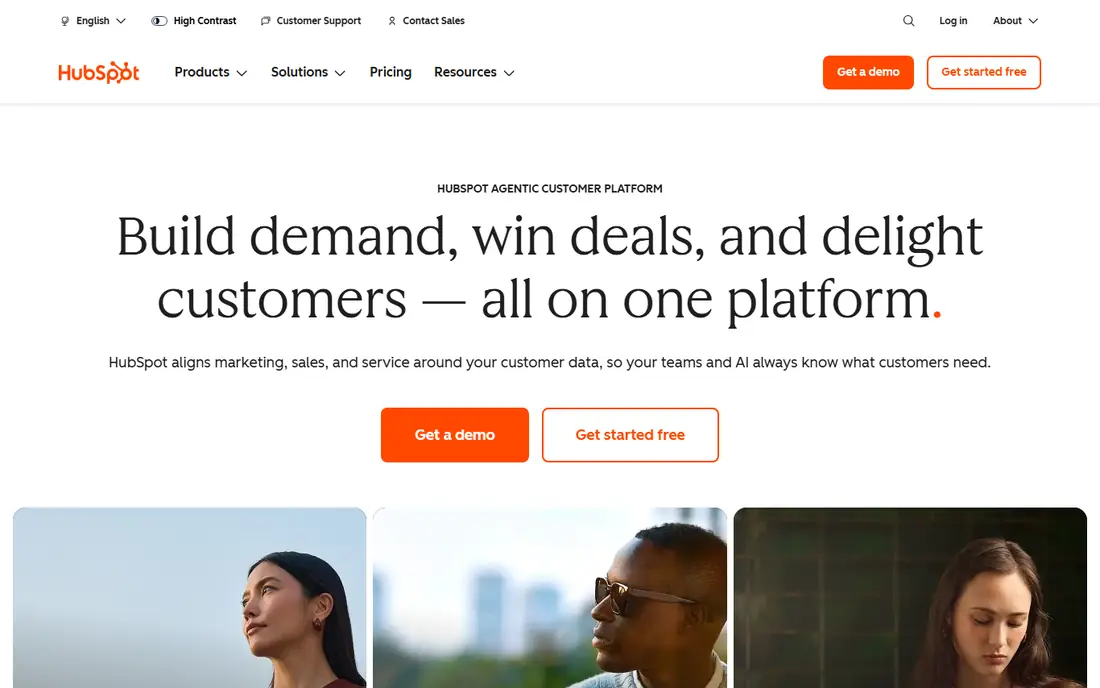
HubSpot Marketing Hub is a strong match for crm-native campaign reporting. HubSpot Marketing Hub is the natural pick for teams already running marketing on HubSpot, because campaigns, contacts, deals and revenue live in the same CRM. That closeness removes much of the integration work that other attribution tools require, and campaign reports can show influenced revenue without exporting data. The free tools let a small team start, though serious attribution sits on higher tiers.
The catch is worth stating plainly. The catch is tiering and contact pricing: Professional starts from $890 per month and Enterprise from $3,600 per month, with onboarding fees on those tiers. If you are not already a HubSpot shop, the total cost can be higher than a standalone attribution tool. If that trade-off fits your budget and your team, it earns a place on a shortlist, but check the current plan limits and contract terms on the vendor site before you commit.
- Free tools to start
- Campaigns, CRM and attribution in one system
- Multi-touch reports on higher tiers
- Full attribution needs Professional or Enterprise
- Contact-based pricing grows with database size
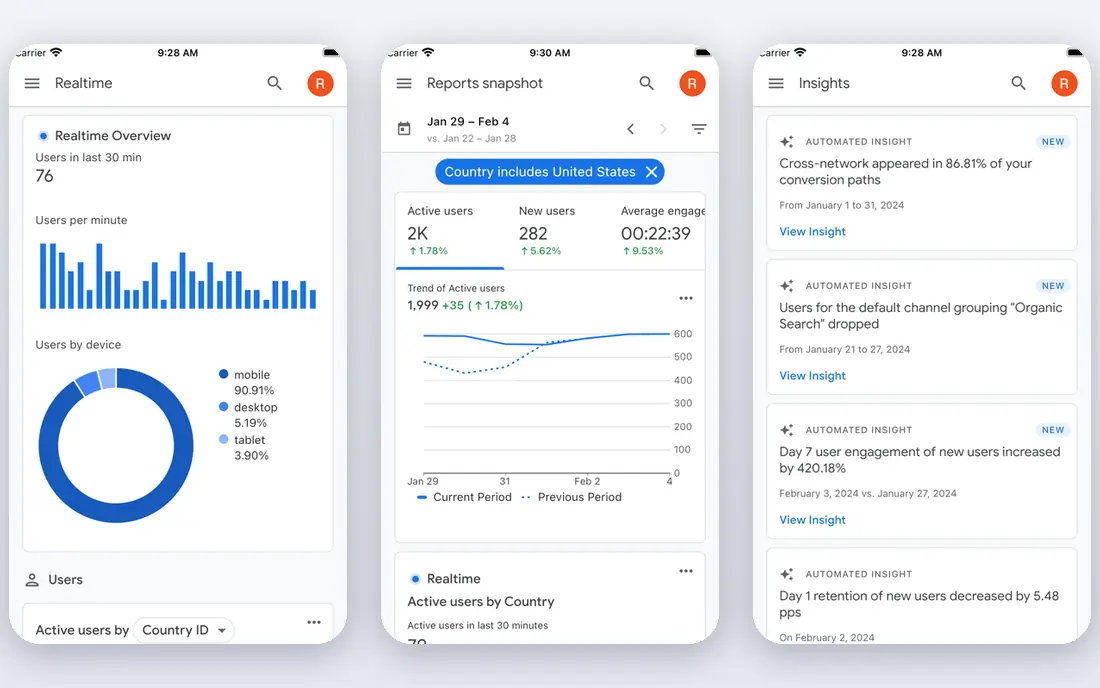
Google Analytics 4 is a strong match for free baseline measurement. Google Analytics 4 is the baseline every team should have, because it is free and gives data-driven attribution across channels, devices and campaigns. Its BigQuery export lets analysts build custom ROI views, and its integration with Google Ads makes paid search reporting straightforward. For a small team, it may be enough to spot which channels deserve more budget.
The catch is worth stating plainly. The limits show up in B2B work, where long, multi-person journeys and offline deals are hard to capture from web data alone. Treat GA4 as a foundation, then add a CRM-linked tool when you need deal-level ROI. If that trade-off fits your budget and your team, it earns a place on a shortlist, but check the current plan limits and contract terms on the vendor site before you commit.
- Free to use
- Data-driven attribution
- BigQuery export for deeper analysis
- Session-based limits for B2B journeys
- CRM and offline revenue links need extra work
Adobe Marketo Measure is a strong match for enterprise b2b revenue attribution. Adobe Marketo Measure, formerly Bizible, is built for large B2B firms that need custom attribution rules across Salesforce and Marketo data. Its multi-touch models can be tuned to a firm's sales process, and its reporting serves revenue operations teams that need consistent numbers across marketing and sales. That customisation is the reason large enterprises choose it over simpler tools.
The catch is worth stating plainly. Pricing is quoted and implementation is a project, not a quick setup, so it fits firms with a revenue operations team. Smaller B2B teams will get faster value from Dreamdata or HockeyStack, which are easier to deploy. If that trade-off fits your budget and your team, it earns a place on a shortlist, but check the current plan limits and contract terms on the vendor site before you commit.
- Highly customisable multi-touch models
- Salesforce and Marketo integration
- Revenue operations reporting
- Quote-only pricing
- Setup is heavy and suits large revenue operations teams
Dreamdata is a strong match for b2b account journey attribution. Dreamdata stitches touchpoints from several contacts in one account into a single deal journey, which matches how B2B deals actually happen. That account view helps a team see which campaigns influenced a deal, even when the first click came from a different person than the deal owner. A free plan lets smaller B2B teams start without a sales call, which is unusual in this market.
The catch is worth stating plainly. The paid tiers are custom priced, so budgeting takes a sales conversation. It also needs clean CRM and advertising data to work well, so invest in that connection before judging the reports. If that trade-off fits your budget and your team, it earns a place on a shortlist, but check the current plan limits and contract terms on the vendor site before you commit.
- Free plan available
- Account-based journeys
- Pipeline and revenue reporting
- Paid plans are custom priced
- Best value needs CRM and ad data connected
HockeyStack is a strong match for b2b revenue and product data together. HockeyStack gives B2B revenue teams one view from first touch to closed-won, combining marketing, product usage and CRM data. That combination helps SaaS teams answer whether a campaign brought users who actually adopted the product, not just users who signed up. Its journey views make it easier to explain ROI to leadership in terms of pipeline and revenue.
The catch is worth stating plainly. Pricing is quote based and sales led, so small teams should expect a demo process. It fits SaaS firms with product data worth linking to marketing, rather than firms that only need simple campaign reports. If that trade-off fits your budget and your team, it earns a place on a shortlist, but check the current plan limits and contract terms on the vendor site before you commit.
- Links marketing, product and CRM data
- Journey and revenue reporting
- SaaS-focused views
- Quote-based pricing
- Demo-led sales process rather than self-serve
Ruler Analytics is a strong match for call and offline revenue attribution. Ruler Analytics solves a gap many tools miss: leads that arrive by phone or form, then close offline. It tracks visitors, links calls and forms to campaigns, and connects that data to CRM revenue, so a lead generation team can see which campaigns produced paying customers. That offline link is essential for agencies and service firms.
The catch is worth stating plainly. The starting price of $400 per month puts it above simple analytics tools, and value depends on CRM and call tracking being connected well. For call-heavy businesses, though, that offline visibility is the whole point. If that trade-off fits your budget and your team, it earns a place on a shortlist, but check the current plan limits and contract terms on the vendor site before you commit.
- Ties calls, forms and offline revenue to campaigns
- CRM integration
- Visitor-level tracking
- Starting price is high for very small firms
- Setup needs CRM and call data connected
Triple Whale is a strong match for ecommerce and shopify roi. Triple Whale is built for Shopify brands that need ad spend, orders and profit in one dashboard, rather than in separate ad and store reports. Its attribution and forecasting tools help ecommerce teams shift budget between channels based on margin, not just revenue. A free plan is available, with paid plans from $219 per month for the Foundation tier.
The catch is worth stating plainly. The Shopify focus is both a strength and a limit: brands on other platforms will get less value. It also rewards teams that already track profit, because revenue-only views can flatter a campaign that loses money after ad and fulfilment costs. If that trade-off fits your budget and your team, it earns a place on a shortlist, but check the current plan limits and contract terms on the vendor site before you commit.
- Store-centric dashboard
- Ad spend, orders and profit views
- Attribution and forecasting tools
- Shopify focus limits fit for non-Shopify stores
- Higher tiers add cost quickly
Northbeam is a strong match for high-spend paid media optimisation. Northbeam suits high-spend paid media teams that need to compare channels where clicks alone mislead, such as video, social and search working together. It blends click-based tracking with modelled analysis, so budget decisions reflect cross-channel effects rather than last-click wins. Its reporting is built for media buyers, with views that support shifting spend between channels.
The catch is worth stating plainly. Pricing is quoted and the platform is aimed at larger budgets, so small advertisers will find simpler tools more practical. It earns its place when paid spend is large enough that a better allocation decision pays for the tool. If that trade-off fits your budget and your team, it earns a place on a shortlist, but check the current plan limits and contract terms on the vendor site before you commit.
- Blends click tracking with modelled cross-channel analysis
- Budget optimisation views
- Media-focused reporting
- Quote-based pricing
- Best for larger paid media budgets
Factors.ai is a strong match for mid-market account analytics. Factors.ai combines account identification with attribution, so a B2B team can see which companies visited, which campaigns touched them, and how those accounts moved toward a deal. Its Lite plan from $199 per month gives mid-market teams a lower entry point than many enterprise tools. Journey views help marketers explain account progress without building custom reports.
The catch is worth stating plainly. The Lite plan has limits that growing teams will outgrow, and higher tiers are priced annually. It fits mid-market B2B teams that want account insight and attribution together, rather than buying two separate tools. If that trade-off fits your budget and your team, it earns a place on a shortlist, but check the current plan limits and contract terms on the vendor site before you commit.
- Account identification and attribution in one platform
- Lite plan from $199 per month
- Journey views
- Paid tiers rise to $6,000 per year and above
- Smaller teams should check Lite limits
How we picked these
We compared vendor product pages, pricing pages and documentation, and we checked CRM and store connections, attribution models, offline and call handling, and reporting depth. We did not claim hands-on testing, and where a vendor does not publish a price we wrote See website. The list covers both B2B and ecommerce, because ROI tracking looks different in each.
What to check before you buy
Match the tool to your system of record first. B2B ROI lives in the CRM, while ecommerce ROI lives in the store and ad platforms, so a tool that cannot connect to your system of record will produce pretty charts and weak numbers. Confirm the integration during a trial, with your real data.
Pick one attribution model to start, and stick with it for a quarter. Changing models every month makes trends impossible to read, and teams end up arguing about the model instead of fixing weak campaigns. Review the model only after you have clean data and a full sales cycle.
Include costs beyond ad spend. Agency fees, tool costs, content production and sales time all affect true ROI, and a campaign that looks profitable on ad spend alone can lose money once those costs are counted. Build a simple cost sheet before you judge any campaign.
Frequently asked questions
What is the best campaign ROI tracking software?
For HubSpot teams, HubSpot Marketing Hub is the simplest path, because campaigns and revenue share one CRM. For B2B attribution, Dreamdata and HockeyStack are strong picks, while Triple Whale suits Shopify brands. Google Analytics 4 remains the best free baseline for every team.
How do you track campaign ROI?
Connect campaign spend to leads, deals or orders, then subtract total campaign costs and divide by those costs. Attribution tools automate the linking step by joining ad, web, CRM and store data. Clean source data matters more than the model you choose.
Is Google Analytics 4 enough for ROI tracking?
For small teams and simple funnels, yes, especially with BigQuery export for custom views. For B2B deals with long cycles, offline closes or call leads, a CRM-linked tool such as Dreamdata, HockeyStack or Ruler Analytics gives deal-level ROI that GA4 alone cannot.
What is multi-touch attribution?
Multi-touch attribution shares credit for a deal or order across several campaign touches, rather than giving all credit to the first or last click. Common models include linear, time-decay and data-driven approaches. No model is exact, so use it to compare channels, not to assign blame or praise to a single touch.
How much do campaign ROI tracking tools cost?
Google Analytics 4 is free, Factors.ai Lite starts at $199 per month, Triple Whale from $219 per month, and Ruler Analytics from $400 per month. HubSpot Marketing Hub starts at $20 per month for Starter, with attribution on Professional from $890 per month. Enterprise B2B tools such as Marketo Measure and Northbeam price by quote.
Sources
- https://www.hubspot.com
- https://analytics.google.com
- https://www.adobe.com
- https://dreamdata.io
- https://hockeystack.com
- https://www.ruleranalytics.com
- https://www.triplewhale.com
- https://www.northbeam.io
- https://www.factors.ai
- https://blog.hubspot.com/marketing/hubspot-marketing-hub-pricing
- https://usermaven.com/blog/hockeystack-alternatives
See where you really rank - block by block
ProMapRanker scans Google Maps across a grid of your service area. Simple monthly plans from $19, white-label on every plan.
Start freeKeep reading
 wpforms alternatives
Best WPForms Alternatives in 2026
We compare 9 wpforms alternatives for WordPress forms, with free and paid options, current pricing notes, and honest limits for small business sites in 2026.
Read → windows task scheduler alternatives
Best Windows Task Scheduler Alternatives in 2026
Looking for Windows Task Scheduler alternatives? We compare 9 schedulers for Windows and cross-platform work, from free tools to enterprise automation.
Read → which ai video service is best
Which AI Video Service Is Best in 2026
which ai video service is best? We compare 10 legitimate AI video services on price, avatars, editing and output quality to help you pick the right tool.
Read →