 ProMapRanker
Best Call Tracking Software for Music Stores in 2026

Overall call tracking for local retail · Pricing starts at: See website
Direct answer
CallRail is my top pick for most music stores because it ties each phone call to the ad, listing or page that produced it, which matters when a parent calls about guitar lessons after seeing your Google Business Profile. Pricing is quote-based, so check its pricing page. If you mainly want to see where you rank in local search, look at Local Viking. If you want call tracking and reputation tools together, look at Invoca.
I put this list together from vendor documentation and public sources, not from hands-on testing. I looked at how each product handles the calls a music store actually gets: lesson enquiries, repair drop-offs, rental questions and stock checks. Where a tool is really built for larger companies, I say so.
Key takeaways
- Music stores get calls for very different reasons (lessons, repairs, rentals, stock checks), so you need software that can tag each call by source and by type.
- Dynamic number insertion swaps the phone number on your website by traffic source without you editing every page by hand.
- Call recording and transcription help you review how staff handle lesson enquiries and repair quotes.
- Google Business Profile call tracking needs a separate number so calls from Maps and Search can be counted.
- Check how each vendor handles number portability and whether your main store number can stay on the sign outside.
Quick comparison
| Pick | Great for | Pricing starts at | Free tier | |
|---|---|---|---|---|
| CallRail | Overall call tracking for local retail | See website | Free trial | Visit |
 Invoca | Call tracking with conversation analytics | See website | Not stated | Visit |
 Local Viking | Local rank tracking beside call data | See website | Free trial | Visit |
 CallTrackingMetrics | Flexible call flows and routing | See website | Free trial | Visit |
 WhatConverts | Lead tracking across calls and forms | See website | Free trial | Visit |
 Ringba | Inbound call routing at scale | See website | Not stated | Visit |
 Marchex | Enterprise call analytics | See website | Not stated | Visit |
The best call tracking software for music stores compared
CallRail is a call tracking platform built around attributing phone calls to marketing sources. For a music store it fits well because you can run one number for the website, one for Google Business Profile and one for a print ad, then see which one rings. That tells you whether the lesson enquiry came from Maps or from the flyer you put up in the window.
In day-to-day use, you set up a tracking number per source, enable dynamic number insertion on the site, and let the software swap numbers for visitors arriving from search, ads or social. Call recordings and transcripts let you review how a staff member handled a rental question or a repair quote. You can tag calls as lesson enquiry, repair, rental or stock check, which makes weekly reporting clearer than a list of phone numbers.
The limit is scale. A single-store shop with a modest ad budget may find the quote-based pricing hard to justify at first, and the deeper analytics sit in higher plans. If you only need a simple count of calls, a lighter tool may be enough.
- Dynamic number insertion by source
- call recording and transcription
- integrations with Google Ads and analytics
- Pricing is quote-based
- advanced features sit in higher tiers
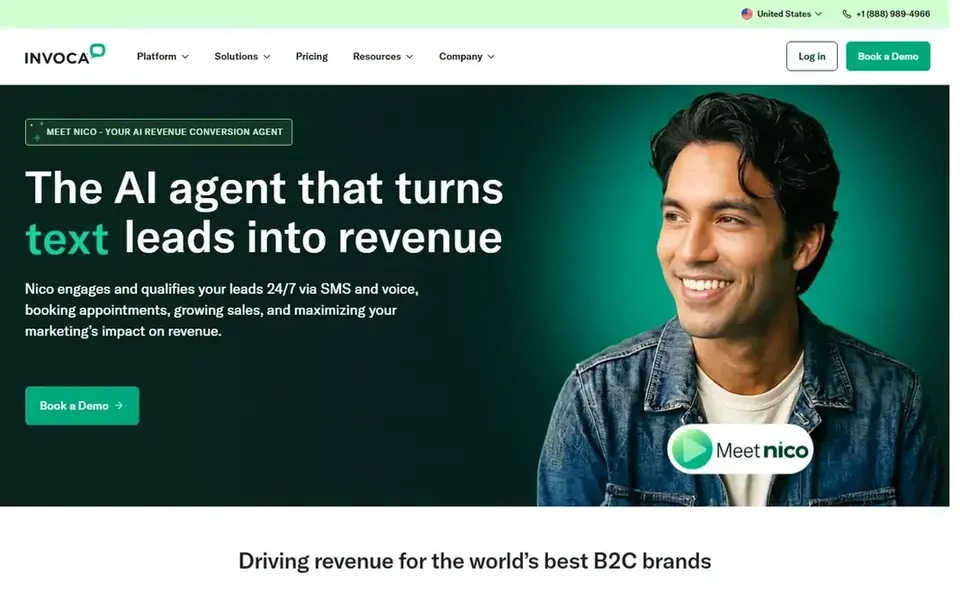
Invoca focuses on call intelligence rather than simple counting. It records and analyses calls so you can see themes across many conversations, which is useful if you run a multi-location music chain and want to know how often people ask about beginner lessons versus instrument repairs.
For a music store, the value is in spotting patterns. If a large share of calls ask whether you rent band instruments for school term, that is a signal to put rental details on your Google Business Profile and your website. The analytics help you find those patterns without listening to every recording yourself.
The trade-off is fit. Invoca is built for organisations with a marketing team and a real budget, so a single independent shop will likely find it more than it needs. Check the pricing page before you go further.
- Conversation analytics on recorded calls
- ties calls to campaigns
- works with larger marketing stacks
- Aimed at bigger teams
- no published self-serve pricing
Local Viking is a local SEO tool with Google Business Profile management and local rank tracking. I include it because music stores often want to know both how many calls they get and where they appear in the map pack for searches like "guitar lessons near me" or "instrument repair shop".
The practical workflow is to track rankings for the terms that bring in calls, then compare changes with call volume from your tracking tool. If rankings for "violin rental" improve and calls about rentals rise in the same period, you have a reasonable signal that the listing work is paying off.
It is not a call tracking system, so do not buy it expecting call recording or number routing. Use it alongside a call tracker if local visibility is a big part of your marketing.
- Google Business Profile management tools
- local rank tracking
- geo-grid style visibility views
- Not a dedicated call tracking platform
- call features are limited
CallTrackingMetrics is a contact centre style platform that handles calls, forms and chat in one place. For a music store with a front desk and a lessons coordinator, the routing rules are the useful part: calls about lessons can go to the lessons desk while repair enquiries ring the service counter.
You can build menus and rules so callers reach the right person, and track which sources produced which calls. That is handy if you run ads for lessons in one season and repairs in another, because you can see which campaign filled the phone lines.
The downside is complexity. Setting up routing and tracking numbers takes thought, and the interface assumes some comfort with marketing tools. A small shop with one phone line may find it heavier than needed.
- Detailed call routing rules
- support for multiple locations
- form and chat tracking alongside calls
- Setup takes planning
- interface is dense for beginners
WhatConverts is built around the idea of a lead rather than a call. Every phone call, web form and chat becomes a lead record with its source attached. For a music store, that means a lesson enquiry by phone and a repair booking by form land in the same place, so you can see which channel brings in the most business.
This suits stores that run a website with booking forms alongside phone enquiries. You can see whether a parent who filled in a lesson form also called later, and which page or ad started the conversation.
One limitation is cost structure: pricing scales with the number of leads you track, so a busy store with many enquiries should check the tiers carefully. If you only want call counts, it is more than you need.
- Ties calls, forms and chats to a single lead record
- lead source reporting
- call recording
- Pricing scales with lead volume
- more than a simple call counter
Ringba is a pay-per-call and inbound routing platform used by call networks and lead generators. I include it because some music stores work with lesson marketplaces or referral partners, and Ringba is the kind of tool those partners use to route calls.
For a single shop, the realistic use is limited. If you buy or sell calls through a network, understanding how routing works helps you ask better questions of your partner. If you just want to know which ad produced a lesson enquiry, a simpler tracker fits better.
The main limitation is audience. Ringba is built for operations that manage many calls and buyers, so an independent store will likely find the setup and terminology a poor match.
- Strong routing and call flow controls
- real-time reporting
- built for high call volumes
- Designed for call networks
- not aimed at single retail stores
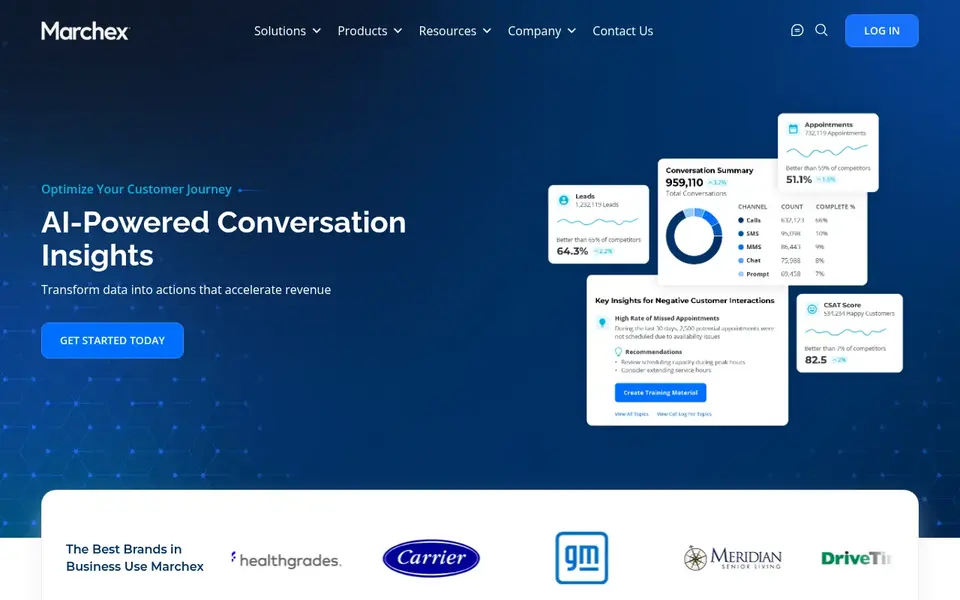
Marchex provides call analytics for larger brands, including conversation analysis and reporting across many locations. A music store chain with several branches and a central marketing team could use it to compare call handling and call themes across stores.
For an independent shop, it is usually out of scope. The product assumes a marketing organisation and a volume of calls that a single store rarely has. I list it so you know the name if a larger competitor or a franchise you deal with mentions it.
If you are a one-location store, skip it and put your budget into a simpler tracker plus better Google Business Profile content.
- Conversation analytics
- works with large marketing programmes
- reporting for multi-location brands
- Enterprise focus
- not a self-serve small business tool
How I chose
I compared these tools using vendor documentation and public sources, and I did not run hands-on tests. My starting point was the call types a music store handles: lesson enquiries, repair drop-offs, rentals and stock checks. I then checked whether each product could tag calls by source, record and transcribe them, and report in a way a shop owner could read without training.
I also looked at fit and limits. Some products on this list are built for call networks or enterprise marketing teams, and I say so rather than pretending they suit a single store. I avoided stating prices because vendor pricing changes and often depends on volume, so I point you to each pricing page instead.
What to check before you buy
- Confirm whether you can keep your main store number on signage and use tracking numbers only for ads and the website.
- Ask how Google Business Profile calls are tracked, since many lesson enquiries start from Maps.
- Check whether call recording is allowed in your region and how consent is handled.
- Make sure you can tag calls by type (lessons, repairs, rentals, stock) so reports match how you work.
- Ask how numbers are ported or released if you leave the vendor.
- Check integrations with the tools you already use, such as Google Ads or your booking system.
Frequently asked questions
Do music stores really need call tracking software?
If a meaningful share of your enquiries arrive by phone, yes. Call tracking shows which ads, listings and pages produce calls, so you can stop guessing. Stores that mostly sell in person and get few calls can start with a simple setup and add features later.
Can I track calls from my Google Business Profile?
Yes, usually by using a dedicated tracking number on the listing. Calls from Maps and Search then route through the platform and get counted. Keep your main number visible elsewhere so regular customers still recognise it.
Will a tracking number hurt my local rankings?
A tracking number on your website is common practice and does not by itself harm rankings. Keep your main business name, address and phone consistent in your core listings, and use dynamic number insertion so visitors see a number that matches the source.
How do I handle lesson enquiries versus repair calls?
Use separate tracking numbers or routing rules for each type. That lets the lessons desk and the repair counter each get the right calls, and it gives you clean reports on which service brings in more phone business.
Is call recording allowed?
Rules vary by country and region, and often depend on consent. Check your local requirements and ask each vendor how it handles consent notices before you record calls.
Sources
See where you really rank - block by block
ProMapRanker scans Google Maps across a grid of your service area. Simple monthly plans from $19, white-label on every plan.
Start freeBrowse all guides
← Best Call Tracking Software for Hobby Shops (2026)Best Call Tracking Software for Propane Companies in 2026 →
 best call tracking software for elevator companies
Best Call Tracking Software for Elevator Companies in 2026
A guide to the best call tracking software for elevator companies in 2026, compared from vendor documentation and public sources, with fit and limits.
Read → best call tracking software for comic book shops
Best Call Tracking Software for Comic Book Shops in 2026
A guide to the best call tracking software for comic book shops in 2026, covering call attribution, staff training and local SEO for storefront retailers.
Read → best call tracking software for aquarium stores
Best Call Tracking Software for Aquarium Stores in 2026
A practical guide to call tracking software for aquarium stores, covering call attribution, recordings, routing and local SEO reporting.
Read →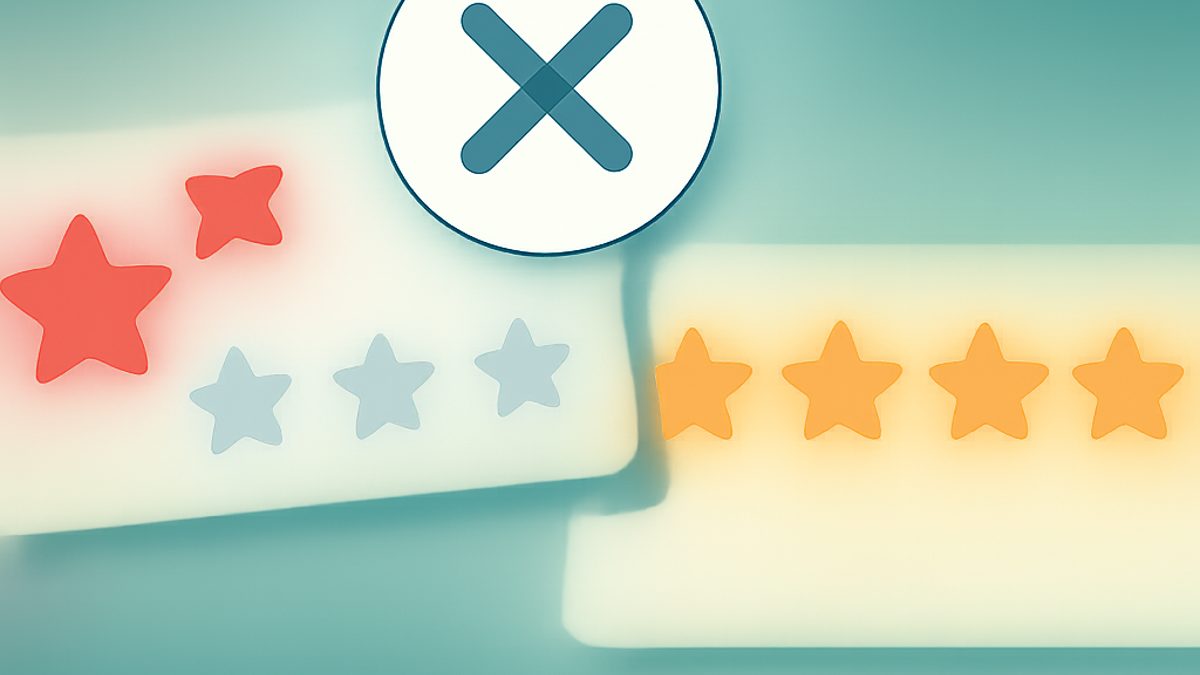 how to remove bad reviews from google my business
How to Remove Bad Reviews From Google My Business
How to flag and remove fake or policy-violating reviews from your Google Business Profile, step by step.
Read → why is my business not showing up on google
Why Is My Business Not Showing Up on Google? Full Troubleshooting Guide
A complete troubleshooting guide for when your business won't appear on Google Search or Maps, with fixes for each cause.
Read → local falcon alternative
Local Falcon Alternative: Why Agencies Are Switching to ProMapRanker
A Local Falcon alternative that unifies geo-grid and AI search tracking with transparent pricing.
Read →More in Local SEO & Google Maps · All guides A to Z by date · Latest guides