 ProMapRanker
Best Brand Protection Companies in 2026


Marketplace counterfeits at scale · Pricing starts at: See website
Key takeaways
- Red Points suits brands facing large marketplace counterfeit volume, with unlimited takedowns as its headline model.
- Corsearch suits legal teams that need trademark work plus enforcement in one system.
- BrandShield, ZeroFox and Bolster suit security teams fighting phishing, impersonation and fake domains.
- Most enterprise pricing is quote based, so budget by threat type and volume, not by a published price list.
Quick comparison
| Pick | Great for | Pricing starts at | Free tier | |
|---|---|---|---|---|
| Red Points | Marketplace counterfeits at scale | See website | No | Visit |
 Corsearch | Trademark plus enforcement | See website | No | Visit |
 BrandShield | Phishing and impersonation | See website | No | Visit |
 MarqVision | AI-led global enforcement | See website | No | Visit |
 MarkMonitor | Large domain portfolios | See website | No | Visit |
 Brand Protector | Small and mid-size brands | $199 per month | Free trial | Visit |
 ZeroFox | Social and executive protection | See website | No | Visit |
 Bolster | Phishing takedown automation | See website | No | Visit |
 CSC | Domain and marketplace monitoring | See website | No | Visit |
The best brand protection companies
We compared brand protection companies that monitor and remove counterfeits, impersonation and trademark abuse in October 2026. The best brand protection software for your brand depends on where abuse happens: marketplaces, domains, social media or paid search.
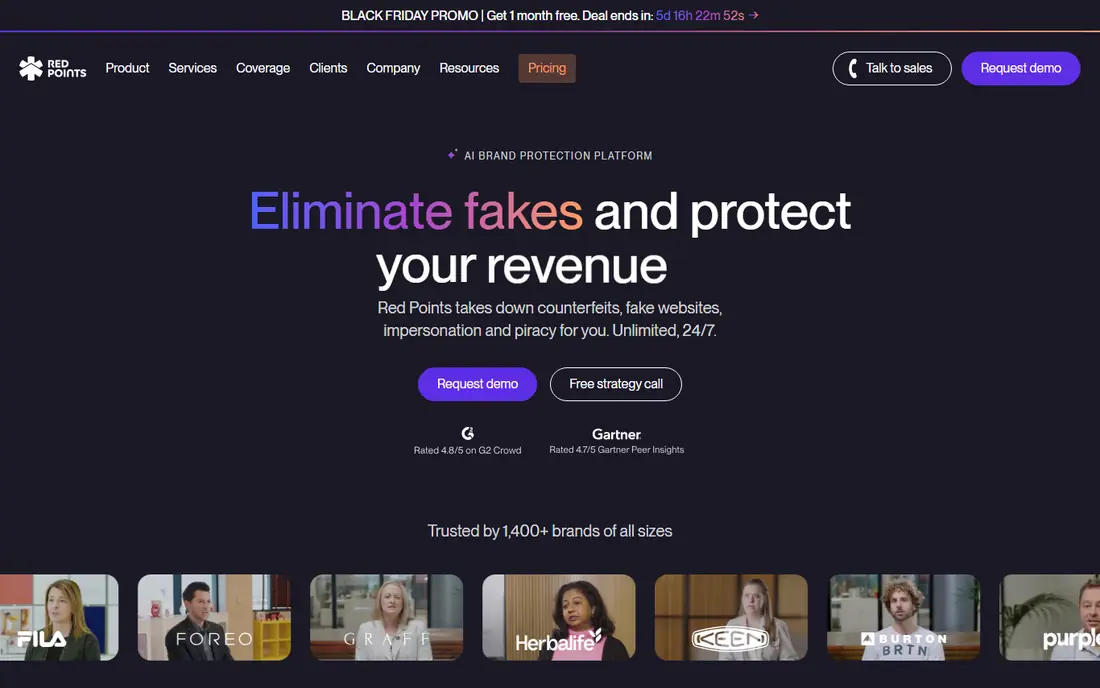
Red Points is the strongest pick for brands drowning in marketplace counterfeits. Its platform scans marketplaces, social media, websites, domains and app stores, and its flat-fee model with unlimited takedowns helps brands with high volume avoid per-takedown cost swings. That model matters when fake listings reappear daily.
Small brands face a higher barrier. Recent third-party checks put a self-serve tier near 938 dollars per month plus trademark add-ons, so the practical floor sits above 1,100 dollars per month. Brands without registered trademarks should confirm what can be protected before buying.
- Unlimited takedowns in flat-fee model reported
- Broad marketplace and social coverage
- Managed enforcement
- Pricing is per trademark in some tiers
- Small brands may find cost high
- Needs registered trademarks for full use
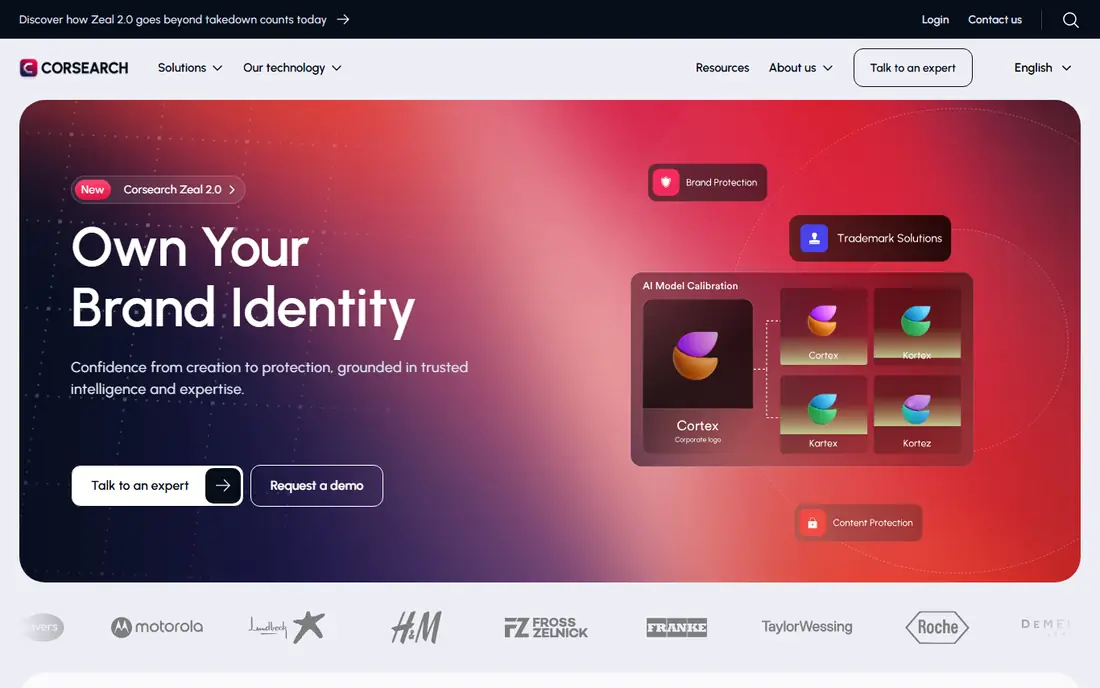
Corsearch suits IP and legal teams that need trademark lifecycle work beside enforcement. Clearance, watching and portfolio tools sit beside marketplace and domain enforcement, so legal teams can move from a new mark to monitoring and takedown in one system. That breadth helps firms with large portfolios.
It is an enterprise, demo-led sale, with no widely published price. Small consumer brands may find it heavy and costly compared with self-serve tools. Legal teams with many marks and enforcement cases will get the most value from its depth.
- Trademark search, watching and clearance
- Online enforcement
- Legal team workflows
- Enterprise pricing
- Demo-led sales
- Less simple for small Shopify brands
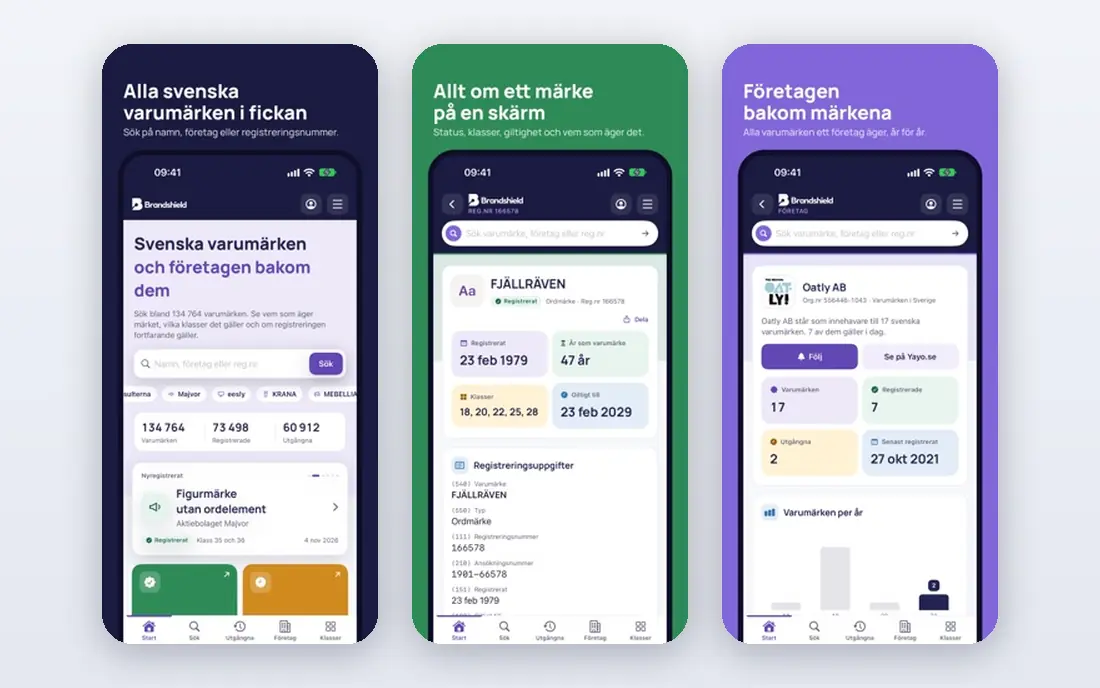
BrandShield fits security and brand teams fighting phishing, fake domains and social impersonation. Its threat detection looks beyond marketplaces to domains, social accounts and phishing sites that trick customers. Managed takedown support helps teams that lack time to chase each abuse case by hand.
Pricing is not published, and the sale is enterprise-led, so small brands should expect a demo and a quote. Marketplace counterfeit depth also varies by plan, so brands with heavy marketplace abuse should compare coverage with Red Points or MarqVision.
- Phishing and fake domain detection
- Social impersonation monitoring
- Managed takedowns
- No public pricing
- Enterprise focus
- Marketplace depth varies by plan
MarqVision appeals to global consumer brands that need AI-led detection and enforcement across marketplaces, social media and websites. Its hybrid AI and human review model aims to cut false positives while acting fast on clear fakes. Fashion and luxury brands feature strongly among its public clients.
Pricing is not published, and onboarding needs clean trademark and product data to work well. Brands should ask about detection accuracy, takedown times and coverage in their key markets, especially China-facing platforms where coverage varies.
- AI detection across channels
- Global enforcement support
- Fashion and consumer brand focus
- No public pricing
- Demo-led sale
- Needs clear trademark and product data
MarkMonitor remains the domain specialist for enterprises with large portfolios. It helps firms register, manage and protect domains, and enforce against lookalike and infringing domains. For firms where domain abuse drives phishing and lost traffic, that focus is the right starting point.
It is less of a single answer for marketplace counterfeits or social impersonation alone. Ownership has also changed, with the business now under Com Laude, so buyers should confirm current product scope in a demo. Pair it with a marketplace tool if counterfeits are also a major threat.
- Domain portfolio management
- Domain enforcement
- Long enterprise history
- Enterprise pricing
- Now under new ownership
- Less focused on social counterfeits alone
Brand Protector is the self-serve pick for Shopify merchants and Amazon sellers. Published pricing near 199 dollars per month, with a 7-day free trial reported in 2026 comparisons, makes it easy to test without a demo call. Takedowns are prepared for sellers, which helps small teams without legal staff.
Scale and coverage are narrower than Red Points or Corsearch. Large brands with global, multi-channel abuse will likely need an enterprise platform. For a small or mid-size brand with a clear marketplace problem, Brand Protector offers a practical first step.
- Published pricing
- 7-day free trial reported
- Marketplace takedowns prepared for sellers
- Smaller scale than enterprise leaders
- Coverage narrower
- Support depends on plan
ZeroFox suits security teams protecting brands, executives and domains from social fraud and impersonation. Its external threat intelligence looks at social accounts, domains and dark web mentions that signal scams using a brand name. That view helps regulated firms and high-profile executives most.
Pricing is quote based and enterprise-led, so small brands should look at self-serve tools first. Marketplace counterfeit enforcement is part of a wider security offer, not its only focus, so pure e-commerce brands should compare marketplace depth separately.
- Social impersonation protection
- Executive and domain monitoring
- Threat intelligence
- Enterprise pricing
- Security-team focus
- Marketplace enforcement is not its sole focus
Bolster appeals to security engineering teams that want API-first detection and fast phishing takedowns. Its automation can find and remove phishing sites quickly, which matters for financial and SaaS brands that face constant lookalike domains. API access also lets teams feed detections into their own security tools.
It is less suited to trademark lifecycle work or large marketplace counterfeit programs alone. Technical setup and integration work should be planned, and pricing needs a demo or quote. Teams that already run a security stack will get the most from its API model.
- API-first phishing detection
- Automated takedowns
- Security engineering fit
- Pricing not widely published
- Technical setup
- Less trademark lifecycle depth
CSC, or Corporation Service Company, serves enterprises with domain management, domain enforcement and marketplace monitoring. Its scale suits firms that manage many domains and brands across regions, and that need a single vendor for domain and brand risk. That breadth helps legal and security teams share one view.
Pricing is enterprise and quote based, and product scope varies by plan, so a demo must confirm marketplace depth, social coverage and takedown process. Small brands will find self-serve tools faster and cheaper. Large firms with domain-heavy risk should shortlist CSC beside MarkMonitor.
- Domain management and enforcement
- Marketplace monitoring reported
- Enterprise scale
- Enterprise pricing
- Demo-led sale
- Product scope needs a demo to confirm
How we picked these
We compared official vendor pages, pricing pages and 2026 brand protection comparisons for companies that still offer live monitoring and enforcement. We kept companies with a clear threat focus, a live platform, and coverage for at least one major abuse channel. We left out pure trademark filing services with no monitoring, single-marketplace tools with no broader enforcement, and defunct vendors.
We did not claim hands-on testing or verified rankings. Our notes rest on publicly reported features, pricing style and channel fit, and buyers should run a trial or audit on their own brand abuse before signing.
How to choose brand protection without paying for the wrong coverage
Start with an abuse audit, not a vendor demo. Search your brand name, key products and common misspellings across marketplaces, domains, social media and paid search. Note where fakes actually appear, since that map decides which vendor fits.
Next, match the vendor to the top two channels. Marketplace-heavy brands need Red Points, MarqVision or Brand Protector. Domain and phishing-heavy brands need BrandShield, Bolster, MarkMonitor or CSC. Trademark-heavy firms need Corsearch. Buying a broad platform for a narrow problem wastes budget.
Finally, test takedown speed and accuracy on real cases. Give vendors a set of known fakes and track how many are removed, how fast, and how many false positives appear. A fast takedown rate with many false positives can harm legitimate sellers and your own resellers.
What to ask in a demo
Ask about coverage by channel and region, takedown times, false positive handling, trademark requirements, and reporting. Ask who handles takedowns, whether enforcement is managed or self-serve, and how reappearing listings are handled. Ask for a trial audit on your brand, not a generic slide deck.
Budgeting for brand protection
Budget by volume and trademark count, since both drive price at many vendors. Self-serve tools start near 199 dollars per month, while enterprise platforms often start in the low thousands per month and rise with scope. Get a written quote for your trademark count, channels and expected takedown volume before comparing vendors.
Frequently asked questions
What is the best brand protection software?
Red Points is a strong pick for marketplace counterfeits at scale, while Corsearch suits trademark-heavy legal teams. BrandShield and Bolster suit phishing-led threats, and Brand Protector suits small brands. The best brand protection software depends on where your abuse happens most.
How much does brand protection cost?
Self-serve tools can start near 199 dollars per month, while enterprise platforms are usually quote based and start much higher. Red Points self-serve pricing has been reported near 938 dollars per month plus trademark add-ons. Always get a quote for your trademark count and channels.
How does brand protection software work?
It monitors marketplaces, domains, social media, websites and app stores for misuse of your name, logo or products. It then flags suspected abuse and helps file takedowns or legal enforcement. Some tools automate takedowns, while others use human review for complex cases.
Do small brands need brand protection?
Small brands need it when fakes, impersonation or phishing start to affect sales or trust, even at a modest scale. A self-serve tool or a free audit can show whether the problem justifies a paid plan. If abuse is rare, manual searches and marketplace reports may be enough for now.
Can brand protection remove all counterfeits?
No tool removes every fake permanently, since sellers often relist under new names. Good tools reduce volume, speed takedowns and deter repeat sellers. Expect ongoing monitoring, not a one-time clean-up, and track takedown rates over months, not days.
What is the difference between brand protection and trademark registration?
Trademark registration gives you legal rights in a mark, while brand protection monitors and enforces those rights online. Many enforcement tools work best with registered trademarks, since platforms often require proof of rights for takedowns. Register key marks first, then add monitoring.
Sources
See where you really rank - block by block
ProMapRanker scans Google Maps across a grid of your service area. Simple monthly plans from $19, white-label on every plan.
Start freeKeep reading
 wpforms alternatives
Best WPForms Alternatives in 2026
We compare 9 wpforms alternatives for WordPress forms, with free and paid options, current pricing notes, and honest limits for small business sites in 2026.
Read → windows task scheduler alternatives
Best Windows Task Scheduler Alternatives in 2026
Looking for Windows Task Scheduler alternatives? We compare 9 schedulers for Windows and cross-platform work, from free tools to enterprise automation.
Read → which ai video service is best
Which AI Video Service Is Best in 2026
which ai video service is best? We compare 10 legitimate AI video services on price, avatars, editing and output quality to help you pick the right tool.
Read →