 ProMapRanker
5 Best Augmented Reality Visualization Software for 2026
Direct answer
8th Wall is the first pick on this list for open source web-based AR. Listed starting prices: Unity from $210.00 a month. Look at Zappar for brand-focused AR and creative options, and at ARKit for iOS and iPadOS AR development. The remaining 2 options are covered below with prices and limits.
Choosing augmented reality visualization software usually comes down to price, fit and limits. This ProMapRanker guide sets 5 tools side by side on those three points, with the facts kept short and checkable.
Key takeaways
- 8th Wall takes the first slot, best suited to open source web-based AR.
- Unity is the lowest-priced starter here at $210.00 per month.
- One limit worth knowing about Zappar: may be geared toward marketing use cases.
- A permanent free plan is missing from all 5 tools, 8th Wall and Wikitude included; plan for a trial or a premium start.
Quick comparison
| Pick | Great for | Pricing starts at | Free tier | |
|---|---|---|---|---|
 8th Wall | Open source web-based AR | See website | Not stated | Visit |
 Zappar | Brand-focused AR and creative options | See website | Not stated | Visit |
 ARKit | IOS and iPadOS AR development | See website | Not stated | Visit |
 Unity | Cross-platform AR and 3D visualization | $210.00 a month | Free trial | Visit |
 Wikitude | Cross-platform AR SDK for developers | See website | Not stated | Visit |
5 options for augmented reality visualization software in detail
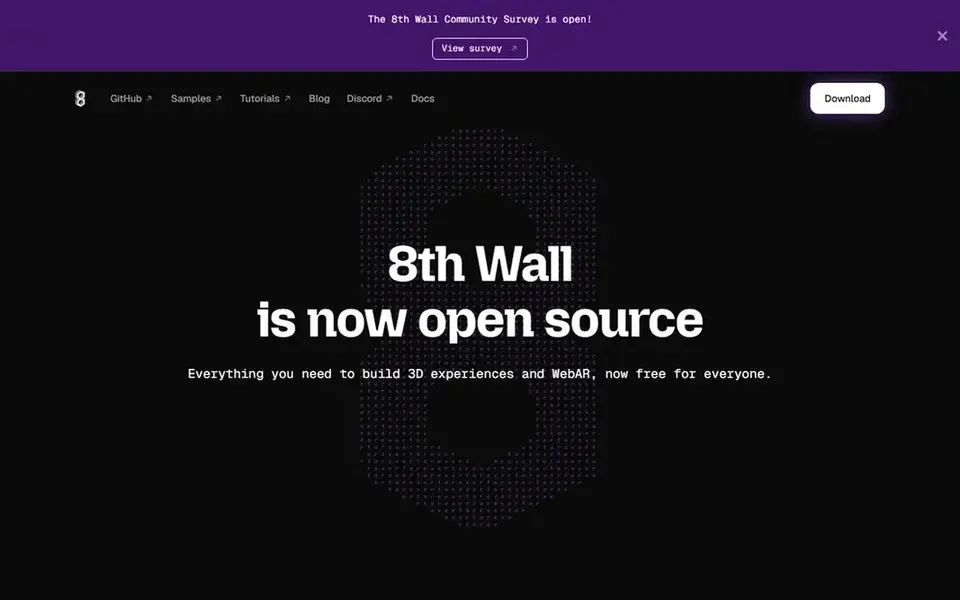
8th Wall is built with open source web-based AR in mind. 8th Wall is an open source platform for building augmented reality and interactive 3D experiences on the web. It makes it possible for developers to produce immersive AR that runs in browsers without app installation.
The main drawbacks: May need web development skills.
Also, choose 8th Wall for accessible, open source web AR. On top of that, 8th Wall concentrates on web AR, so it may not match the performance of native AR for complicated scenes. Pricing for 8th Wall is not stated here, so ask the vendor for current figures. As for free access: Not stated.
- No app install required
- Open source and free
- Restricted to web capabilities
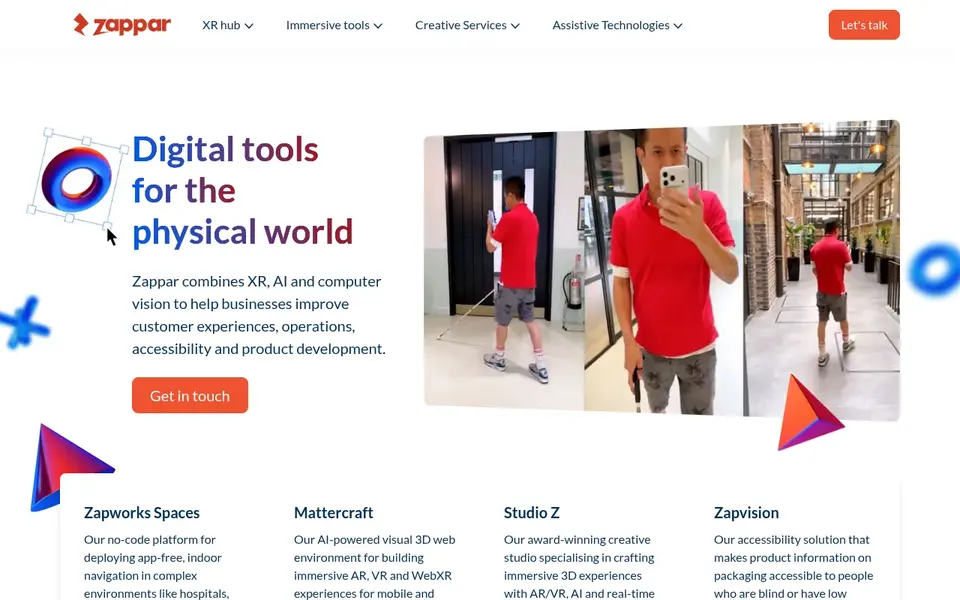
Pick Zappar if this describes you: brand-focused AR and creative options. Zappar supplies augmented reality options with an in-house creative studio and a platform for AR creators.
Where it falls short: May be geared toward marketing use cases.
For everyday use, for developer-centric AR, other SDKs might offer more control. Pick Zappar when you need creative and product support for AR campaigns. Pricing for Zappar is not stated here, so ask the vendor for current figures. Free plan details: Not stated.
- In-house creative studio
- Focus on brand engagement
- Custom options can need consultation
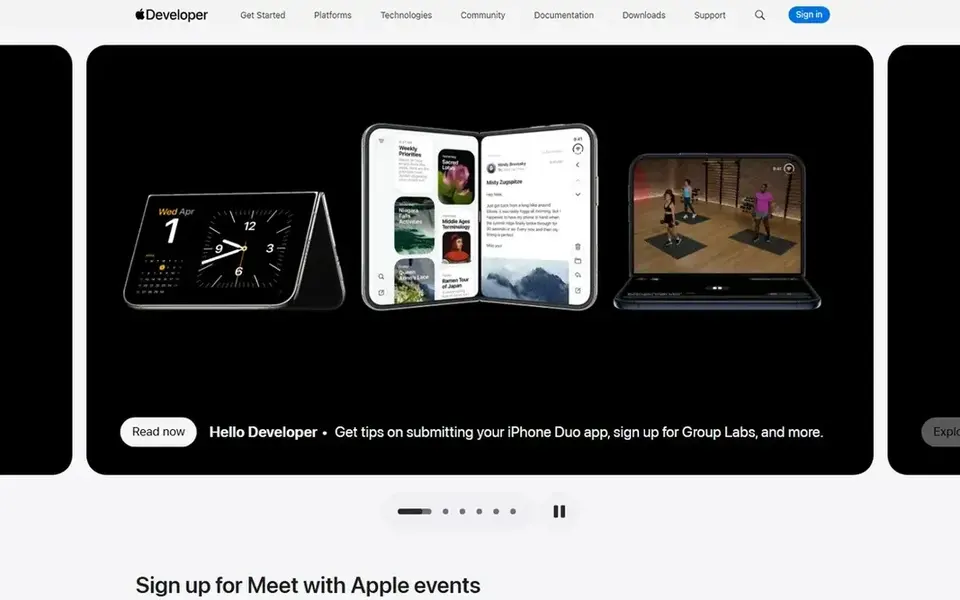
ARKit makes the most sense for iOS and iPadOS AR development. For cross-platform needs, consider Unity or other SDKs.
Worth adding: ARKit is restricted to Apple devices, so it cannot serve Android users. This comparison lists no price for ARKit; ask the vendor. On free options: Not stated.
Where it is weaker: Needs Swift or Objective-C knowledge.
- Deep integration with iOS and iPadOS
- High-quality motion tracking
- Apple systems only

Unity targets cross-platform AR and 3D visualization. For light, web-based AR, a specialized SDK may be more appropriate. Unity's breadth means it can be overkill for straightforward AR overlays, and new users face a ramp-up time.
Where it is weaker: Needs coding knowledge for advanced features.
In practice, Unity is a leading 3D game engine that also powers augmented reality visualization across mobile, PC, console, and XR systems. It offers a thorough environment for building interactive AR scenes, from prototyping to deployment. Price to start with Unity: $210.00 per month. Free plan details: Free trial.
- Large ecosystem for development and deployment
- Supports major systems including XR
- Steeper ramp-up time for beginners
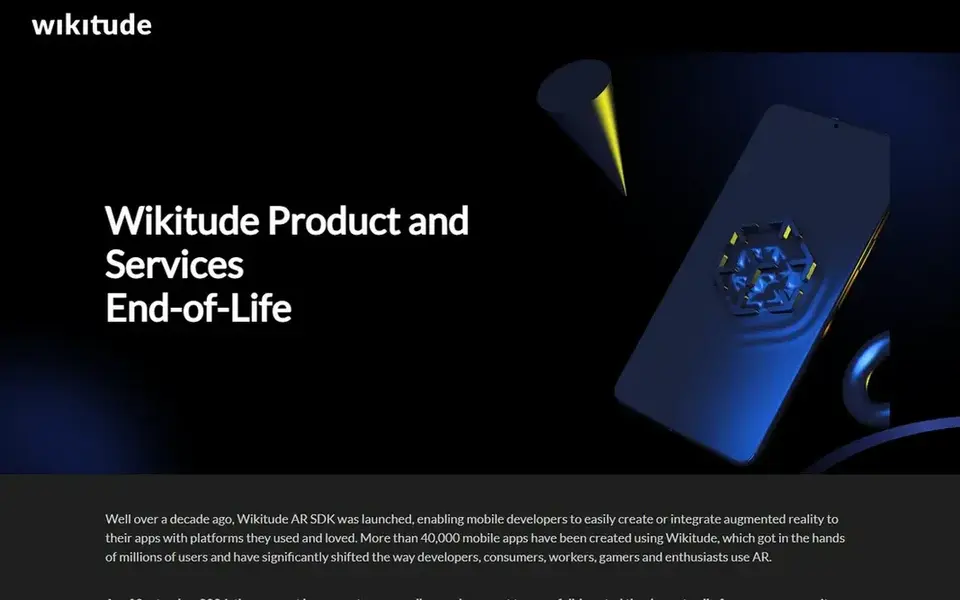
Wikitude serves cross-platform AR SDK for developers. Also, for more straightforward projects, native SDKs might be easier.
Wikitude needs programming knowledge and may lack the deep community support of bigger engines. This comparison lists no price for Wikitude; ask the vendor. Free plan details: Not stated.
Where it is weaker: Requires development expertise.
- Adaptable for several AR use cases
- AR SDK with recognition features
- Documentation may be less broad
How these tools were picked
Selection started from tools commonly considered for augmented reality visualization software, then narrowed to 5 that have clear pricing information or a clear quote process. Plan names, prices and limits change often. Treat the figures here as a starting point and verify them with the vendor. Order on the page follows fit for the typical buyer first, then price transparency and free access. Your own requirements should decide the final pick.
What to check before you buy
- Confirm the entry price on the vendor page. For 8th Wall, Zappar, ARKit and Wikitude that means a quote rather than a fixed price.
- Take the trial from Unity and push a live task through it before you pay.
- Read the limits listed for 8th Wall first: restricted to web capabilities.
- Check the integration list for Zappar against the tools you run today, and note which ones need a higher plan.
- Confirm you can export your data from 8th Wall, so leaving later does not mean losing records.
Frequently asked questions
Do these tools publish their prices?
Not all of them. 8th Wall, Zappar, ARKit and Wikitude publish no starting price, so expect a quote request for those. The rest, Unity included, show a starting price, though seats and billing terms still change the final cost.
Is 8th Wall the right pick for everyone comparing augmented reality visualization software?
No single tool suits every team. 8th Wall comes first because it fits open source web-based AR, while Zappar suits brand-focused AR and creative solutions and ARKit suits iOS and iPadOS AR development. Match the tool to your own size, budget and workflow before deciding.
Which AR tool is a good match for cross-platform development?
8th Wall comes first here and is built for open source web-based AR. Buyers with other needs may prefer Zappar (for brand-focused AR and creative options) or ARKit (for iOS and iPadOS AR development). Compare costs and limits first.
Can I try these options before paying?
Often, yes. Unity offers a free trial. Use your own data and a real task during the test, and check what the free tier or trial limits before you rely on it. All 5 picks in this Augmented reality Visualization software comparison list a starting price, free plan details and the main limits on their cards above.
What is the cheapest option for augmented reality visualization software in this list?
On published monthly entry prices, Unity is the lowest here at $210.00 per month. Entry price is only part of the cost, because seats, add-ons and billing terms can change the total. For the full picture, the cards above cover all 5 entries of this Augmented reality Visualization software list, including price, free plan and limits.
Sources
See where you really rank - block by block
ProMapRanker scans Google Maps across a grid of your service area. Simple monthly plans from $19, white-label on every plan.
Start freeBrowse all guides
← Augmented Reality Visualization Software for Startups (2026)5 Best Data Integration Software for Real Estate Agents for 2026 →
 best agentic analytics software for small business
Best Agentic Analytics Software for Small Business in 2026
5 options for the best agentic analytics software for small business, with entry costs, free tiers and the buyer each one serves. Real limits included. No hype.
Read → top ai inference analytics software
AI Inference Analytics Software in 2026: Top 5 Compared
5 tools for the top AI inference analytics software, compared on pricing, free plans and best-fit use. Details on cost, catches and fit. Pick by budget.
Read → best pdf data extraction tools
PDF Data Extraction Tools in 2026: Top 6 Compared
6 products for the best PDF data extraction tools, ranked by fit, with starting costs and free tiers. The catches are listed up front. Prices included.
Read → best ai search analytics platforms
Best AI Search Analytics Platforms in 2026
Best AI search analytics platforms compared for tracking brand mentions in AI answers, with prices, engines covered and what each tool does with the data.
Read → best data aggregation tools
Best Data Aggregation Tools in 2026
Best data aggregation tools in 2026 compared: managed ELT, open source pipelines, and streaming options for warehouses, analytics, and growing teams today.
Read → best rent reporting services
Best Rent Reporting Services in 2026
Compare the best rent reporting services by bureaus, backdating, landlord checks, and monthly cost, with honest limits on how rent affects credit scores.
Read →More in Data & Analytics · All guides A to Z by date · Latest guides