 ProMapRanker
Best Apps to Resell On in 2026

Key takeaways
- eBay is our pick for the widest reach, since it covers almost every category and supports both fixed prices and auctions.
- Vinted and Depop keep more money in the seller's pocket on standard sales, since Vinted charges no seller fee and Depop charges no selling commission in the US.
- Poshmark suits fashion sellers who like a social feed and a prepaid label, but its 20 percent fee on larger sales is the highest here.
- Local sales on Facebook Marketplace and OfferUp suit bulky items, since pickup avoids shipping cost and packing work.
- Match the app to the item first, then check the fee page before pricing, since fees change and small differences add up across many sales.
Quick comparison
| Pick | Great for | Pricing starts at | Free tier | |
|---|---|---|---|---|
 eBay | Widest reach across categories | Free | Yes | Visit |
 Mercari | Simple general reselling | Free | Yes | Visit |
 Poshmark | Social fashion selling | Free | Yes | Visit |
 Depop | Vintage and streetwear fashion | Free | Yes | Visit |
 Vinted | Everyday clothes with no seller fee | Free | Yes | Visit |
 Facebook Marketplace | Local and bulky items | Free | Yes | Visit |
 OfferUp | Local sales with meetup options | Free | Yes | Visit |
 Etsy | Vintage and handmade reselling | Free | Yes | Visit |
 StockX | Authenticated sneakers and collectibles | Free | Yes | Visit |
 Whatnot | Live auction selling | Free | Yes | Visit |
The best apps to resell on
These ten apps cover general goods, fashion, local pickup, vintage, and authenticated collectibles. We compared official help and fee pages, app listings, and current seller guides, and we kept only apps that are live in the US in October 2026. Fees are summarized here, and the app fee page is the final source before you list.
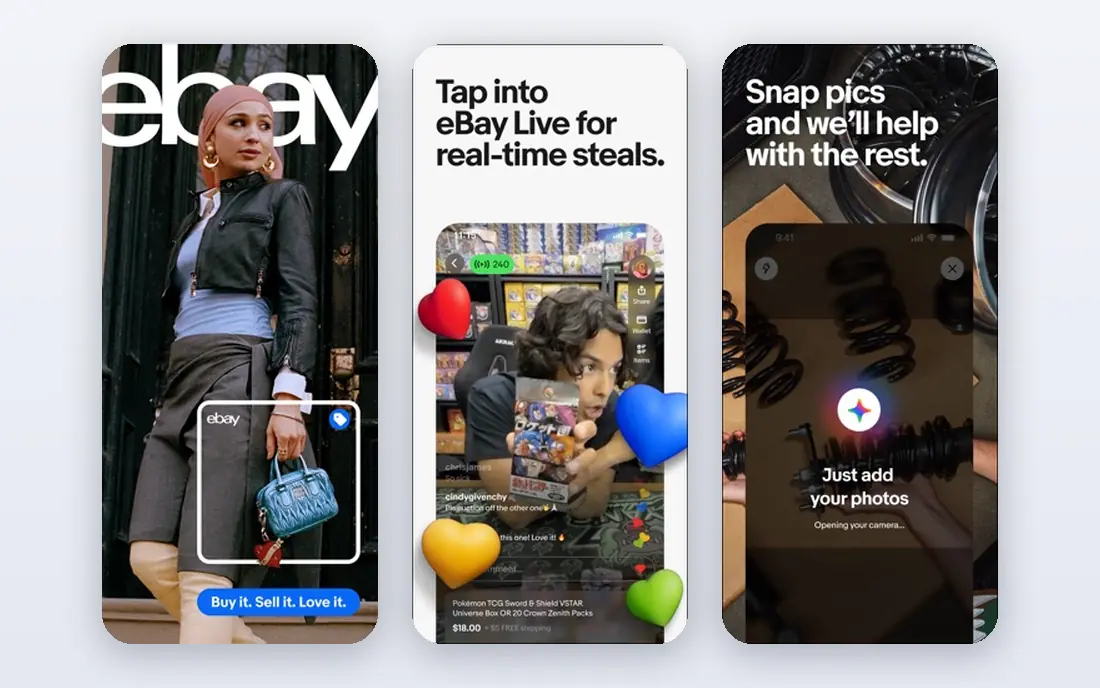
eBay remains the default resell platform for sellers with mixed stock. Electronics, collectibles, parts, clothing, and home goods all find buyers there, and auctions can lift prices on scarce items. Sold listings help you price from real completed sales rather than from asking prices that never moved.
The cost is the catch. In most categories, eBay charges about 13.6 percent of the total sale, including shipping and tax, plus a per-order fee. That fee buys reach, but it changes the math on low-value items. Use eBay for items where the larger audience is worth the fee, and move everyday clothes to a cheaper fashion app.
- Largest buyer pool for general goods
- Fixed price and auction options
- Detailed search and sold-item data for pricing
- Final value fee of about 13.6 percent in most categories plus a per-order fee
- Listing process takes more time than simpler apps
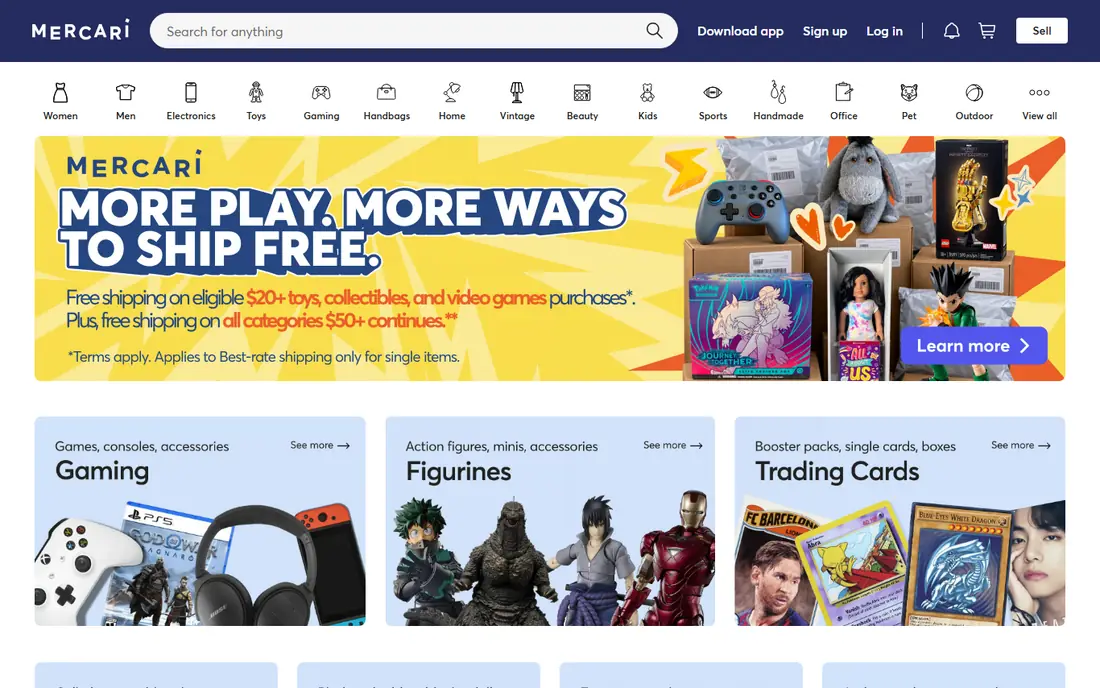
Mercari suits sellers who want to clear household goods, toys, electronics, and clothing without learning a complex seller dashboard. Listing takes a few photos and a short description, and prepaid labels keep shipping simple. The 10 percent fee applies to the item price plus buyer-paid shipping on current listings, so check the help page for the exact rule when you price.
Mercari is less useful for high-end fashion or authenticated goods, where specialist apps bring better buyers. It is also a shipped-only platform, so bulky furniture is a poor fit. For a drawer of mixed items, Mercari is one of the fastest routes from listing to payout.
- Fast phone listing with minimal fields
- 10 percent selling fee with no separate payment fee on recent listings
- Prepaid labels available
- Shipped items only, with no local pickup option
- Buyer pool is smaller than eBay for niche goods
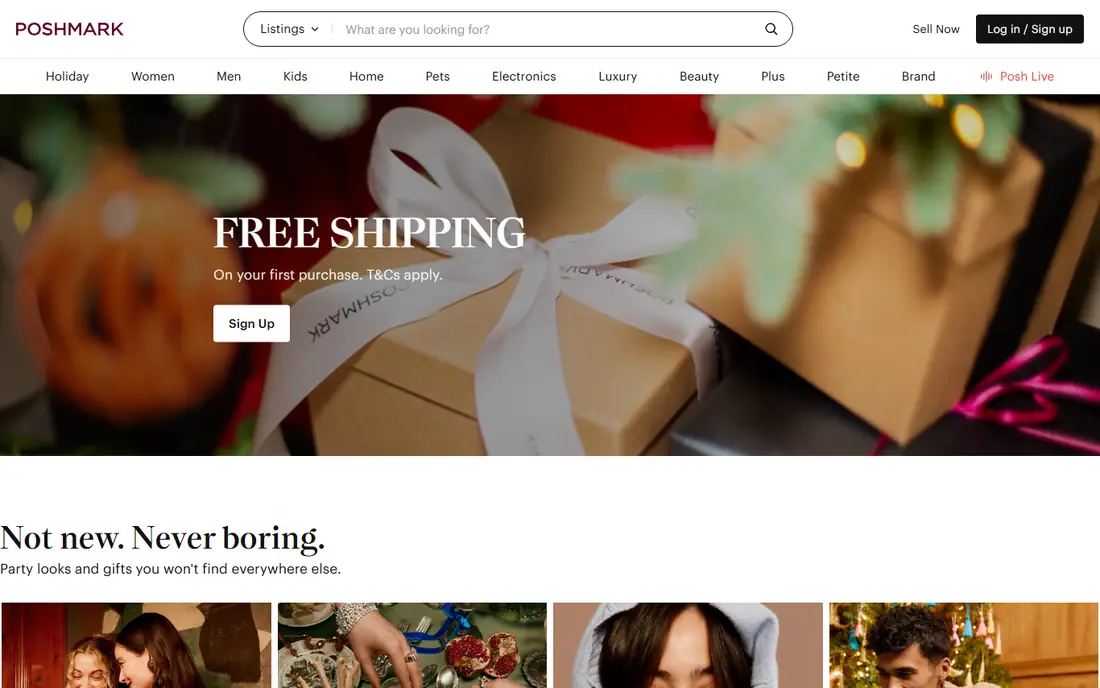
Poshmark works best for brand-name clothing, shoes, and accessories. The social feed, sharing, and Posh Party events help listings surface, and the prepaid label removes the need to weigh every parcel. Sellers who share regularly and respond to offers tend to move fashion stock steadily.
The fee is the honest downside. At 20 percent on sales of 15 dollars or more, Poshmark takes more than most rivals, so low-margin thrift finds can lose money after the fee. Price with the fee in mind, and reserve Poshmark for fashion pieces where its audience justifies the cut. For everyday clothes at low prices, Vinted usually leaves you more.
- Fashion-focused buyer pool
- Prepaid shipping label included for buyers
- Offers, bundles, and social sharing tools
- 20 percent commission on sales of 15 dollars or more
- Flat 2.95 dollar fee on smaller sales
Depop is the pick for vintage, Y2K fashion, streetwear, and indie labels. Its shop format rewards a clear style, good photos, and regular drops, and its audience actively searches for distinctive pieces rather than generic basics. For US sellers, Depop charges no selling commission on standard sales, with payment processing still applying.
That low fee only helps if your stock matches the audience. Plain basics and general household goods sell slowly here. Sellers should also note that boosted listings carry an extra fee, so test organic reach first. For a curated vintage shop, Depop is one of the best value resell platforms available.
- No selling commission for US sellers on standard sales
- Trend-led audience for vintage and streetwear
- Social shop format suits curated sellers
- Payment processing fee of 3.3 percent plus 0.45 dollars applies
- Boosted listings add a further fee
Vinted is the value pick for everyday clothing. Sellers keep the full sale price on standard sales, while buyers pay a protection fee at checkout that covers secure payment and a refund policy for lost, damaged, or misdescribed items. That structure makes it ideal for clearing mass-market brands and children's clothes in volume.
Vinted is not a general marketplace. Electronics, furniture, and collectibles belong elsewhere. The buyer pool also expects low prices, so rare designer pieces may earn more on a specialist fashion app. For a closet clear-out, though, no other major app leaves the seller with as much of each sale.
- No seller fees on standard sales
- Buyers pay a protection fee at checkout
- Simple listing for everyday brands
- Best for clothing rather than general goods
- Buyers may be price sensitive, which limits high-end pricing
Facebook Marketplace suits furniture, appliances, bikes, and anything awkward to post. Local pickup is free for sellers, and buyers in your area can collect the same day. That speed matters for bulky stock that would cost more to ship than it is worth.
Shipped sales are a different deal, with a fee applying, so check the current commerce rules before offering shipping. For pickup deals, meet in a public place, confirm payment before handing over the item, and keep messages inside the app. Marketplace rewards clear photos, honest condition notes, and prompt replies.
- Large local audience with no fee on local pickup sales
- Good for furniture and bulky goods
- Messages stay inside a familiar app
- Shipped sales carry a fee
- No built-in seller protection on cash pickup deals
- Scam messages need careful filtering
OfferUp is a strong local alternative to Facebook Marketplace, especially for sellers who value its meetup spots and TruYou verification badges. Local sales suit furniture, tools, and household goods, and the app format is simple for phone-first sellers. Verification badges help buyers trust a new seller.
Shipped sales cost more, at about 12.9 percent with a minimum fee, so OfferUp is less attractive for low-value parcels sent across the country. Use it locally first, and reserve shipped selling for items where local demand is thin. For neighborhood flips, it is a practical, low-cost choice.
- Free local cash sales
- Community MeetUp Spots for safer exchanges
- Shipped sales available for smaller items
- Shipped sales carry a fee of about 12.9 percent with a minimum
- Smaller shipped audience than eBay
Etsy is not a general used-goods app, and that focus is its strength. Genuine vintage items, meaning items at least 20 years old, plus handmade goods, find gift and collector buyers who search Etsy first. A well-curated shop with good photos can command better prices than a general marketplace for the same vintage piece.
Costs add up across listing, transaction, and payment fees, so price carefully. Newer used clothing and ordinary electronics do not belong here and may be removed. For vintage resellers, Etsy is the best resell platform for reaching buyers who value age, condition, and story.
- Strong audience for genuine vintage items over 20 years old
- Gift buyers pay well for curated pieces
- Shop format suits a branded store
- Listing fee of 0.20 dollars plus a 6.5 percent transaction fee and payment fees
- Vintage rules exclude newer used goods
StockX suits sneakers, streetwear, trading cards, and collectibles where authenticity matters. Every item passes through StockX verification before reaching the buyer, which removes the trust problem that slows high-value resale elsewhere. Live price data also helps sellers time a listing around demand.
Fees include a commission plus a payment processing fee, so check the seller fee page for the current total on your item. Payout also takes longer than a local cash sale, since authentication and shipping sit in between. For hyped sneakers and collectibles, that delay is worth the higher buyer confidence.
- Authentication step builds buyer trust for sneakers and collectibles
- Live market pricing data
- Global buyer pool for hyped items
- Commission plus payment processing fees apply
- Payout waits until authentication and delivery complete
Whatnot is the pick for sellers who enjoy live selling. Trading cards, sneakers, collectibles, and fashion move quickly in live shows, and repeat viewers build a following that returns for the next show. For sellers with a steady supply of collectible stock, live auctions can clear inventory faster than static listings.
Live selling is also work. You need a camera setup, a show plan, and the confidence to present items on stream. Fees include a commission plus payment processing, so factor those into starting bids. For static, slow-moving household goods, a standard marketplace is a better fit than a live show.
- Live shows clear stock fast
- Strong audience for collectibles, trading cards, and sneakers
- Auction energy can lift prices on scarce items
- Commission plus payment processing fees apply
- Live selling needs presentation skill and a reliable schedule
How we picked these
We compared official fee and help pages, app listings, and current seller guides for apps that are live in the US in October 2026. We kept only platforms where a seller can list today, and we covered general goods, fashion, local sales, vintage, and authenticated collectibles so different stock types have a real option. We did not claim hands-on selling tests. Fees change, so the app fee page is the final source before you set a price.
Choosing the best resell platform for your stock
Start with the item, not the app. Fashion goes to Poshmark, Depop, or Vinted depending on price and style. General goods go to eBay or Mercari. Bulky goods go local on Facebook Marketplace or OfferUp. Vintage goes to Etsy, and authenticated sneakers and collectibles go to StockX or Whatnot.
Then run the fee math on your actual sale price, including shipping and any per-order charge. A 10 dollar difference in fees matters little on one sale, but it matters a great deal across fifty sales. Also weigh speed against price. A cheaper app that takes weeks to sell may cost more in storage and time than a pricier app that sells in days.
Finally, protect yourself. Use tracked shipping for posted items, photograph condition honestly, and keep messages inside the app where a dispute may need them. For local sales, meet in public during daylight and confirm payment before handing over goods. Good records and honest listings build the repeat buyers that make reselling sustainable.
Frequently asked questions
What is the best app to resell on for beginners?
Mercari is the simplest start for general goods, since listing takes minutes and the fee is a flat percentage. Vinted is the simplest start for everyday clothes, since sellers pay no fee on standard sales. eBay suits beginners who want the largest audience and are willing to learn its longer listing form.
What is the best resell platform with the lowest fees?
Vinted has no seller fee on standard sales, which makes it the cheapest for clothing. Depop charges no selling commission for US sellers on standard sales, with payment processing still applying. Local pickup sales on Facebook Marketplace and OfferUp are also free for sellers.
Is eBay or Poshmark better for reselling clothes?
Poshmark suits brand-name fashion, thanks to its fashion audience and prepaid label. eBay suits a wider range of clothing, including niche sizes, vintage lots, and menswear that may not fit Poshmark's core audience. For everyday low-price clothes, Vinted usually leaves the seller with more money than either.
Can I sell the same item on multiple resell apps?
Yes, crosslisting is common, but you must remove the item from every other app as soon as it sells on one. Selling the same item twice creates refunds and account problems. Some sellers use a crosslisting tool to post once and track stock, which helps when inventory grows.
Do I need to pay tax on reselling income?
Tax rules depend on your location, sales volume, and whether reselling is a hobby or a business, and some platforms report sales above set thresholds. Keep records of purchase cost, fees, shipping, and sale price for every item. This article is general information only, not tax advice, so check with a qualified tax professional for your situation.
How do I avoid scams when reselling?
Use tracked shipping, keep messages inside the app, and never accept payment outside the platform for a shipped sale. For local sales, meet in public, inspect the item together, and confirm payment before handing it over. Report suspicious buyers promptly, and be cautious of offers far above your asking price.
Sources
See where you really rank - block by block
ProMapRanker scans Google Maps across a grid of your service area. Simple monthly plans from $19, white-label on every plan.
Start freeKeep reading
 wpforms alternatives
Best WPForms Alternatives in 2026
We compare 9 wpforms alternatives for WordPress forms, with free and paid options, current pricing notes, and honest limits for small business sites in 2026.
Read → windows task scheduler alternatives
Best Windows Task Scheduler Alternatives in 2026
Looking for Windows Task Scheduler alternatives? We compare 9 schedulers for Windows and cross-platform work, from free tools to enterprise automation.
Read → which ai video service is best
Which AI Video Service Is Best in 2026
which ai video service is best? We compare 10 legitimate AI video services on price, avatars, editing and output quality to help you pick the right tool.
Read →