 ProMapRanker
Best Apps for Self Improvement in 2026


Structured meditation for beginners · Pricing starts at: $12.99 per month
Key takeaways
- Headspace suits structured meditation for beginners, while Calm suits sleep and relaxation.
- Insight Timer offers the largest free meditation library, while Fabulous suits structured habit building.
- Forest helps with focus, while Blinkist and MasterClass suit learning in short sessions.
- Free plans vary a lot, so check what remains usable after any trial ends.
Quick comparison
| Pick | Great for | Pricing starts at | Free tier | |
|---|---|---|---|---|
| Headspace | Structured meditation for beginners | $12.99 per month | Free trial (14 days) | Visit |
 Calm | Sleep, relaxation and daily calm | $14.99 per month | Free trial | Visit |
 Insight Timer | Free meditation library and variety | $9.99 per month | Yes | Visit |
 Fabulous | Structured habit building and routines | $49.99 per year | Free trial | Visit |
 Forest | Focus and beating phone distraction | Free | Yes | Visit |
 Blinkist | Short book summaries for learning | See website | Free trial | Visit |
 MasterClass | Learning from well-known teachers | See website | Free trial | Visit |
 Day One | Journaling and personal reflection | See website | Yes | Visit |
The best Apps for Self Improvement in 2026
Self improvement apps work best when they fit a small daily habit, not a grand plan. We compared meditation, habit, learning and journaling apps that help with personal growth in short, repeatable sessions.
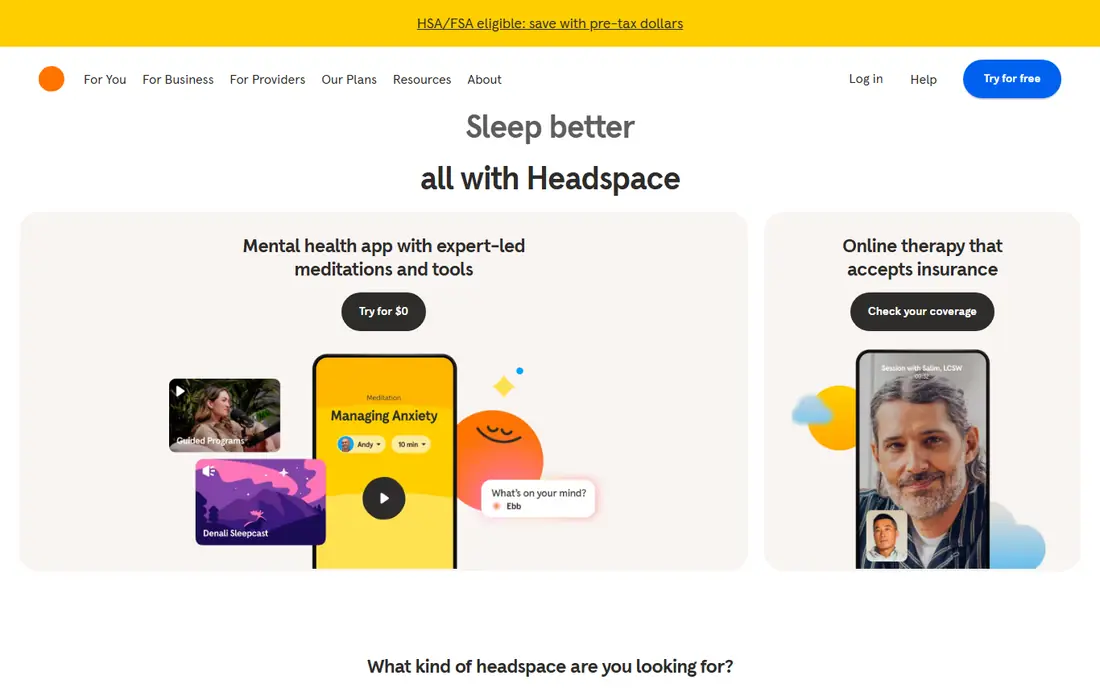
For many readers, Headspace is the first name worth trying, because it focuses on one job and does it clearly. It is best for structured meditation for beginners. Headspace teaches meditation one skill at a time, with courses that tell you what to do next instead of leaving you to browse. In daily use, that strength is what most people notice first, and it helps explain why this option keeps appearing in current roundups and vendor documentation.
After the trial, little remains free, so it only makes sense if you plan to use the courses regularly. That trade-off does not make it a poor choice, but it does mean you should weigh it against how you plan to use it. Try the free option first if one is offered, and check whether the paid limits match how often you will actually use it. If it fits your routine and budget, it can serve you well for a long time.
- Step-by-step courses
- Sleep and focus content
- Clear guidance
- Little free content after trial
- Annual cost adds up
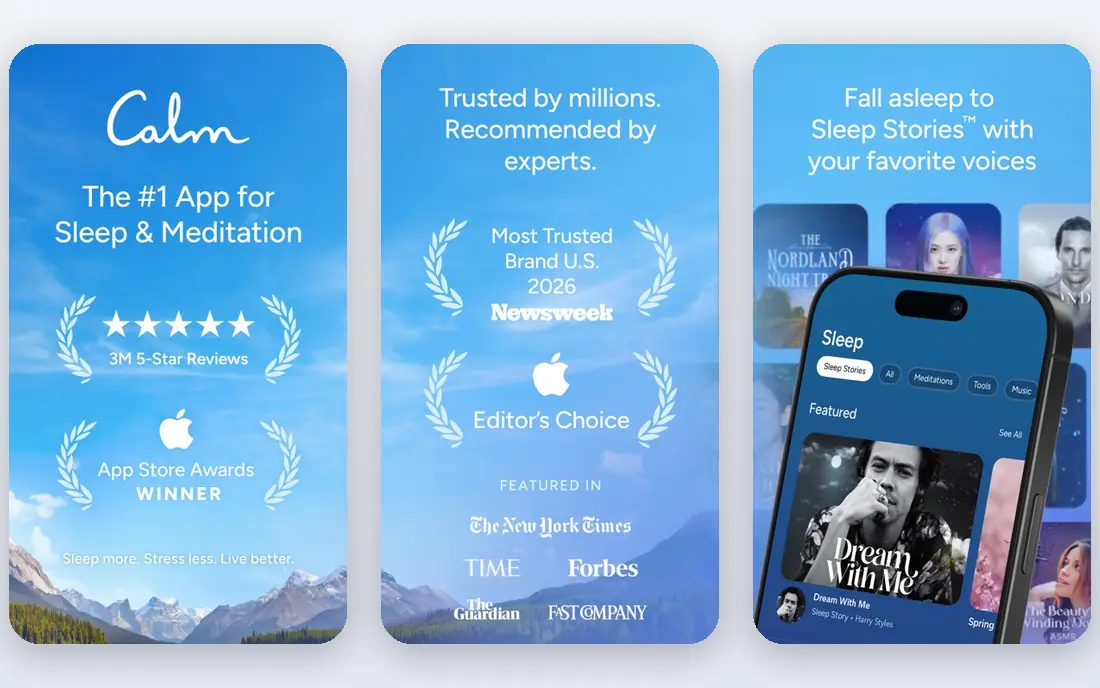
If you want a calmer starting point, Calm deserves a close look, since it keeps the setup short and the daily routine simple. It is best for sleep, relaxation and daily calm. Calm is best known for sleep stories and soundscapes, which help many readers wind down at night. In daily use, that strength is what most people notice first, and it helps explain why this option keeps appearing in current roundups and vendor documentation.
Pure meditation learners may find the app cluttered, since sleep and music content sit alongside courses. That trade-off does not make it a poor choice, but it does mean you should weigh it against how you plan to use it. Before you pay, compare the plan limits with your real weekly use, not with the longest feature list. If it fits your routine and budget, it can serve you well for a long time.
- Sleep stories
- Soundscapes
- Daily guided sessions
- Meditation can get lost among sleep and music content
- Limited free tier
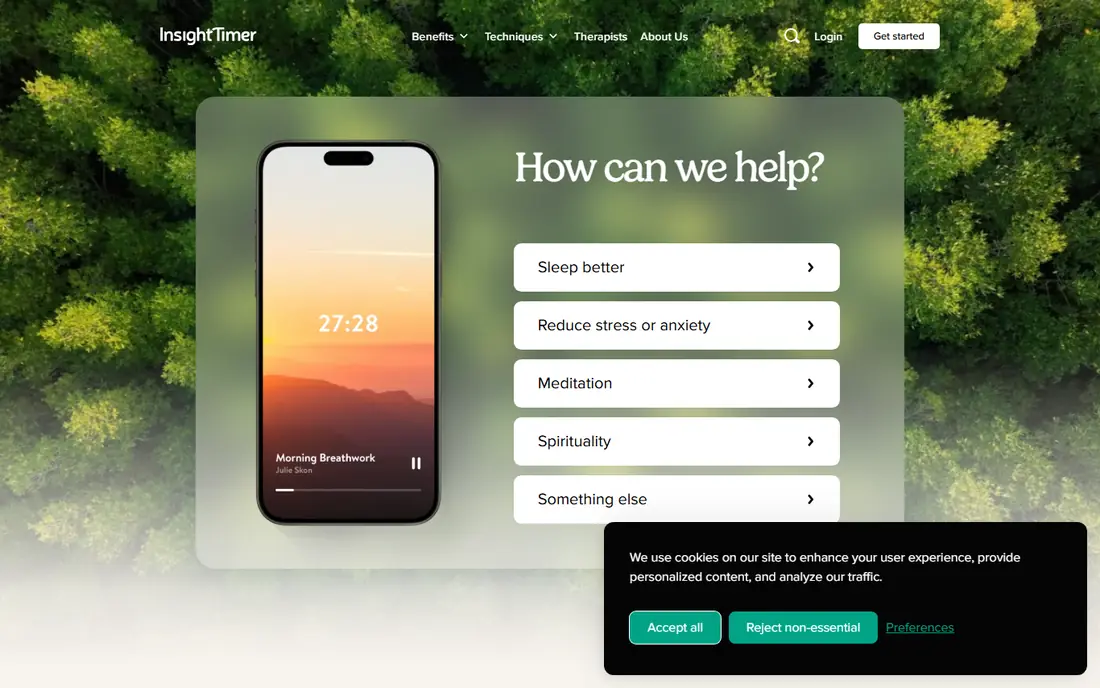
We put Insight Timer on this list for readers who need a practical option rather than a long feature list. It is best for free meditation library and variety. Insight Timer offers a very large free library from many teachers, so you can try styles without paying first. In daily use, that strength is what most people notice first, and it helps explain why this option keeps appearing in current roundups and vendor documentation.
Quality varies, since many teachers can upload content, so you may need to sample a few teachers to find your favorites. That trade-off does not make it a poor choice, but it does mean you should weigh it against how you plan to use it. It is worth a short trial period, because the right fit usually shows up in the first week of daily use. If it fits your routine and budget, it can serve you well for a long time.
- Large free library
- Many teachers
- Live events and timer
- Quality varies by teacher
- Interface is less polished than rivals
Fabulous stands out for a different reason than the leaders above it, and that difference may matter more to you than raw size. It is best for structured habit building and routines. Fabulous builds habits through guided journeys and daily routines, which suits readers who want structure rather than a blank tracker. In daily use, that strength is what most people notice first, and it helps explain why this option keeps appearing in current roundups and vendor documentation.
Full journeys need a paid plan, and its coaching tone feels prescriptive to some users, so try the trial first. That trade-off does not make it a poor choice, but it does mean you should weigh it against how you plan to use it. Check the current pricing page before you subscribe, since plans and limits change during the year. If it fits your routine and budget, it can serve you well for a long time.
- Guided habit journeys
- Daily routines
- Reminders and coaching paths
- Paid plan needed for full journeys
- Coaching style may not suit everyone
A good shortlist should include Forest, because it serves a specific kind of user very well. It is best for focus and beating phone distraction. Forest turns focus time into a game, since staying off your phone grows a virtual tree, which many users find motivating. In daily use, that strength is what most people notice first, and it helps explain why this option keeps appearing in current roundups and vendor documentation.
It covers focus only, so you will still need another app if you want meditation, journaling or detailed habit plans. That trade-off does not make it a poor choice, but it does mean you should weigh it against how you plan to use it. Try the free option first if one is offered, and check whether the paid limits match how often you will actually use it. If it fits your routine and budget, it can serve you well for a long time.
- Gamified focus timer
- Virtual trees
- Simple progress tracking
- Paid extras for some features
- Focus only, not full habit planning
Blinkist is the quieter choice here, and quiet can be a strength when you want fewer distractions. It is best for short book summaries for learning. Blinkist condenses nonfiction books into short summaries you can read or listen to in about fifteen minutes. In daily use, that strength is what most people notice first, and it helps explain why this option keeps appearing in current roundups and vendor documentation.
Summaries give ideas, not depth, so use them to choose books to read fully rather than as a replacement for reading. That trade-off does not make it a poor choice, but it does mean you should weigh it against how you plan to use it. Before you pay, compare the plan limits with your real weekly use, not with the longest feature list. If it fits your routine and budget, it can serve you well for a long time.
- Short nonfiction summaries
- Audio versions
- Curated lists
- Summaries are not a substitute for full books
- Pricing varies
If the bigger names feel like too much, MasterClass offers a smaller, more focused way to get the same job done. It is best for learning from well-known teachers. MasterClass offers video lessons across writing, cooking, business and more, taught by well-known instructors. In daily use, that strength is what most people notice first, and it helps explain why this option keeps appearing in current roundups and vendor documentation.
Watching alone does not build skill, so pair lessons with practice if you want lasting personal growth. That trade-off does not make it a poor choice, but it does mean you should weigh it against how you plan to use it. It is worth a short trial period, because the right fit usually shows up in the first week of daily use. If it fits your routine and budget, it can serve you well for a long time.
- Video lessons from known instructors
- Wide topic range
- High production quality
- Subscription needed for full access
- Learning is passive without practice
We included Day One because it answers a need the other picks do not cover as directly. It is best for journaling and personal reflection. Day One gives journaling a private, calm home, with prompts, photos and templates that make daily reflection easier. In daily use, that strength is what most people notice first, and it helps explain why this option keeps appearing in current roundups and vendor documentation.
Advanced sync and features sit on the paid plan, so check what the free tier covers on your devices before you rely on it. That trade-off does not make it a poor choice, but it does mean you should weigh it against how you plan to use it. Check the current pricing page before you subscribe, since plans and limits change during the year. If it fits your routine and budget, it can serve you well for a long time.
- Private journaling
- Photos and location
- Prompts and templates
- Full sync and extra features need a paid plan
- Best on Apple devices
How we picked these
We compared official pricing pages, app store listings and feature pages for apps that are still offered in October 2026. We favored apps with clear free or trial terms, a specific habit or learning job, and honest limits, and we noted where content quality or platform coverage varied. These apps support general wellbeing and learning, not medical treatment.
How to build a habit that lasts
Start small. Five or ten minutes most days beats a long session you dread, and a small win makes the next day easier.
Next, attach the habit to an existing routine, such as meditating after breakfast or journaling before bed. A fixed cue removes the daily decision about when to start.
Finally, review weekly, not daily. One missed day does not end a habit, but a week without review can quietly end it, so check progress each Sunday and adjust the plan.
Frequently asked questions
What are the best self improvement apps for beginners?
Headspace suits meditation beginners, Fabulous suits habit beginners, and Insight Timer suits readers who want free variety before paying. Start with one app, not four.
What are the best free self improvement apps?
Insight Timer and Forest offer useful free tiers, while Day One offers free journaling with limits. Headspace and Calm offer trials, but little free content after the trial.
What is the best app for self improvement and personal growth?
There is no single winner, since growth covers meditation, habits, learning and reflection. Pick the job that matters most this month, then add another app later if needed.
What are the best personal development apps for learning?
Blinkist suits short learning sessions, while MasterClass suits deeper video lessons. Both work best when you practice or read further after each session.
What is the best self improvement app for focus?
Forest is a strong focus pick, thanks to its simple gamified timer. Pair it with a habit app if you also want routines and reminders.
Sources
See where you really rank - block by block
ProMapRanker scans Google Maps across a grid of your service area. Simple monthly plans from $19, white-label on every plan.
Start freeKeep reading
 zoom alternatives
Best Zoom Alternatives in 2026
Compare Zoom alternatives in 2026, with free meeting limits and prices, so you can pick the best alternative to Zoom for your team, class, or community.
Read → which software is best for remote work
Which Software Is Best for Remote Work in 2026
Answering which software is best for remote work, we compare Slack, Zoom, Asana, Notion, Teams and more, with pricing and honest tradeoffs in 2026 now.
Read → which ai tool is best for content writing
Which AI Tool Is Best for Content Writing in 2026
Wondering which ai tool is best for content writing? We compare ChatGPT, Claude, Jasper, Grammarly, and more on price, quality, and best use in 2026 now.
Read →