 ProMapRanker
Best App to Learn French in 2026

Key takeaways
- Duolingo is the easiest free start for a daily habit, while Babbel gives clearer grammar and dialogue for serious beginners.
- Busuu adds community feedback, and italki adds live speaking practice that apps alone cannot copy.
- Pimsleur suits listening and pronunciation on the move, while Rosetta Stone suits learners who prefer pictures over translation.
- No single app covers speaking, grammar, reading, and listening equally well, so a main course plus a speaking option works best.
Quick comparison
| Pick | Great for | Pricing starts at | Free tier | |
|---|---|---|---|---|
 Duolingo | Daily habit and free lessons | Free | Yes | Visit |
 Babbel | Structured grammar and dialogue | $17.95 per month | No | Visit |
 Busuu | Community feedback | $13.99 per month | Yes | Visit |
 Rosetta Stone | Immersive visual learning | $19.99 per month | No | Visit |
 Pimsleur | Audio and pronunciation | $19.95 per month | Free trial | Visit |
 italki | Live tutoring | $4 per lesson | No | Visit |
 Rocket French | Self-paced audio course | $149.95 one-time | Free trial | Visit |
 Memrise | Vocabulary recall | See website | Yes | Visit |
The best apps to learn French
We compared lesson structure, grammar teaching, speaking practice, price, and free options for learners who want real progress, not just a streak.
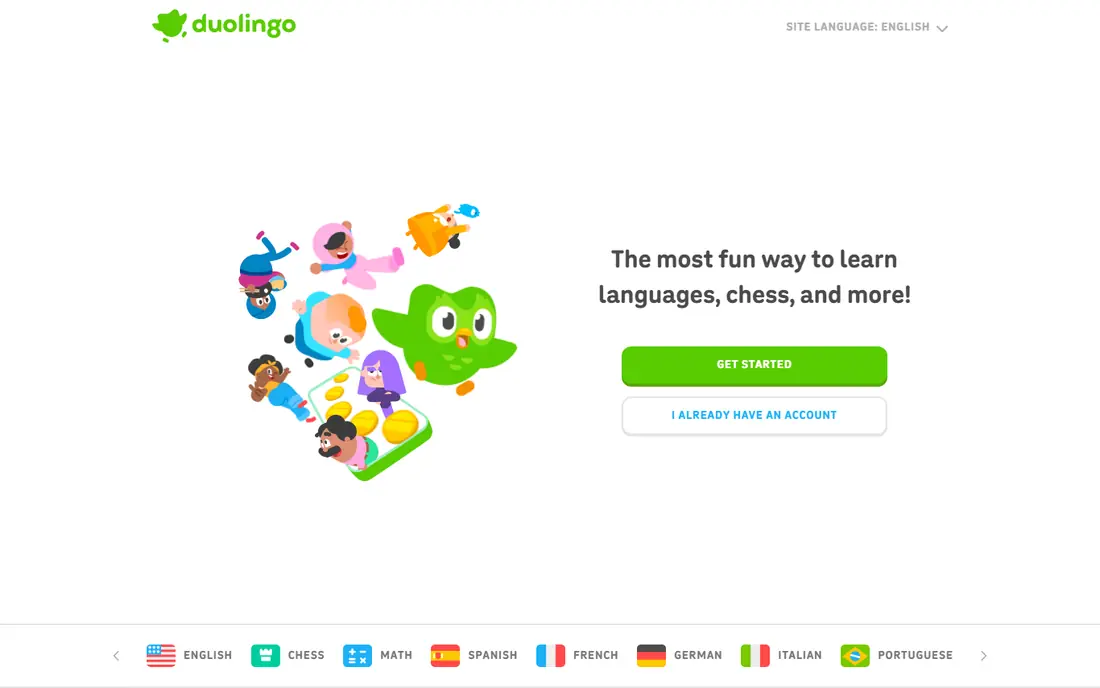
Duolingo works best as a low-pressure start. Lessons take a few minutes, the app tracks streaks, and the free course covers a wide range of everyday words and sentence patterns. For a beginner who has never studied French, that ease of entry matters more than depth in week one.
The limit appears as you advance. Grammar notes are short, sentences can feel artificial, and real conversation needs practice outside the app. Use Duolingo to build a habit, then add a grammar course or a tutor when you want to speak in full sentences.
- Free core course
- Short gamified lessons
- Streaks and reminders support a daily habit
- Grammar explanations are brief
- Speaking practice is limited without a paid tier
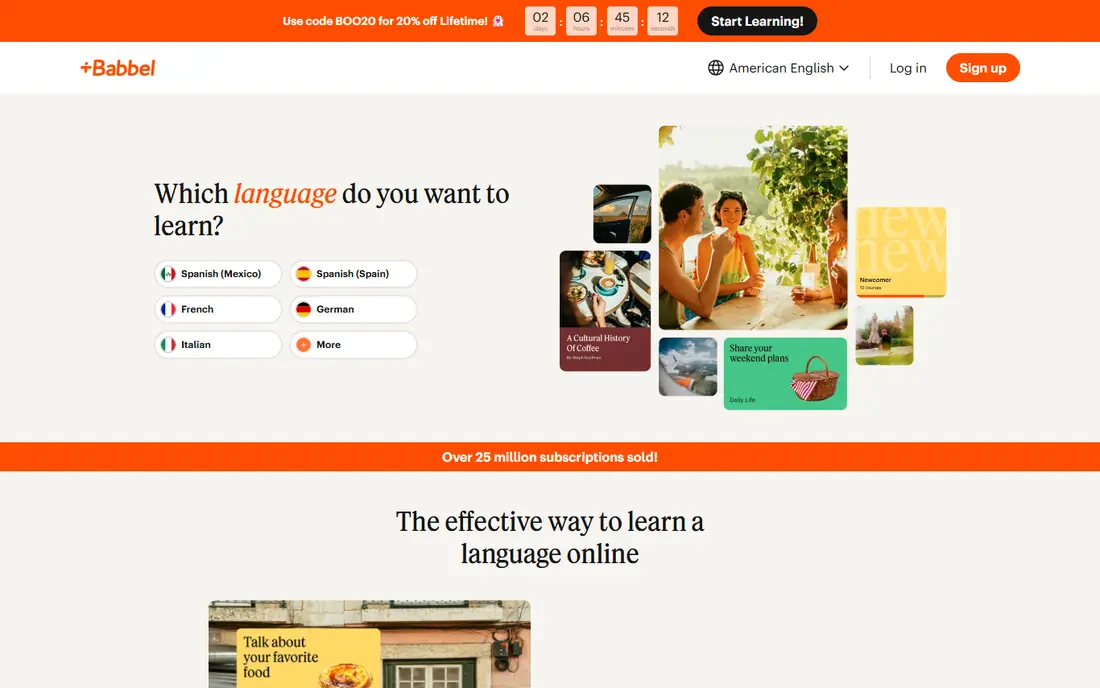
Babbel feels like a course, not a game. Lessons run about ten minutes, explain grammar in plain language, and use dialogues that sound closer to daily life in France. That structure helps beginners who want to understand why a sentence works, not just repeat it.
The catch is the ceiling. Babbel covers beginners and lower-intermediate learners well, but advanced learners will need reading, listening, and conversation elsewhere. Its first lesson in each course is free, so try that sample before paying for a longer term.
- Clear grammar notes
- Realistic dialogues
- Review system for words and phrases
- Content thins out at higher levels
- No live tutor feedback in the core course
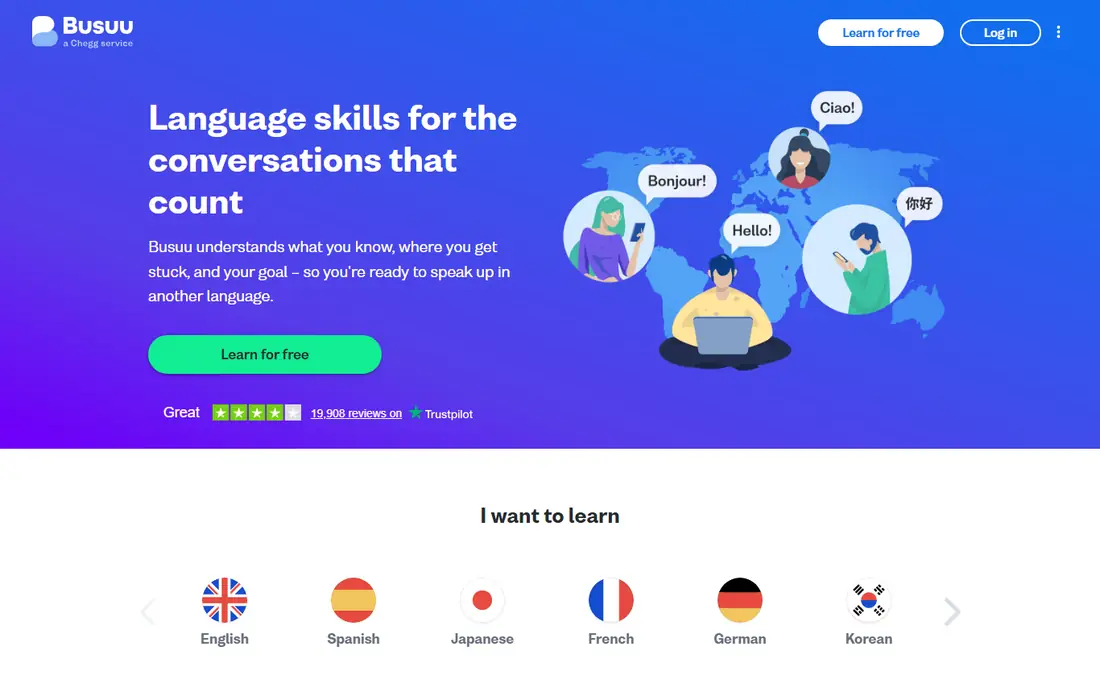
Busuu appeals to learners who like structure plus human feedback. Courses follow a clear level path, and premium users can submit writing for correction by native speakers. That feedback can catch mistakes that automated grading misses.
The downside is speaking. Recorded exercises help pronunciation, but they do not replace a live chat where you must respond in real time. Pair Busuu with a tutor or a language exchange partner if speaking is your main goal.
- CEFR-mapped courses
- Free tier available
- Native speaker corrections on written work
- Speaking practice is mostly recorded, not live
- Premium price varies by plan and region
Rosetta Stone teaches through images, audio, and matching tasks, with little translation. That method suits visual learners who want to link French words directly to meaning, and its speech tool gives basic pronunciation feedback. The course feels calm and steady, without game pressure.
Some learners will miss clear grammar rules. Verb forms and sentence structure appear through examples, so you may need a grammar reference beside it. Check the current plan terms, since monthly and lifetime-style offers change often.
- Picture-based immersion
- Speech recognition
- Long-established course structure
- Little explicit grammar teaching
- Price is high for a single language path
Pimsleur is built for ears and mouth, not screens. Each audio lesson asks you to listen, repeat, and answer prompts, which builds recall and pronunciation in a way that tapping exercises cannot. It is a strong pick for commuters, drivers, and walkers.
Reading, spelling, and grammar get less attention, so it works best as a speaking supplement rather than a complete course. Try the free trial during a normal week of travel before committing, and check whether the current plan includes all levels you need.
- Hands-free audio lessons
- Strong pronunciation drills
- Good for commutes and walks
- Little reading and writing practice
- Subscription cost adds up over a year
Live tutoring solves the problem most apps leave open: real conversation. On italki you can book a native French teacher, set a goal such as travel, work, or exam practice, and get corrections in the moment. Lesson prices vary widely, and many teachers offer a low-cost trial lesson.
The trade-off is choice overload. Teacher profiles, prices, and styles differ, so book trial lessons with two or three teachers before settling on one. A weekly tutor plus a daily app course is, for many learners, the fastest honest path to speaking.
- Live one-to-one lessons
- Teachers at many price points
- Flexible scheduling
- Cost varies by teacher
- Quality varies, so trial lessons matter
Rocket French suits a self-paced learner who dislikes subscriptions. The course combines audio lessons, dialogues, and culture notes, and the one-time price can work out cheaper than a year of monthly app fees. It is a good fit for learners who study at home and want a full course path.
The upfront price is the main barrier, and the design feels less modern than Duolingo or Babbel. Use the free trial to test the audio style and lesson length, and confirm exactly which levels and updates the purchase includes.
- One-time course purchase
- Audio lessons plus culture notes
- Lifetime-style access on some plans
- Upfront cost is high
- Interface feels older than newer apps
Memrise does one job well: it helps words stick. Spaced repetition, short clips, and quick reviews make it a useful daily supplement beside a main course. If you already study grammar with Babbel or a tutor, Memrise can fill the vocabulary gap.
Do not rely on it alone. It teaches less sentence building and grammar than a structured course, and course quality can vary. Use it for ten minutes a day, focus on words you actually need, and review them in real sentences when you can.
- Free basic plan
- Spaced repetition for words
- Video clips with native speakers on some courses
- Not a full grammar course
- Premium features vary by course and region
How we picked these
We compared official course pages, pricing pages, and app store listings for lesson structure, grammar teaching, speaking options, and free tiers. We favoured apps that still offer a French course in 2026, teach at beginner level, and state a clear price or free option. We did not claim hands-on testing, and we treated third-party price roundups as a starting point only, with vendor pages as the check before purchase.
How to choose the best French learning app for you
Match the app to your weak point. If you never study, pick the app you will open daily, even if it is simpler. If you study but cannot speak, add a tutor or a speaking tool. If you know words but not grammar, pick a structured course with clear explanations. A plan that fits your day will beat a stronger course that sits unused.
Set a small daily target, such as fifteen minutes of lessons plus five minutes of review. Add one listening habit, such as a French podcast or short video, once the basics feel stable. Review old words often, since forgetting is normal and spaced review is what turns short-term recall into lasting knowledge.
Learning French fast, honestly
Fast progress comes from frequency and speaking, not from a secret method. Daily study, regular review, and weekly conversation will move most beginners further than occasional long sessions. Expect early progress to feel quick, then slower as grammar and vocabulary grow. That plateau is normal, and it is where a tutor or a structured course helps most.
For beginners specifically
Start with the alphabet sounds, common greetings, and present-tense verbs before jumping to complex topics. Learn set phrases for travel, ordering, and introductions early, since they give quick wins and confidence. Keep a short list of words you meet in real life, and practise them in sentences rather than alone.
Frequently asked questions
What is the best app to learn French for beginners?
Babbel is a strong pick for beginners who want structure and grammar, while Duolingo is a strong free start for a daily habit. Try Babbel first lesson free option and Duolingo free course for a week, then keep the one you open most often. Add speaking practice early if conversation is your goal.
What are the best apps to learn French for free?
Duolingo offers the most complete free core course, and Busuu and Memrise offer free tiers with limits. Free plans usually include ads, limits, or fewer features, but they are enough to test whether you enjoy French study. Paid plans mainly remove limits and add review, speaking, or offline features.
Which is the best French learning app for speaking?
Italki is the best option for real speaking, since live tutors correct you in real time and adapt to your level. Pimsleur is a strong audio option for pronunciation when you cannot book a tutor. Apps with recorded speaking exercises help, but they cannot replace a live conversation.
Can I learn French fast with an app alone?
An app can build vocabulary, listening, and basic grammar, but fast progress still needs regular speaking and reading outside the app. Daily study plus weekly conversation, short French videos, and review will move you faster than app lessons alone. Set a realistic goal, such as holding a simple conversation in three to six months of steady study.
Is Babbel or Duolingo better for French?
Babbel gives clearer grammar and more realistic dialogues, while Duolingo gives a stronger free habit loop and more game-style motivation. Choose Babbel if you want a course feel, and Duolingo if you want a free, low-pressure start. Many learners use both: Duolingo for daily practice and Babbel for structured lessons.
What is the best app to learn French for travel?
For travel, pick an app with practical dialogues and pronunciation practice, such as Babbel or Pimsleur, and add a phrase list for hotels, transport, and restaurants. Practise greetings, numbers, directions, and polite requests out loud before you leave. A short tutor session focused on travel phrases can also help confidence.
Sources
- https://www.duolingo.com
- https://www.babbel.com
- https://www.busuu.com
- https://www.rosettastone.com
- https://www.pimsleur.com
- https://www.italki.com
- https://www.rocketlanguages.com
- https://www.memrise.com
- https://www.languagenext.com/blog/apps-to-learn-french/
- https://www.italki.com/en/blog/best-online-platform-to-learn-french
See where you really rank - block by block
ProMapRanker scans Google Maps across a grid of your service area. Simple monthly plans from $19, white-label on every plan.
Start freeKeep reading
 zoom alternatives
Best Zoom Alternatives in 2026
Compare Zoom alternatives in 2026, with free meeting limits and prices, so you can pick the best alternative to Zoom for your team, class, or community.
Read → which software is best for remote work
Which Software Is Best for Remote Work in 2026
Answering which software is best for remote work, we compare Slack, Zoom, Asana, Notion, Teams and more, with pricing and honest tradeoffs in 2026 now.
Read → which ai tool is best for content writing
Which AI Tool Is Best for Content Writing in 2026
Wondering which ai tool is best for content writing? We compare ChatGPT, Claude, Jasper, Grammarly, and more on price, quality, and best use in 2026 now.
Read →