 ProMapRanker
Best App for Hosting Virtual Events in 2026


Large virtual and hybrid conferences · Pricing starts at: See website
Key takeaways
- RingCentral Events, formerly Hopin, remains the strongest choice for large multi stage conferences with expo booths and sponsor areas.
- Zoom Events suits organisations already on Zoom, since attendees and hosts face less learning curve and fewer technical surprises.
- Airmeet and Whova lead on networking and hybrid event management, while vFairs leads on virtual expos and trade shows.
- Most enterprise platforms price by quote, so budget for production support and add ons, not just the platform fee.
- Small summits and paid workshops often do better on Livestorm, BigMarker or a simpler summit tool than on a full conference platform.
Quick comparison
| Pick | Great for | Pricing starts at | Free tier | |
|---|---|---|---|---|
| RingCentral Events | Large virtual and hybrid conferences | See website | Free trial | Visit |
 Zoom Events | Multi day conferences on Zoom | See website | No | Visit |
 Airmeet | Networking focused virtual events | See website | Free trial | Visit |
 vFairs | Virtual expos and trade shows | See website | No | Visit |
 Whova | Hybrid and attendee friendly events | See website | No | Visit |
 ON24 | Webinars and demand generation | See website | No | Visit |
 Bizzabo | B2B conferences and summits | See website | No | Visit |
 BigMarker | Webinars and virtual summits | See website | Free trial | Visit |
 Livestorm | Webinars and interactive online events | Free | Yes | Visit |
The best apps for hosting virtual events
The best platform for hosting virtual events depends on size, format and how much your audience needs to network. A webinar tool, a conference platform and a virtual expo are different products, even when vendors use similar language. The picks below cover that range, from small interactive sessions to flagship conferences.
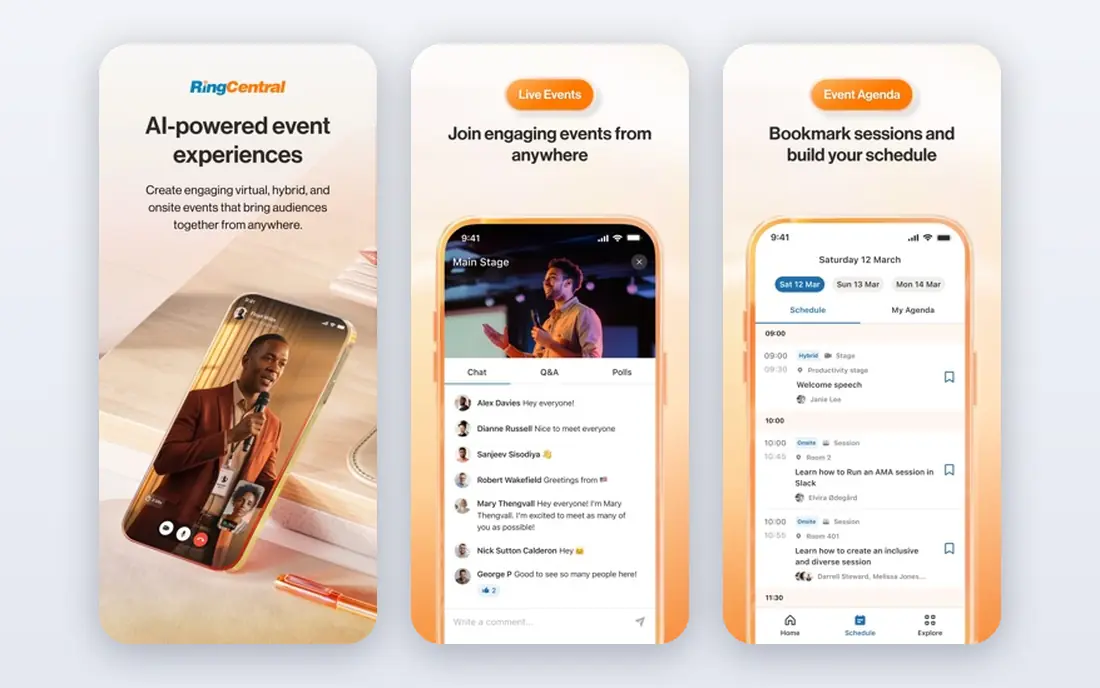
RingCentral Events is the former Hopin platform, now under RingCentral, and it still sets the bar for scale. You can run several stages at once, add expo booths for sponsors, open roundtable networking, and manage registration and engagement data from one dashboard. For a flagship conference with thousands of attendees, that breadth matters more than any single feature.
The cost reflects that ambition. Pricing is quoted, add ons accumulate, and a polished large event usually needs rehearsal time and production help. If your event is small, this platform is more than you need. If sponsors expect booth traffic and your agenda has parallel tracks, it is the natural shortlist leader.
- Multi stage conferences in one environment
- Virtual expo booths and networking areas
- Backstage and production controls
- Quote based pricing adds up
- Admin backend has a learning curve
- Large events often need production support
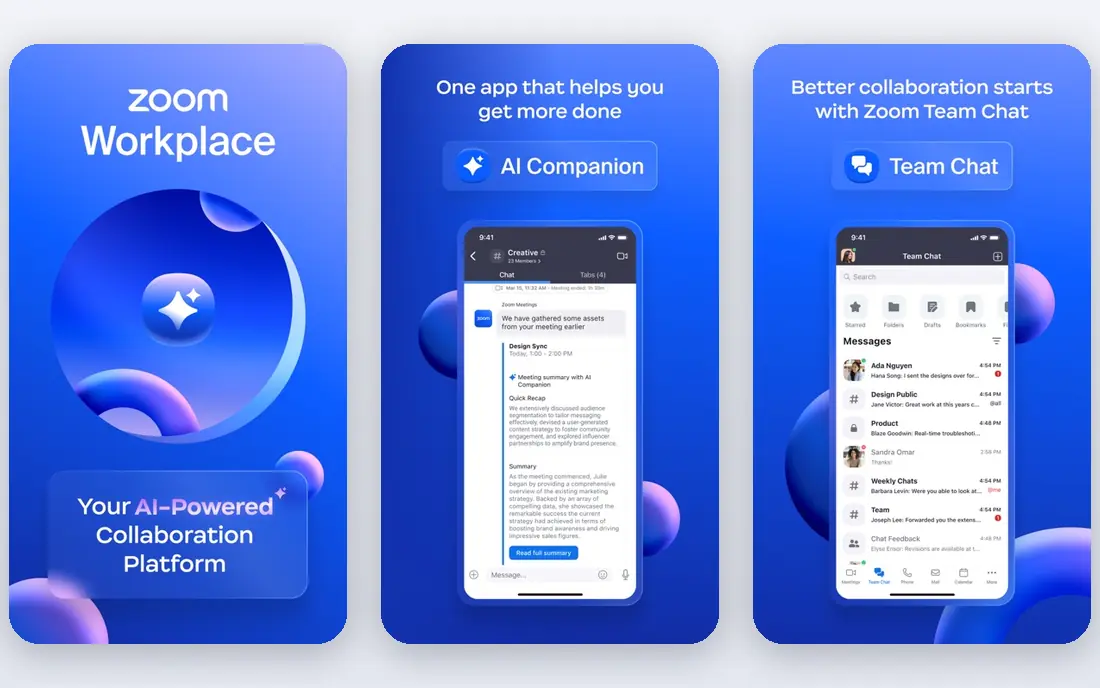
Zoom Events suits organisers who already run meetings on Zoom and do not want to teach attendees a new platform. Hosts can build a multi session event hub, sell tickets, and run sessions that feel like normal Zoom meetings and webinars. That familiarity cuts support questions and no show risk from technical confusion.
The trade off is character. Zoom Events is reliable and professional, but it lacks the immersive expo halls and playful networking spaces of rivals. If your event is content led, with talks and panels, that is fine. If sponsor discovery and social networking are the main draw, look at Airmeet or vFairs instead.
- Familiar Zoom experience for attendees
- Multi session and multi day support
- Ticketing and registration built in
- Less visual customisation than expo platforms
- Corporate feel for social events
- Pricing depends on your Zoom plan
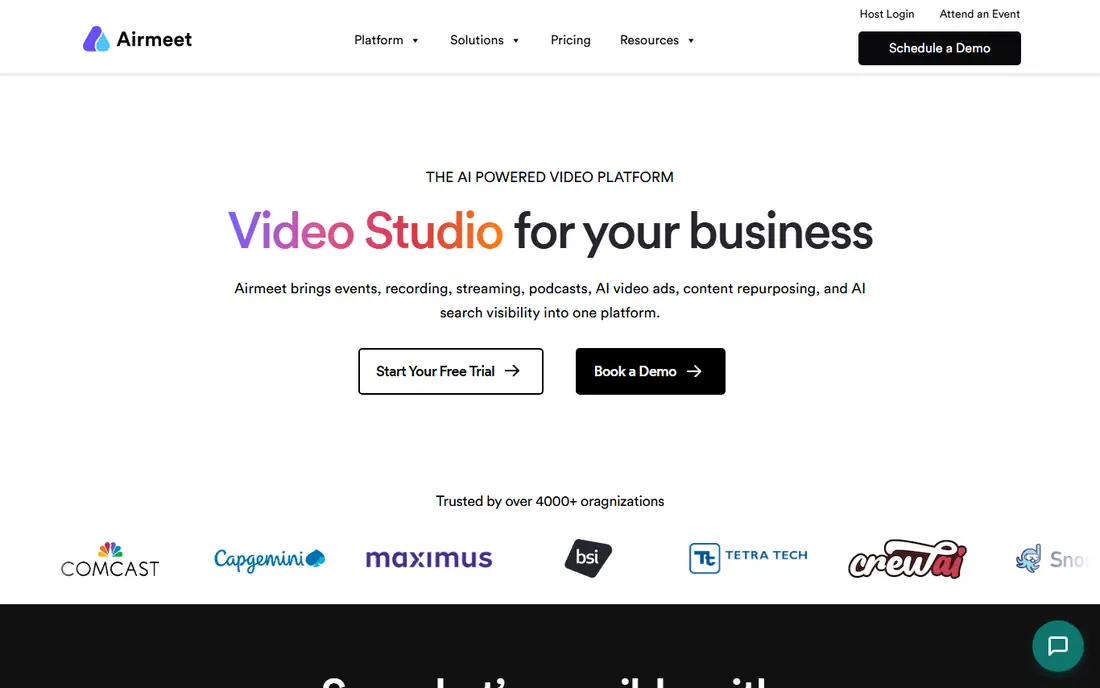
Airmeet is our pick when networking is the point of the event, not an afterthought. Attendees can join virtual tables, move between lounges, and meet in speed networking rounds, which recreates some of the hallway value that pure webinar tools miss. It also handles multi track conferences and webinars, so a community summit can run talks and networking in one place.
The catch is scale and formality. Airmeet feels social and community led, which suits workshops and meetups, but a sponsor heavy trade show may want the structured booths of vFairs. Check the plan limits for attendee numbers and branding before you commit to a large event.
- Social lounges and virtual tables
- Speed networking options
- Multi track sessions and webinars
- Less formal expo tooling than vFairs
- Pricing is quote based for larger events
- Branding options vary by plan
vFairs leads for virtual expos, trade shows and job fairs, where the venue itself is part of the experience. Attendees enter a visual lobby, visit booths, chat with exhibitors, and join sessions, which gives sponsors a clearer presence than a simple session list. That structure also suits career fairs, where employers need distinct booths and chat queues.
Setup is the price. A good vFairs event needs design time, exhibitor onboarding and rehearsals, and pricing is quoted per event. For a simple webinar series, that effort is wasted. For an expo where sponsor revenue depends on booth traffic, it is the right investment.
- 3D lobbies and virtual booths
- Strong sponsor showcase options
- Job fairs and expos are a core use case
- Quote based pricing
- Setup takes time and planning
- Learning curve for first time organisers
Whova is a strong choice for hybrid events, where some attendees are in a room and others join online. Its attendee app handles agendas, networking, messaging and sponsor discovery in a way that feels friendly on a phone, which helps remote attendees stay engaged. Organisers get registration, agenda building and engagement tools in one system.
The limit is that Whova is an event management platform first, and the streaming experience depends on how you configure it. Plan the virtual production side early, and confirm which streaming and recording features sit on your plan before you promise a fully virtual experience.
- Strong attendee app for agendas and networking
- Hybrid in person and virtual support
- Sponsor and exhibitor features
- Quote based pricing
- Virtual streaming depth varies by plan
- Setup benefits from early planning
ON24 suits B2B marketing teams that treat virtual events as demand generation, not just meetings. Webinars, virtual summits and content hubs come with detailed engagement analytics, polls, calls to action and CRM integrations, so sales teams can follow up on real attendee behaviour. That data depth is why many large marketing teams standardise on it.
The downside is cost and complexity. ON24 is an enterprise platform with quoted pricing and a setup process that rewards training. A small team running occasional webinars will find Livestorm or BigMarker faster and cheaper. A marketing team running a regular webinar programme will get more value from ON24 analytics.
- Deep analytics and engagement data
- CRM integrations for marketing teams
- On demand content hubs
- Quote based enterprise pricing
- Learning curve for new users
- Overkill for casual community events
Bizzabo is a solid enterprise pick for B2B conferences, summits and field events. It covers registration, ticketing, agendas, networking and post event analytics, with integrations into common CRM and marketing tools. That end to end coverage appeals to teams that run several events a year and want one system of record.
The catch is the same as with other enterprise platforms: quoted pricing and a setup phase that needs time. If you run one small summit a year, a lighter tool will launch faster. If you run a calendar of B2B events, Bizzabo consistency pays off.
- Registration, agenda and networking in one system
- B2B focused analytics
- Hybrid event support
- Quote based pricing
- Implementation takes planning
- Smaller events may not need the full suite
BigMarker fits marketers and educators who run webinars, summits and series, and want lead capture built in. Attendees join from a browser, hosts can run live, automated and on demand sessions, and integrations push leads into CRM and email tools. That practical focus makes it a good workhorse for regular online events.
It is not an expo platform, and it does not try to be. If you need 3D booths or large scale networking lounges, vFairs or Airmeet fit better. If you need reliable webinars with registration, polls and follow up, BigMarker is a strong, lower fuss choice.
- Webinar and summit hosting in one tool
- Marketing automation and CRM integrations
- No download needed for attendees in a browser
- Less immersive than expo platforms
- Pricing is quote based on higher tiers
- Design options are functional rather than flashy
Livestorm is our pick for smaller teams that want to start without a sales call. A free plan covers small webinars, and paid plans add larger rooms, registration pages and integrations. Attendees join from a browser, hosts get polls, questions and chat, and sessions can be recorded and reused.
The limit is scale. Livestorm handles webinars and interactive sessions well, but a multi day conference with parallel stages and an expo hall needs a larger platform. Start here if your events are mostly talks and workshops, and move up only when audience size or sponsor needs demand it.
- Free plan for small events
- Browser based attendance
- Polls, Q and A and breakout style interaction
- Not built for huge multi stage conferences
- Advanced features sit on paid plans
- Per attendee pricing on some plans
How we picked these
We compared official product pages, pricing models and feature sets in October 2026, and favoured platforms that are live, actively sold, and clearly built for virtual or hybrid events. We included both enterprise conference platforms and lighter webinar tools, because the best app for hosting virtual events depends on event size. We treated Hopin as RingCentral Events, since Hopin now operates under that name, rather than listing the same platform twice.
What to check before you choose a virtual event platform
Start with format, then audience size, then budget. A webinar needs registration, streaming quality and follow up. A conference needs parallel tracks, networking and sponsor space. An expo needs booths and exhibitor tools. Write those needs down before a sales demo, or every platform will look sufficient.
Next, test the attendee experience, not just the admin dashboard. Join a demo event on a phone and a laptop, check how networking works, and confirm whether attendees need to download software. Ask for total pricing, including attendee limits, recording, branding and support, and run a rehearsal with real speakers before event day. A platform that looks good in a demo can still fail if speakers cannot join smoothly.
Frequently asked questions
What is the best app for hosting virtual events?
For large conferences, RingCentral Events is the strongest all round platform, while Zoom Events suits teams already on Zoom. Airmeet leads for networking led events, vFairs for expos, and Livestorm for small webinars. Match the platform to your event format, not just to brand recognition.
What are the best platforms for hosting virtual events on a small budget?
Livestorm offers a free plan for small webinars, and BigMarker and Airmeet offer trials or lower tiers for smaller events. Zoom Events can also be cost effective if you already pay for Zoom. For a one off small summit, a simple webinar tool usually beats an enterprise conference platform.
Do virtual event platforms include ticketing?
Most conference and webinar platforms include registration and ticketing, including Zoom Events, RingCentral Events, Bizzabo and Livestorm. Check whether ticket fees, payment processing and refund handling are included, or charged separately, before you set ticket prices.
Can virtual event platforms handle hybrid events?
Yes, Whova, RingCentral Events, Bizzabo and vFairs all support hybrid formats, with in person check in, agendas and virtual attendance in one system. The key is to plan both audiences separately, with a clear stream, chat and networking path for remote attendees, not just a camera in the room.
How much does a virtual event platform cost?
Prices vary widely, from free for small Livestorm webinars to quoted enterprise pricing for RingCentral Events, vFairs, ON24 and Bizzabo. Always ask for the total cost, including attendee limits, add ons and production support, since the headline plan rarely covers a large polished event.
Is Hopin still available?
Hopin now operates as RingCentral Events after its acquisition and rebrand by RingCentral. If you see older guides recommending Hopin, look for RingCentral Events for the current product, pricing and support. The core conference, expo and networking features continue under the new name.
Sources
See where you really rank - block by block
ProMapRanker scans Google Maps across a grid of your service area. Simple monthly plans from $19, white-label on every plan.
Start freeKeep reading
 wpforms alternatives
Best WPForms Alternatives in 2026
We compare 9 wpforms alternatives for WordPress forms, with free and paid options, current pricing notes, and honest limits for small business sites in 2026.
Read → windows task scheduler alternatives
Best Windows Task Scheduler Alternatives in 2026
Looking for Windows Task Scheduler alternatives? We compare 9 schedulers for Windows and cross-platform work, from free tools to enterprise automation.
Read → which ai video service is best
Which AI Video Service Is Best in 2026
which ai video service is best? We compare 10 legitimate AI video services on price, avatars, editing and output quality to help you pick the right tool.
Read →