 ProMapRanker
Best AI Writing Tools Comparison in 2026

Key takeaways
- ChatGPT and Claude cover most general writing well, and a specialist tool only earns its price when brand voice, SEO, or fiction structure matters.
- Jasper and Copy.ai suit marketing teams, while Grammarly and QuillBot suit writers who mainly polish or rewrite existing drafts.
- Rytr is the lowest-cost paid option for short-form drafting, and Sudowrite is the clear pick for fiction writers.
- Word, credit, and seat limits decide the real monthly cost more than the headline price, so check those limits before paying.
Quick comparison
| Pick | Great for | Pricing starts at | Free tier | |
|---|---|---|---|---|
 ChatGPT | All-round drafting and editing | $20 per month | Yes | Visit |
 Claude | Natural long-form prose | $20 per month | Yes | Visit |
 Jasper | Brand voice and marketing drafts | $59 per month | Free trial (7 days) | Visit |
 Copy.ai | Go-to-market chat and workflows | $24 per month | Yes | Visit |
 Writesonic | SEO articles and AI visibility | $79 per month | Free trial | Visit |
 Rytr | Budget short-form drafting | $7.50 per month | Yes | Visit |
 Grammarly | Editing, clarity, and tone | $12 per month | Yes | Visit |
 QuillBot | Paraphrasing and summarizing | $8.33 per month | Yes | Visit |
 Sudowrite | Fiction and creative writing | $10 per month | Free trial | Visit |
 Notion AI | Writing inside Notion | $20 per month | Free trial | Visit |
The best ai writing tools comparison
AI writing tools now split into three jobs: drafting from scratch, polishing what you wrote, and planning content for search. A general assistant handles the first job well for most people. The tools below earn a place when a specific job, such as brand voice, SEO scoring, or story structure, matters enough to pay extra for it.
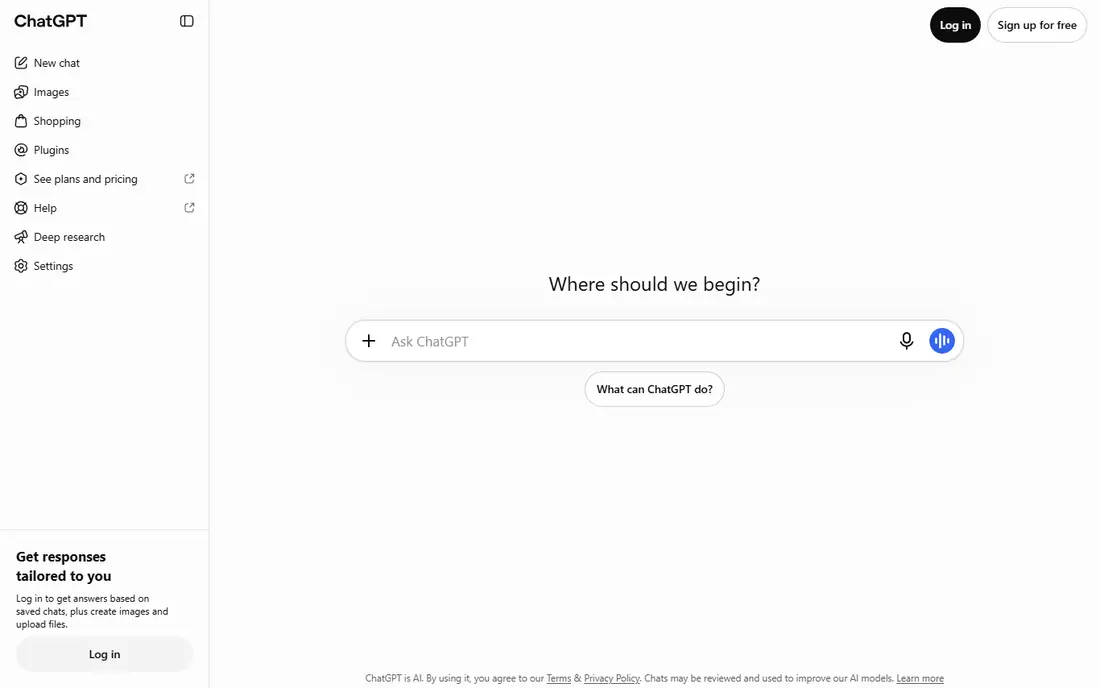
ChatGPT is the default all-rounder. It drafts blog posts, emails, outlines, and social copy, then revises the same draft when you ask for a shorter version or a different tone. The free tier covers casual use, while Plus adds higher limits and newer models for heavier daily work.
The weakness is accuracy and consistency. ChatGPT can invent facts, quotes, or links, so every draft needs a human check against real sources. For most solo writers, ChatGPT plus a good editor covers more ground than a pricier specialist tool.
- Versatile across drafts, outlines, and edits
- Image and research options
- Wide app support
- Output needs fact-checking
- Long drafts can drift from the brief

Claude is often the pick for writers who care about prose quality. It handles long documents, rewrites, and structural edits with a tone that needs less cleanup than many rivals. It also works well for research help, summarising, and turning rough notes into a coherent draft.
Claude is less of a marketing platform. It lacks the brand-voice libraries and campaign templates that Jasper sells, so marketing teams may still want a specialist. For books, reports, essays, and long articles, Claude is our first suggestion among general assistants.
- Strong long-form writing and editing
- Handles long documents well
- Careful tone
- Usage limits can bind on heavy days
- Fewer marketing templates than Jasper

Jasper suits marketing teams that publish often and need a consistent voice across writers. Brand voice settings, templates for ads, emails, and blog posts, and shared workspaces help a team produce on-brand drafts faster. The Pro plan covers up to five seats in recent listings, which softens the per-seat cost for a small team.
Solo writers will find the price hard to justify unless volume is high. Jasper also does not replace an SEO tool, so teams that rank content still need scoring and research elsewhere. Pick Jasper when brand consistency and team output matter more than low cost.
- Brand voice controls
- Campaign and long-form templates
- Team workflows
- No free tier
- Price is high for solo writers
- SEO scoring needs a separate tool
Copy.ai has shifted toward chat and go-to-market workflows, which suits sales and marketing teams that need outreach, social copy, and short-form content at volume. The entry plan covers several seats, so a small team can share one subscription without a large bill. Workflows that chain prompts together save time on repeat tasks.
Long-form writers may find it thinner than Jasper or Claude, since its strength is short, repeatable copy rather than deep articles. If your main output is ads, emails, and social posts, Copy.ai is good value. If you write long guides, pair it with a general assistant.
- Chat workflows for sales and marketing
- Low entry price for teams
- Unlimited words on some plans
- Less suited to long-form blog writing
- Free tier is limited
Writesonic targets teams that publish SEO content at volume and now track how often AI answers cite their brand. Article workflows combine research, drafting, and optimisation steps, which helps a content team move from brief to publishable draft faster. AI visibility features add a reason to stay beyond drafting alone.
The entry price is high, and article counts cap monthly output, so check how many articles your team really publishes. Writesonic fits content operations with a clear publishing cadence. Casual writers will get better value from ChatGPT or Claude.
- SEO article workflows
- AI visibility tracking
- Content research options
- High entry price
- Article limits matter
- Less suited to casual writers
Rytr is the budget pick. The free tier covers 10,000 characters a month, enough for occasional short copy, and the paid plan removes that cap at a low monthly price. Templates for emails, ads, and social posts help new users start without writing prompts from scratch.
Long-form quality lags behind Claude and Jasper, and drafts often need heavier editing. That trade is fair at the price. Rytr suits students, solo creators, and small businesses that need short copy often and long articles rarely.
- Lowest paid price here
- Permanent free tier
- Simple templates
- Weaker for long-form work
- Output needs more editing than premium tools
Grammarly is an editor, not a drafter. It checks grammar, clarity, and tone wherever you write, from email to documents, and its AI prompts help rewrite awkward sentences. The free tier covers basic checks plus a limited number of AI prompts each month, which is enough for light use.
It will not write a blog post from a brief the way ChatGPT or Jasper will. Pair Grammarly with a drafting tool when your main problem is polish, not blank-page ideas. For professionals who write daily, the annual price is reasonable value.
- Works across browsers, docs, and email
- Strong grammar and tone checks
- Useful AI prompts
- Polishes drafts rather than writing long ones
- Monthly billing is much higher than annual
QuillBot solves a narrower job well: rewriting and shortening text. Multiple rewrite modes let you choose a formal, simple, or creative version of a sentence, and the summarizer condenses long articles into key points. That makes it useful for students, researchers, and editors who work with existing text.
It is not a drafting tool, so do not buy it expecting blog posts from a title alone. Use QuillBot beside a general assistant: draft in ChatGPT or Claude, then use QuillBot to tighten, rephrase, or summarise sections that feel wordy.
- Strong paraphrasing modes
- Summarizer and grammar checks
- Low annual price
- Free paraphrases are short
- Not built for drafting from scratch
Sudowrite is built for fiction writers, with tools that help with plot ideas, character description, and story beats. General assistants can write a scene, but they rarely help a novelist think through structure the way Sudowrite tries to. That focus is why fiction writers rate it above general tools despite a narrower scope.
Business writers will find little use for it, and heavy novelists may need a higher tier for larger word counts. If you write fiction regularly, Sudowrite is worth a trial. If you write marketing or reports, spend the money elsewhere.
- Story-specific tools for plot and character
- Brainstorming aids
- Fiction-focused design
- Little value for business or SEO writing
- Higher tiers needed for heavy use
Notion AI suits teams that already live in Notion. It drafts, summarises, and rewrites inside pages, so meeting notes can become a brief and a brief can become a draft without leaving the workspace. That closeness to notes and wikis is the main benefit over a separate chat tool.
If you do not use Notion daily, there is little reason to buy it for AI alone. Teams that already pay for Notion Business get fuller AI access, so check your current plan before adding a separate AI subscription.
- Drafts and edits inside existing Notion pages
- Good for team docs
- Keeps writing with notes
- Requires a Notion workspace
- AI is an add-on cost for many plans
How we picked these
We compared official pricing pages and current October 2026 pricing checks for AI writing tools, and required each tool to be live and to fit a clear writing job. We covered general assistants, marketing platforms, SEO tools, editors, and a fiction specialist, rather than listing near-identical chatbots. Prices shown are entry paid plans, and we note free tiers and trials only where vendors offer them.
What to check before you choose
Match the tool to your main writing job. If you draft varied content, start with ChatGPT or Claude. If you polish existing work, start with Grammarly or QuillBot. If you publish marketing or SEO content at volume, test Jasper, Copy.ai, or Writesonic on a real brief before committing.
Check limits that hide behind the headline price. Word counts, credit caps, seat counts, and annual versus monthly billing change the true cost. Also check output ownership and privacy terms if you draft client or unpublished work, and never publish AI drafts without fact-checking names, dates, and claims.
A practical starter stack
For most writers, one general assistant plus one editor is enough. Add a specialist only when a repeated job, such as brand voice, SEO scoring, or fiction structure, keeps slowing you down. That rule keeps costs low and avoids paying for five tools that do the same job.
Frequently asked questions
What is the best AI writing tool overall?
For most people, ChatGPT or Claude is the best overall choice, since both draft, edit, and brainstorm across many formats. Claude edges ahead for long-form prose, while ChatGPT edges ahead for versatility and app support.
What is the best AI writing tool for SEO content?
Writesonic suits SEO content operations, thanks to article workflows and AI visibility tracking. Jasper also helps marketing teams, but SEO scoring and research still need a dedicated SEO tool beside it.
Is there a free AI writing tool?
Yes, ChatGPT, Claude, Rytr, Grammarly, and QuillBot all offer free tiers with limits. Free tiers suit occasional use, while daily writers will usually need a paid plan for higher limits and newer models.
What is the best AI writing tool for fiction?
Sudowrite is the best pick for fiction, since its tools focus on plot, character, and story structure. General assistants can write scenes, but they do not guide story development in the same way.
How do AI writing tools compare on price?
Entry prices range from about 7.50 dollars per month for Rytr to 79 dollars per month for Writesonic, with most general assistants at 20 dollars per month. Annual billing lowers many prices, so compare annual and monthly rates before choosing.
Should I use AI writing tools for client work?
You can use them for drafts and editing, but check client rules on AI use, fact-check every claim, and keep unpublished client material inside tools with suitable privacy terms. Human review stays essential before delivery.
Sources
See where you really rank - block by block
ProMapRanker scans Google Maps across a grid of your service area. Simple monthly plans from $19, white-label on every plan.
Start freeKeep reading
 wpforms alternatives
Best WPForms Alternatives in 2026
We compare 9 wpforms alternatives for WordPress forms, with free and paid options, current pricing notes, and honest limits for small business sites in 2026.
Read → windows task scheduler alternatives
Best Windows Task Scheduler Alternatives in 2026
Looking for Windows Task Scheduler alternatives? We compare 9 schedulers for Windows and cross-platform work, from free tools to enterprise automation.
Read → which ai video service is best
Which AI Video Service Is Best in 2026
which ai video service is best? We compare 10 legitimate AI video services on price, avatars, editing and output quality to help you pick the right tool.
Read →