 ProMapRanker
Best AI Search Visibility Tracking Tool in 2026


Enterprise teams that need deep AI search analytics · Pricing starts at: See website
Key takeaways
- ChatGPT, Perplexity, Gemini, and Google AI Overviews now shape how many people first meet a brand, so tracking only classic search rankings leaves a large gap.
- Otterly.ai and Rankscale.ai give small teams a low cost starting point, while Profound and Scrunch suit larger teams that need deeper citation and trend data.
- Peec AI stands out for agencies that want several engines, unlimited seats, and clear competitor comparisons without enterprise pricing.
- No tool can promise a top mention in AI answers, and results change as models update, so treat scores as a trend to watch over weeks, not a single day score.
- Start with the engines your buyers actually use, keep the prompt list small at first, and add prompts only when you can act on what they show.
Quick comparison
| Pick | Great for | Pricing starts at | Free tier | |
|---|---|---|---|---|
| Profound | Enterprise teams that need deep AI search analytics | See website | No | Visit |
 Peec AI | Agencies and mid market teams that need multi engine tracking | 89 euros per month | No | Visit |
 Otterly.ai | Small teams taking a first step into AI visibility tracking | 29 dollars per month | No | Visit |
 Brand24 | Public relations and communications teams that also track social mentions | 99 dollars per month | No | Visit |
 Semrush | SEO teams already paying for Semrush | 139.95 dollars per month | Yes | Visit |
 Ahrefs | Teams that want market wide benchmarking and citation context | 199 dollars per month | No | Visit |
 Scrunch | Teams that want to fix what AI tools say about them, not just track it | 300 dollars per month | No | Visit |
 Rankscale.ai | Budget conscious teams testing AI rank tracking | 17 euros per month billed yearly | No | Visit |
The best AI search visibility tracking tools
AI answers do not rank pages in the old sense. They mention brands, cite sources, and summarise claims, sometimes without a click. The tools below track those mentions, citations, and competitor positions, so a team can see where it shows up and where it is missing.
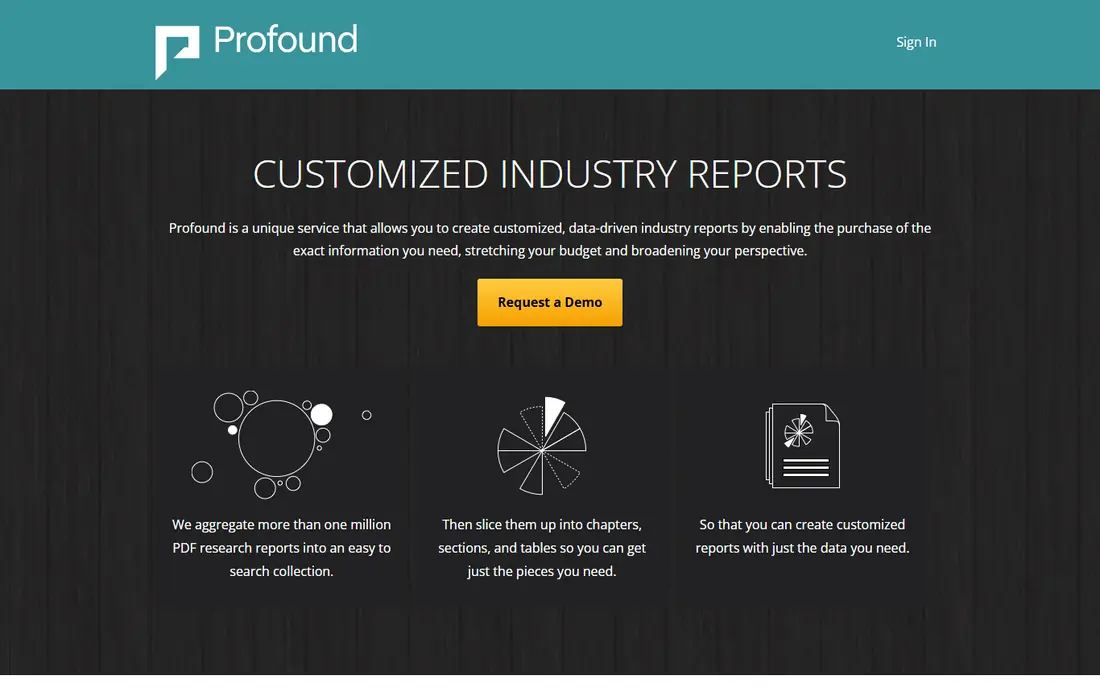
Profound is built for teams that treat AI search as a core channel rather than a side report. It tracks mentions across ChatGPT, Perplexity, Gemini, Copilot, and Google AI Overviews and AI Mode, and it breaks results down by prompt, topic, and competitor. That depth helps a large brand see which pages get cited, which claims get repeated, and how sentiment shifts after a launch or a news story. The catch is cost and setup time. Pricing is custom at the higher tiers, and a small team with 20 prompts will pay for capacity it may not use. Profound fits best when several people will review the data each week and when content, search, and public relations teams can act together on what it finds.
- Wide engine coverage, citation and sentiment detail, trend tracking over time
- Enterprise pricing is high, smaller teams may not need its full depth
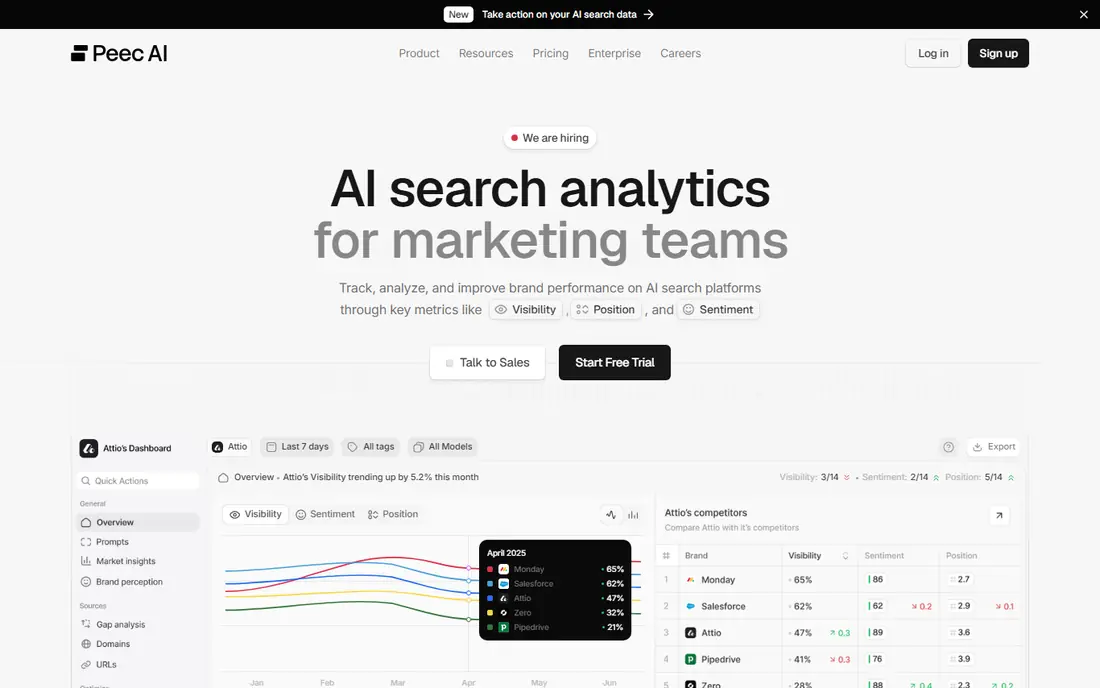
Peec AI gives a team a clean way to watch how AI tools describe its brand and its rivals. On self serve plans, users pick a set of engines, then track prompts, mentions, and citations in one dashboard. Unlimited seats make it easier to share reports with clients or colleagues without adding a seat fee for each viewer. The trade is choice at the entry level. A team that wants every engine at once will need a higher plan, and that can raise the monthly cost. For agencies, the balance still works well, because one account can cover several brands and the reports are easy to explain to a client who is new to AI search.
- Several engines on self serve plans, unlimited seats, clear competitor views
- Entry plans limit engine choice, some advanced features sit on higher tiers
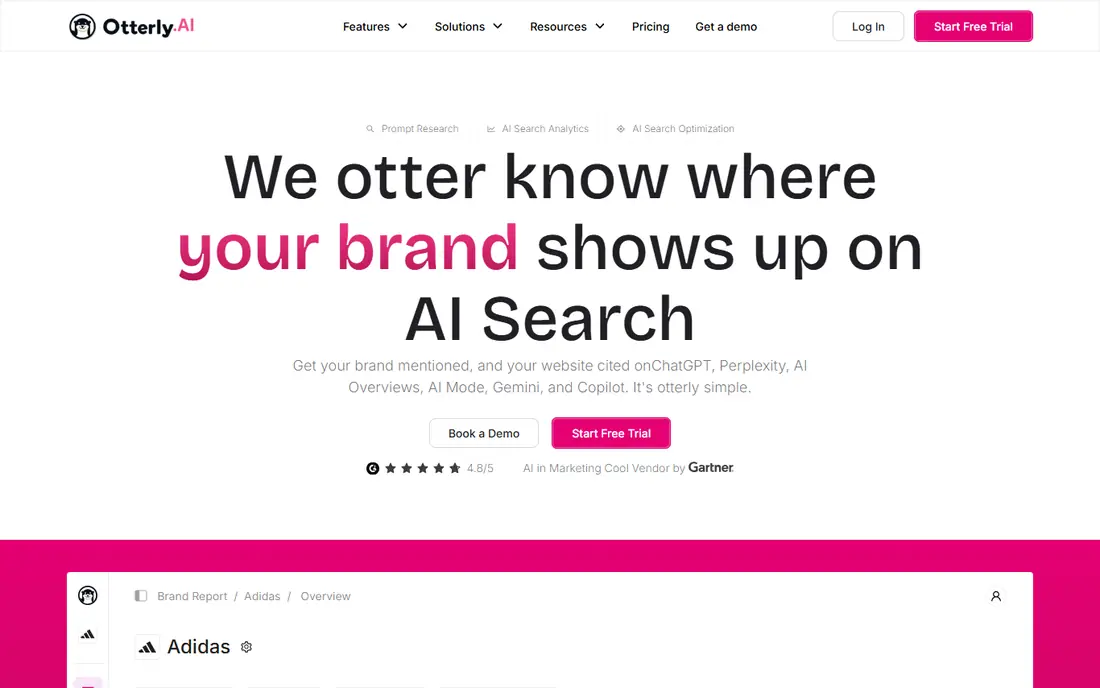
Otterly.ai keeps the starting point simple. It focuses on citations, citation rate, and position in ChatGPT, Perplexity, Google AI Overviews, and Copilot, with Gemini and Claude available as add ons. A small business can set up a prompt list in an afternoon and start to see a pattern within a few weeks. The limit is scope. Teams that need deep sentiment work, large prompt volumes, or detailed agent traffic data will outgrow it. As a first tool, though, it answers the main question well: are AI tools mentioning us, citing us, or citing someone else instead.
- Low entry price, citation focused reports, simple setup
- Fewer engines than enterprise tools, less depth on some topics
Brand24
Great for: Public relations and communications teams that also track social mentions
Brand24 started as a social listening tool, and its AI visibility work fits that history. A communications team can watch social posts, news stories, and AI mentions side by side, which helps when a story breaks and the team needs to know how both people and AI tools are framing it. Alerts and sentiment views support daily monitoring rather than a monthly check. For a team that only wants AI search data, the wider listening suite may feel like extra weight. The price also rises when the AI add on is included. It earns its place here for teams where brand reputation, not just search traffic, is the main job.
- Social, news, and web mentions in one place, AI visibility add on, alerts
- AI features add cost, entry plan may feel broad for a pure SEO team
Semrush suits a team that already lives in its keyword, site audit, and competitor reports. Its AI tools track ChatGPT, Gemini, Perplexity, and Google AI Overviews and AI Mode, and they sit next to the organic data the team already uses. That link matters, because a drop in AI mentions can be checked against ranking and traffic changes in the same account. The downside is that the headline price covers the wider suite, and AI tracking may add a per domain fee. A team that does not use the rest of Semrush should compare a focused AI tool first. A team that does use it daily will save time by keeping AI visibility in the same place.
- Links AI visibility to keyword and ranking data, familiar workflow, broad SEO suite
- AI visibility is an add on cost for some plans, full suite price is high for a solo user
Ahrefs brings a research heavy view to AI visibility. It tracks AI engines alongside its well known backlink, keyword, and content data, so a team can ask whether a cited page also has strong links and steady organic traffic. That context helps separate a one off mention from a page that AI tools return again and again. Cost is the main barrier. The entry plan is aimed at professional SEO teams, and custom prompts can add to the bill. Smaller brands may find a cheaper focused tool gives them the same core answer. Larger teams that already use Ahrefs for content work will get more value from keeping the data together.
- Strong backlink and content data, AI brand tracking across major engines, large index
- High entry price, custom prompts can add cost, learning curve for new users
Scrunch
Great for: Teams that want to fix what AI tools say about them, not just track it
Scrunch goes one step past a dashboard. It audits pages that AI tools cite, flags where a page gives a weak or outdated answer, and suggests fixes that can improve how AI tools use that page. It also gives insight into traffic from AI agents, which is useful as more browsing happens through assistants rather than a classic search page. That action focus comes at a higher price, and the tool is best for teams with someone who can edit pages each week. If no one will act on the audit, the extra guidance will sit unused. For content teams with a clear owner, Scrunch turns tracking into a work list rather than a report that gets filed away.
- Page level audits, optimisation guidance, agent traffic insight
- High entry price, more than a small team needs for basic tracking
Rankscale.ai is a useful test bed for a team that is not ready to commit to a large contract. Its lower plans cover the main AI engines, and higher plans widen the list to nine engines, including ChatGPT, Perplexity, AI Overviews, and AI Mode. Rank and volatility views help a team spot sudden changes without a complex setup. The trade is maturity. Reports and integrations are leaner than those from Profound or Semrush, and a team that needs polished client reporting may need to export and format data itself. For an internal test, or for a solo marketer learning how AI rank moves, the low price makes that trade easy to accept.
- Low yearly entry price, broad engine list on higher plans, simple rank views
- Less known than larger rivals, depth varies by plan, support and reporting are leaner
How we picked these
We compared official feature pages, pricing pages, app store listings where relevant, and public reviews for tools that track AI search in October 2026. We kept only tools that are live, that track at least one major AI engine or Google AI Overviews, and that give a team a repeatable prompt or brand view rather than a one off audit. We checked starting prices from vendor pages and recent comparison reporting, and we used "See website" where a vendor sells on custom pricing or where a price could not be confirmed from a public page on the day of writing. We also weighed fit for different team sizes. A tool that is strong for an enterprise team is not automatically strong for a solo marketer, and a cheap tool is not automatically weak. The list mixes leaders and smaller options so a reader can match budget, engine coverage, and reporting depth to the job at hand.
What to check before you pay
Match engines to your buyers
Ask where your buyers actually ask questions. A business to business buyer may use ChatGPT and Copilot, while a consumer brand may see more impact from Google AI Overviews and Gemini. Paying for ten engines when three drive most of your demand wastes budget and clutters reports.
Keep the prompt list focused
Start with 20 to 40 prompts that reflect real buyer questions, product comparisons, and problem searches. Add brand only prompts, but do not let them dominate, because buyers often ask about a problem long before they ask about a brand name.
Look at citations, not just mentions
A mention without a citation may still build awareness, but a citation drives a click and a source check. Tools that show which pages get cited help a team improve those pages first, rather than chasing every mention.
Plan who acts on the data
AI visibility data only helps if someone updates pages, fixes outdated claims, and adds missing facts. Before buying, name one owner for the weekly review and one owner for page edits, even if both roles sit with the same person at first.
Check contract and seat terms
Some tools charge per domain, per prompt, or per seat, and those charges add up fast for agencies. Confirm how prompts, domains, and seats are counted, and whether a trial covers the engines you need, before signing a yearly plan.
Frequently asked questions
What is the best ai search visibility tracking tool for a small business?
Otterly.ai or Rankscale.ai are good starting points, because their entry prices are low and they cover the main engines a small business needs. Start with a short prompt list, review results weekly, and upgrade only when you need more engines, prompts, or client reporting.
What is the best ai search visibility tracking software for an agency?
Peec AI fits many agencies, because it covers several engines, allows unlimited seats, and gives clear competitor views for client reports. Profound fits larger agencies with enterprise clients that need deeper trend and citation data and can support the higher price.
How do the best brand visibility monitoring tools for AI search differ from classic SEO tools?
Classic SEO tools track rankings and clicks on search result pages. AI visibility tools track mentions, citations, sentiment, and position inside AI answers, where a brand may appear without a classic ranking. The best setup often pairs both, so a team can see ranking, traffic, and AI mention data together.
Are the best ai search visibility analysis tools worth paying for?
They are worth paying for when a team acts on the data each week, by fixing cited pages, adding missing facts, and tracking competitor moves. If no one will review the reports or edit pages, a free check in Google Search Console for AI Overviews, plus manual prompt checks, may be enough at first.
How often should AI visibility be checked?
Weekly checks work for most teams, because AI answers change as models update and as new content appears. Daily checks make sense during a launch, a crisis, or a major product change, when a wrong claim in an AI answer can spread quickly.
Can a tool guarantee a top spot in AI answers?
No tool can guarantee that result, and any vendor that promises it should be treated with care. Tools can show where a brand appears, which pages get cited, and where competitors are stronger, but the final answer depends on the model, the prompt, and the sources it trusts at that moment.
Sources
See where you really rank - block by block
ProMapRanker scans Google Maps across a grid of your service area. Simple monthly plans from $19, white-label on every plan.
Start freeKeep reading
 zoom alternatives
Best Zoom Alternatives in 2026
Compare Zoom alternatives in 2026, with free meeting limits and prices, so you can pick the best alternative to Zoom for your team, class, or community.
Read → which software is best for remote work
Which Software Is Best for Remote Work in 2026
Answering which software is best for remote work, we compare Slack, Zoom, Asana, Notion, Teams and more, with pricing and honest tradeoffs in 2026 now.
Read → which ai tool is best for content writing
Which AI Tool Is Best for Content Writing in 2026
Wondering which ai tool is best for content writing? We compare ChatGPT, Claude, Jasper, Grammarly, and more on price, quality, and best use in 2026 now.
Read →