 ProMapRanker
Best AWS Alternatives in 2026


Simple cloud hosting for small teams · Pricing starts at: $6 per month
Key takeaways
- DigitalOcean, Vultr, and Linode are the simplest replacements for small teams that mainly need virtual servers.
- Hetzner offers the lowest cost per unit of RAM in this list, with a smaller set of US regions.
- Google Cloud, Azure, and Oracle suit teams that need a broad managed service catalog, not just servers.
- Egress fees can matter more than server prices, so compare transfer costs for your actual traffic.
- Managed options like Cloudways suit teams that want cloud servers without managing the server itself.
Quick comparison
| Pick | Great for | Pricing starts at | Free tier | |
|---|---|---|---|---|
| DigitalOcean | Simple cloud hosting for small teams | $6 per month | Free trial | Visit |
 Vultr | Global VPS coverage on a budget | $5 per month | No | Visit |
 Linode | Reliable VPS with Akamai network backing | $5 per month | No | Visit |
 Hetzner Cloud | Lowest cost per unit of RAM | See website | No | Visit |
 Google Cloud | Broad managed services and data tools | Free | Yes | Visit |
 Microsoft Azure | Microsoft shops and enterprise teams | Free | Yes | Visit |
 Oracle Cloud | Enterprise databases and generous free tier | Free | Yes | Visit |
 Kamatera | Flexible custom server builds | $4 per month | Free trial | Visit |
 OVHcloud | European privacy and DDoS protection | See website | No | Visit |
The best aws alternatives
We compared these providers on server pricing, managed services, regions, free tiers, egress costs, and ease of use, with a focus on teams moving a web app, API, or database away from a large hyperscaler.
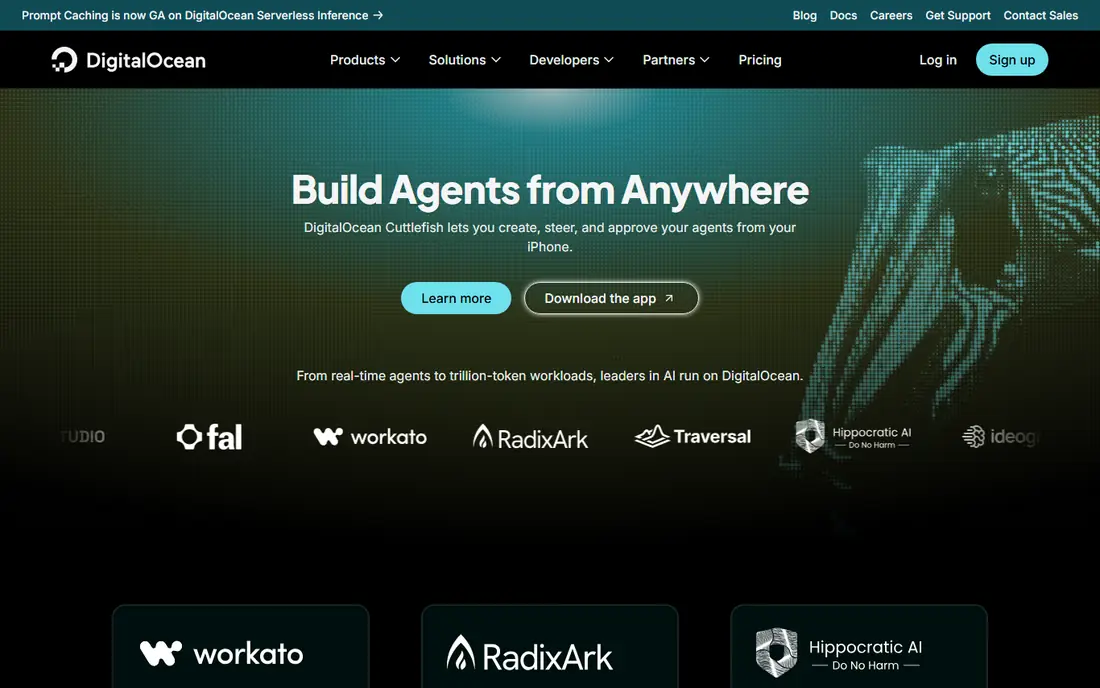
DigitalOcean is the easiest alternative to adopt if your main need is a virtual server, a managed database, and object storage. Droplets start at $6 per month for a basic 1 GB instance in recent benchmarks, and the dashboard keeps networking, firewalls, and snapshots in plain view. One-click marketplace apps shorten setup for common stacks like WordPress, Docker, and databases.
The trade-off is breadth. DigitalOcean does not match the full managed service catalog of larger clouds, so teams with heavy AI, analytics, or enterprise compliance needs may need a second provider. For startups, agencies, and small SaaS teams that want predictable bills and fast setup, DigitalOcean remains a strong first move.
- Clear dashboard and predictable Droplet pricing
- One-click apps and managed databases
- Trial credits for new accounts
- Service catalog is narrower than hyperscalers
- Per gigabyte prices are higher than Hetzner
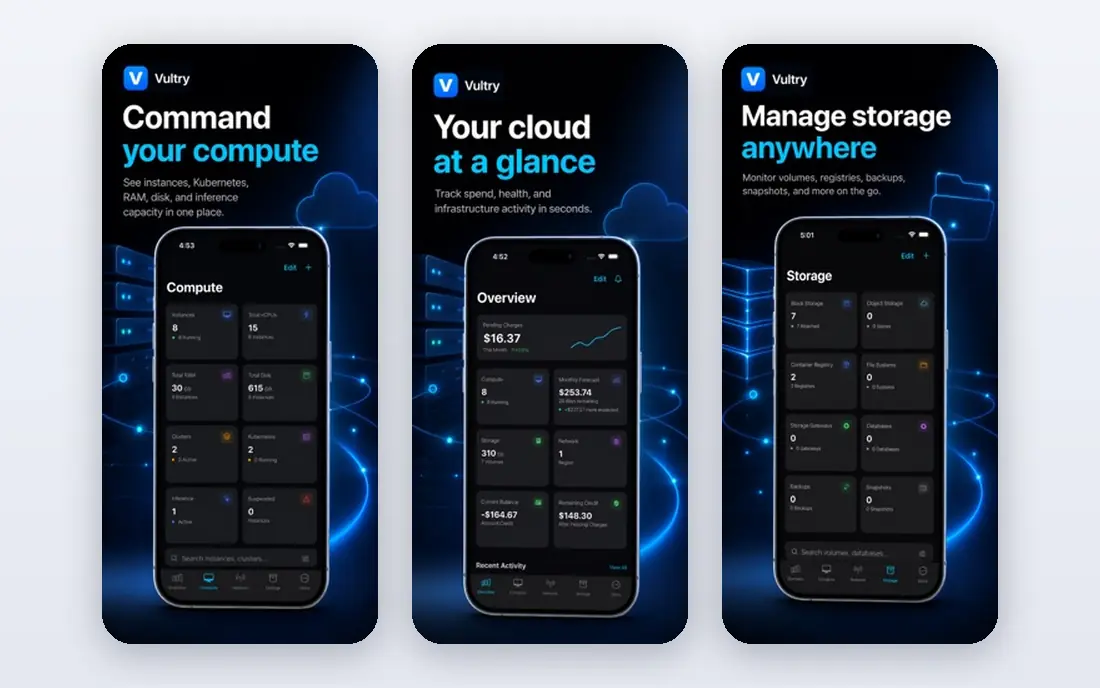
Vultr suits teams that need servers close to users in many regions. With more than thirty locations in recent listings, it covers cities that smaller providers miss, and hourly billing with a monthly cap keeps short tests cheap. Cloud Compute instances start at $5 per month for a 1 GB plan, and larger CPU optimized plans suit APIs and game servers.
Vultr expects more hands-on server management than a fully managed host. You get the server, the network, and the control panel, and you handle the operating system, updates, and app deployment. For developers comfortable with that model, Vultr gives broad reach at a low entry price.
- Many global locations
- Hourly billing with monthly caps
- Cloud, bare metal, and Kubernetes options
- Less managed tooling than DigitalOcean
- Support is best for self-managed users
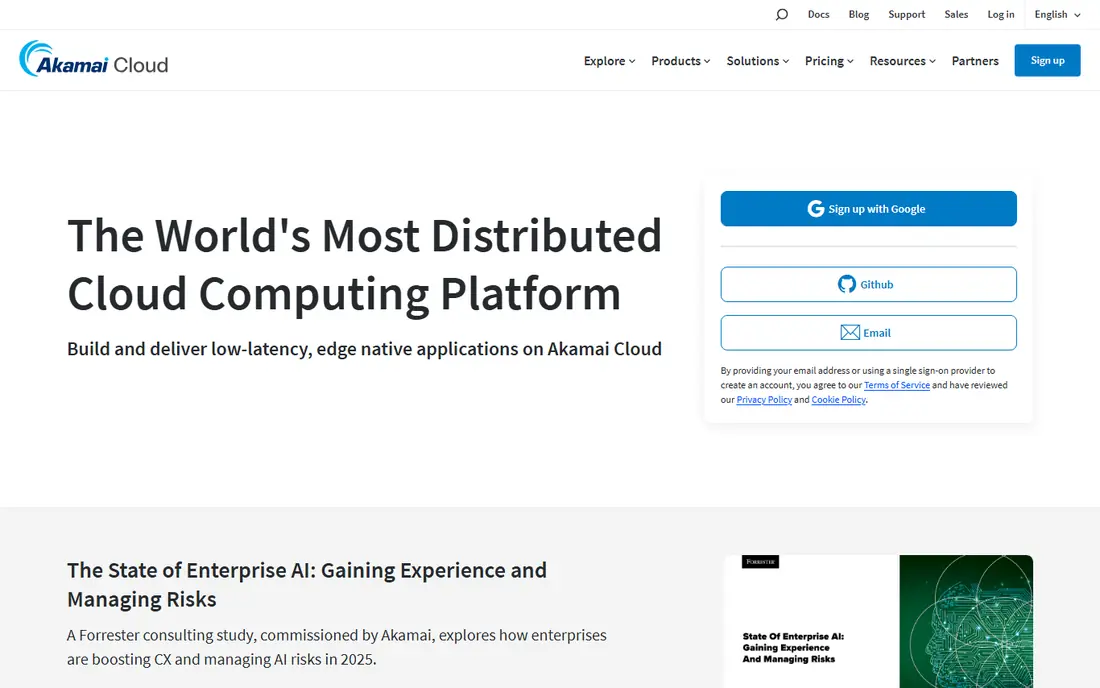
Linode, now part of Akamai, is a steady choice for teams that want a VPS provider with a large network behind it. Shared instances start at $5 per month for a 1 GB Nanode, and dedicated CPU plans suit sustained workloads. Akamai backing adds CDN and DDoS protection options that matter for public facing sites.
The experience is more technical than DigitalOcean, and the managed service list is shorter than Google Cloud or Azure. That is fine for developers who already manage Linux servers and want stable pricing. If you need a large catalog of managed AI or data services, pair Linode with a specialist tool rather than expecting it to cover everything.
- Long track record for VPS hosting
- Akamai CDN and security backing
- Clear shared and dedicated plans
- Fewer managed services than hyperscalers
- Dashboard feels technical for beginners
Hetzner Cloud is the value leader in this list. Recent comparisons list a 4 GB cloud instance at about 3.79 euros per month, far below the cost of a similar instance on many rivals, and traffic allowances are generous. For self-hosted apps, staging servers, and personal projects, that price gap is hard to ignore.
The limits are geography and breadth. Hetzner has fewer US regions than DigitalOcean or Vultr, and its managed service catalog is narrower than a hyperscaler. Prices are also listed in euros on many pages, so convert before comparing with dollar priced rivals. If your users are in Europe or the US regions Hetzner serves, and you manage your own servers, Hetzner is the cheapest serious option here.
- Very low prices for CPU and RAM
- Generous included traffic
- Solid dedicated and cloud options
- Fewer US regions than larger providers
- Prices are listed in euros for many plans
Google Cloud is the closest like-for-like replacement for a team that uses many managed services, not just servers. Compute Engine, Cloud Run, Cloud SQL, BigQuery, and AI tools cover most workloads that previously ran on a hyperscaler, and the free tier lets small projects start without a bill. For data heavy apps, BigQuery and the AI platform are genuine strengths.
Complexity is the catch. Pricing depends on region, machine type, sustained use, and egress, so a simple server comparison does not tell the full story. Use the pricing calculator with your real traffic and storage figures before migrating. For teams that need managed services at scale, Google Cloud is the most complete alternative on this list.
- Large managed service catalog
- Strong data and AI tooling
- Free tier for small workloads
- Pricing can be complex
- Egress costs need careful checking for high traffic sites
Azure suits organizations already invested in Microsoft tools. Active Directory, Microsoft 365, SQL Server, and Windows Server workloads integrate more cleanly here than on a generic VPS provider, and enterprise agreements can simplify billing for large teams. The free tier and low cost virtual machines let small teams test before committing.
The portal carries a lot of options, and that breadth can slow down a small team that only needs a few servers. Set budgets and alerts early, because managed services and egress can push a bill up quickly. If your stack is Microsoft centered, Azure is the natural alternative. If it is not, a simpler provider may save time.
- Deep Microsoft 365 and Windows integration
- Broad enterprise and compliance options
- Free tier for small use
- Portal and pricing can feel complex
- Costs rise fast without governance and budgets
Oracle Cloud Infrastructure deserves attention for its free tier alone. The Always Free tier includes small compute instances and autonomous databases, which can host a small app or a learning project at no cost. For teams running Oracle Database workloads, the integration and licensing options are also a practical advantage.
The platform feels more enterprise oriented than DigitalOcean, and community guides are thinner for some use cases. Egress terms are generous, with a large free allowance in recent comparisons, which helps data heavy sites. If you run Oracle workloads or want a strong free tier, Oracle Cloud is worth a trial. If you want the simplest dashboard, start elsewhere.
- Always Free tier for small instances and databases
- Strong Oracle Database support
- Generous free egress allowance
- Interface and service naming feel enterprise focused
- Smaller community than Google Cloud or Azure
Kamatera suits teams that want to size a server exactly, rather than picking from fixed tiers. You choose CPU, RAM, storage, and location, and pricing scales with those choices, with entry servers from $4 per month in recent roundups. That flexibility helps unusual workloads, like a high RAM, low CPU database server, that do not fit standard tiers.
Kamatera is primarily a self-managed infrastructure provider, so you handle setup and maintenance unless you buy a managed add-on. A free trial lets you test performance in your target region. For developers who know their resource needs and want precise control, Kamatera is a flexible, low cost alternative.
- Custom CPU, RAM, and storage per server
- Many global locations
- Monthly and hourly billing
- Managed services are limited
- Support quality varies by plan
OVHcloud is a strong choice for European teams and for sites that face frequent DDoS attacks. Anti-DDoS protection is built into many plans rather than sold as a costly add-on, and European data centers support GDPR focused hosting choices. VPS plans start at low monthly prices in some regions, though exact pricing varies by country and currency, so we list See website.
The product range is broad, from VPS to dedicated servers to public cloud, which can make the first choice confusing. Check the plan for your region, confirm included traffic, and test support response before migrating a critical site. For privacy focused European hosting with strong DDoS cover, OVHcloud earns its place.
- Built-in DDoS protection
- European data center options
- VPS, dedicated, and public cloud plans
- Pricing and plan names vary by region
- Support experience varies by product line
How we picked these
We compared official pricing pages and recent 2026 cloud benchmarks for providers that offer virtual servers or a broad managed cloud today. We favored providers with clear starting prices, live regions, and a path for web apps, APIs, and databases. We left out niche hosts that only offer shared hosting, and we did not run performance benchmarks ourselves.
Cloud prices change often and vary by region and currency, so use the vendor pricing calculator with your real CPU, RAM, storage, and transfer figures before migrating.
How to choose the right replacement
Start by listing what you actually use. A team that only runs a few virtual servers and a database has a very different move from a team that uses queues, managed AI, and analytics. The first team can save money fast on DigitalOcean, Vultr, Linode, or Hetzner. The second team should shortlist Google Cloud, Azure, or Oracle, and price the full service list, not just servers.
Next, model egress and storage. A site with heavy downloads, video, or API traffic can pay more in transfer than in compute, and providers differ sharply here. Finally, test in one region with a real workload before migrating everything. A week of real traffic tells you more about cost and latency than any pricing page.
Frequently asked questions
What is the best alternative to AWS for a small business?
DigitalOcean is the best starting point for most small businesses that need servers, databases, and storage without hyperscaler complexity. Vultr and Linode are close rivals, and Hetzner is cheaper if its regions suit your users.
Is Google Cloud cheaper than AWS?
It can be, depending on workload, region, and discounts, but there is no universal answer. Price the same machine types, storage, and egress on both platforms with your real usage, because egress and managed service fees often decide the result.
What is the cheapest AWS alternative?
Hetzner Cloud offers the lowest cost per unit of RAM in this list, with Vultr and Kamatera close behind at the entry level. Check region availability and included traffic, because a cheap server in the wrong region can cost more in latency and transfer.
Can I migrate from AWS without downtime?
In many cases, yes, by running the new environment alongside the old one, syncing data, and switching DNS or load balancing once testing passes. Plan for database migration and DNS propagation time, and keep the old environment running until the new one proves stable.
Do these alternatives offer a free tier?
Google Cloud, Azure, and Oracle offer free tiers, and DigitalOcean and Kamatera offer trial credits. VPS providers like Vultr, Linode, and Hetzner generally do not offer a permanent free tier, so budget for at least the entry server price.
Sources
See where you really rank - block by block
ProMapRanker scans Google Maps across a grid of your service area. Simple monthly plans from $19, white-label on every plan.
Start freeKeep reading
 free alternatives to grok imagine
Free Alternatives to Grok Imagine in 2026
We compared the best free alternatives to grok imagine for image generation, from fast daily credits to design tools, so you can create without paying.
Read → best tools for instagram content creation
Best Tools for Instagram Content Creation in 2026
Compare the best tools for Instagram content creation, from Canva and CapCut to Later and Buffer, on design, video, planning, scheduling, and price in 2026.
Read → best tool to split pdf files
Best Tool to Split PDF Files in 2026
We compared the best tool to split pdf files on split modes, file limits, privacy and price, so you can split a PDF cleanly and keep every page in one go.
Read →